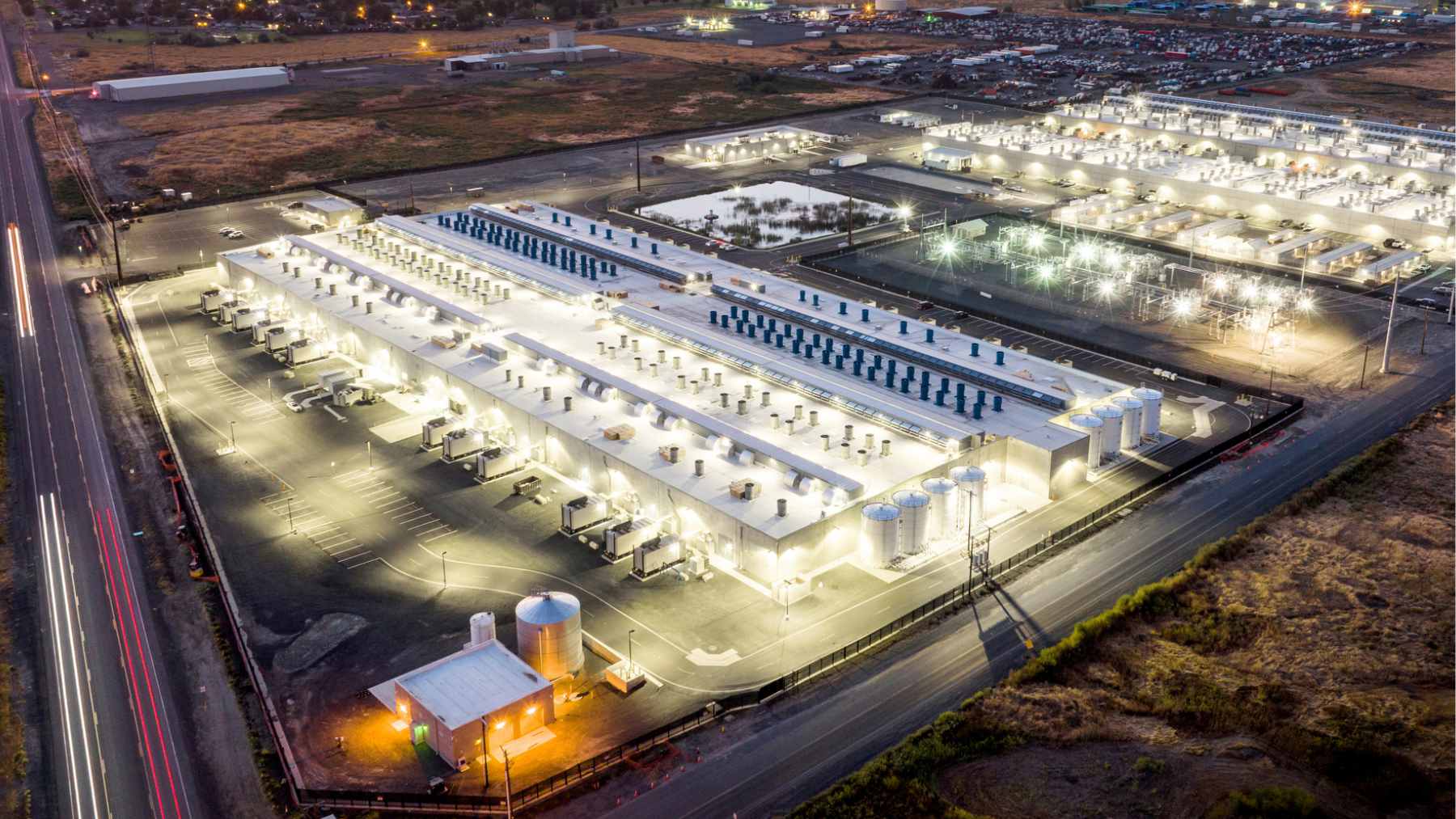
Most of us think of the cloud as something weightless, like an app icon sitting quietly on a phone screen. In rural Oregon, the cloud looks a lot more physical, and now it looks litigious, after state regulators sued over an alleged insider deal tied to a key broadband provider.
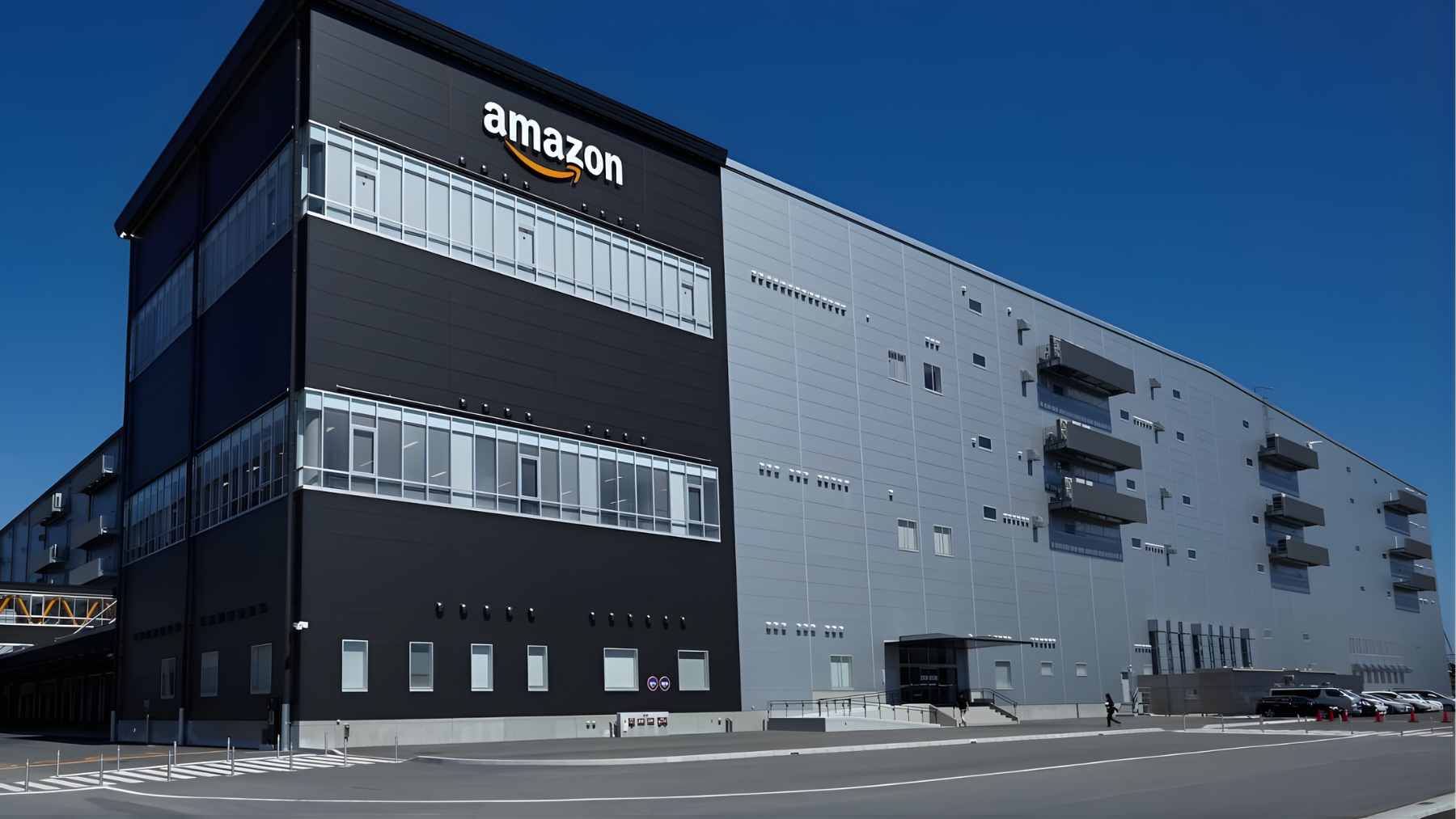
Reporting on newly disclosed records says Amazon spent more than $100 million buying internet services from that local fiber business while negotiating tax breaks and property deals to expand a growing cluster of data centers in Morrow County.
The immediate fight is about ethics and transparency, but the backdrop is ecological, because data centers run on electricity and water; it is not just about fiber.
A lawsuit over the plumbing of the cloud
Oregon Attorney General Dan Rayfield filed a civil enforcement action alleging that a small group of “insiders” tied to local government bodies abused their positions while Windwave Communications, a broadband subsidiary of a nonprofit, was sold.
Rayfield called the alleged conduct “a betrayal of trust” and his office says it is seeking at least $6.9 million in damages or to void the sale.
The state says the defendants provided outdated and incomplete information to an outside valuation firm, then bought Windwave in 2018 for $2.6 million even as its value was rising with the data center buildout.
The ethics commission’s investigation also found Windwave won 14 Amazon contracts from 2018 through 2022, plus five more before that, and three former officials agreed to pay $2,000 each to settle claims tied to disclosure failures.
The hidden environmental bill
Why does a fiber dispute matter for the environment? Because the same growth that makes a local network provider valuable is the growth that pushes up demand for power and cooling, especially as artificial intelligence workloads spread.
The International Energy Agency projects global electricity use by data centers could roughly double to around 945 terawatt hours by 2030 in its base case.
In the United States, Pew Research Center reports data centers consumed 183 terawatt hours in 2024, more than 4% of total U.S. electricity demand, and projects that could climb to 426 terawatt hours by 2030.
That kind of load can strain local grids, and it can show up in the place people notice fastest: the electric bill.
Then there is water, the resource that suddenly feels precious in that sticky summer heat we all know. Brookings notes a typical data center can use about 300,000 gallons of water a day and large facilities can reach an estimated 5 million gallons a day, largely for cooling.
A widely cited 2021 study also points to a basic measurement gap, reporting that fewer than a third of operators measure data center water consumption.
Tax incentives can weaken local safeguards
Local reporting says officials attracted Amazon with $245 million in property tax breaks since 2018, and notes the computers inside Oregon data centers are cumulatively worth billions, so abatements can shield a lot of taxable value.
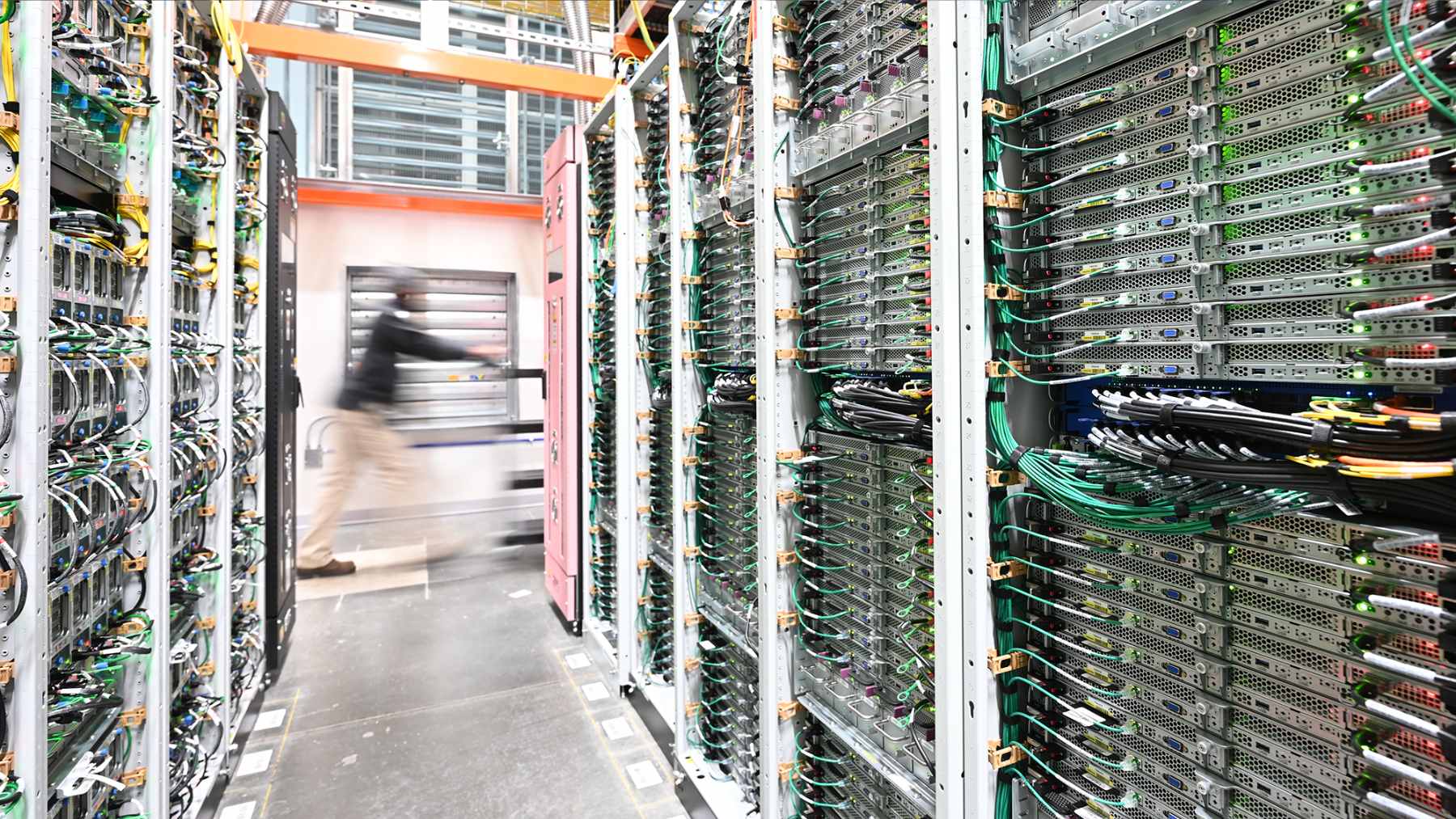
If a county gives up long-term revenue, it may have less money for water monitoring, emergency services, and infrastructure upgrades that help communities adapt to environmental stress.
Morrow County has also faced deeper controversies, including nitrate pollution in drinking water, which can make residents less willing to take big promises on faith. In a place like that, how deals are made matters almost as much as the deals themselves.
The defense angle behind the data center rush
Cloud infrastructure is not just for shopping carts and streaming video. In late 2022, the Department of Defense announced it awarded Joint Warfighting Cloud Capability contracts to Amazon Web Services, Google, Microsoft, and Oracle to support cloud services across all classification levels and out to the tactical edge.
Reuters described that framework as having a notional ceiling of $9 billion through 2028, a reminder that government and national security demand can keep computing expansion pressures high.
Even if a particular Oregon site is not handling defense workloads, those pressures ripple into power planning, water planning, and local permitting debates.
What real oversight looks like
Oversight sounds boring until it fails. Oregon’s Windwave case is a reminder that when tax policy and land decisions are traded for tech investment, the public needs clear disclosures and enforceable conditions that can be checked later.
For the environment, the conditions that matter most are measurable ones like energy use, water use, and backup power emissions, because what gets measured is what can be managed.
The press release was published on Oregon Department of Justice.