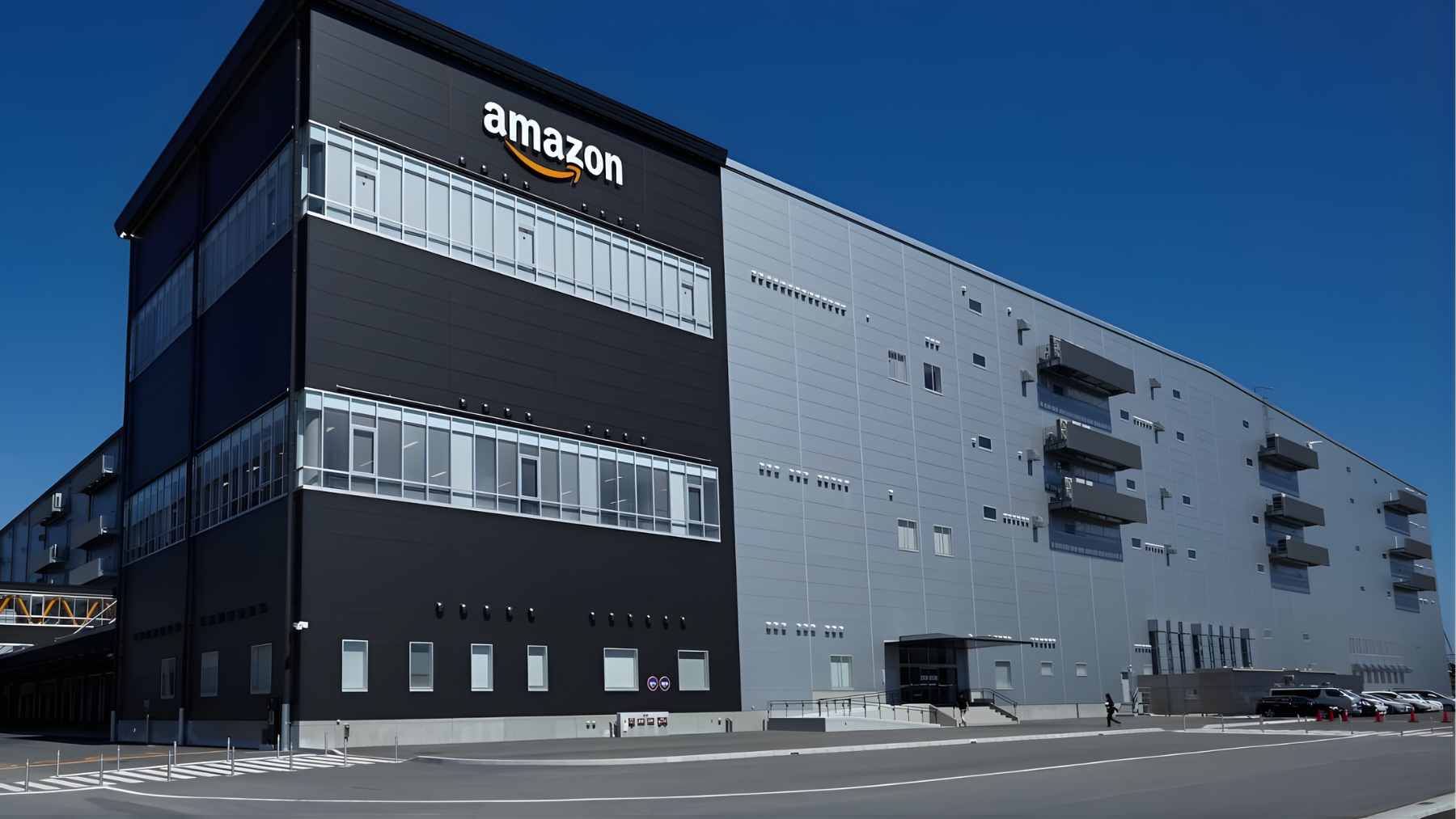
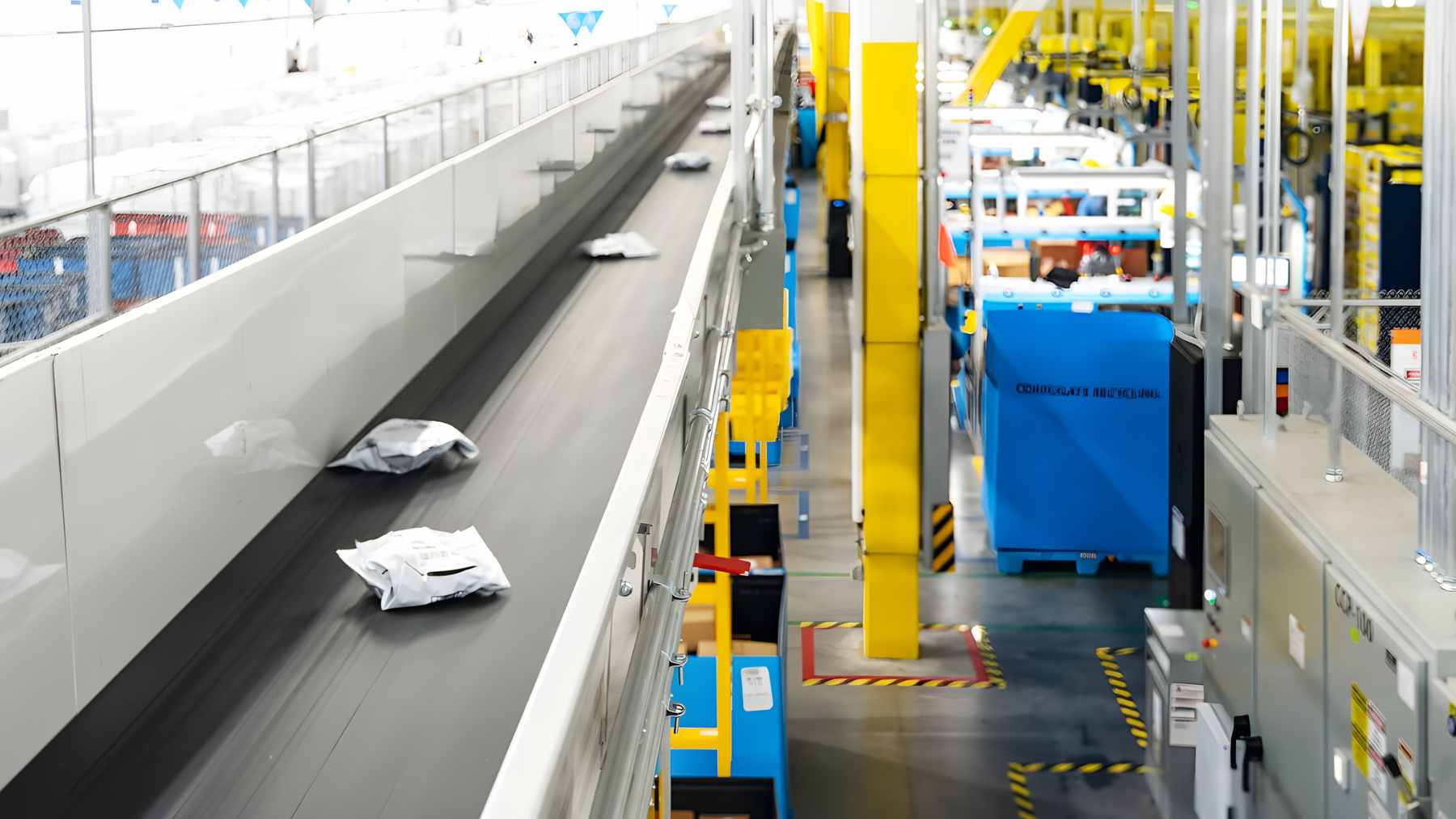
Amazon’s new delivery station in Salina, Kansas is already running ahead of expectations. The 90,000 square foot site (WKS3) began operating in October 2025, created 495 jobs, and processed more than 1.7 million packages in its first five months, with peak days hitting about 14,000 packages.
That kind of growth is a business story, but it is also an environmental one. Transportation is still the largest source of U.S. greenhouse gas emissions, accounting for 28% of the total in 2022, which means every new logistics hub eventually shows up in the climate math.
A rural hub that changes the delivery map
WKS3 is Amazon’s first central Kansas operation, serving about a 60-mile radius from Russell to Junction City and from Concordia to Newton. It sits inside the Salina Regional Airport’s industrial center, where more than 125 businesses reportedly employ over 7,000 people and contribute about $1.3 billion per year to the Kansas economy.
Local leaders are treating it as a springboard, not a one-off. The Salina Airport Authority has highlighted that additional acreage nearby is ready for development, and Amazon also points to local volunteer work by employees as part of its community footprint.
Faster delivery has a hidden emissions price tag
Here is the uncomfortable part: researchers have warned that speed can work against efficiency, and MIT’s Center for Transportation and Logistics has cited estimates that “fast shipping can increase emissions by 10% to 12%” because it reduces the ability to consolidate orders and fill trucks efficiently.
Rural geography can make the problem sharper. When homes are spread out, each additional mile can carry fewer packages, and even solutions like pickup points can backfire if customers end up driving long distances to get their orders, which one study found can offset carbon savings in rural settings.
More stations can mean fewer miles, but only if the data proves it
Amazon is betting that a denser network helps. In its own public reporting, the company says it has invested $4 billion in rural America to grow its rural delivery network and expects to expand to more than 200 delivery stations by the end of 2026, with a projected 100,000 new jobs and driver opportunities tied to that effort.
In practical terms, building closer to customers can shorten routes and reduce long repositioning drives. But the real test is whether “miles driven per package” goes down over time, especially during peak seasons when everyone wants that last-minute shipment to arrive before the weekend.
Electric vans are the clearest climate lever
If you want one metric that matters, look at the fleet. Amazon’s 2024 Sustainability Report says the company had deployed 31,400 electric delivery vans globally in 2024 and delivered 1.5 billion packages using electric vehicles, while also building a large charging footprint at delivery stations.
That is promising, but it does not automatically answer what is happening on the roads around Salina today.
Transportation fuel is still overwhelmingly petroleum based, and the EPA notes that over 94% of transportation fuel is petroleum, so switching even part of a delivery fleet away from diesel can have a real impact on local air quality and long-term emissions.
Cardboard, plastic, and the reality of the recycling bin
Emissions are not the only environmental footprint. More packages also mean more packaging, and anyone who has broken down boxes after a busy week knows how fast that pile grows.
Amazon says it is reducing packaging waste in measurable ways, including a reported 16.4% reduction in single-use plastic packaging in 2024 and an increase in shipments that arrive without additional Amazon packaging.
Why Military and Defense planners watch logistics like this
The defense world is looking at climate and logistics through a similar lens, even if the missions are different.
In a Department of Defense news story posted on a U.S. military site, Deputy Secretary of Defense Kathleen Hicks is quoted saying “climate change is a national security issue” and warning that floods, drought, and extreme weather can directly undermine readiness.
At the same time, the Pentagon is pushing harder on supply chain visibility and resilience.
A Defense Business Board report on “Supply Chain Illumination” argues for deeper transparency and risk-based supply chain management, borrowing best practices from the private sector because disruptions now come from many directions, including climate shocks.
What Kansas communities should watch next
So what should readers keep in mind as hubs like WKS3 expand? The climate outcome will depend less on the size of the building and more on operational choices, like how quickly electric vans and charging show up, how routes are optimized, and whether packaging reductions are visible at the curb.
The economic upside is already clear in Salina’s job numbers and throughput, but the environmental scorecard needs the same kind of transparency.
The official statement was published on About Amazon.