Ever wonder where that busted sofa or loose construction scrap goes when the first real rain hits? The Tijuana River can look harmless on a dry day, a concrete channel cutting through the South Bay near San Diego.
Then the storms arrive, the flow jumps, and whatever was dumped upstream suddenly has a fast lane to the ocean.
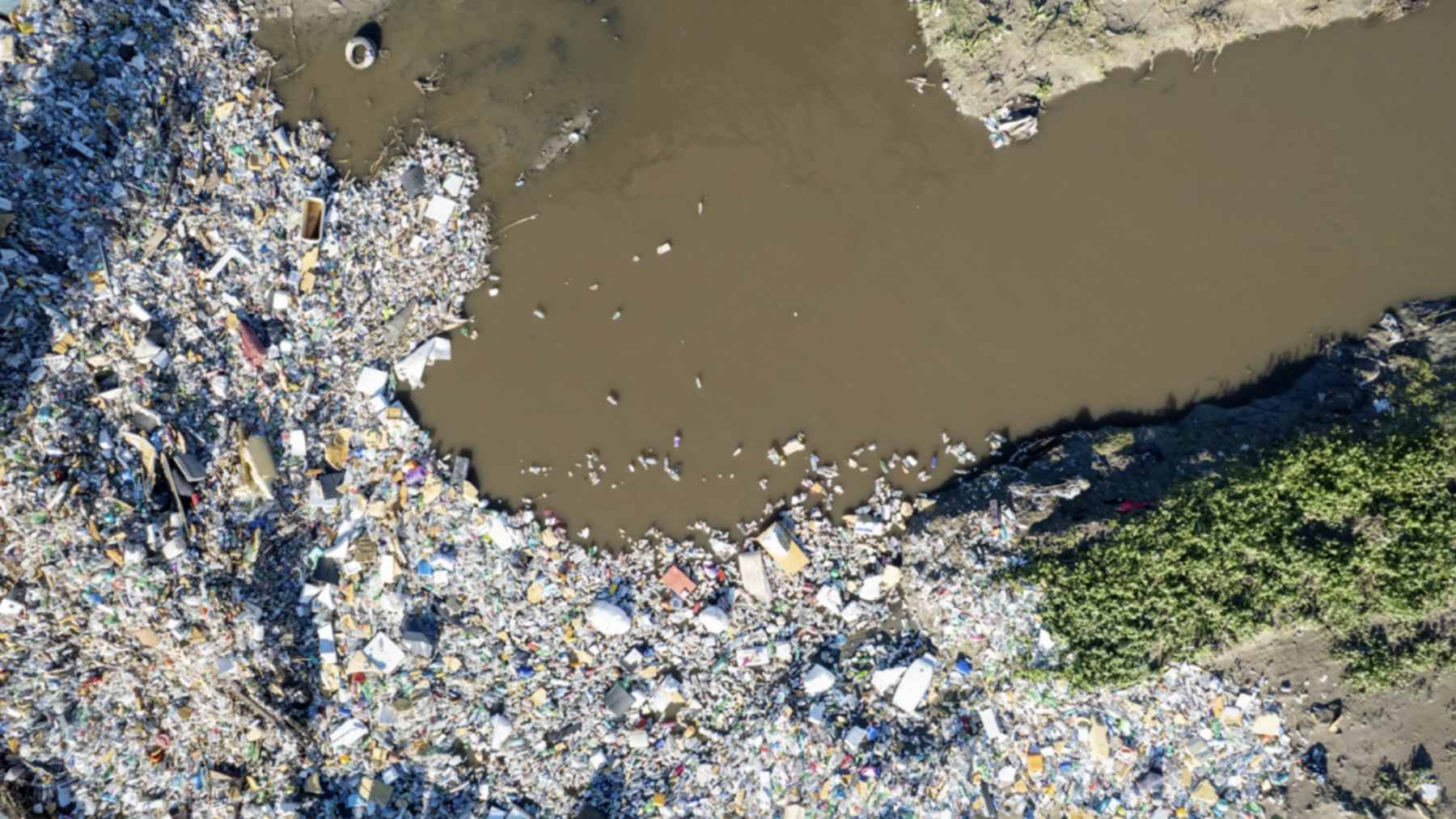
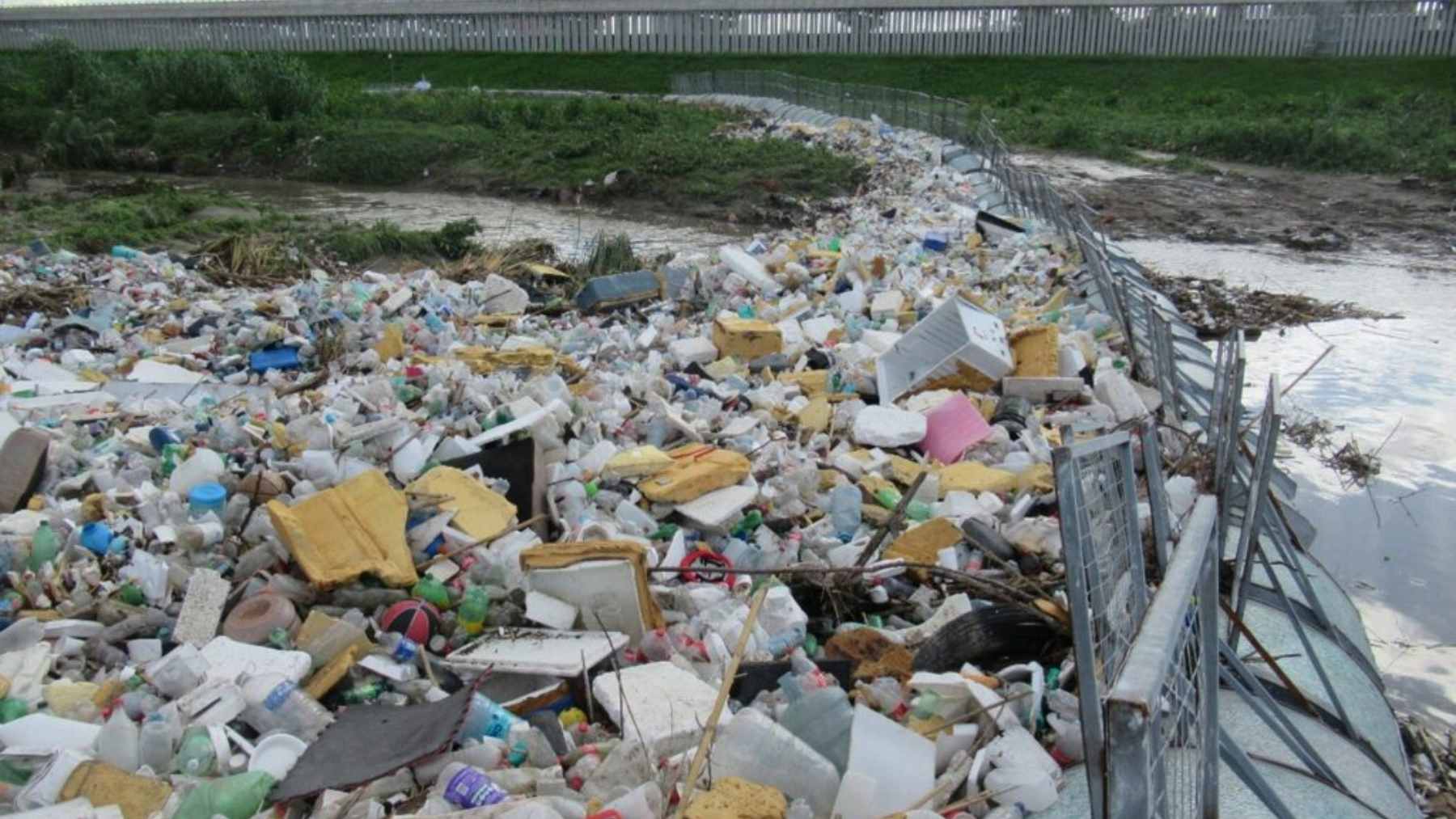
This wet season, that rush of debris ran into a new kind of border infrastructure. A floating trash boom in the Tijuana River Flood Control Channel intercepted 1,300 tons of trash as of late March 2026, keeping it out of the Tijuana River Estuary and the Pacific Ocean–no small number.
A border barrier built for trash, not people
The boom is the rare project that looks simple but solves a measurable problem. California water regulators describe it as a $4.7 million pilot meant to intercept solid waste in wet weather transboundary flows and to inform a more permanent fix tied to the USMCA transboundary flows program.
It is not a set-and-forget device. State officials have said the pilot includes ongoing repairs and the unglamorous work of tracking rain, measuring volumes, and documenting what is being caught.
The state’s own framing is straightforward and practical. “This project demonstrates the importance of deploying innovative solutions” to protect communities and coastal waters repeatedly hit by cross-border pollution, CalEPA deputy secretary Sabine Talaugon said at the 2024 ribbon cutting.
What 1,300 tons really signals upstream
Stopping 1,300 tons of debris is a win, but it is also a warning. When one season delivers that volume, it points to a waste stream that is still heavy and to a river system that acts like a conveyor belt when storms arrive.
There are hints about why the piles keep coming. The San Diego Water Board has flagged “unmitigated construction” tied to Mexico’s Federal Highway No. 1 as a driver of excessive sediment loading at border infrastructure, and in real storms those pulses can carry a mix of sediment and trash.
The business angle is hard to miss. Rapid growth can outpace wastewater and solid-waste systems, and the bill for cleanup can land downstream, from public agencies to employers who lose beach days and foot traffic. It is the kind of cost you feel before you ever see a line item.
The tech is low key, but the engineering is the point
This is not flashy consumer tech, yet it is still a technology deployment. California’s water agency has described floating booms made partly from recycled material, with plastic-and-steel components designed for the concrete-lined channel just below the border.
Engineers are trying to make hardware match a river that changes personality fast. Alter Terra’s Oscar Romo told Newsweek the system uses hydrological modeling and “160 individual hydrodynamic modules” designed to adapt to shifting flows and channel conditions.
Data is part of the product, too. State officials have said the pilot is meant to generate hard numbers on rainfall, trash volume, and debris characteristics so that future infrastructure is based on evidence, not guesses.
Why defense and the economy are paying attention
Trash is only one slice of the wider Tijuana River pollution problem, which also includes sewage and industrial contamination. The Associated Press has reported that the broader crisis has closed beaches and sickened Navy SEALs who train in the water, alongside surfers, lifeguards, schoolchildren, and border patrol agents.
That is where ecology meets readiness and budgets. When coastal water quality becomes unreliable, training can be disrupted and communities can face more illness and lost work time. Nobody wants a public health problem to double as an operational problem.
Tourism is caught in the same current. Reuters has reported that chronic contamination has forced “Keep out of Water” signs for much of the past four years, draining Imperial Beach of crucial summer revenue and leaving locals watching waves they cannot safely surf.
The hard part is turning a pilot into a system
Even a strong barrier still leaves the upstream reality unchanged. The Water Boards’ border updates show the trash boom is one piece of a larger enforcement and infrastructure picture that includes limits on flow to the South Bay International Wastewater Treatment Plant and ongoing cross-border projects.
So what comes next, and who pays? The state’s 2024 press release said the U.S. International Boundary and Water Commission would decide in 2026, when the grant period ends, whether to keep the system operating or remove it, which is a reminder that effective projects can still be temporary.
The takeaway is simple. A floating boom can keep the worst debris out of the ocean, but lasting progress will depend on upstream waste management, construction controls, and binational accountability that can survive election cycles and budget fights.
The official statement was published on California Water Boards, where the San Diego Water Board posted its late March 2026 update.