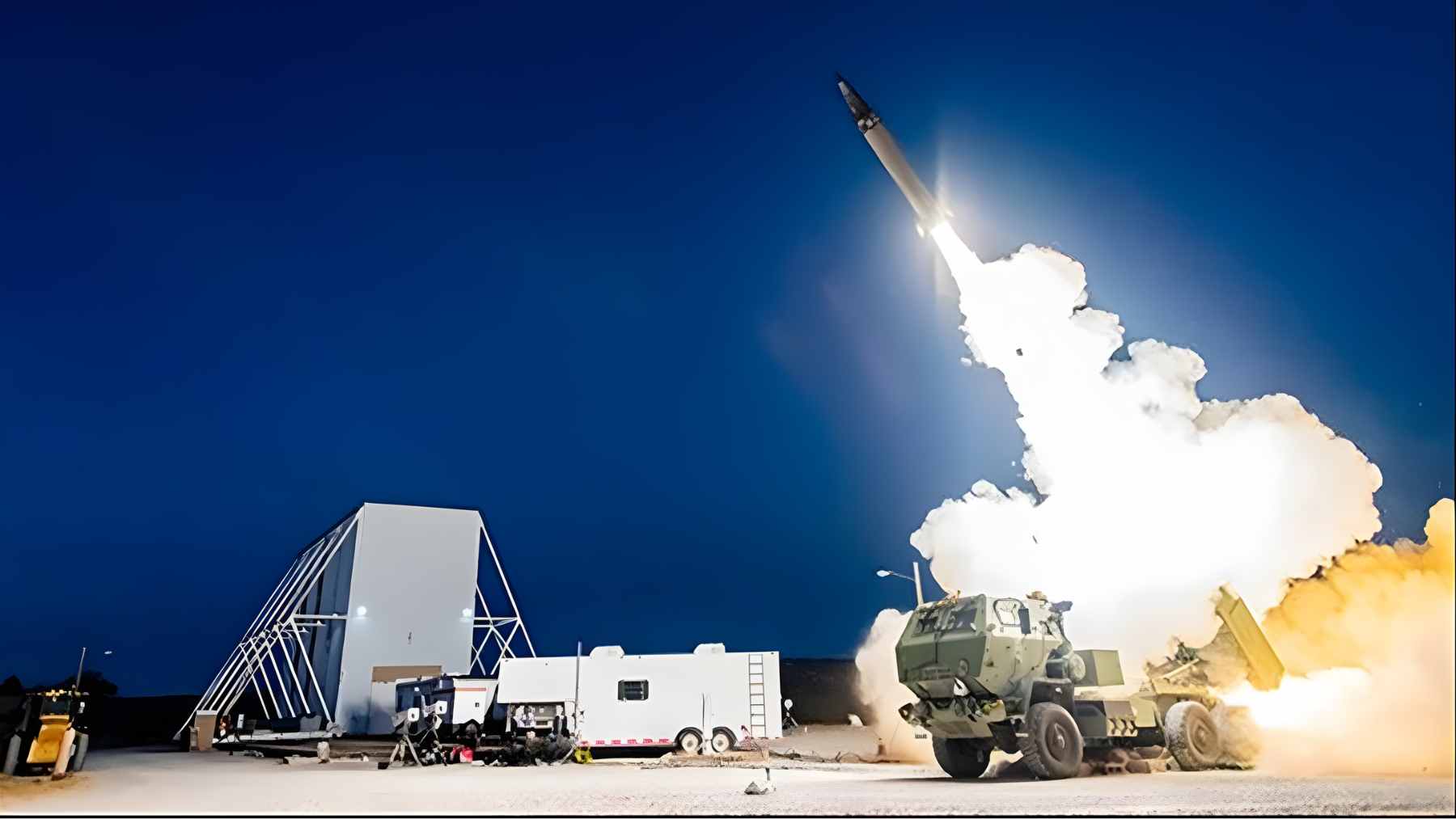
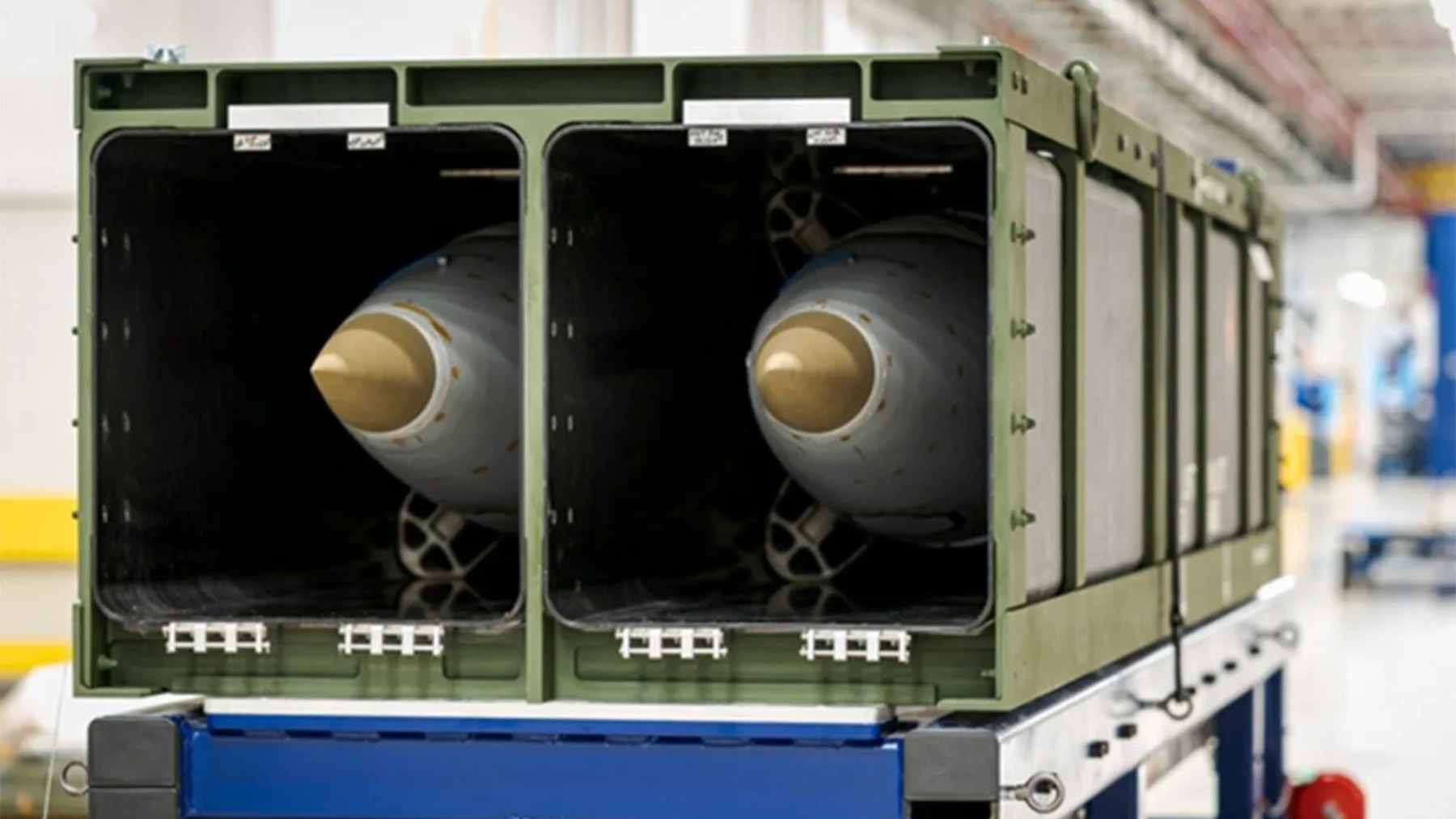
Lockheed Martin says it has a new framework agreement with the U.S. Department of War to speed up production of the Army’s Precision Strike Missile (PrSM), aiming to quadruple output. The announcement comes after U.S. Central Command confirmed PrSM was used in combat for the first time on March 4 during Operation Epic Fury.
This is big defense news, and it is also an environmental story hiding in plain sight. More missiles usually mean more factory power, more trucking, and more chemicals that have to be handled safely. Can the U.S. surge weapons production without quietly expanding its pollution tab?
A faster pipeline for long-range fires
The framework agreement builds on a U.S. Army contract worth up to $4.94 billion awarded in 2025. Lockheed says the combined actions will quadruple PrSM production capacity. The Army describes PrSM as the next step after ATACMS in its long-range-fire lineup, and Lockheed lists a 37 to 310 mile range for the system.
Lockheed says the plan could turn into a multi-year deal lasting up to seven years, pending congressional authority. The timing is notable because CENTCOM confirmed the missile’s first combat use on March 4 in Operation Epic Fury.
The missile is designed for existing launchers like HIMARS and the M270 family, which is part of why production volume matters so much.
The company says advanced manufacturing and “digital engineering” will cut lead times, and it points to more than $7 billion in capacity investments since President Donald Trump’s first term. It also says it has more than 115,000 square feet dedicated to PrSM and over 400 workers already on the program.
Defense spending meets climate math
A 2025 study in PLOS Climate puts Department of Defense Scope 1 and 2 emissions at more than 700 million tons of CO2e from 2010 to 2019. Annual emissions fell from over 83 million tons in 2010 to nearly 61 million tons by 2019.
Those figures leave out much of the supply chain. In its greenhouse gas plan, the department says Scope 3 emissions, including the defense industrial base, may be equal to or greater than its Scope 1 and 2 emissions.
That is why a missile surge is also an emissions story. The carbon shows up in steel and composites, electricity-hungry equipment, and trucks moving parts around, not just in fuel burned on deployment. Anyone watching their electric bill can guess what happens when factories run hotter.
What ends up in the water
Missiles and rockets often use solid propellants, and some ingredients carry a long environmental paper trail. The U.S. Agency for Toxic Substances and Disease Registry notes that ammonium perchlorate is produced in large amounts because it is used in rocket fuels.
EPA says perchlorate contamination has been found at sites linked to ammunition and rocket fuel manufacture, use, and disposal, and that it can migrate quickly from soil to groundwater. The agency also warns perchlorate can interfere with iodide uptake in the thyroid, a key reason regulators focus on drinking water.
No public evidence says PrSM production will trigger new contamination. Still, quadrupling output means more material handling and more waste streams, so monitoring and cleanup plans are critical before problems show up.
Tech fixes that need proof
Lockheed is betting that “digital engineering” and modernized lines can speed production. In practical terms, that can also reduce scrap and rework, which is where a lot of energy and material waste hides.
On its sustainability site, Lockheed says it aims to cut absolute Scope 1 and 2 emissions 36% by 2030 from a 2020 baseline. It also says it wants to match 40% of its electricity use with renewable power by 2030.
The customer is trying to push in the same direction. The DoD climate adaptation plan frames climate work as both resilience and mitigation, and its emissions plan flags procurement and supply chains as a major Scope 3 lever.
What happens next on Capitol Hill and in nearby towns
The big production promise still depends on Congress, since multi-year contracting authority is not automatic. That makes appropriations and oversight hearings as important as test launches for the program’s trajectory.
Meanwhile, towns near defense plants care about basics such as water quality, air permits, and whether extreme heat will strain power and cooling when everyone cranks the AC. If factories expand, those everyday systems have to keep up.
For readers tracking the environmental side, watch for transparent reporting on emissions and hazardous chemicals that rises with the production curve.
The press release was published on Lockheed Martin.