Aldi’s “This Week’s ALDI Finds” page for April 1 to April 7, 2026 emphasizes scarcity, with a reminder that rotating deals “won’t be here for long.”
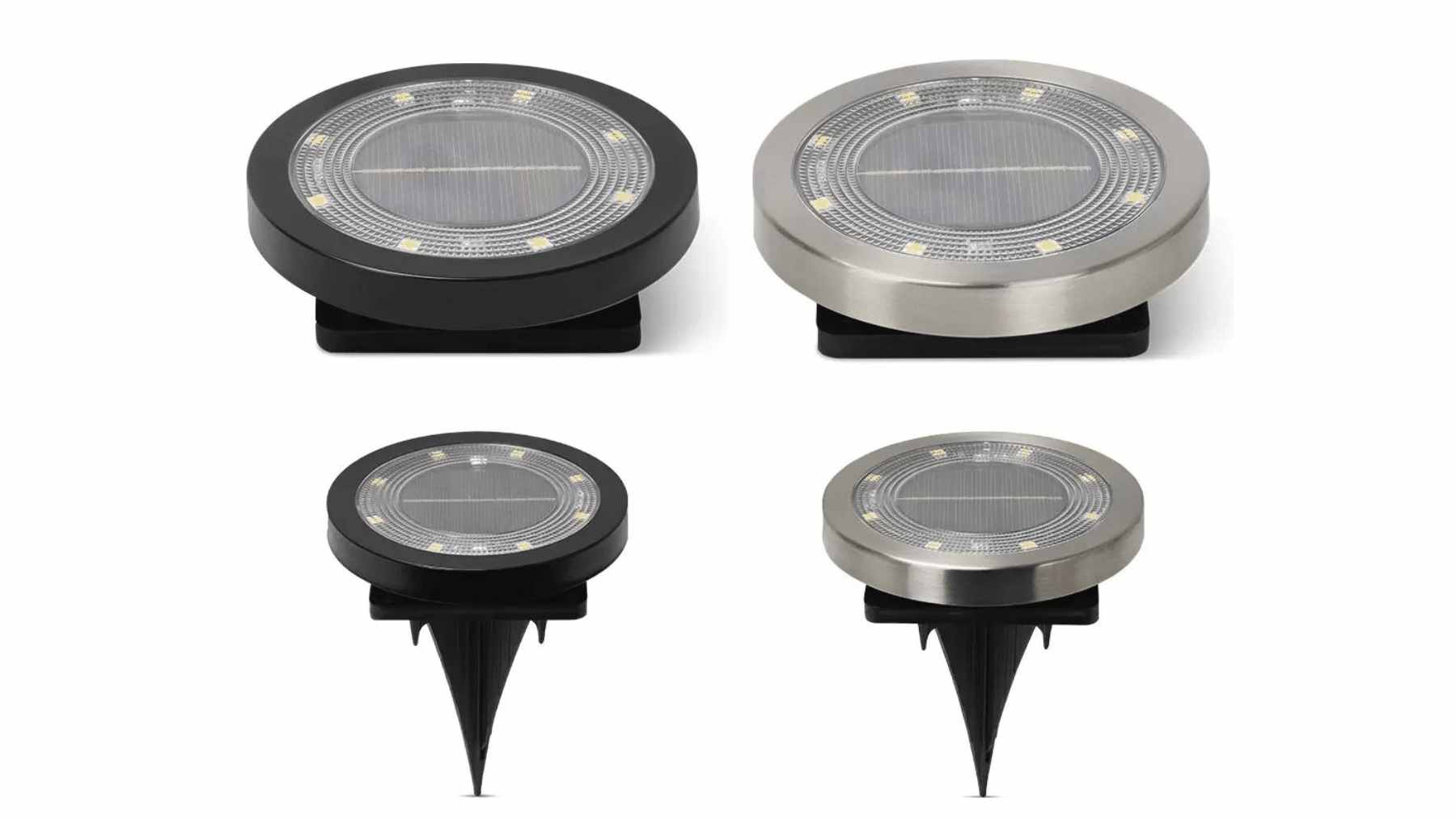
In the same early-April shopping rush, the retailer’s online listings show Belavi solar globe string lights priced at $9.99, plus a $5.99 solar plastic spotlight and a $12.99 four-pack of solar disc lights.
Ever tried to light a backyard dinner and realized the extension cord is now a tripping hazard? It sounds like a simple spring decor story, but it’s also a snapshot of how renewable tech keeps shrinking and getting cheaper.
When a discount grocer can put solar and batteries in the aisle next to patio cushions, it’s worth asking what we gain and what we might be throwing away later.
The $9.99 set is a business signal, not just yard decor
ALDI calls these limited-time buys “ALDI Finds,” and the retailer warns customers that the items “won’t be here for long.” For outdoor lighting, its online catalog lists Belavi solar globe string lights in warm white or multicolor for $9.99, with the warm-white version listed at 19.55 feet in total length.
This kind of pricing is a reminder that solar is no longer reserved for rooftops and big projects. Now, Aldi is betting that “tiny solar” has become an impulse purchase. No electrician, no outlet, no hassle.
The environmental win is real, but it’s smaller than you think
Solar string lights don’t draw power from the grid at night, which means they also don’t add to your electric bill in the same way plug-in lights do.
For perspective, a 5-watt plug-in LED string light left on for six hours a night for 120 nights uses about 3.6 kilowatt-hours, which works out to roughly 3 lbs. (about 1.3 kg) of CO2e using the U.S. EPA’s national average factor of 823.1 lbs. of CO2e per megawatt-hour.
So does solar lighting meaningfully cut emissions on its own? Not really, and many plug-in sets are already LEDs. Still, the U.S. Department of Energy says residential LEDs use at least 75% less energy and can last up to 25 times longer than incandescent lighting, which is part of why solar lights can sip power from a small battery all night.
The tech inside a budget solar light is quietly impressive
Most solar yard lights are a simple system, with a small photovoltaic panel, a rechargeable battery, and an LED plus a basic controller. A light sensor helps the set flip on at dusk, then shut off in the morning.
That’s why these lights can run even if your patio outlet is already crowded with a fan, a speaker, and the grill rotisserie.
The bigger tech story is cost curves. The International Energy Agency says solar PV module spot prices fell about 50% in 2023, and that kind of drop helps explain why solar hardware keeps showing up in smaller, everyday products.
Batteries and plastic are the real environmental pressure points
What happens when the battery stops holding a charge? The U.S. EPA says you should not put rechargeable batteries in the trash or municipal recycling bins, and it recommends finding a proper drop-off location based on the battery chemistry.
This matters because mismanaged batteries can start fires in waste and recycling systems, and critical materials are lost when batteries are tossed instead of recycled. If you want these small solar gadgets to stay on the “eco-friendly” side of the ledger, the end of the battery’s life is where the story gets decided. That’s the trade-off.
Why the military cares about the same off-grid idea
Off-grid lighting sounds like a backyard problem until you zoom out. Research on military energy systems has found that microgrids with energy storage and scheduling can cut fuel consumption at forward operating bases by about 20% to 30%, which matters because fuel deliveries are expensive and can be dangerous in conflict zones.
That logic is also showing up on big domestic installations. The Stimson Center notes that the U.S. Army has discussed equipping its bases with microgrids as part of a broader push to reduce fossil fuel reliance while keeping critical operations running during disasters and grid disruptions.
What shoppers should keep in mind before checkout
If you’re buying solar lights mainly for the vibe, the basics still matter. Look for any notes about runtime, whether the battery is replaceable, and how the light will handle rain and summer heat, because shade and weather can make performance swing a lot.
At the end of the day, a $10 solar string light is a tiny climate choice, but only if you treat the battery like part of the product. If the set dims after a season or two, don’t just toss it in the trash, since that undercuts the climate benefit you were trying to get in the first place.
The official statement was published on ALDI.