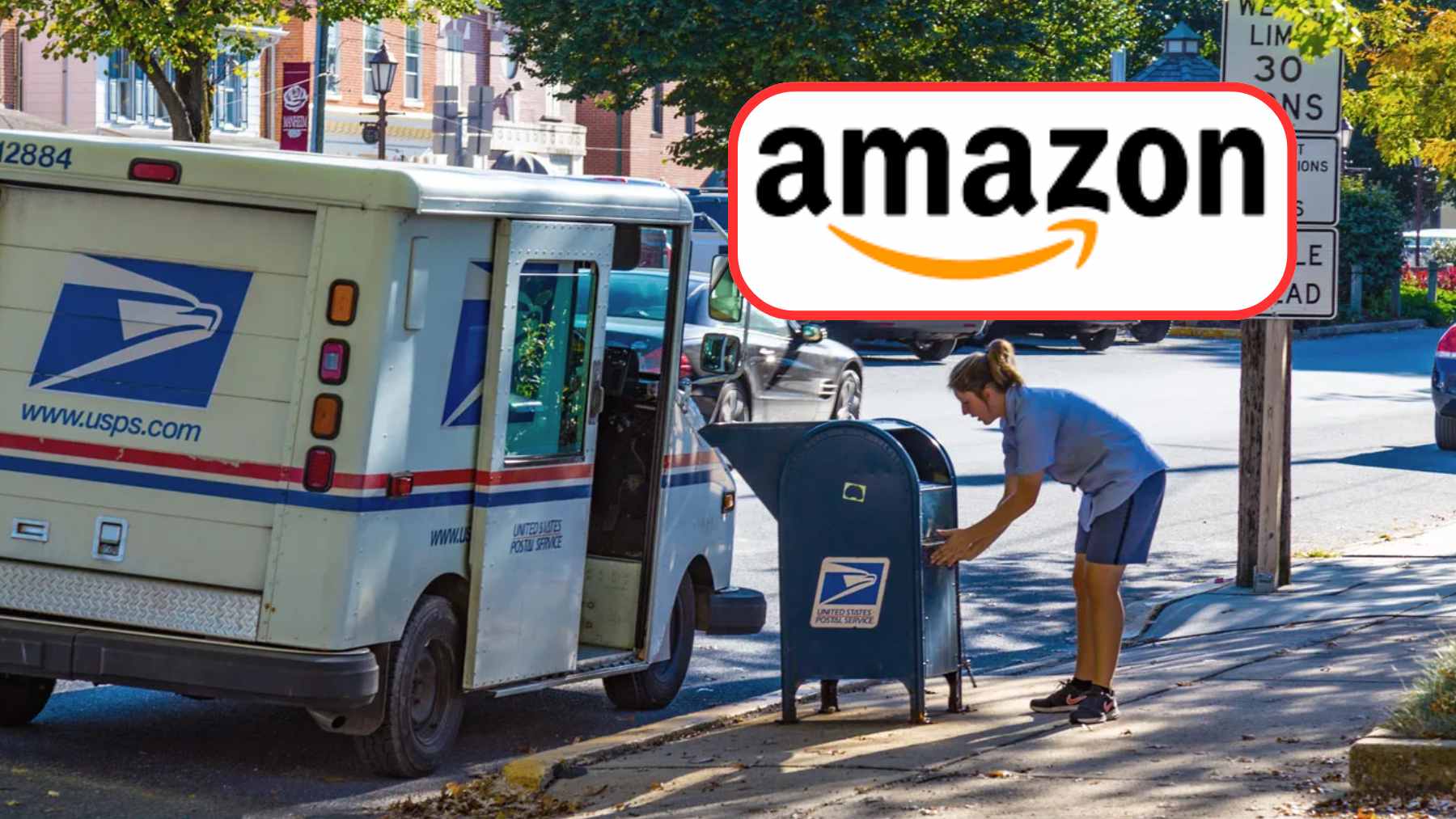
Amazon and the U.S. Postal Service (USPS) have reached a new delivery agreement that keeps roughly 80% of Amazon’s existing USPS package volume in place.
It is a lifeline for a postal network that still touches almost every front porch in America, and it also reshapes the logistics chessboard for competitors who have been trying to win or shed Amazon volume for years.
But there’s a second story hiding in plain sight. When the biggest shipper in the country reorders its delivery relationships, it changes the number of trucks on the road, the miles they drive, and the fuel they burn.
That can mean more traffic, more tailpipe pollution, and higher costs that show up in your checkout total.
A deal that buys USPS time
The numbers explain why this deal mattered so much. Reuters reports that Amazon represented about $6 billion in annual revenue to USPS, and USPS has delivered about 1.7 billion packages a year for Amazon.
USPS has also warned about a potential cash crunch as soon as October 2026, which made any major loss of Amazon volume a serious threat. Under the new terms, Amazon still plans to expand its delivery network, but sources say not at a scale that matches USPS’s address-by-address reach.
Fuel costs are a climate signal
USPS has been pushing to raise shipping prices to cover rising transportation and fuel costs, including a temporary 8% price change that would take effect in late April if approved. The postal agency has also floated bigger ideas, like raising the price of a first-class stamp to $0.95 from $0.78.
Here is the awkward reality of modern convenience: if fuel gets more expensive, delivery gets more expensive, and that pressure travels through the whole economy. To most households, that kind of change shows up indirectly, in higher shipping fees or slightly higher prices on everyday items.
The emissions math behind the last mile
Transportation is one of the biggest climate pieces in the U.S. emissions puzzle. The EPA’s latest breakdown shows transportation accounted for 29% of U.S. greenhouse gas emissions in 2022, which is why delivery networks matter even if each van seems small on its own.
And the last mile is where the story gets personal. A World Economic Forum linked analysis shared via the C40 Knowledge Hub warns that, without changes, carbon emissions from all urban delivery traffic could rise sharply by 2030.
That is the kind of projection that turns “free shipping” into a very real air quality problem.
Tech can cut miles, but it does not erase them
There is a reason delivery companies obsess over software. Route optimization, better package sorting, and smarter loading can reduce time spent idling, which is good for both emissions and the stress level of anyone stuck behind a double-parked van on a narrow street.
But efficiency has limits when volume keeps rising. Faster delivery expectations can also mean more separate trips, more fragmented routes, and more vehicles circulating at the worst times of day. In other words, it is hard to “optimize” your way out of traffic jams if demand keeps climbing.
Electric fleets and packaging are the real leverage points
The most direct climate gains come from replacing fossil-fueled miles with cleaner ones. USPS says it plans to roll out 106,000 new vehicles by 2028, including 45,000 battery electric next-generation delivery vehicles and tens of thousands of other vehicles, alongside new charging infrastructure.
Amazon, for its part, says it has rolled out more than 30,000 custom electric delivery vans across the U.S., and it points to packaging changes like removing plastic air pillows in North America and Europe. That matters when you think about the waste stream that piles up in the recycling bin after a busy week.
Why defense planners care about delivery fleets
It is easy to treat this as a pure business story, but delivery networks are also part of national resilience. A DHS training resource describing U.S. critical infrastructure lists “Postal and Shipping” among the sectors, which is a reminder that moving packages is tied to emergency logistics and continuity planning.
Even the military connection is not theoretical. USPS highlights its long-running partnerships with the U.S. Armed Forces, and in a crisis, the same transportation and fuel constraints that hit shoppers can hit government operations, too.
That is one reason why cleaner fleets and more efficient routes are increasingly a security conversation, not just a climate one.
What to watch next
The deal itself does not solve the core tension. E-commerce keeps growing, and the physical movement behind it still depends heavily on trucks, fuel, and local road capacity.
The big question is whether electrification and smarter routing can outpace demand, or whether congestion and emissions keep rising anyway.
Also keep an eye on rural America. Amazon has said it is investing more than $4 billion to expand its U.S. rural delivery network by the end of 2026, and rural routes can mean longer drives per stop. It is a reminder that the real climate impact is not just who delivers the package, but how far the route is and what powers the vehicle.
The press release was published on USPS Newsroom.