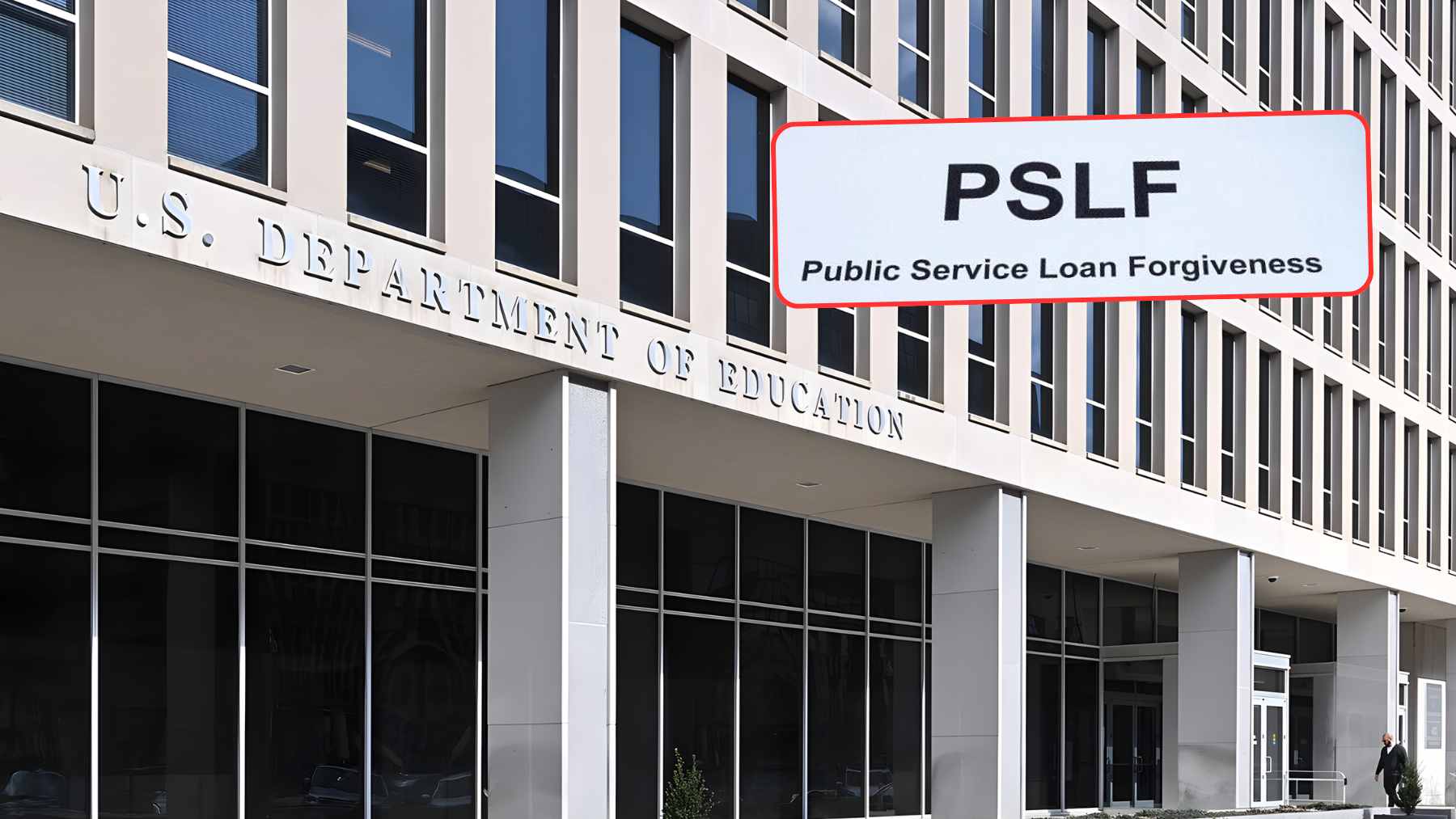
Public Service Loan Forgiveness was built on a simple tradeoff: you take a lower-paying job in government or a nonprofit, keep making qualifying payments for 10 years, and your remaining federal student debt can be forgiven.
Now, a rule change tied to the end of the SAVE repayment plan is making that path more expensive and more uncertain for many borrowers. And that matters far beyond personal finances, because the same public service workforce includes the people protecting parks, enforcing pollution rules, and improving weather and disaster warnings.
A key shortcut to PSLF just got pricier
The Education Department is changing how it calculates the PSLF “buyback” option, which lets some borrowers pay for past months in deferment or forbearance so those months can count toward the 120 payments needed for forgiveness.
Under new guidance, borrowers cannot use the SAVE formula to calculate buybacks for months tied to deferment or forbearance that start or end on or after July 1, 2024.
If a borrower was not on IBR, PAYE, or ICR on either side of the period they are buying back, the department says it will request income and family size details to determine the buyback amount. In practical terms, that can mean a bigger bill arriving right when someone thought they were at the finish line. (businessinsider.com)
The timing is tight, too. A department status update cited in recent reporting said there were 88,170 pending PSLF buyback applications as of February 28, 2026, even as more keep coming in each month.
From parks to pollution control, public service is the climate front line
When people hear “public service,” they often picture teachers or firefighters. But a large share of the country’s environmental work also runs through government and nonprofits, from air quality enforcement to drinking water oversight to habitat restoration.
Look at the scale of the agencies involved. The National Park Service says it has approximately 20,000 permanent, temporary, and seasonal employees–the people dealing with trail damage, wildfire risk, and overloaded campgrounds when the weather turns extreme.
NOAA, which underpins much of the nation’s weather and climate capability, reported a total workforce of 11,992 in its FY2023 MD-715 public report. Even if you never think about NOAA day to day, you feel it when your phone lights up with a storm warning.
Business and tech depend on the boring paperwork
There’s an uncomfortable truth in climate policy. A lot of progress comes down to staffing, forms, and timelines, the unglamorous work that keeps projects legal and safe.
Businesses feel this in permitting, compliance, and grants. If fewer scientists, engineers, and analysts choose public service jobs because loan relief feels less predictable, it can slow the back-and-forth that keeps infrastructure projects moving, including clean-energy buildouts and local resilience upgrades.
No one wants extra delays when the electric bill is already high and summer heat keeps sticking around longer.
Tech feels it, too. Environmental work increasingly relies on data systems, modeling, and sensors, whether it’s monitoring pollution, tracking wildfire smoke, or improving flood forecasts.
Those roles compete with private-sector salaries, so programs like PSLF have been one of the quiet incentives that make public service hiring more realistic for people carrying big student debt.
Defense planners are watching the same talent pool
Climate and ecology are not only “green” issues anymore. They are also readiness issues, because floods, heat, and storms can strain bases, equipment, and response capacity.
The Department of Defense is one of the largest employers in the federal system, and reporting based on OPM workforce data has put DoD’s civilian workforce at roughly 694,000 in early 2026. That workforce includes engineers, logisticians, and analysts, many of whom qualify for PSLF if they meet the program’s requirements.
Meanwhile, NOAA’s National Weather Service alone is a major operational workforce, with “some 4000-plus employees” spread across forecast offices and national centers, according to its own description. When staffing gets tight, the risk is not abstract.
It can show up as fewer eyes on radar and slower updates during the kind of storms that now seem to hit more often.
What to watch as July approaches
Two separate July deadlines are now in the same story. The Education Department says borrowers enrolled in SAVE will start getting notices on July 1 and will have at least 90 days to move into a “legal repayment plan,” with a new Repayment Assistance Plan (RAP) slated to launch on July 1.
At the same time, the administration’s final rule on PSLF eligibility is set to take effect July 1, 2026, narrowing which employers count as “public service” by excluding organizations the department determines engage in certain “illegal activities.”
How that standard is applied in real life will be closely watched, especially by nonprofits that do environmental work alongside community services.
For borrowers, the safest move is usually the least exciting one. Keep your employment certification up to date, save income documentation, and read every servicer notice even if it arrives on a busy workday.
In a system where one formula change can reshape your payoff timeline, staying organized is not optional anymore.
The official statement was published on U.S. Department of Education.