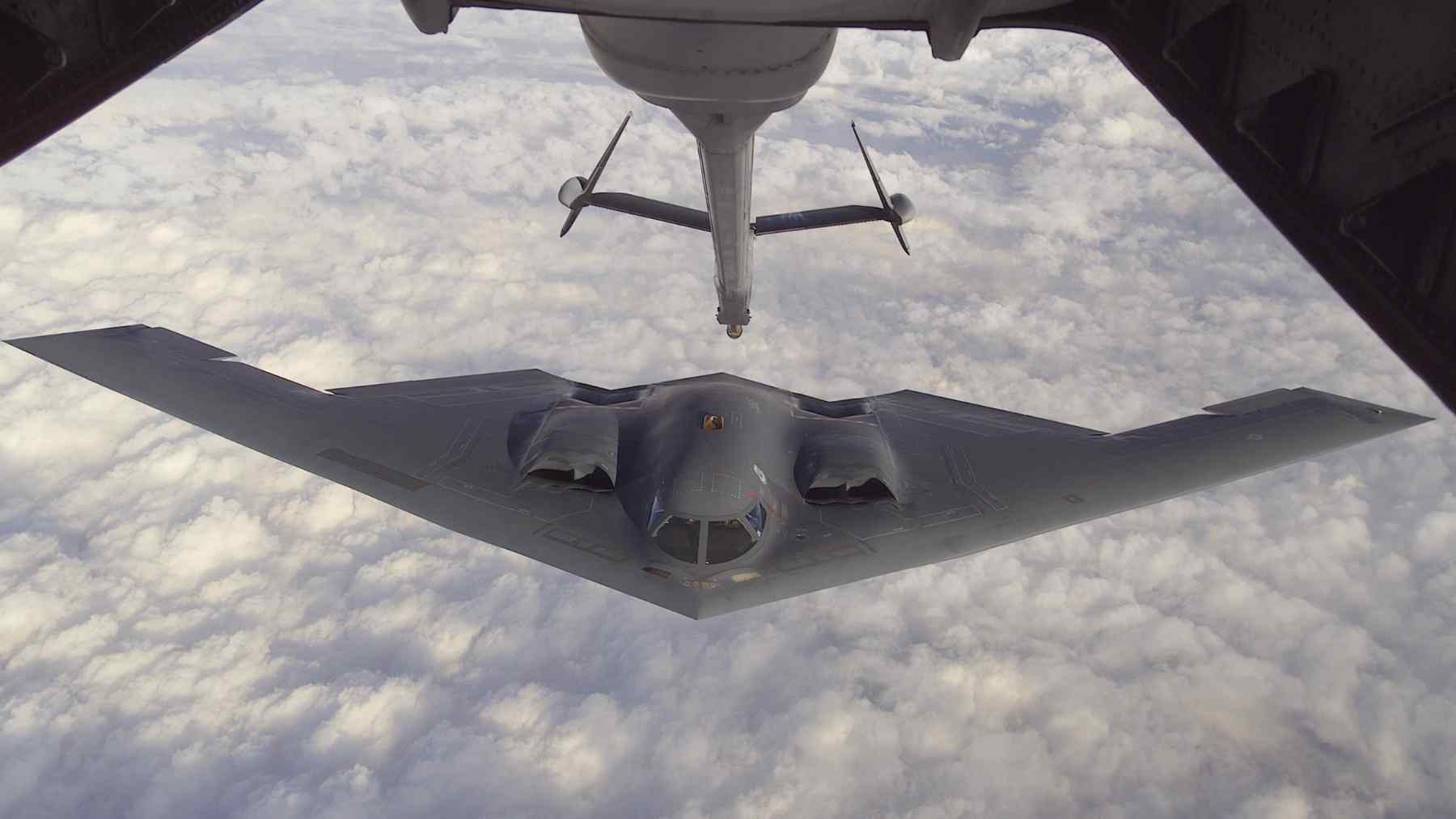
On February 24, a U.S. B-2 Spirit stealth bomber from the 509th Bomb Wing joined fighters from Carrier Air Wing 11 for a long-range maritime strike exercise off the coast of California. The drill linked the bomber with F-35C and F/A-18E Super Hornet jets armed with the new AIM-174B “Gunslinger” missile, creating a network of sensors and shooters spread across hundreds of miles at sea.
Defense analyst Steve Balestrieri, writing for 19FortyFive, notes that this kind of team-up is aimed squarely at future conflicts with major powers, especially in the Indo-Pacific. The idea is simple enough to picture even if you are far from any ocean, since what happens in those busy shipping lanes can ripple into the phones, fuel, and food that show up in daily life.
Stealth bomber meets carrier air wing
In this latest exercise, fighters from Theodore Roosevelt Carrier Strike Group trained alongside at least one B-2 flying from Whiteman Air Force Base in a scenario built around long-range maritime strike. According to public reporting based on an official announcement, the combined force rehearsed how to find and hit high value targets at sea while staying outside enemy engagement zones.
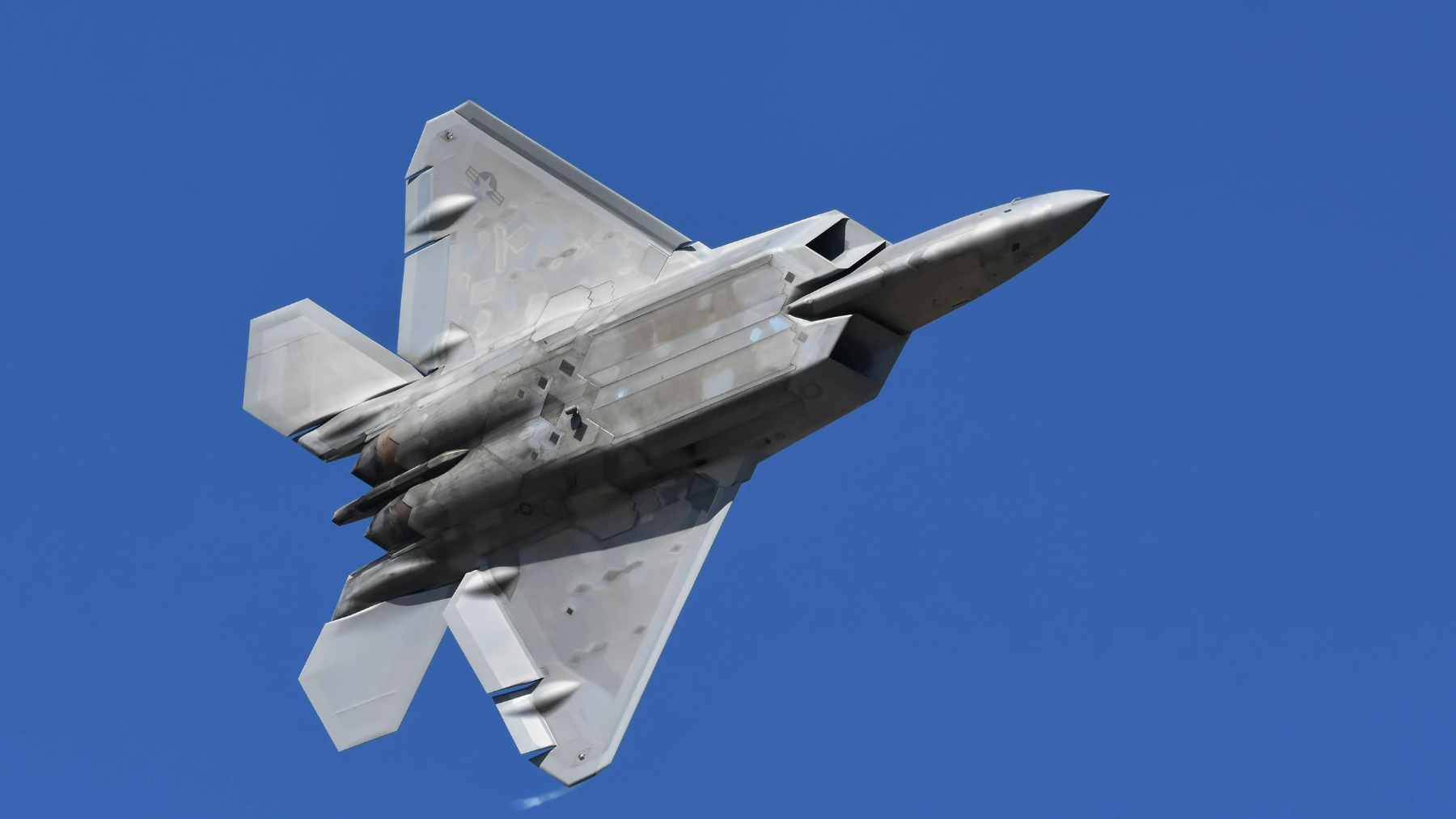
The B-2 Spirit is the only operational strategic stealth bomber in the world, designed to slip through advanced air defenses and deliver both conventional and nuclear weapons anywhere on the globe. Its flying wing shape and radar absorbing materials make it hard to spot, and its range lets it reach distant targets with just a few refueling stops instead of a long chain of shorter legs.
What the AIM-174B Gunslinger brings to the fight
The AIM-174B Gunslinger is the U.S. Navy’s newest very long range air to air missile, adapted from the Standard Missile 6 that normally launches from ships. It is carried by F/A-18E and F Super Hornets and, according to open reporting, can reach well over 150 miles with a large high explosive warhead guided by radar.
In a Proceedings article, Vice Adm. Daniel Cheever, who leads Naval Air Forces, wrote that Gunslinger gives Super Hornets the ability to “out stick” enemy fighters and still operate inside threatening weapons zones. In practical terms, that means carrier based jets can push their defensive bubble much farther out, protecting the carrier group while the B-2 goes after more heavily defended command and surveillance aircraft.
For the United States, this kind of reach matters as China fields more capable bombers, fighters, and anti ship missiles in the wider Indo-Pacific region. Cheever has warned that by 2075 Chinese carrier forces could rival the U.S. Navy in numbers, and that threats from the seabed to space will only grow more complex. Exercises like this one are meant to keep the joint force a step ahead rather than playing catch up.
Quicksink and a new style of anti ship strike
The same B-2 community is also at the center of QUICKSINK, a program run by the Air Force Research Laboratory that turns standard guided bombs into ship killing weapons. AFRL describes QUICKSINK as a low cost, air delivered way to defeat surface vessels by fitting Joint Direct Attack Munitions with smart seekers that can home in on moving ships.
In September 2025, a B-2 teamed with F-35 fighters from the Royal Norwegian Air Force to sink a target ship in the Norwegian Sea with QUICKSINK, proving that the bomber could play a frontline anti ship role. Now, combining that experience with Gunslinger armed carrier fighters creates a layered “kill web” where different aircraft share data and strike from multiple angles.
At the end of the day, this is about making sure U.S. forces can still protect sea lanes and allies even if a conflict stretches weapons stockpiles and keeps ships and aircraft under constant threat. For someone watching from shore, it may simply look like another set of jets passing overhead, but the tactics and technology they are practicing could decide how secure global trade feels decades from now. The main official announcement of this exercise has been published by Whiteman Air Force Base.