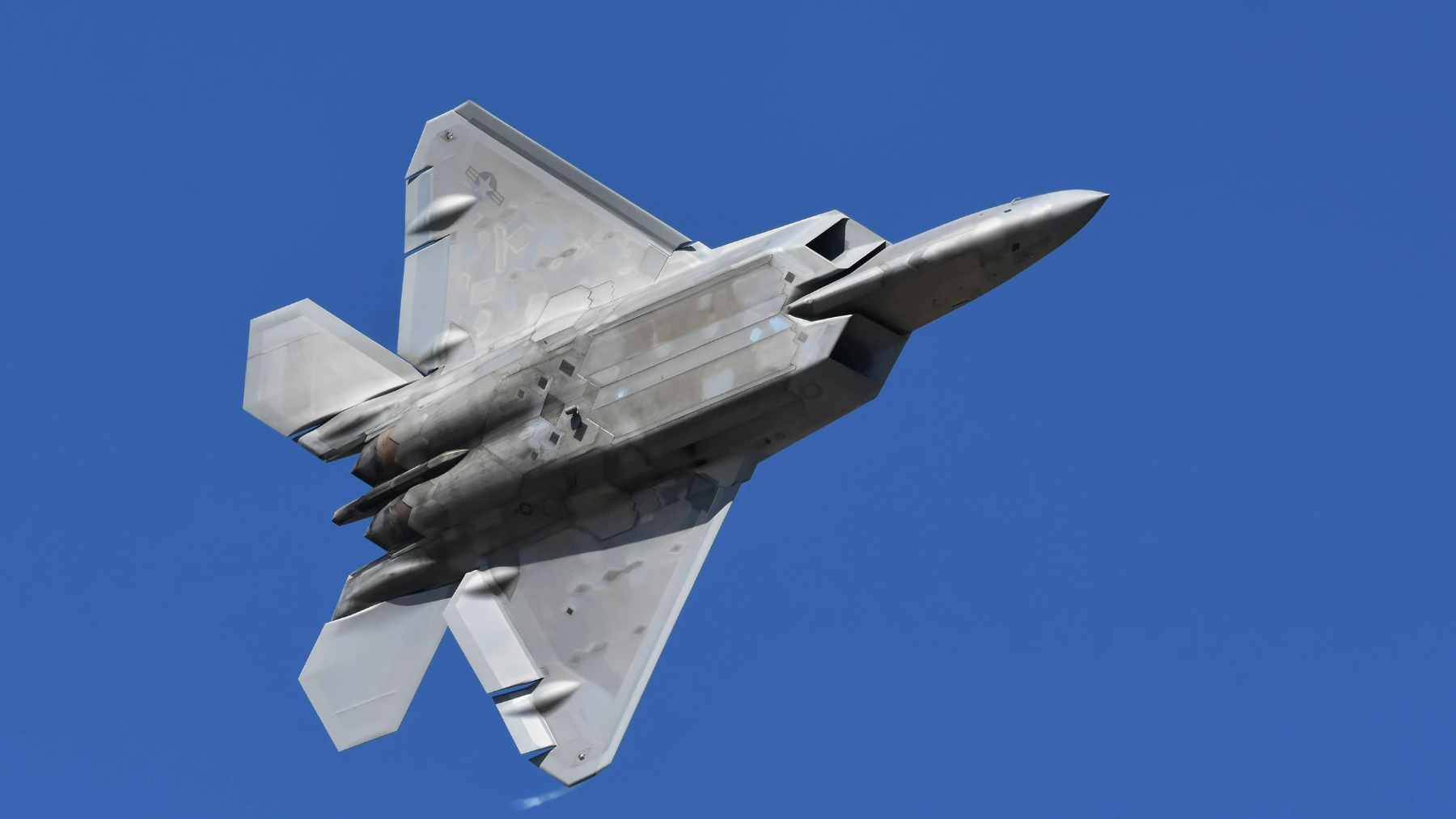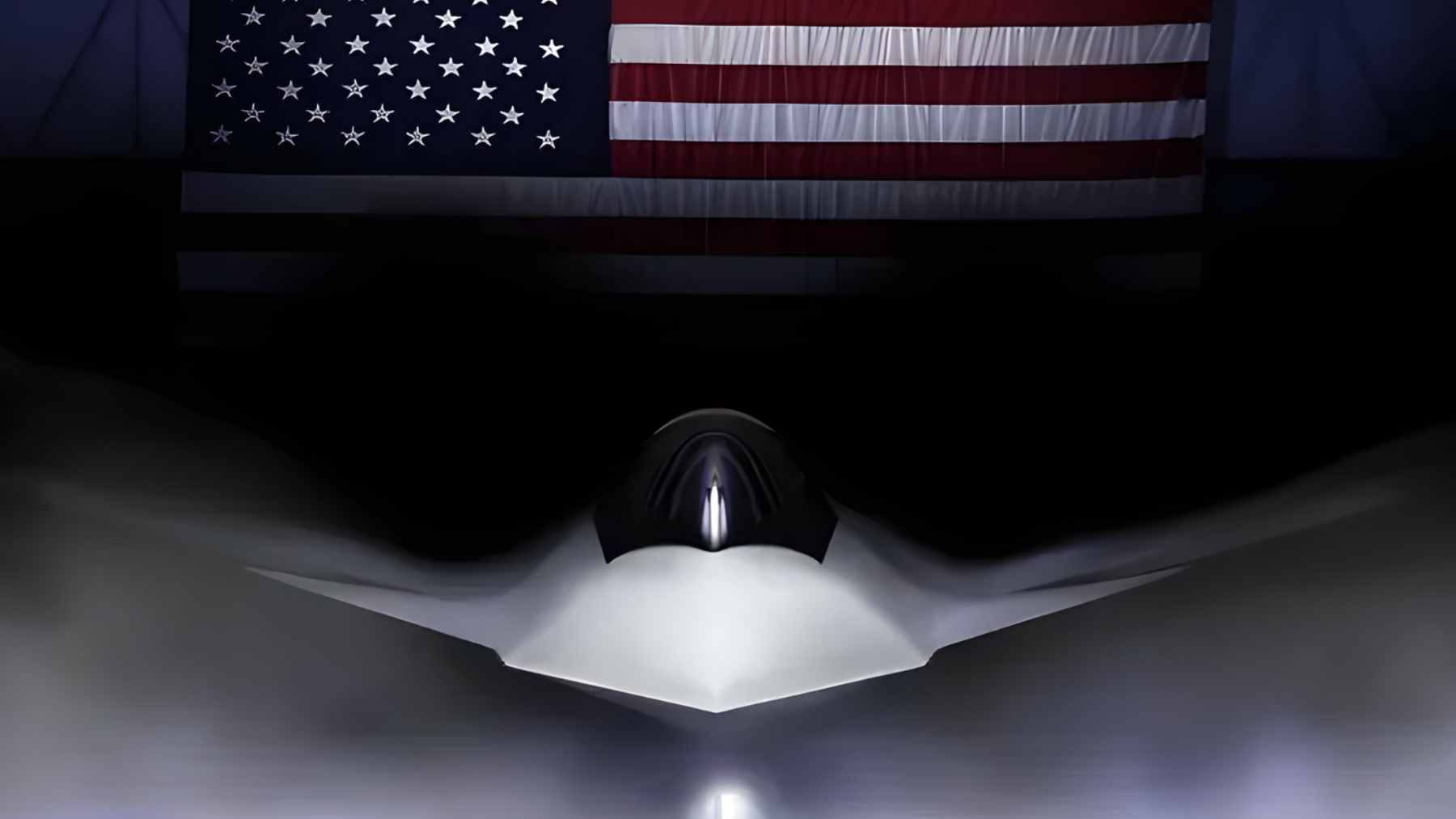
The U.S. Air Force says its new F-47 sixth generation fighter jet is still on schedule to make its first flight within two years and debut in 2028. Designed to take over the air superiority role from the F-22, the jet is built to operate across long distances in high threat environments.
Speaking on February 25 at AFA’s Warfare Symposium, senior acquisition official Dale White told reporters the project remains “on time and on target.” As reported by Martin Chomsky of Defence Industry Europe, White said Boeing is preparing the first F-47 airframe after winning the contract in March 2025.
Schedule, first flight, and Boeing’s progress
Then Chief of Staff David W. Allvin first set the goal of a 2028 first flight in September 2025, when the F-47 program was on the drawing board.
Half a year later, White said the schedule has not slipped and that the team is “doing exceptionally well” at hitting major milestones, helped by earlier Next Generation Air Dominance prototype work.
Boeing is under pressure in its commercial aviation business and on its KC-46 Pegasus tanker, yet White said the company has invested heavily in the F-47. He praised the contractor for “a really good job of ramping up the personnel piece,” adding that the first airframe is already in production as engineers and technicians join the line.
What a sixth generation fighter is supposed to deliver
So what sets the F-47 apart from today’s fighters? The Air Force plans for a combat radius of more than 1,000 nautical miles and speeds above Mach 2, meaning the jet should be able to reach distant targets and return without refueling.
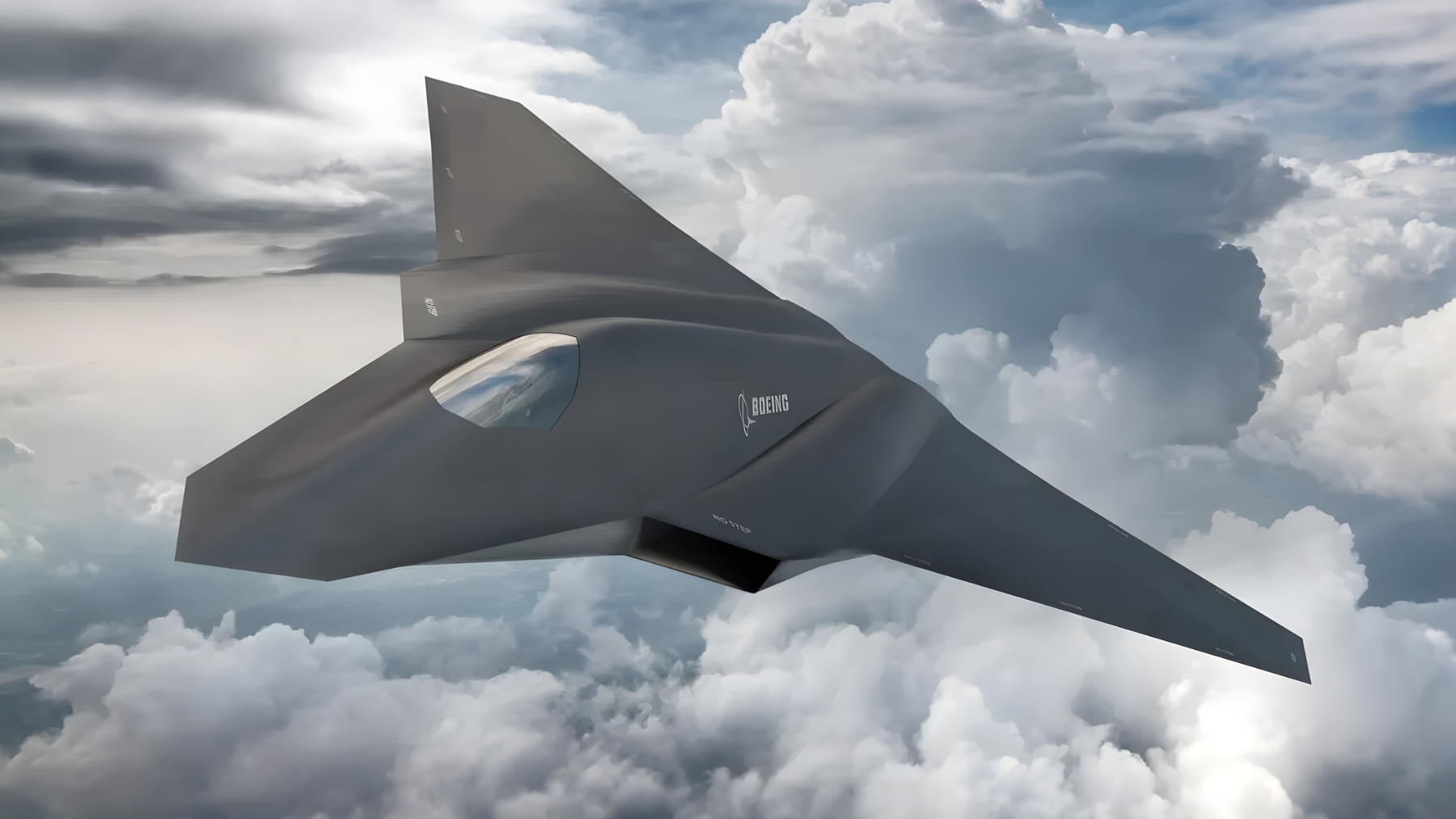
Combat radius is the distance a warplane can fly from its base to the fight and back while still keeping a safety margin for emergencies.
The service aims to buy more than 185 F-47s to at least match its current F-22 fleet, and the new jet’s projected combat radius would be nearly double that of the older aircraft.
To a large extent that extra reach is expected to matter in future conflicts that play out over large distances, where crews might have to cross long stretches of ocean instead of flying short patrols close to home.
The main report has been published by Defence Industry Europe.