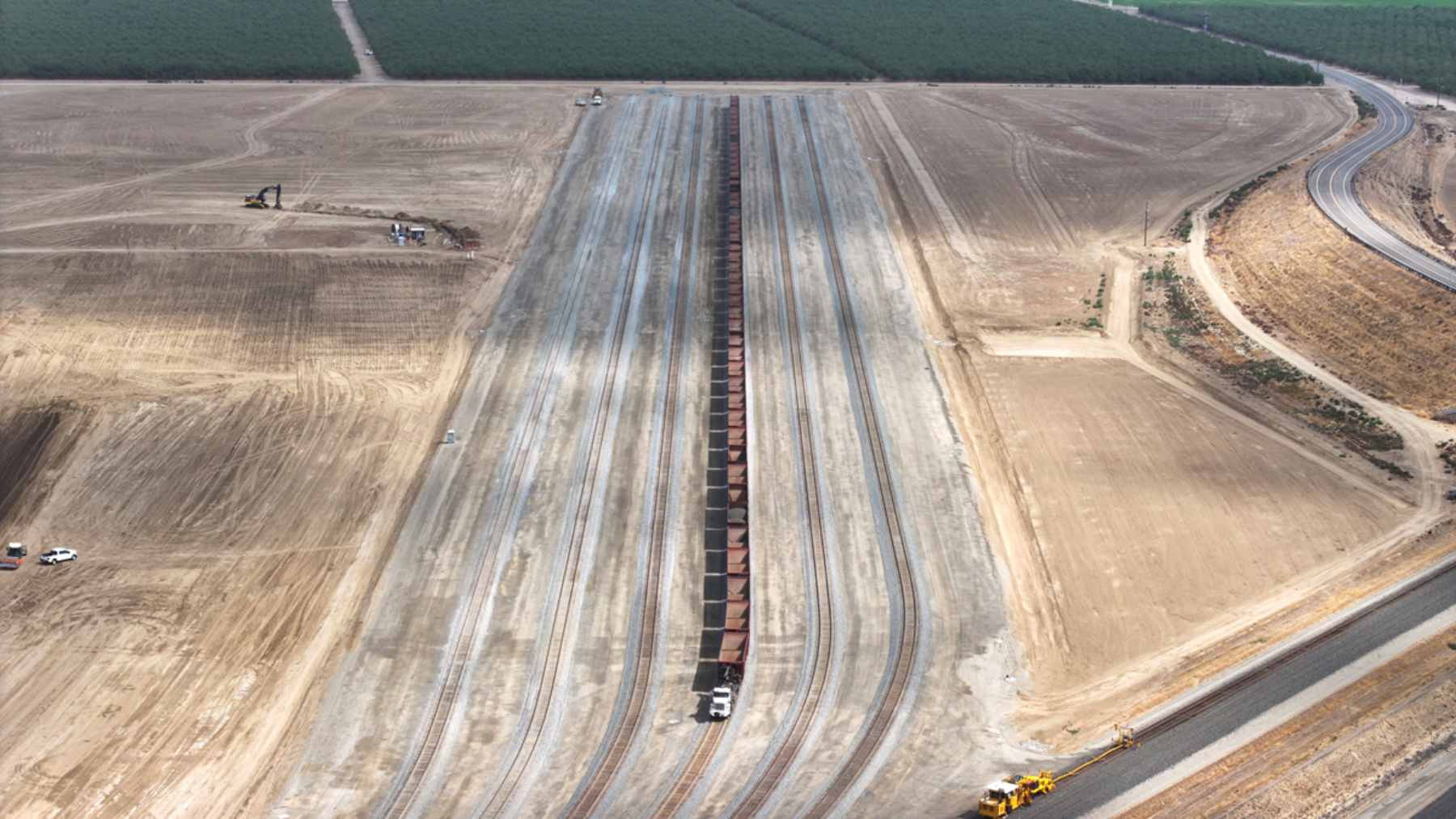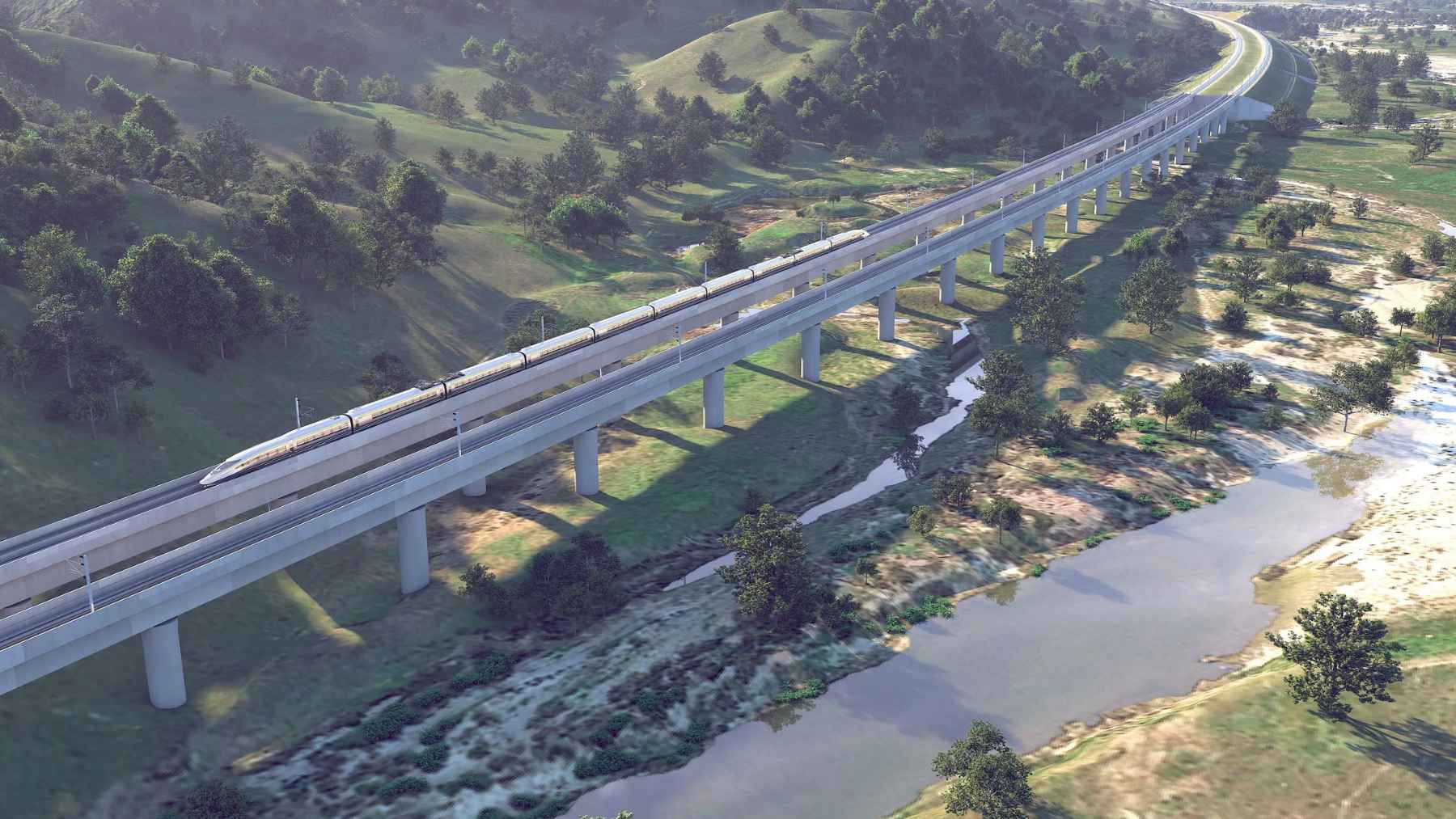
California’s long-running high-speed rail effort has hit a practical milestone with a 150-acre logistics hub in Kern County that will finally let crews start receiving and staging the steel, concrete, and electrical gear needed to lay track. This is not a ribbon cutting detail. It is the point where climate promises start getting tested in real procurement, trucking miles avoided, and kilowatt-hours delivered.
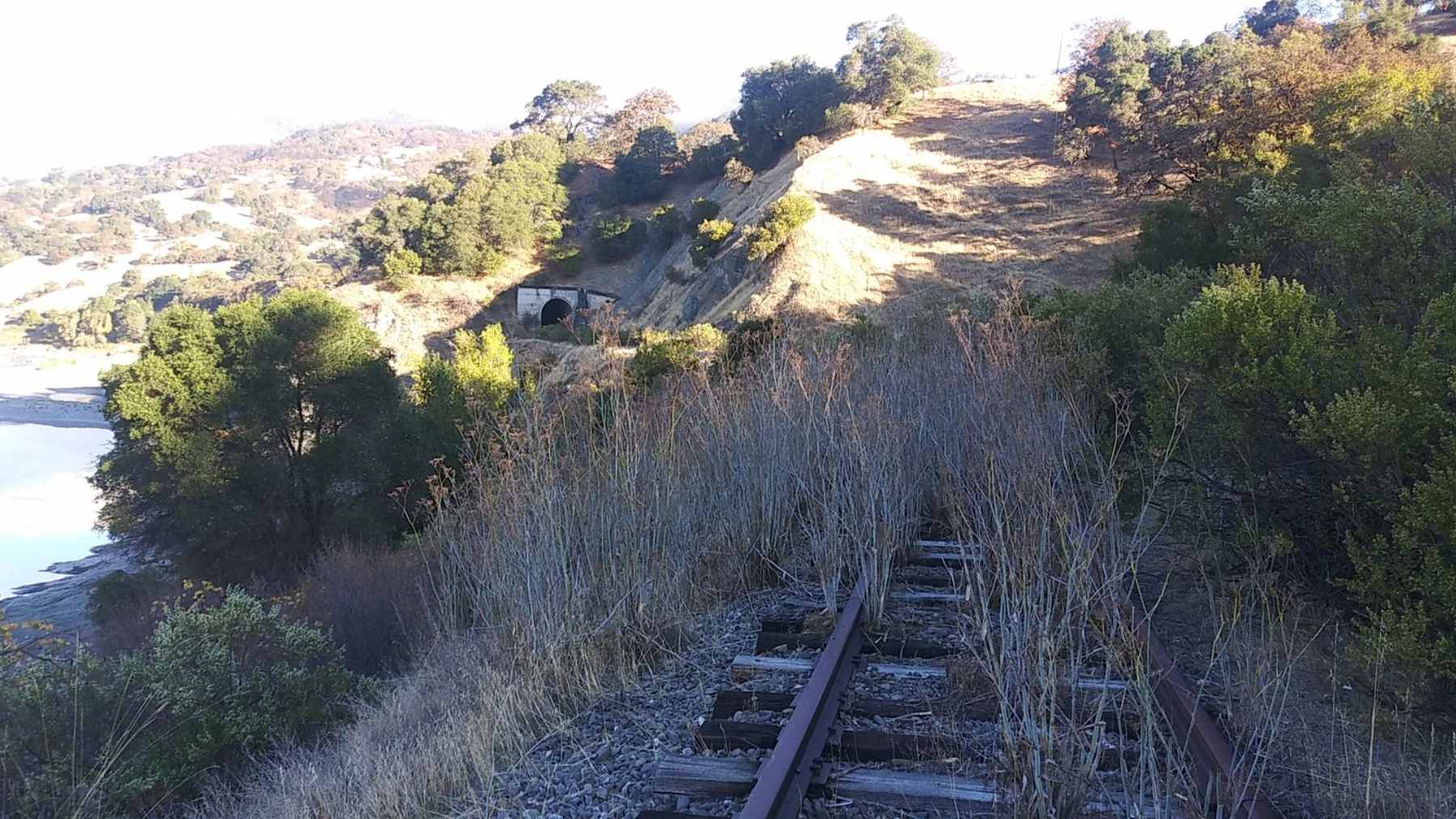
State officials say the “Southern Railhead Facility” near Wasco is now complete, with track installation expected to follow and materials deliveries ramping up through the Central Valley build corridor. Critics still see a $135 billion cautionary tale.
Supporters see a rare US-scale chance to replace millions of freeway miles with electrified rail, and that is exactly why this new yard matters.
A railhead is a climate tool, not just a depot
A railhead is basically where heavy construction becomes a steady pipeline instead of a daily scramble. By connecting the site directly to the national freight network, the project can move bulk materials by train and limit how much depends on long convoys of diesel trucks.
In practical terms, that means fewer traffic headaches on rural roads and less local air pollution near active work zones.
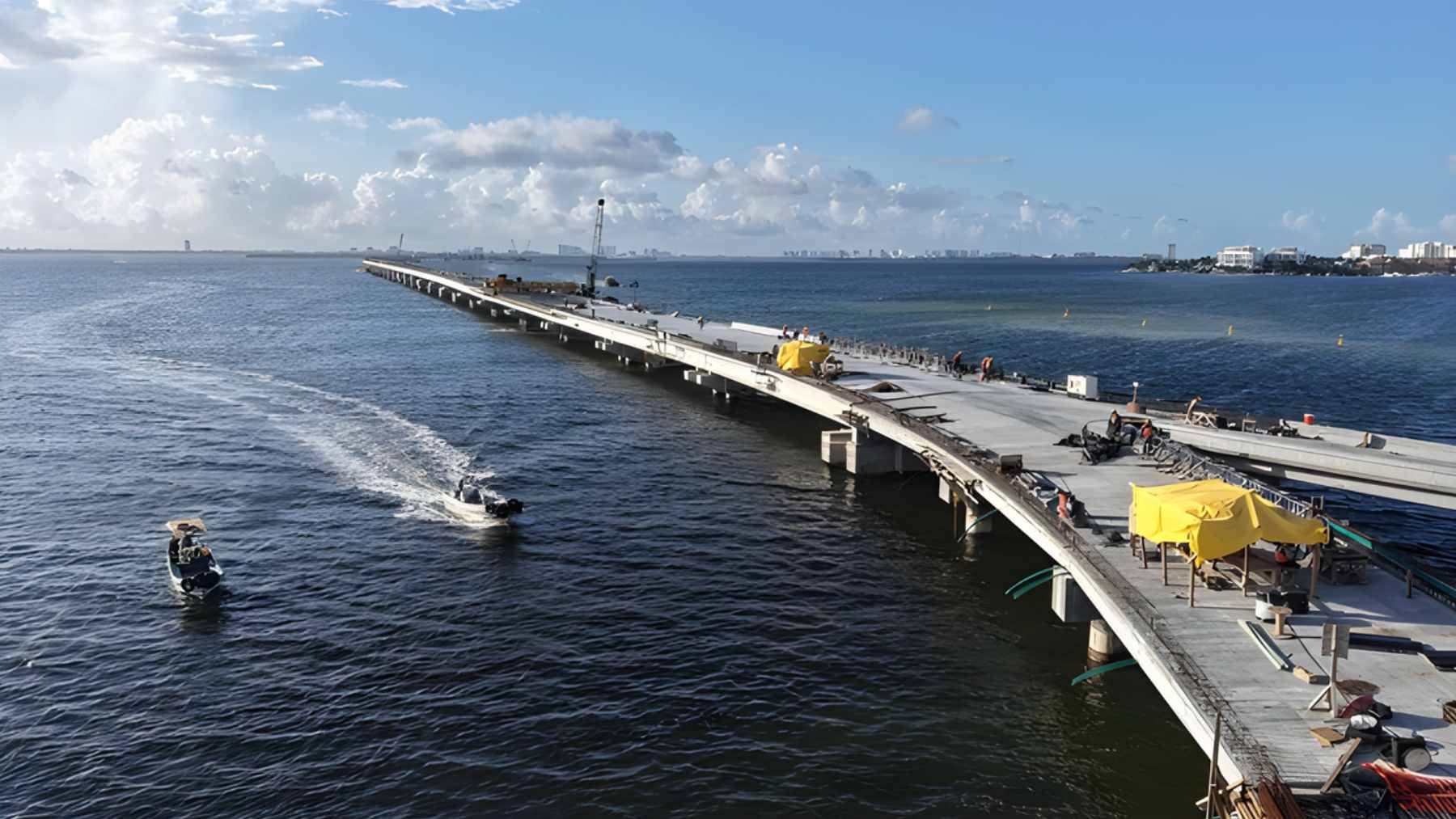
The new site is built to coordinate traffic, store supplies, and feed multiple construction fronts as the state pushes toward an initial operating segment between Bakersfield and Merced. It also creates a clearer line of accountability. If deliveries slip, it is easier to see whether the bottleneck is supply, scheduling, or onsite handling.
The real emissions battle is in concrete, steel, and logistics
People often think the climate story starts when passengers board the first train. Not quite. For the most part, the carbon math starts earlier, because major rail projects burn emissions upfront through concrete, steel, and heavy equipment, and peer-reviewed work on construction footprints has shown how dominant material production can be in rail infrastructure emissions.
That is why details like sourcing, transport distances, and material specifications matter more than they sound at first glance. A life-cycle study of California’s planned high-speed rail infrastructure found that emissions are heavily influenced by how cement and steel are produced and moved, with transportation playing a meaningful role as well.
That is not a reason to stop, but it is a reason to watch how procurement is done and where suppliers are located.
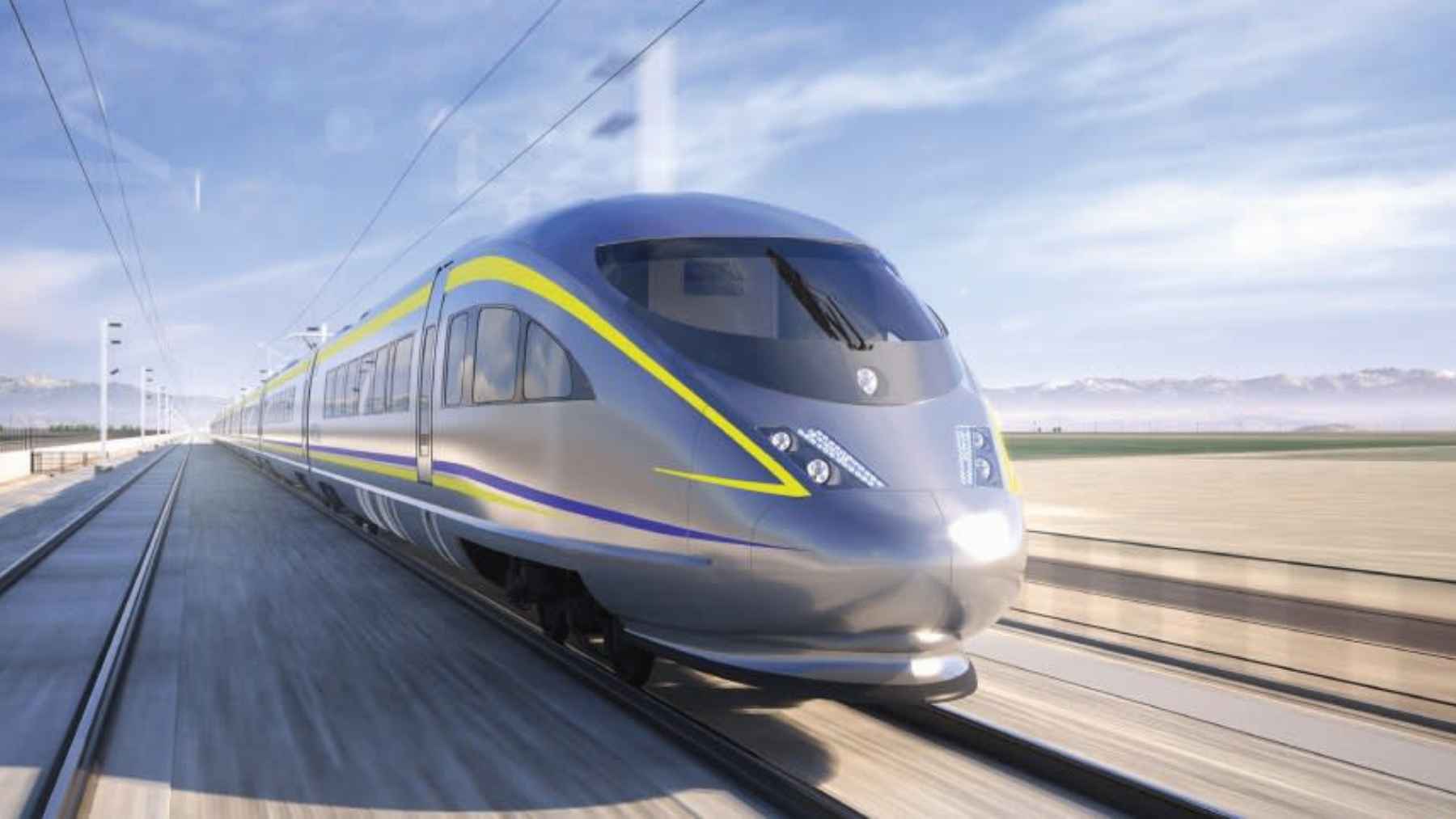
Once trains run, the picture can improve sharply, especially if electricity is clean and ridership is strong. The Authority says the system is designed to operate on “100 percent renewable energy”, which is the kind of claim that makes a real difference if it is delivered at scale. And since transportation remains the largest source of US greenhouse gas emissions, any credible shift away from car-only travel is hard to ignore.
Jobs, vendors, and the supply chain story
The railhead also tells a business story that is easy to miss if you only look at the headline cost. California says the project’s Central Valley construction has supported thousands of jobs and steered most contract spending toward in-state firms, which is one reason local leaders keep treating it as an economic anchor.
Big infrastructure is never just one project, it is a chain of suppliers, small contractors, and specialized trades that live or die on predictable work.
That is also why political whiplash can get expensive fast. A funding freeze or a contract dispute does not just slow a schedule, it can change bids, strain subcontractors, and raise costs the next time the state tries to hire.
If you want a recent reminder of how quickly transit money can turn into a national fight, look at what happened when transit funding became a legal and political battleground in Chicago.
Cybersecurity and resilience are now climate issues
There is a second, quieter reality behind modern rail. It is a digital system, full of signaling, communications, and power equipment that has to work safely every day, even during extreme heat, wildfire smoke, or floods. So the climate angle is not just emissions, it is reliability, and the technology choices that determine whether a system keeps running when conditions get ugly.
That is why federal agencies treat transportation as critical infrastructure, and why cybersecurity is now part of the same resilience conversation. CISA’s work on the Transportation Systems Sector and the federal government’s ongoing ratification and extension of rail cybersecurity requirements under TSA security directives show how seriously that risk is being framed.
On the engineering side, the rail industry is also borrowing ideas from other infrastructure that is being redesigned for shocks. If you have ever been stuck in a detour after a bridge closure, you already know how one failure can ripple across a city. That is part of why experiments like self-centering bridge designs are getting attention.
The cost debate is not going away
None of this erases the sticker shock. The Authority’s own planning documents still show a wide range of costs and timelines, and skeptics argue the state has not proven it can deliver the full system envisioned back in 2008. Supporters counter that building big infrastructure in the US has become so hard that canceling midstream often wastes what has already been spent.
So what should readers watch. One marker is whether the project can move from civil structures to actual rail systems work, because that is when a railroad starts to look like a railroad.
The Authority has signaled next steps through the Track and Systems Construction Contract, which is where electrification, train control, and testing become the real story.
Another marker is whether California can hold together the energy side of the promise. Electrified rail only looks as green as the power feeding it, and big grid ambitions can get complicated once new transmission or long-distance links enter the conversation. Europe is learning that lesson in real time with projects like the submarine cable proposals now being debated across borders.
What readers should watch next
The simplest question is also the most revealing. Can California turn this logistics milestone into continuous track progress without another spiral of delays. If the answer is yes, it strengthens the case that the state can deliver a clean transportation alternative that feels normal and convenient, not theoretical.
If the answer is no, the climate upside stays stuck in planning documents while drivers keep paying the electric bill at home and the gasoline bill on the road. That is the tension at the heart of this story, and it is why the next construction season matters so much.
The draft business plan was published on California High-Speed Rail Authority.