Imagine going to bed knowing a train journey to a nearby city will swallow most of your day, and waking up to find the same trip fits neatly between breakfast and lunch.
That is what happened in the southeastern city of Longyan, where an overnight rail project cut travel time to the city of Nanping from around seven hours to about ninety minutes.
The upgrade relied on a tightly choreographed nine hour construction window and a workforce of roughly one thousand five hundred people, supported by seven work trains and twenty three excavators.
The operation actually took place back in January 2018, although it is drawing fresh attention today as videos and explainers circulate online. According to the official account, crews started at six thirty in the evening and finished by three in the morning.
In that short span, they ripped out old tracks, laid new ones, installed switches and connected a newly built high speed line to three existing routes that already passed through Longyan.
What really happened in those nine hours
Despite some viral claims, workers did not build an entire two hundred plus kilometer high speed railway from scratch in a single night.
They executed a complex station and junction upgrade that allowed the new Nanping–Longyan railway to tie into the existing regional network.
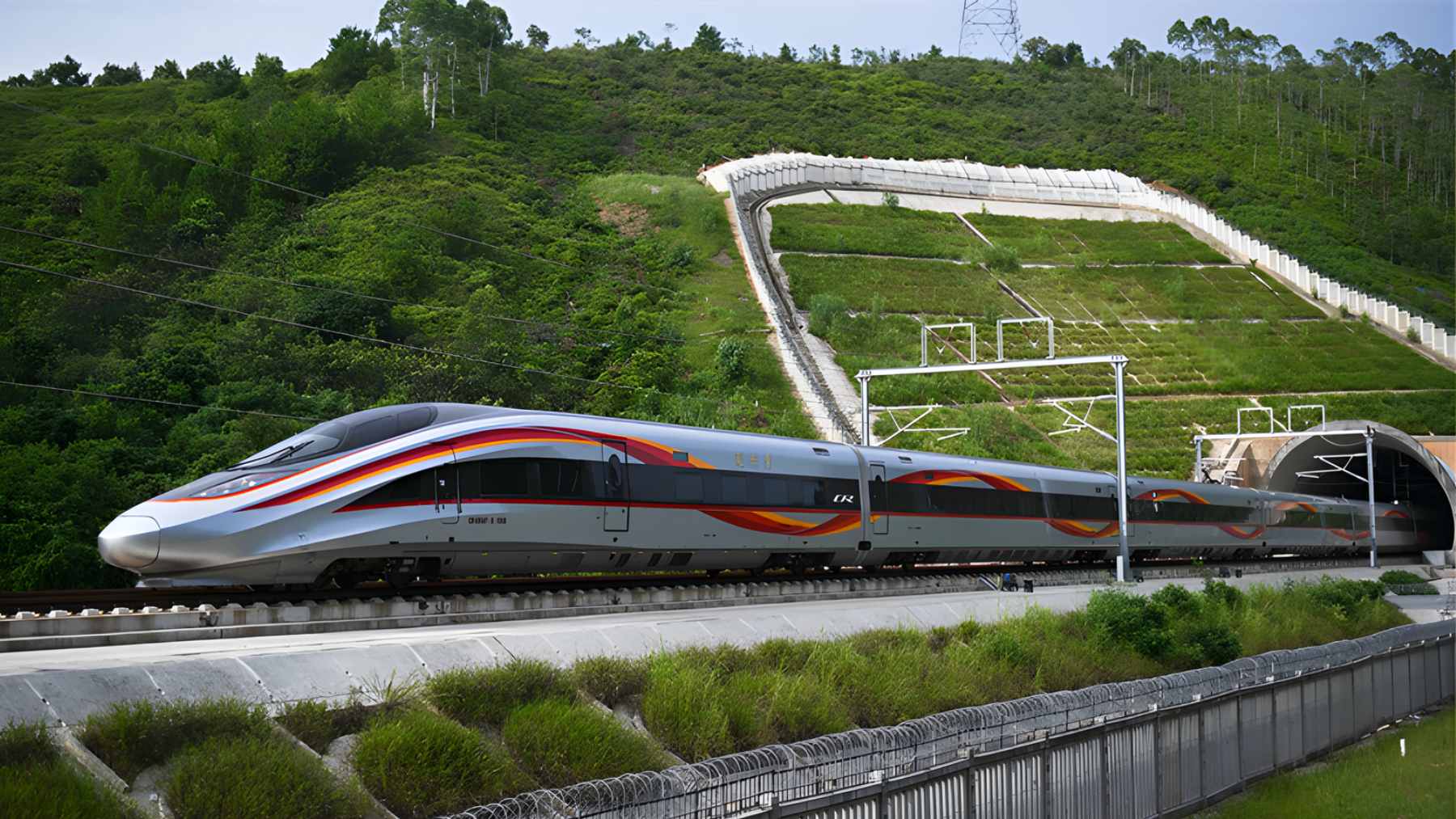
The line itself is roughly two hundred forty six kilometers long and designed for trains running at up to two hundred kilometers per hour, which is fast enough to bring Longyan and Nanping within an hour and a half of each other once the full route is in service.
On the ground, the work was split into seven coordinated zones. Each zone had teams handling signaling, control systems and monitoring equipment, while others focused on digging out old ballast, positioning new track and restoring concrete and asphalt so passenger services could resume on schedule.
Reports describe a kind of moving logistics chain, with machinery and materials flowing continuously instead of stopping and starting.
Short window operations and everyday commuters
Why squeeze all of this into a single night instead of shutting the station for days. Longyan is home to more than two point six million residents, many of whom rely on trains for commuting and regional trips.
Close the junction for a long stretch and you push thousands of people back into cars and buses, clogging roads and driving up fuel use. Engineers in China have become known for these intense “short window operations” where months of planning aim to keep real world disruption as small as a missed late night train.
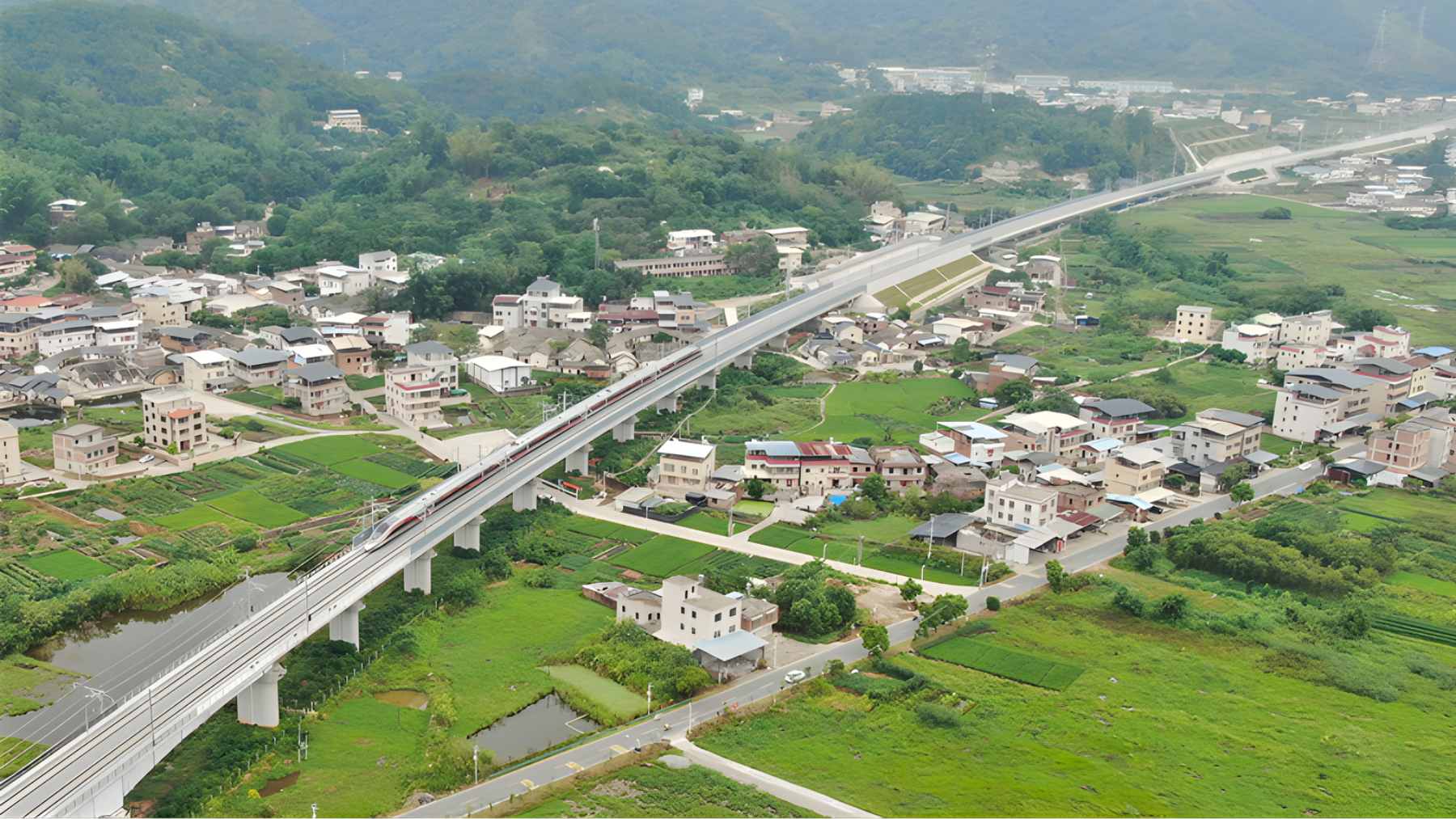
Once the Nanping–Longyan line opened at the end of 2018, it offered a faster electric alternative to slower conventional trains and long highway journeys through mountainous western Fujian. Official statements highlighted how the route would better link less developed parts of the province with major hubs such as Beijing, Shanghai and Guangdong.
Climate and tech context behind the headline
There is also a quieter climate story behind the dramatic footage. Globally, studies show that shifting medium length trips from cars and planes to rail can cut per passenger emissions by something like eighty percent in many cases, especially when trains are electric and well used.
High speed and higher capacity rail lines can move far more people in the space of a single highway lane, which helps cities grow without simply adding more traffic and exhaust to the morning rush.
Of course, building long distance rail is not free for the climate. Construction itself carries a noticeable carbon footprint, and benefits depend on how clean the electricity grid is over the decades that follow.
For the most part though, researchers find that well used electrified rail corridors pay back that initial carbon cost and then keep shaving emissions compared with car dependent travel. That is the long game behind feats like Longyan’s overnight rebuild.
For passengers, the experience is much simpler. One morning the timetable looks familiar. Soon after, that same sheet of departure times hides a major change in daily life, turning a once exhausting seven hour slog into a ninety minute ride that fits easily between school drop off and an afternoon meeting.
The official report was published on Xinhua News.