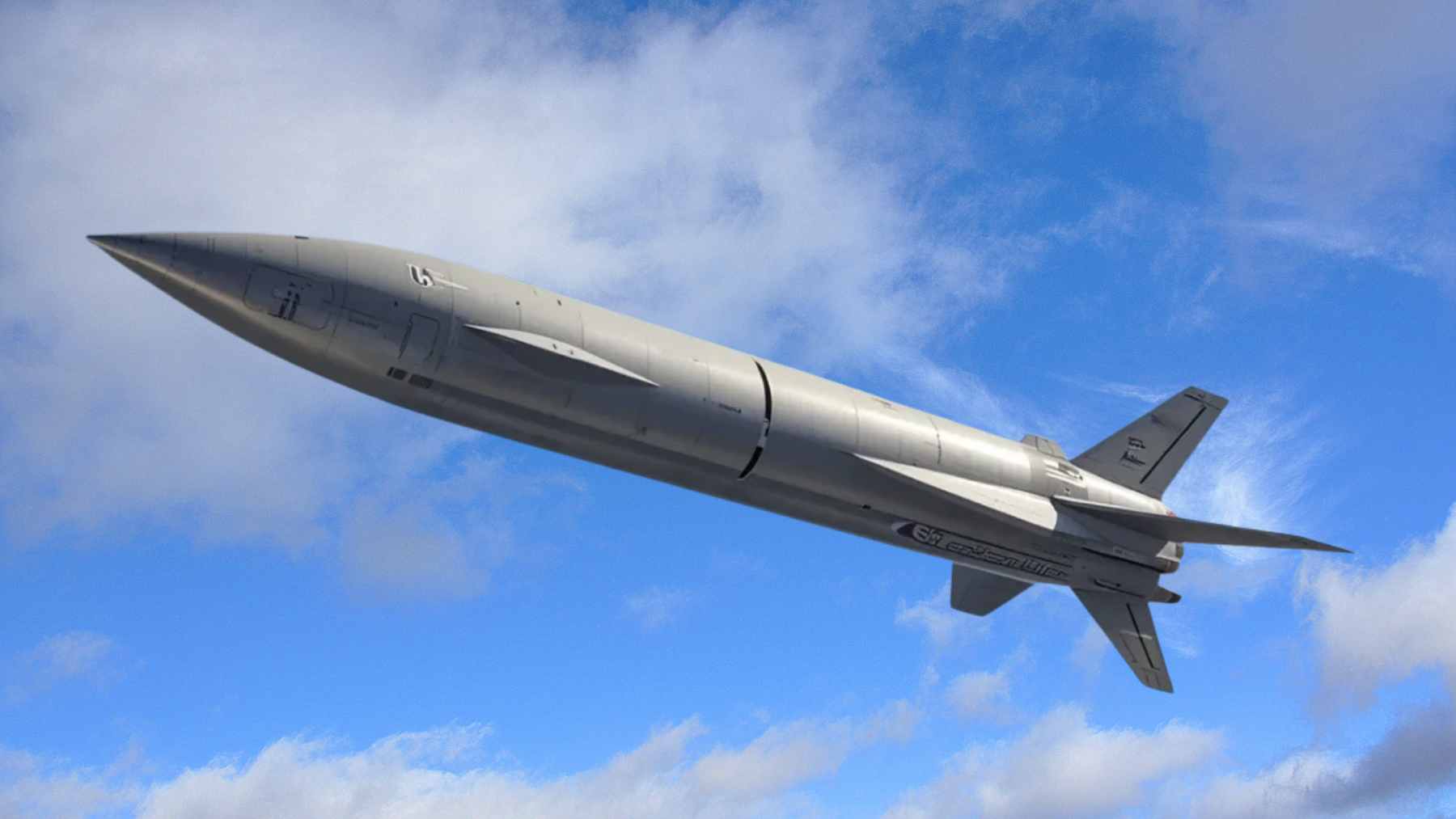
Europe just moved a notch closer to fielding its own hypersonic weapons. An Anglo German startup, Hypersonica, has carried out what is billed as the continent’s first privately developed hypersonic missile test, reaching speeds above Mach 6 during a flight over northern Norway and feeding into a wider push for military independence from the United States.
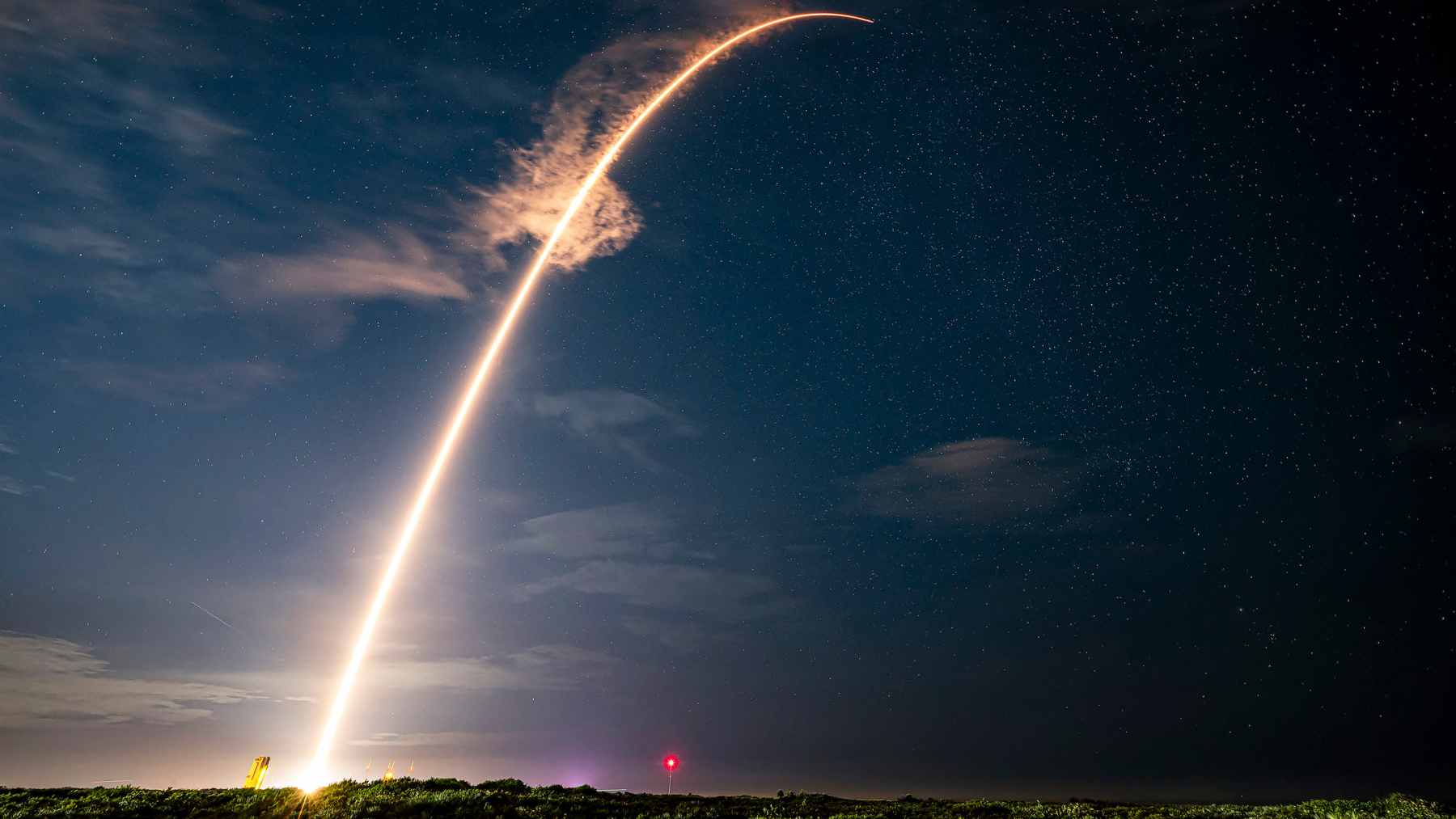
The prototype lifted off from Andøya Space in early February, accelerated to more than seven thousand four hundred kilometers per hour, and flew more than three hundred kilometers while all systems operated nominally, according to company and media reports.
The test comes barely nine months after the design phase began, a development tempo that would make many traditional defense programs look slow by comparison.
Inside a record breaking Norwegian flight
For a region that has long relied on imported hardware, the test is symbolically big. Europe has seen its dependence on US made systems grow sharply in recent years, especially since Russia’s full scale invasion of Ukraine.
Hypersonica says its modular architecture lets engineers swap components quickly and run development cycles measured in months instead of years, which it claims can cut costs by more than eighty percent versus conventional defense programs.
The Munich based company, which also has a subsidiary in London, employs around fifty people and was founded in late 2023 by former Oxford researchers. Its goal is clear enough for any European taxpayer reading the headlines between grocery runs.
Hypersonica wants an operational hypersonic strike system in service by 2029, aligned with frameworks from NATO and the United Kingdom that look toward hypersonic capabilities by 2030.
In a statement after the flight, the co founders called the launch “a major milestone on our pathway to developing Europe’s first sovereign hypersonic strike capability by 2029.”
Why hypersonic missiles are so tricky
Hypersonic weapons are usually defined as vehicles that travel at more than five times the speed of sound while staying inside the atmosphere and remaining maneuverable. At those speeds, the air around the missile compresses and heats up dramatically, turning the vehicle’s skin into something like the inside of an oven.
Managing that heat, keeping guidance sensors working, and steering precisely at thousands of kilometers per hour are the core technical headaches.
In practical terms, that means materials that can survive searing temperatures, electronics that keep working while being baked, and control systems that can still nudge the missile around even as shock waves form along the nose and wings.
So when a small team proves that a prototype can pass Mach 6, stay stable, and return usable data, it is not just a flashy speed record. It is a proof of concept that the basic physics and engineering stack can hold together.
From Oreshnik to European autonomy
The timing of this test is not accidental. Since late 2024, Russian forces have twice used their new Oreshnik hypersonic missile against Ukraine, including a January strike on critical infrastructure in the Lviv region near the Polish border, and have deployed the system to Belarus.
The weapon can reportedly carry either conventional or nuclear warheads and reach targets up to five thousand five hundred kilometers away.
For many officials in Germany and other European capitals, those launches were read as a message aimed as much at the continent as at Ukraine. At the same time, arms imports from the United States to Europe more than tripled between 2020 and 2024 compared with the previous five year period, according to SIPRI data cited by European media.
For the first time in two decades, Europe took the largest share of US arms exports, rising from thirteen percent to thirty five percent, with about two thirds of European NATO purchases coming from US suppliers.
That mix of Russian pressure and reliance on Washington is why Berlin’s decision to sharply increase defense spending matters here too. Germany’s 2026 budget foresees more than one hundred eight billion euros for defense and the government plans to raise spending to three and a half percent of GDP by 2029. Those are not abstract numbers.
They show up in budget debates, tax discussions, and arguments over what else might have been funded instead.
A crowded European hypersonic race
Hypersonica is not alone. France has been working for years on its ASN4G air launched nuclear missile concept, intended as a next generation component of its airborne deterrent.
In 2024, the United Kingdom launched a seven year framework worth around one billion pounds to develop hypersonic technologies and related defenses, overseen by the UK Ministry of Defence.
On the defensive side, the 2026 work programme of the European Defence Fund sets aside one hundred sixty eight million euros specifically for countering hypersonic glide vehicles and high end endo atmospheric interception, as recorded in official EU calls for proposals.
The idea is that while some teams race to build hypersonic attackers, others work out how to spot and stop them.
For most people outside the defense world, these numbers can feel remote. Yet they shape the industrial landscape that determines whether future systems are designed and built in Europe or bought abroad.
What comes next for Hypersonica and for citizens
According to information shared by the company, the road to a fully operational missile is broken into four steps. First is achieving sustained hypersonic flight, now checked off.
Next comes demonstrating advanced flight control at those speeds, then more complex maneuvering profiles, and finally proving that the system can meet full mission requirements as an operational strike weapon.
If that sounds like a lot of engineering, it is. Each phase means more test flights, more review meetings, and more debates over what taxpayers should actually fund. At the end of the day, what Europe is trying to do is build a home grown ecosystem that can deliver both high end weapons and the defenses to match, without depending entirely on someone else’s factories.
Whether this first Mach 6 test will one day translate into missiles sitting on European launch rails is still an open question. But for the most part, the trend line is clear.
Between Russian hypersonic launches, record US arms imports, and swelling defense budgets, the pressure to develop and field sovereign systems is only growing.
The official press release was published on Hypersonica.