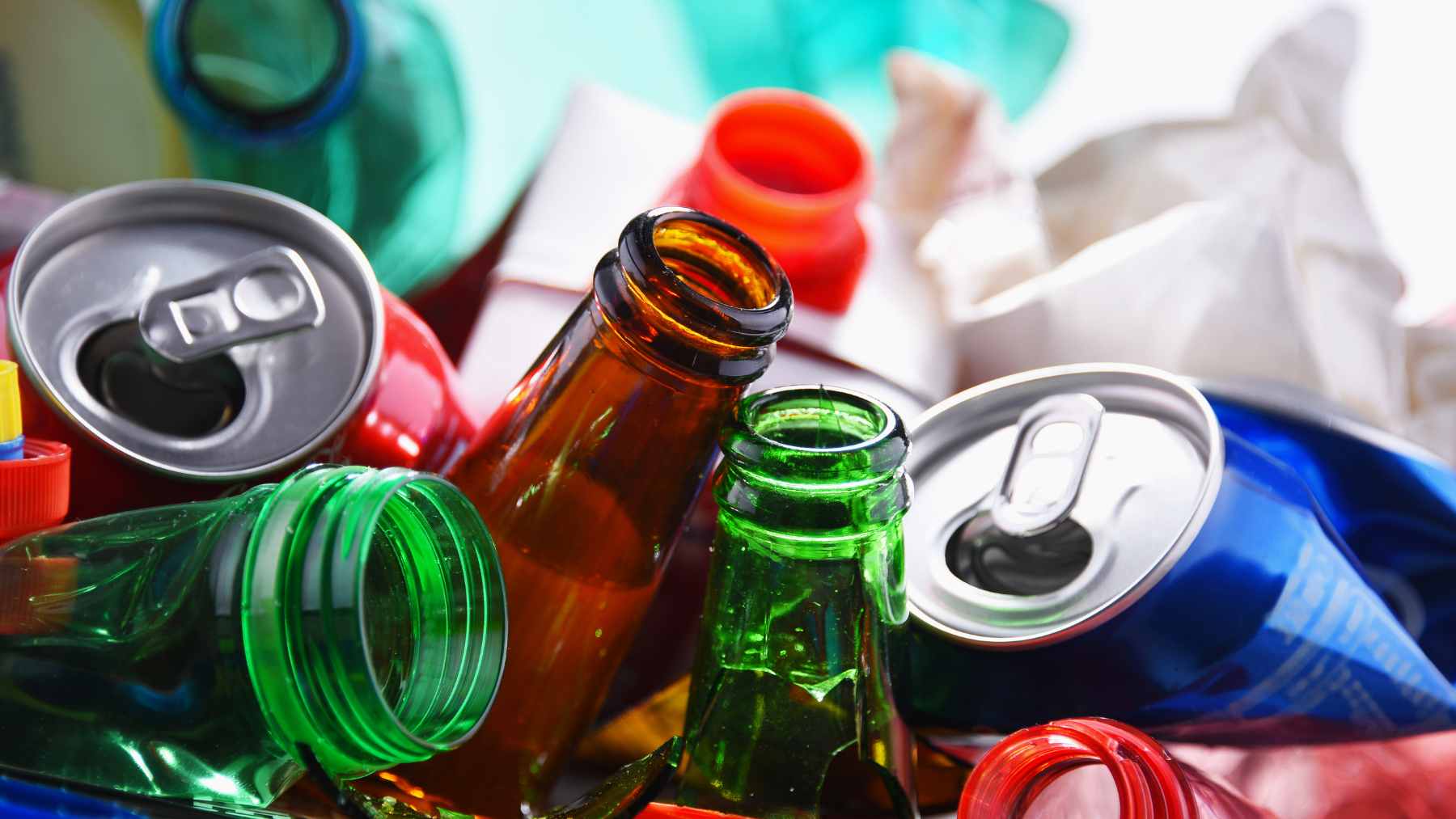
If you have ever lugged a trash bag full of cans back to the grocery store to shave a few dollars off the receipt, you know the drill. In Connecticut, that simple routine is now at the heart of a legal fight that could leave some people with fines of up to 2,000 dollars instead of a stack of dimes.
Lawmakers have approved an emergency bill that sharply raises penalties for anyone caught redeeming out‑of‑state bottles and cans under the state’s popular deposit return program. The measure targets people who drive in from neighboring states to cash in on Connecticut’s ten cent deposit, even though they bought the drinks somewhere else.
How a ten cent deposit turned into a cross‑border magnet
Connecticut’s bottle bill dates back to 1980 and was recently overhauled to cover more types of beverages and to double the deposit from five to ten cents per container starting in 2024.
State data show that returns climbed after the increase, with more than 194 million bottles and cans redeemed in the first quarter of 2024 and redemption rates rising to about 53 percent.
On paper, that looks like an environmental win. More containers back to the system, less plastic and aluminum left in parks and on roadsides. In real life, something else happened.
Because nearby states such as New York and Massachusetts still offer only a five cent deposit, or in some cases none at all, Connecticut’s dime became an easy way to double your money on every can.
Reports describe truckloads of empties pouring in from over the border, pushing apparent redemption rates close to 97 percent in some periods and costing beverage distributors millions of dollars in payouts on containers never sold in the state.
For people who genuinely want to recycle, that might sound harmless. The material is getting recycled anyway, right. The trouble is that the deposit system is supposed to balance environmental gains with a workable business model.
When companies are paying out far more in refunds than they ever collected in deposits, the math falls apart.
What the new law actually does
The latest bill, Senate Bill 299, is blunt. It raises the fine for breaking the bottle bill from the current 50 dollar range to between 500 and 750 dollars for a first offense, 750 to 1,000 dollars for a second, and 2,000 dollars plus a class A misdemeanor for a third or later violation. Local police, not just state officials, will be able to enforce those rules.
Redemption centers also move under tighter control. They must shift from simple registration to a license issued by the Connecticut Department of Energy and Environmental Protection and pay a 2,500 dollar application fee.
The law lowers the number of containers one person can redeem before having to show identification and sign paperwork that the bottles were bought in Connecticut, and it caps most people at 4,000 containers a day.
In practical terms, that means the person quietly emptying a few bags after a family barbecue will notice little change. The targets are large hauls that look more like a business than a weekend chore.
Earlier proposals, such as Senate Bill 1115, already aimed to enforce cross‑border bans and restrict centers from accepting containers clearly purchased elsewhere. The new emergency bill builds on that idea and gives it teeth.
Environmental tool or invitation to cheat
Supporters argue that Connecticut’s tougher line is necessary to save a system that, for the most part, works. Deposit laws are one of the simplest ways to keep bottles out of landfills and off beaches. In other so‑called bottle bill states, redemption rates reach as high as the mid‑80 percent range when deposits are strong and enforcement is consistent.
The broader picture matters here. Only ten U.S. states use container deposit programs at all, so each one is effectively an island.
At the same time, at least twelve states, from California to Washington, have banned single‑use plastic bags statewide as part of a wider push to cut trash and carbon emissions linked to making and hauling disposable packaging.
Put together, these efforts show how states are trying to clean up everyday consumption, from the checkout lane to the recycling center. But they also show what happens when policies do not line up across borders.
Who feels the impact on the ground
Redemption center owners who genuinely focus on recycling say they are paying the price for a problem they did not create.
Some warn that new license fees and lower handling payments could squeeze already thin margins and make it harder to keep high‑volume centers open in low income neighborhoods where people rely on bottle refunds for a bit of breathing room on the electric bill.
Lawmakers, for their part, insist that doing nothing is not an option. Industry estimates suggest that cross‑border fraud has already drained more than ten million dollars from Connecticut beverage distributors since the deposit doubled, money that would otherwise support the system or flow back into public funds.
So the state finds itself in a familiar twenty first century bind. Push hard on an environmental incentive, and someone will try to game it. Tighten the screws, and you risk burdening small businesses and everyday recyclers.
What happens next will be a real world test of whether smarter enforcement can keep an ambitious recycling law both fair and financially sustainable without dulling people’s motivation to bring those bags of cans back from the garage.
The bill was published on the official Connecticut General Assembly website.