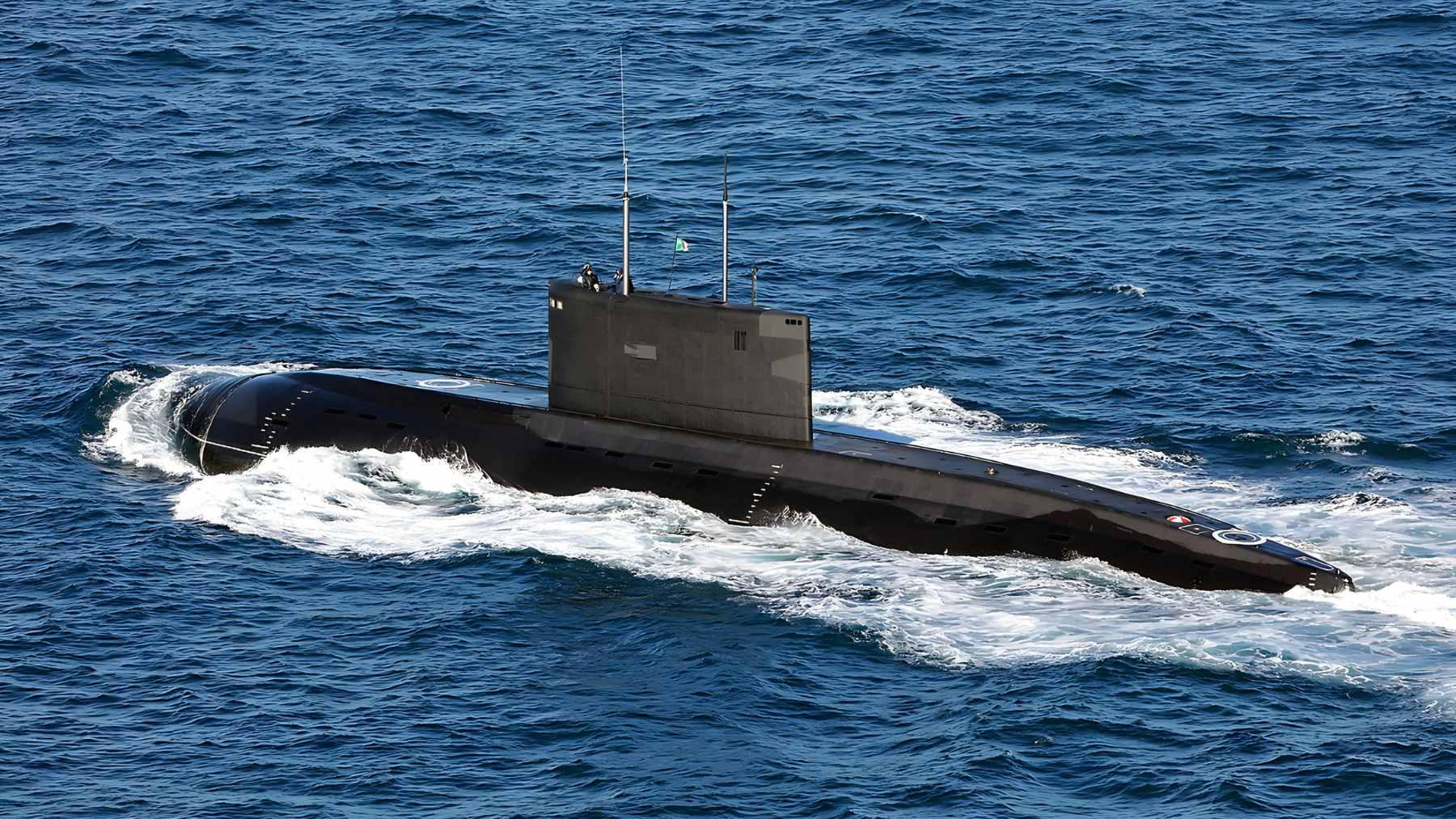
A fresh satellite image of the facility known as Base 1, dated February 16, suggests that the navy of Iran has finished modernizing one of its Russian built Kilo class submarines. Open source intelligence analysts say the boat, which had spent months in dry dock, now appears back at its pier and ready for operations.
The timing is not accidental. The refurbishment comes as tensions between Iran and the United States are rising again, with Washington boosting its military posture in the Middle East and President Donald Trump pushing for a tougher nuclear deal that would permanently deter Tehran from pursuing nuclear weapons.
What the satellite image suggests at Base 1
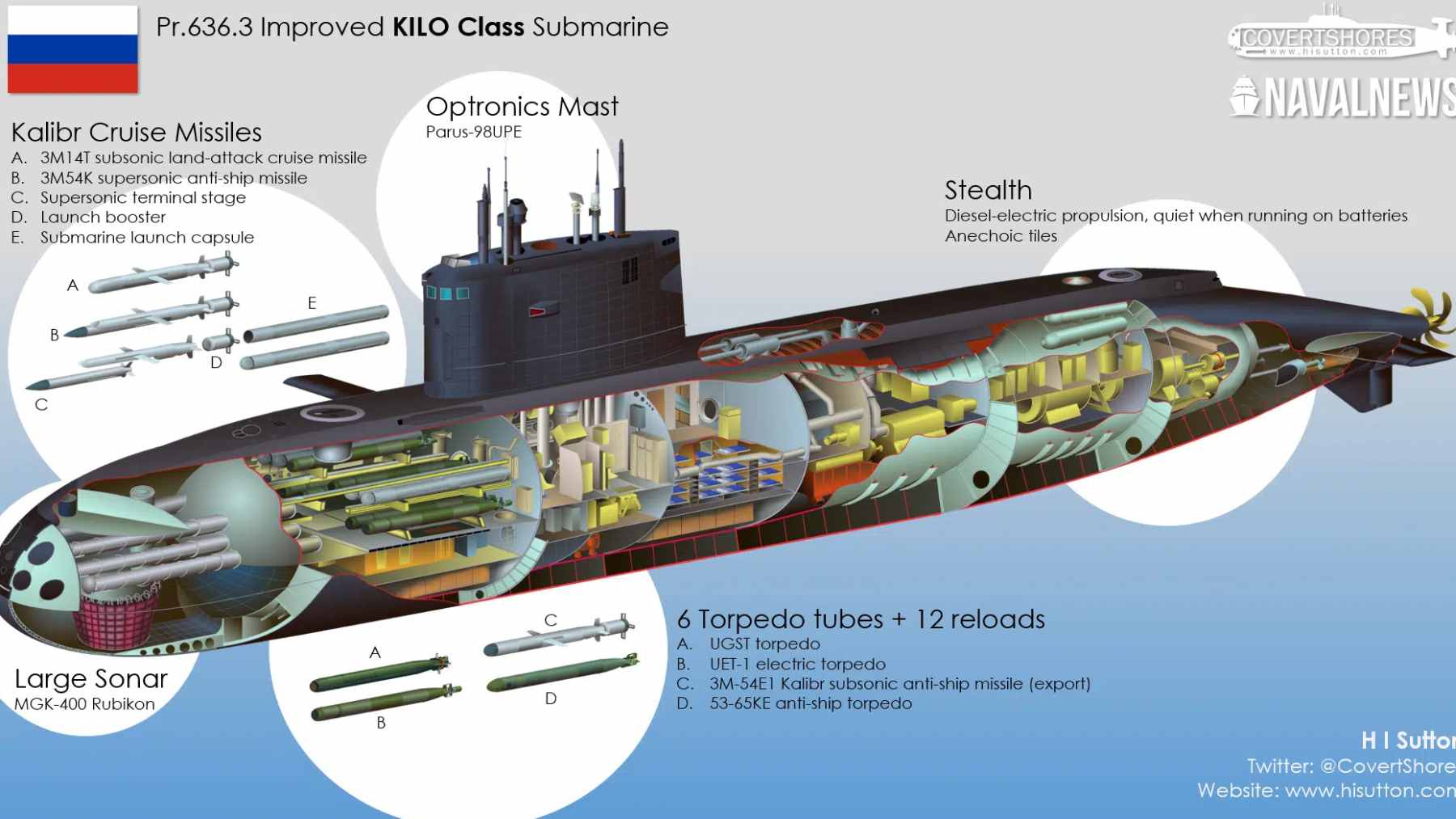
Analysts believe the upgraded submarine is a Kilo class boat known locally as the Tareq class, one of three acquired from Russia in the 1990s. According to earlier assessments, its latest overhaul began in May, while the other two Kilo class submarines also sat out of service in dry dock.
Western estimates put the price of each of these diesel electric submarines at around 600 million dollars, a sizable investment for any navy. They are usually deployed from Bandar Abbas, a major naval hub from which crews can keep close watch on the Strait of Hormuz and the busy shipping lanes that feed global energy markets.
For ordinary people, that narrow waterway may feel far away, yet its stability still shows up in things like the price at the gas pump. That is one reason every new asset in the area, even a single submarine sliding back into the water, attracts attention in foreign capitals.
Old Russian hulls in a tough environment
These Kilo class submarines have never been an easy fit for the shallow, crowded waters of the Gulf. Limited depth for comfortable submerged operations, combined with strong currents and unusually salty water, has strained their systems and complicated maintenance.
The Iranian Navy already tried to address some of those issues with a refurbishment round in 2012, yet the operational history of the boats still reflects that harsh environment. Problems that might take years to appear in deeper, cooler oceans can show up much sooner in these conditions.
In practical terms, that means every overhaul buys only so much time. Commanders know that any future conflict would test not only their crews, but also the durability of these aging Russian built hulls.
Ghadir mini submarines crowd the pier
To compensate, Tehran has invested heavily in much smaller submarines that naval experts often group in the SSM category. In the same satellite image used to highlight the returning Kilo class boat, analysts count up to eleven Ghadir class mini submarines tied up along three separate piers at Base 1.
Each Ghadir is a low displacement craft of about 125 tons when submerged, with a compact hull well suited to coastal waters. They lack long range and heavy weapon loads, yet their electric propulsion makes them quiet, and the intense maritime traffic in the area offers plenty of background noise to hide in.
Anyone who has ever tried to pick out a single car horn in a noisy traffic jam can picture the challenge. Tracking a handful of small, slow moving submarines in such a cluttered environment is at least as difficult.
Why the U.S. Navy is watching closely
Open source reports suggest that Iran now operates more than twenty submarines of various types and continues to work on new designs. Seen from Washington, the clustering of so many undersea platforms around the Gulf raises fresh questions about how a crisis might play out.
U.S. planners intend to keep two carrier strike groups in the region as part of a broader pressure campaign on Tehran, including the confirmed deployment of the USS Gerald R. Ford after more than two hundred days of operations in the Caribbean targeting the Venezuelan regime.
In any confrontation, even a small risk to a high value ship can ripple quickly through diplomatic calculations.
For the most part, the balance of power at sea still heavily favors the U.S. Navy. Yet a swarm of hard to detect Ghadir submarines in shallow water could complicate any plan to project that power, especially in tight chokepoints and crowded coastal zones.
The main open source analysis was published on Zona Militar.