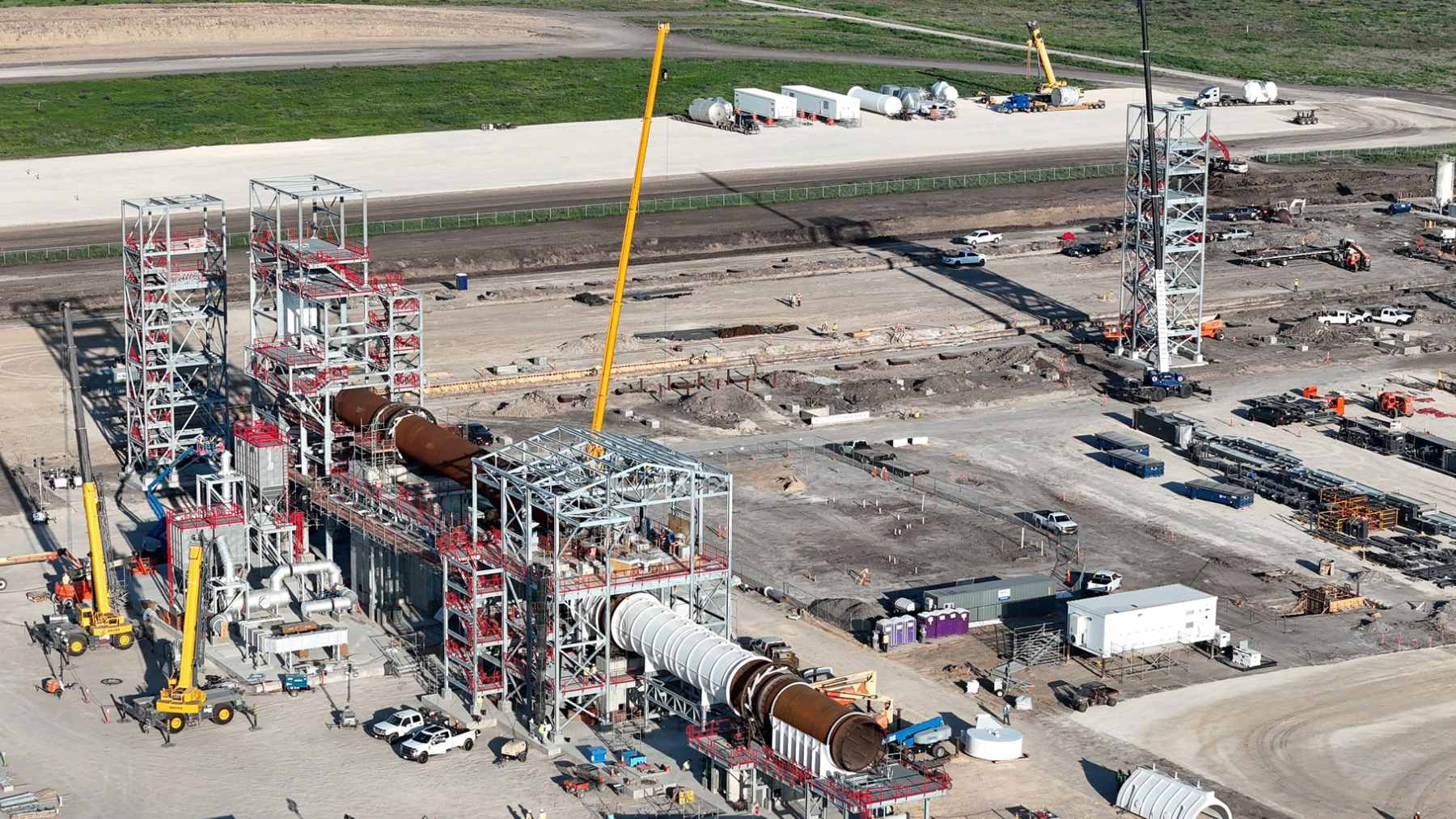
Drainage workers in South Texas say they stumbled onto something they never expected to find during routine maintenance: a pipe pushing dark wastewater into a roadside ditch near Tesla’s new lithium facility outside Robstown.
State regulators later said test results were within the plant’s permit limits, but the local drainage district insists it was never told the discharge route crossed its easement.
This clash matters because it sits at the intersection of three big trends, the battery boom, local water protection, and national security talk around “critical minerals.” When a project is sold as essential for the energy transition, even small gaps in communication can become the story.
A pipe, a permit, and a surprise discovery
Nueces County Drainage District No. 2 says its crews found an unfamiliar pipe stretched across the district’s easement and discharging what workers described as black liquid. The district filed complaints with the Texas Commission on Environmental Quality on January 20 and February 9, and the agency logged an on-site investigation for February 12.
According to state records, the investigator checked the ditch along U.S. 77 west of Corpus Christi and noted heavy algae and vegetation along the banks. The investigator then went to Tesla’s facility and sampled wastewater after treatment, and the state later said results for several standard parameters were within the permit’s limits.
Still, the visuals stuck. Drainage district spokesperson Steve Ray said Tesla kept describing the discharge as “clear,” but he said “it’s black,” and the pipe remains in place as talks continue. Tesla did not respond to questions from Inside Climate News about the discharge or the pipe.
When state rules miss local realities
On paper, Tesla has authorization to discharge treated wastewater into the ditch, including up to about 231,000 gallons per day on average.
The permit language also says it does not grant the right to use private or public property to convey wastewater, putting the burden on the permit holder to secure whatever property rights are needed.
That is where the local frustration starts. The drainage district says it was not aware of the permit until its workers found the pipe, and TCEQ has said it does not directly notify drainage districts as part of the permitting process. So who is supposed to get the heads-up?
Instead, the system leans on public notice requirements and postings. That can essentially mean the people running heavy equipment in the ditch and the folks clearing brush before the next flood may be the last to learn that a new industrial line is in the ground.
Why Baffin Bay worries locals
This is not just about a ditch that happens to sit beside a highway. The drainage path runs to Petronila Creek and ultimately to Baffin Bay, a coastal ecosystem with deep ties to regional fishing and recreation.
Researchers at the Harte Research Institute at Texas A&M University Corpus Christi describe the Baffin Bay watershed as naturally prone to flooding from high intensity rain events that are increasing in frequency. They also warn that stormwater runoff and flooding can carry nonpoint source pollution that threatens the bay’s ability to support healthy fish and bird populations.
For the drainage district, that context raises the stakes. Even if a discharge meets permit limits for the specific parameters tested, locals still want to know what is in the water, how it is moving, and who is responsible if something changes after a big storm.
The business stakes in the battery materials boom
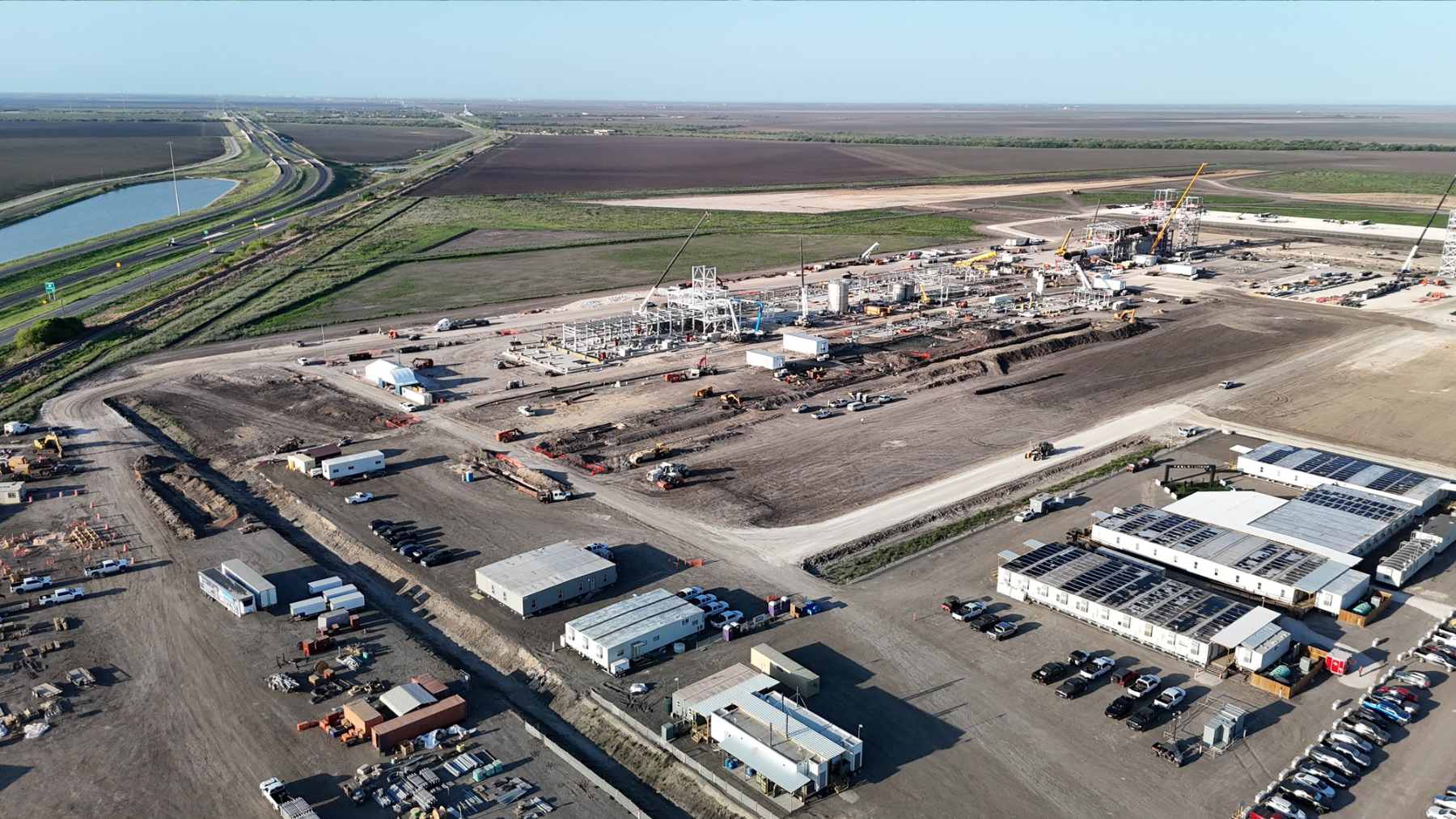
Tesla’s Robstown area project is a roughly $1 billion bet on domestic battery grade lithium hydroxide, and the company has promoted an acid-free refining route that produces a sand and limestone byproduct. The pitch is straightforward, build the upstream chemistry in the United States and reduce dependence on overseas processing.
Washington is pushing in the same direction. On March 13, the U.S. Department of Energy announced a Notice of Funding Opportunity for up to $500 million aimed at expanding U.S. critical materials processing, battery manufacturing, and recycling, tying the effort to needs like transportation, grid resilience, and defense.
But big industrial projects do not run on chemistry alone. They run on trust, and trust is built in small moments like showing up to meetings and making sure the right local agencies are not surprised by new infrastructure.
That is why “within permit limits” is not always the end of the conversation.
Defense sees lithium as more than an EV ingredient
Lithium and other battery materials are now discussed in the same breath as drones, communications gear, and the electronics behind modern defense systems.
Reuters has reported that the U.S. Department of Defense plans to keep investing in critical minerals projects, citing Pentagon investments totaling nearly $540 million as it tries to rebuild parts of the domestic minerals and magnet supply chain.
This defense framing can cut two ways. It can attract financing and speed up projects, but it also puts a brighter spotlight on how those projects handle environmental protection and community relations.
If the goal is resilience, the supply chain cannot be “secure” while local oversight is confused. A pipe that surprises the people maintaining drainage infrastructure is a small crack, but cracks are where bigger problems tend to start.
Tech fixes that could keep the next ditch from becoming a headline
There are practical tools that could reduce these standoffs. Continuous water quality sensors, tamper resistant sampling points, and simple public dashboards can make it harder for anyone to argue over whether water is “clear” or “dark,” because the numbers are visible.
There is also a basic infrastructure step that feels almost old-fashioned. Map and mark discharge lines the way utilities mark gas and fiber, then set up a direct notification protocol with the local drainage district before any pipe crosses an easement.
For readers watching the clean tech buildout, the lesson is simple: a permit can describe what comes out of a pipe, but it does not automatically solve the human problem of who knows the pipe is there in the first place.
The press release was published on Energy.gov.