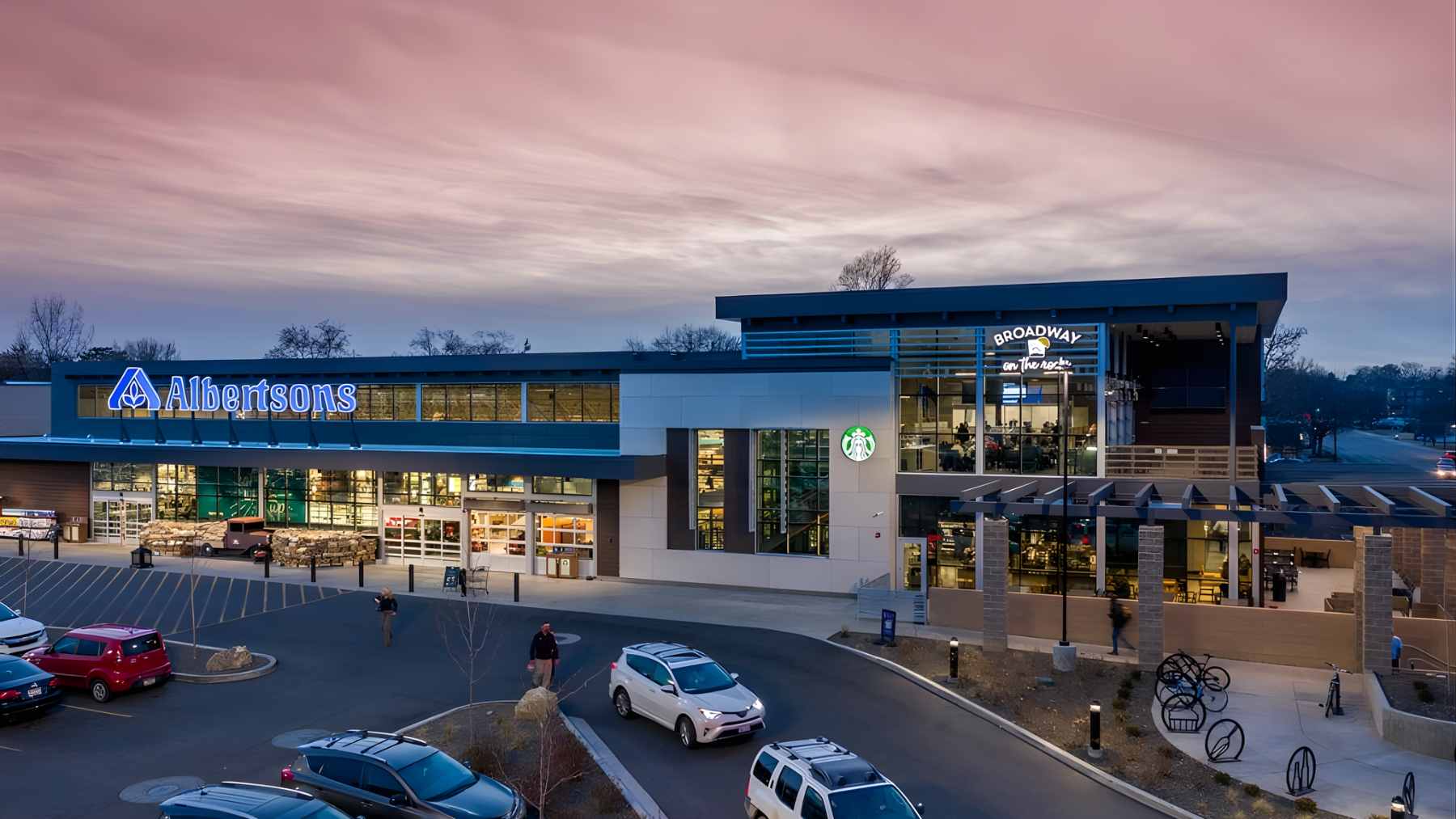
Rhode Island lawmakers are weighing a sharp minimum wage jump that would ripple through every big-box and grocery aisle in the state. Three House bills would either lift the wage floor to $20 by 2027, set it at $24 starting in 2027, or tie future increases to inflation beginning in 2029.
At first glance, this looks like a straight labor and business story. But it also lands in the middle of a quieter fight over emissions, energy use, and resilience, since retail is a heavy energy consumer and families are already struggling with the electric bill in that sticky summer heat we all know.
What the proposed wage bills would change
The three measures are H7769, H7770, and H7771, and they are moving on a similar track so far. Legislative tracking shows each was introduced in February 2026 and then sent to the House Labor Committee, which recommended holding them for further study after a March 18 committee date.
The stakes are clear because Rhode Island’s current minimum wage is listed at $16 per hour on the U.S. Department of Labor’s state table (updated January 1, 2026). In other words, the $24 proposal would represent a major jump in a short window, and large employers with big hourly workforces would have to adapt fast.
Why a wage vote shows up in an environment story
This is the connection people often miss. The U.S. Department of Energy defines “energy burden” as the share of household income spent on energy costs, and it notes that the national average energy burden for low-income households is about 6%, roughly three times the 2% estimated for non-low-income households.
DOE also flags that in some places and for some incomes, energy burden can rise above 30%, which is the kind of number that turns a cold snap or a heat wave into a financial emergency. ACEEE adds that among the highest-burden, low-income households, average energy burdens are over 15%, a level that can crowd out basics like food and medicine.
Retail’s hidden emissions problem sits inside the store
Retail climate talk usually focuses on trucks and packaging, but the building itself is a big part of the footprint. The Energy Information Administration reports that food sales buildings used 233 trillion Btu of energy in 2018, and that they are among the most energy-intensive commercial building types.
The biggest culprit is not mysterious. EIA found that refrigeration accounts for the largest share of end-use consumption in food sales buildings (38%), and ENERGY STAR notes refrigeration in supermarkets can use up to 40% of a property’s total energy, which is why efficiency upgrades can cut costs and pollution at the same time.
How companies may respond with tech and operational shifts
When labor costs rise, retailers typically look for two levers that do not require changing prices overnight.
One lever is productivity tech, like self-checkout and app-based shopping tools that reduce friction in stores and help staff cover more ground during rush hours. PwC reported that 55% of consumers used self-checkout while holiday shopping, and nearly half used store or brand apps in-store.
The other lever is energy tech, since cutting kilowatt-hours can be one of the cleaner ways to protect margins.
Target, for example, says it “commits to being a net-zero enterprise by 2040” across Scopes 1, 2, and 3, and it lists operational milestones like sourcing 100% renewable electricity for operations by 2030 and cutting Scope 1 and 2 emissions 55% by 2030 from a 2017 base year.
The national security angle is energy resilience
If this still sounds like a niche corporate issue, consider how the Defense Department talks about climate and energy. In a DoD news story about clean electricity procurement, officials framed carbon pollution-free power as a resilience tool, and one senior official said DoD is “the largest consumer of energy in the federal government.”
DoD’s climate risk analysis messaging is blunt about the stakes. A DoD article tied to the Defense Climate Risk Analysis describes climate change as increasing demands on the department while affecting its ability to respond, especially as extreme events compound and strain response capacity.
That same logic applies to civilian life, too, when storms knock out power, supply chains snarl, and essential goods get harder to move.
What to watch next in Rhode Island
The immediate question is procedural. Tracking shows the measures were recommended to be held for further study, which often means lawmakers are listening to competing warnings about prices, small business strain, and job impacts while supporters argue the state needs a wage floor that matches reality.
The longer question is strategic, and it matters beyond Rhode Island. If wages rise quickly, retailers may accelerate automation and energy-efficiency upgrades at the same time, and those choices can either help or hurt emissions depending on how they are implemented and powered. That’s why this debate is more than a line on a paycheck.
The official statement was published on U.S. Department of Labor.