Hungary’s Prime Minister Viktor Orbán says his government will “gradually” cut natural gas supplies to Ukraine until Russian oil deliveries resume through the Druzhba pipeline. It is a sharp escalation in a dispute spilling into EU politics and wartime logistics.
But there is a quieter takeaway that matters beyond Budapest and Kyiv. When fossil routes become bargaining chips, the fallout goes beyond politics and money, with higher pollution risks when the system scrambles for backups, and the question becomes simple, who pays?
A gas cutoff tied to an oil pipeline
Orbán said “as long as Ukraine does not supply oil, it will not receive gas from Hungary,” and argued Hungary should store more gas at home instead. The statement ties gas deliveries to the Druzhba oil line that moves crude through Ukrainian territory toward Hungary and Slovakia.
AP reported Ukraine imported around 45% of its gas via Hungary last year, down to 38% by January. Reuters said Ukraine contracted 180 million cubic meters from Hungary for March, about 28% of its imports, and Orbán has blocked a €90 billion EU loan package tied to the dispute.
Budapest is backing the message with policy. Reuters reported a Hungarian decree blocked the transmission system operator from holding capacity auctions for shipments to Ukraine in the third quarter of 2026 and ordered an extra 800 million cubic meters to be stored inside Hungary.
Why the climate angle matters
Natural gas can look “clean” at the burner, but methane leaks upstream can wipe out a lot of the advantage. The U.S. Environmental Protection Agency says methane has a global warming potential roughly 27 to 30 times higher than carbon dioxide over 100 years, even though it stays in the atmosphere for a shorter time.
The emissions scale is not small. The International Energy Agency estimates fossil fuels produced close to 132 million tons of methane emissions in 2023, and it has warned that cutting these leaks is often one of the cheapest climate wins available.
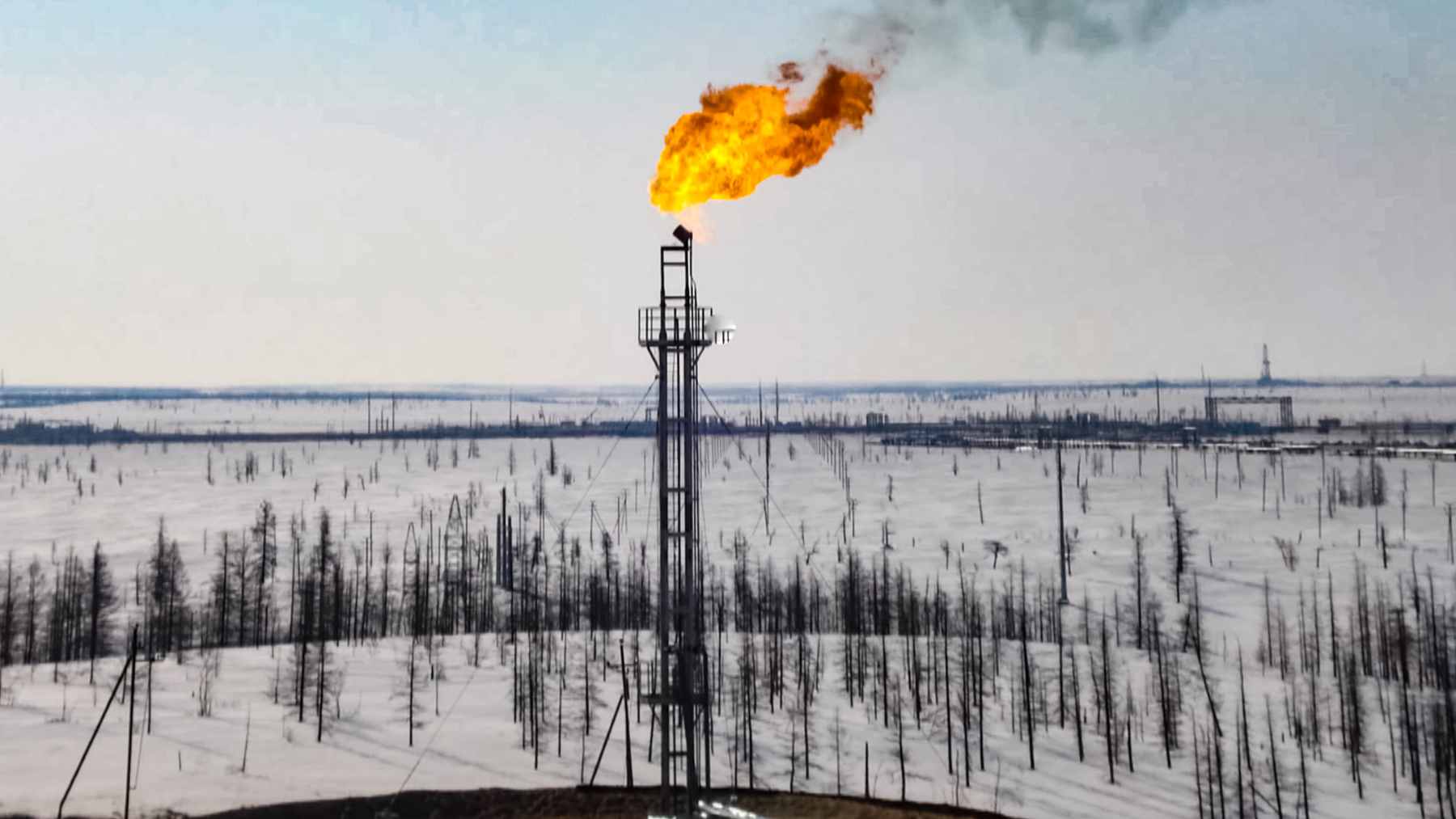
Now add crisis behavior–rerouted supply chains, emergency fuel switching, and rushed operations can raise the odds of venting, flaring, and simple equipment failures, the kinds of problems regulators have been trying to reduce for years.
When energy lines become targets
This standoff is also happening in a region where energy infrastructure is being attacked. Reuters reported Ukrainian drones disrupted Russian oil exports through Baltic ports such as Ust Luga, with fires and halted loading operations visible even from Finland.
Hungary is responding with a security posture of its own. AP reported Orbán deployed military forces to key energy sites in Hungary while alleging Ukraine planned disruptions, though he offered no evidence.
On the Ukrainian side, officials say repair work is complicated by continued strikes. Reuters quoted President Volodymyr Zelenskiy saying the Druzhba pipeline could be technically ready to restart within about six weeks after damage from a Russian strike in January.
Tech that cuts risk and pollution
The good news is that some of the most useful tools are already here. The European Commission says the EU’s methane rules push operators toward accurate measurement, leak detection, and restrictions on venting and flaring, which can reduce emissions while making markets less dependent on guesswork.
On power, resilience looks a lot like diversification. The Commission says the EU’s revised renewables framework sets a 2030 binding target of 42.5% renewables with an ambition of 45%, and it has highlighted demand reduction as a way to ride out supply shocks.
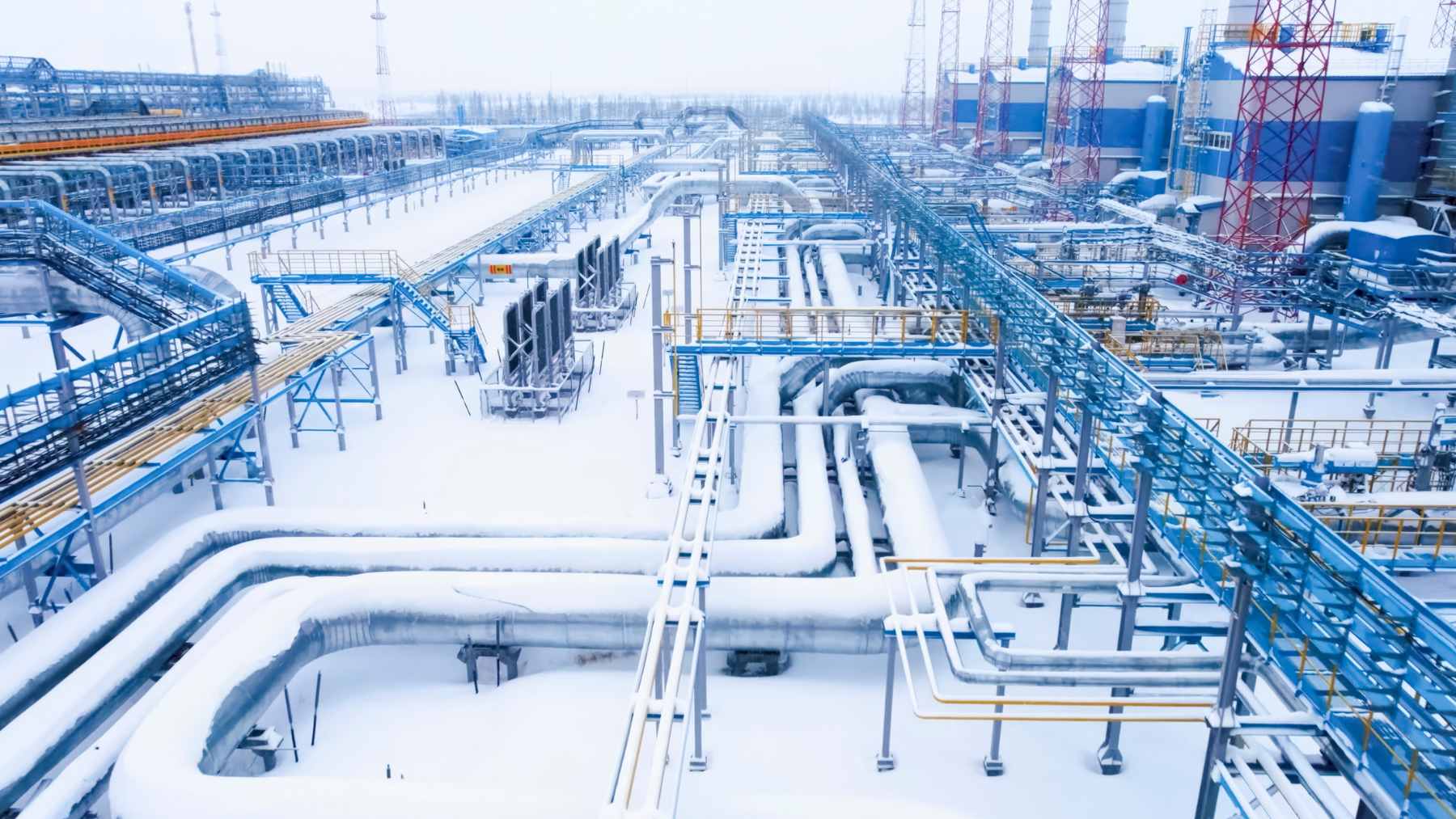
There is also a defense tech layer that feels familiar to any large company trying to protect a data center. Better sensors, better network segmentation, and tighter cyber hygiene can limit cascading failures when something goes wrong, whether it starts with a drone, malware, or a broken valve.
What readers should watch next
Money is one pressure point. Reuters reported Ukraine’s foreign ministry warned Hungary could lose more than $1 billion in annual revenue if gas shipments stop, while Ukraine faces the cost of replacement gas in a volatile market that can hit the electric bill.
Routes are another. Euronews reported the European Commission discussed accelerating repairs and pointed to Croatia’s Adria pipeline as an alternative way to supply Hungary and Slovakia while Druzhba is fixed, and Reuters reported Naftogaz has looked to move more LNG and diesel through Greece’s terminals and the Vertical Corridor.
Ukraine’s storage levels could buy time, with Reuters reporting 9.5 billion cubic meters in storage as of April 1 and a 13-billion-cubic-meter target for the next heating season.
The bigger lesson is harder to ignore, as long as fossil chokepoints dominate, ecology, business, and defense will keep colliding in the same place. The dispute is still evolving, but Orbán’s core message is already on the record.
The official statement was published on Miniszterelnok.hu.