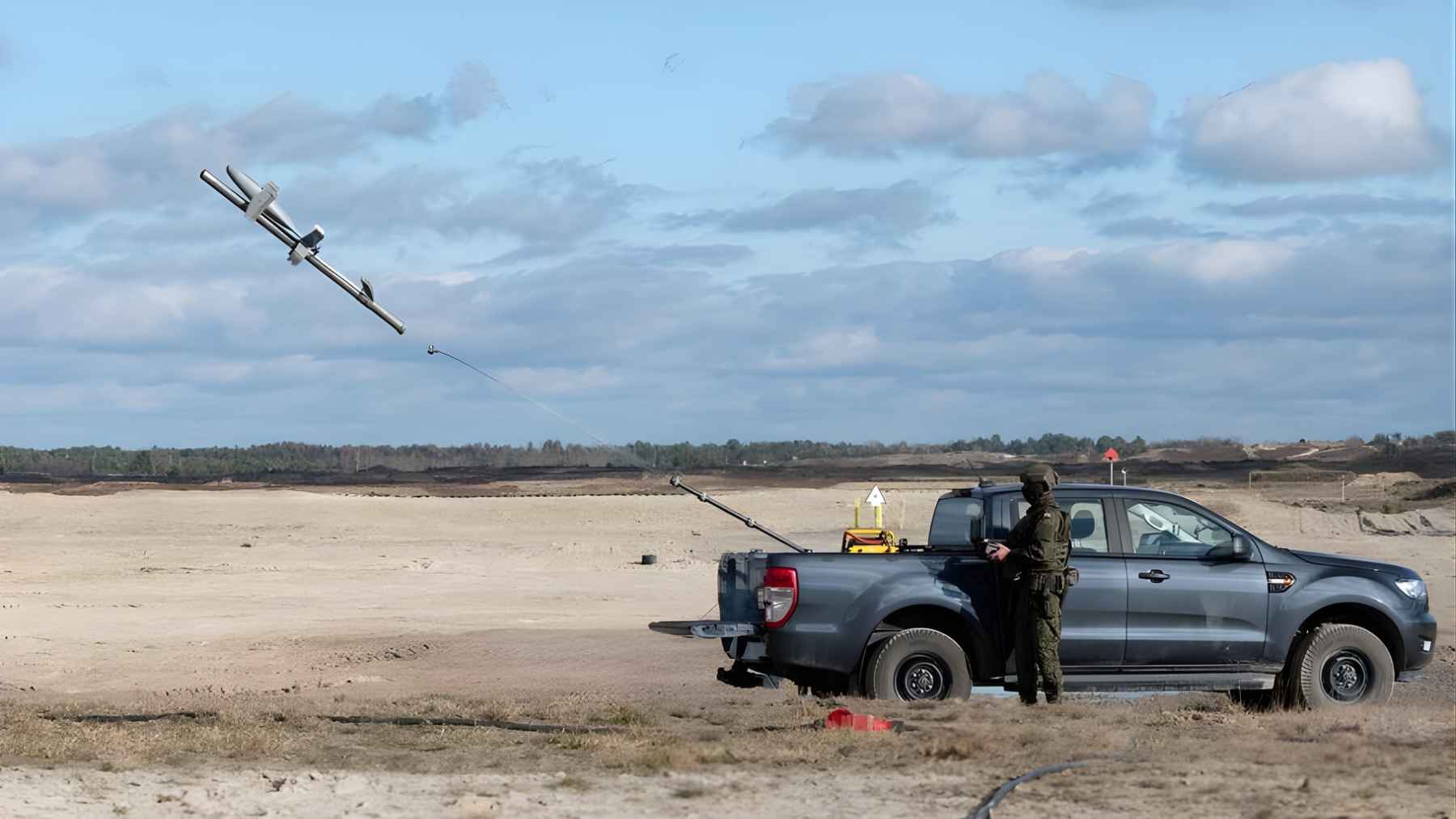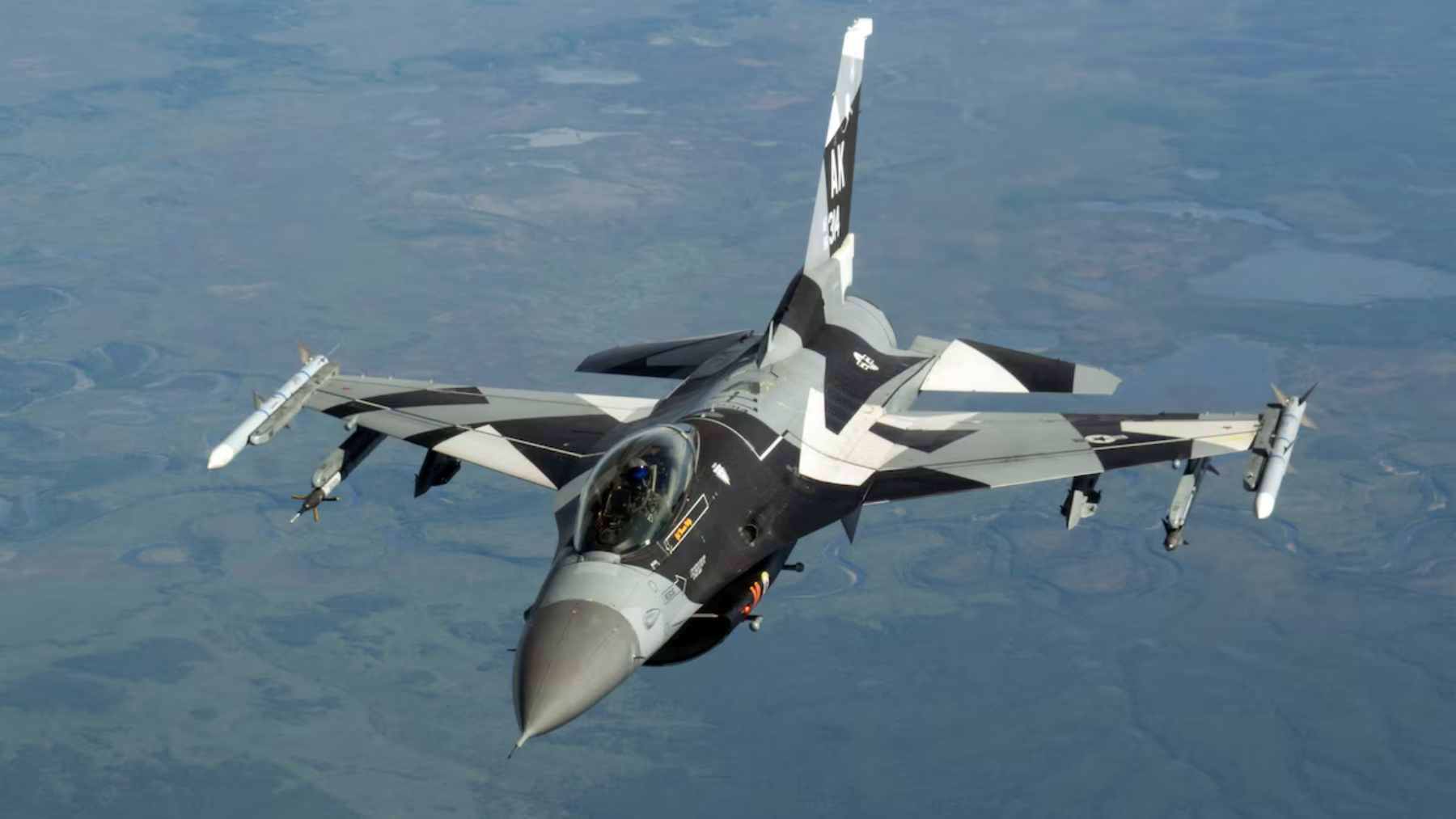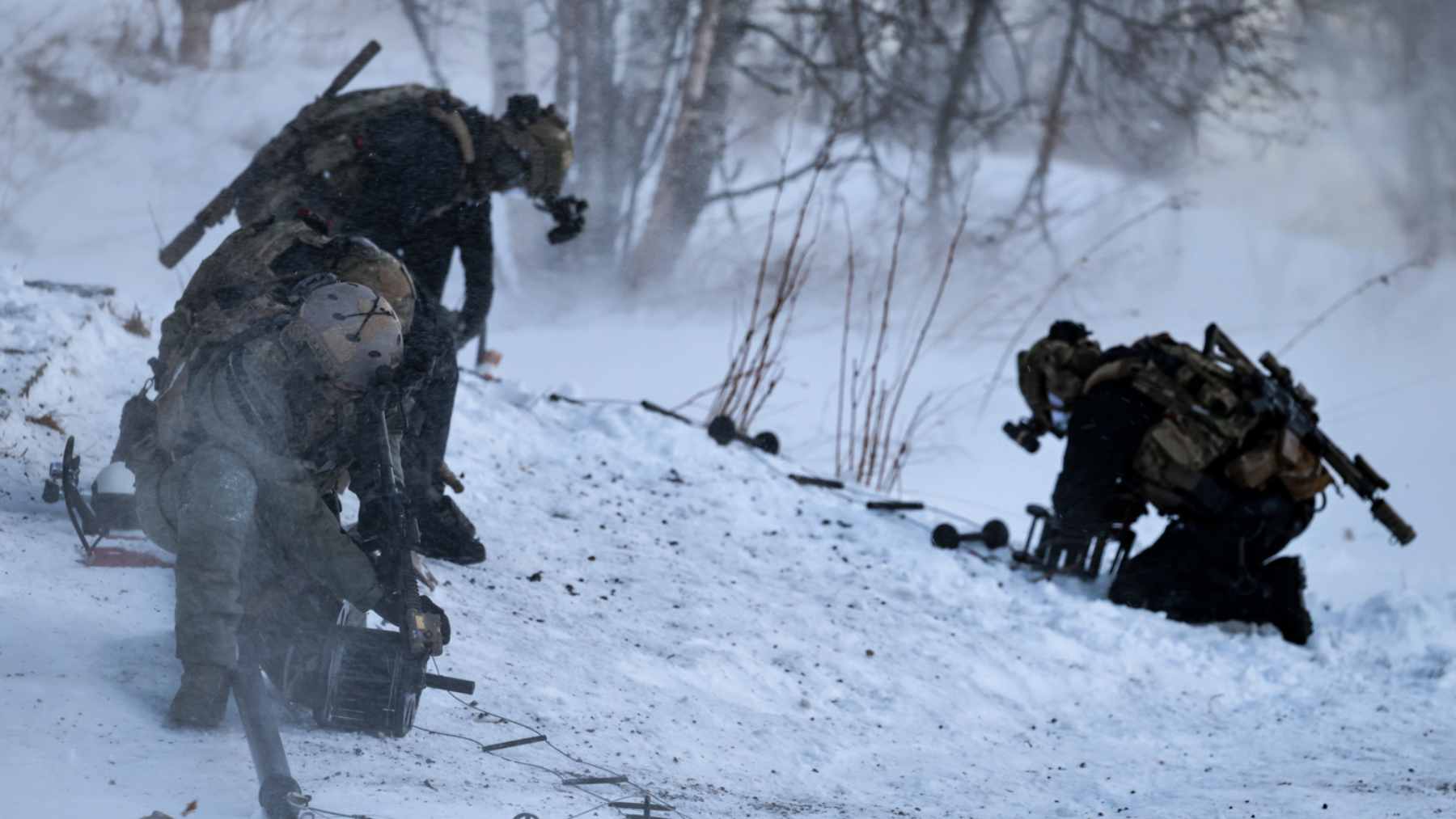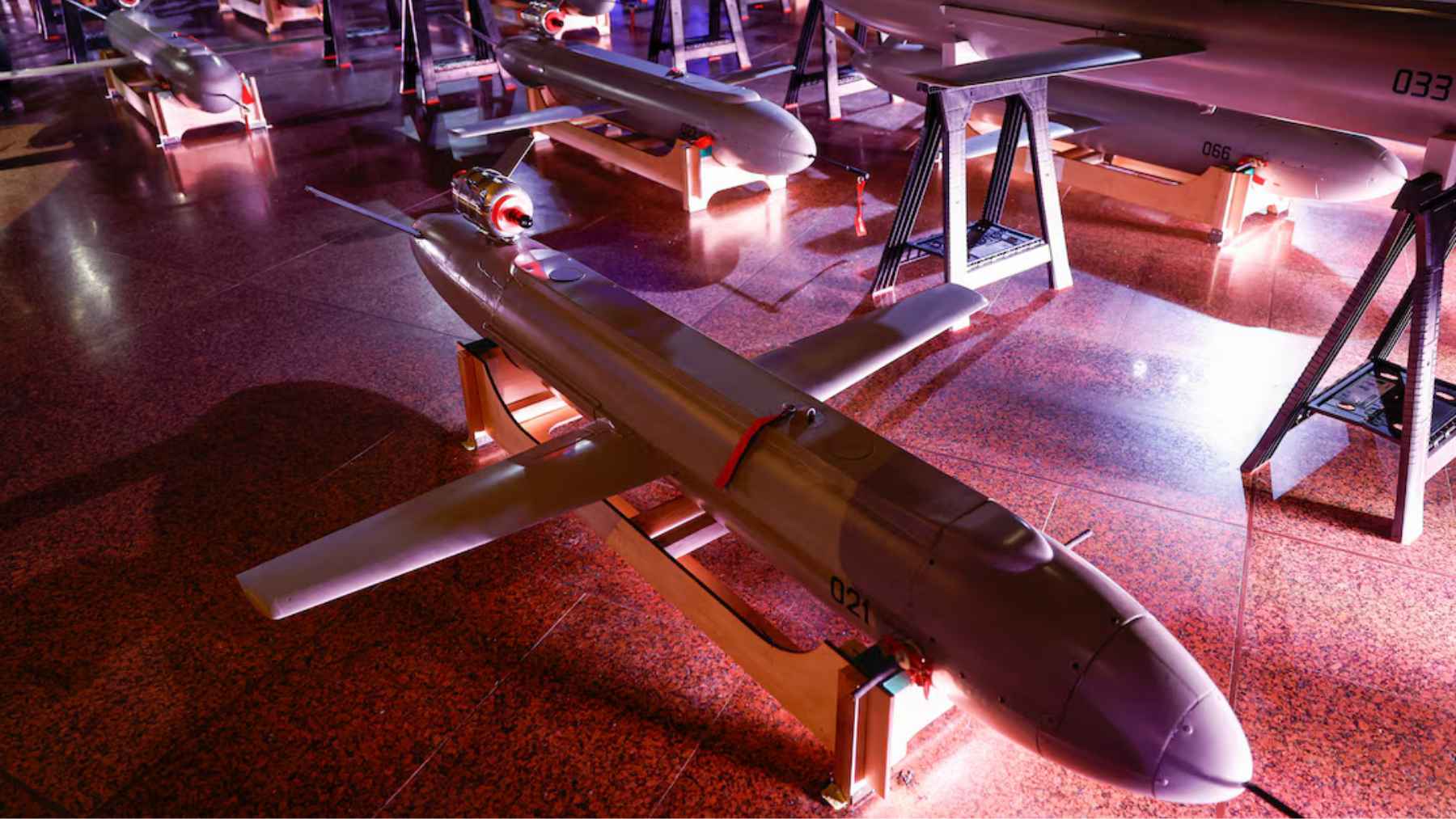
U.S. and Ukrainian negotiators met in Miami on Saturday to discuss a drone deal that could shape the next phase of the war and even set up a fresh meeting between President Donald Trump and President Volodymyr Zelenskiy.
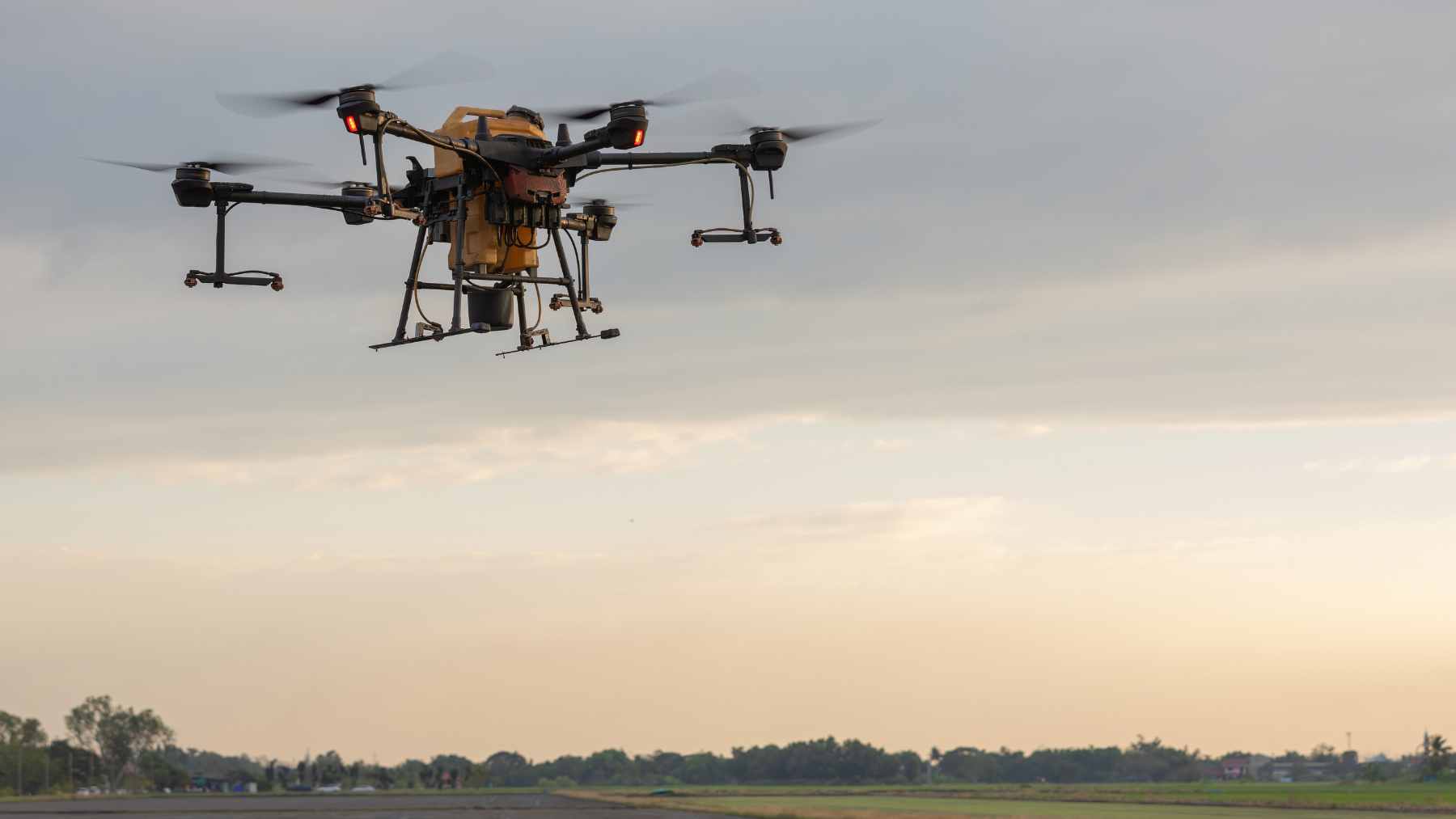
But there’s a less obvious angle hiding in plain sight: the same drones being pitched as battlefield necessities are also becoming tools for environmental monitoring and disaster response.
The immediate focus is defense, yet the targets drones fight over are often the same things that keep cities livable. Power lines, fuel depots, ports, and data links all sit in the blast radius. If a drone deal is really about protecting infrastructure, what does that mean for pollution, emissions, and the messy work of environmental recovery?
Miami diplomacy meets drone business
According to Reuters, the working groups were expected to focus on bilateral documents and a wide-ranging drone deal, led on the U.S. side by envoy Steve Witkoff and Jared Kushner. Zelenskiy said Ukraine has deployed 228 specialists to help Middle Eastern countries with drone defense, as the U.S. and Israel’s war with Iran pulls attention and weapons stocks toward another front. (reuters.com)
The White House called the talks “constructive,” and discussions were expected to continue through Sunday. The Associated Press reported new attacks and power outages in northern Ukraine as the Miami talks began, underscoring the pressure Kyiv is under as it looks for more Patriot interceptors and PAC-3 missiles.
When protection is also pollution control
Drone defenses are usually sold as a way to stop explosions. But in practical terms, they also reduce the chance that a strike hits an oil tank farm, a chemical plant, or an electricity substation, turning a military event into a public health crisis.
A European Commission Joint Research Centre assessment found the war has reduced some emissions as industry slowed and energy facilities were damaged, but it also increased toxic pollution risks and created new emissions linked to military operations.
In other words, fewer smokestacks do not automatically mean cleaner air when shells and fires are doing the emitting.
The climate cost of modern conflict is no longer hypothetical
War does not just destroy buildings. It also burns fuel at a pace that is hard to picture, and it tends to push policymakers back toward whatever energy sources are immediately available.
That matters for climate targets, but it also has a more everyday consequence. It can make energy markets even more volatile, and that eventually shows up on the electric bill.
A submission to the UN climate process says data is inconsistent and estimates suggest the world’s militaries are responsible for about 5.5% of global greenhouse gas emissions, and that estimate excludes emissions from warfighting itself.
An analysis cited by The Guardian estimated that the first 14 days of the U.S.-Israel war on Iran produced more than 5.5 million tons of CO2 emissions.
What governments can put in the fine print
Tech enters the story in a more constructive way. The sensors that help find threats can also spot leaks and pollution, and published research has shown drones can detect methane in real time at close range while airborne. That matters because methane is invisible, but it punches above its weight in warming.
The International Energy Agency estimates the energy sector emitted around 160 million tons of methane in 2024, and it warns that most of those emissions could be avoided with existing technology. That is why officials increasingly talk about satellites, sensors, and industry disclosure, not just pledges.
On the business side, the U.S.-Ukraine Reconstruction Investment Fund is supposed to move from headlines to projects, with U.S. officials pushing for a first joint investment approval by the end of March. A DFC press release dated January 7, 2026 says the fund’s online portal is open for proposals across sectors including energy, transport and logistics, ICT, and critical minerals.
At the end of the day, any drone partnership that promises “security” without planning for environmental fallout is only doing half the job. The hard part is building defense, energy, and climate resilience together, before the next strike turns into the next spill.
The official statement was published on “UK Parliament”.