President Donald Trump’s latest tariffs have brought a revenue boost for Washington but a painful surprise for importers. New figures from U.S. Customs and Border Protection show a record customs bond funding shortfall of nearly 3.6 billion dollars in fiscal 2025 tied to 27,479 cases where coverage was too low.
It is the highest number of bond “insufficiencies” ever recorded and roughly double the level seen in 2019. For companies facing higher costs, that can mean containers sitting on the dock while bills keep arriving. What happens when invoices land but the goods are still stuck at the port?
What customs bonds are and why tariffs matter
A customs bond is a promise backed by an insurer that importers will pay duties, taxes, and fees. Firms buy these bonds from surety companies, and customs holds the coverage while it checks what each shipment owes.
Because bond size tracks an importer’s duty bill, tariff hikes push required limits higher, from about fifty thousand dollars to roughly four hundred fifty million dollars for the biggest players.
Why so many bonds are coming up short
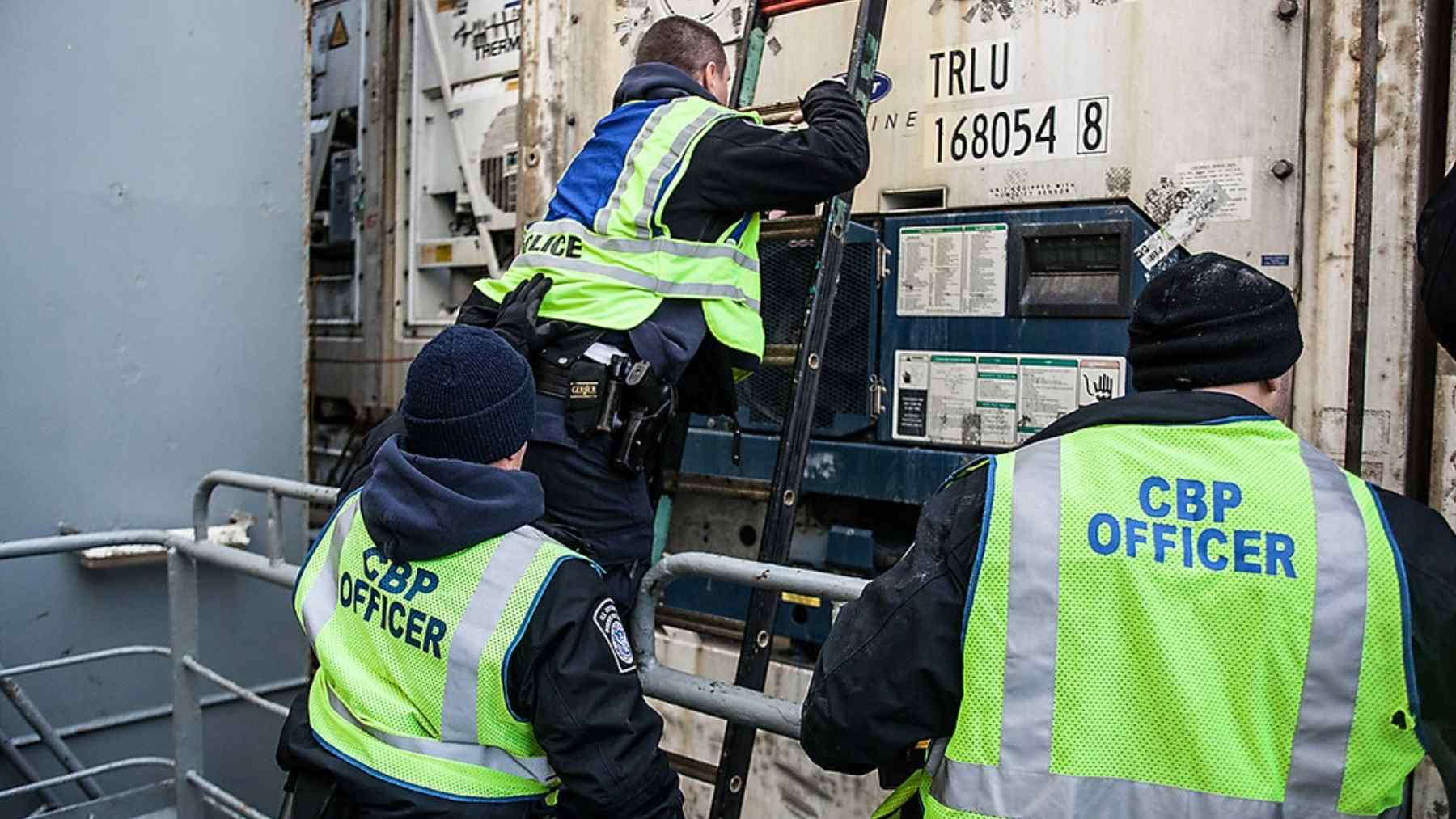
Attorney Jennifer Diaz of Diaz Trade Law says many clients assume a fifty thousand dollar bond will cover a year even as their tariff bill soars. When duties exceed that capacity, customs flags an “insufficiency” and will not release freight until the importer posts a higher bond, a process that can take ten days and may demand extra collateral.
Surety companies report steep increases, and Vincent Moy at Marsh Risk points to one auto maker whose bond jumped by roughly five hundred fifty percent.
What happens next after the Supreme Court ruling
The tariffs that helped drive these shortfalls are now under legal fire. On February twentieth, the Supreme Court ruled that the International Emergency Economic Powers Act does not authorize the president to impose such import tariffs, striking down many of those duties. If duties are refunded, bond amounts and collateral could be reduced, but experts warn that importers should expect delays as insurers audit paperwork before releasing cash.
For most shoppers, customs bonds are invisible, hidden behind price tags and delivery times, but they quietly shape what shows up on shelves and when. The main report on this customs bond shortfall has been published in CNBC using data from U.S. Customs and Border Protection.