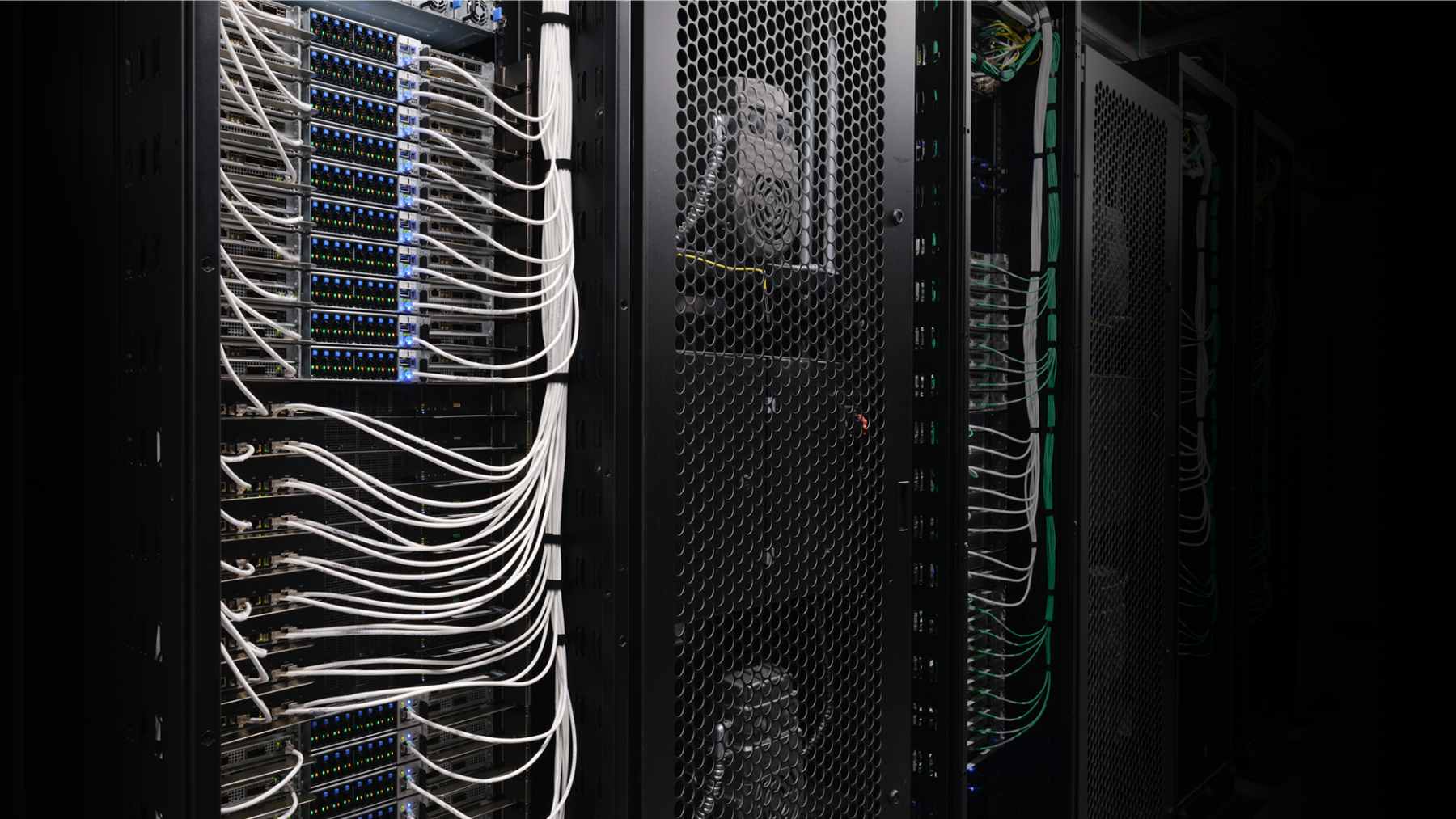
Federal prosecutors say three men linked to AI server maker Super Micro Computer helped divert high-performance servers with controlled U.S. artificial intelligence technology to China, despite export restrictions.
The indictment describes a scheme that allegedly moved about $2.5 billion in servers and used everything from repackaging in Southeast Asia to “dummy” servers staged for inspections.
It sounds like a national security case, but it also shows how AI’s footprint in electricity and cooling water can move with the hardware, often faster than communities can plan. When a new AI tool pops up on your phone, where do you think the extra power and water come from?
What the indictment alleges
According to the Justice Department, the defendants directed executives at a Southeast Asia based intermediary called “Company-1” to place orders for servers that were assembled in the United States and routed through Taiwan and other countries before reaching China.
Prosecutors say Company-1 bought roughly $2.5 billion worth of servers between 2024 and 2025, and at least about $510 million was diverted between late-April 2025 and mid-May 2025 alone.
To keep the operation hidden, officials say the group relied on false documents, unmarked boxes, and staged inventory checks. In one example cited by prosecutors, workers used a hair dryer to move labels and serial number stickers from real servers onto replicas ahead of an inspection.
Yih Shyan “Wally” Liaw and Ting Wei “Willy” Sun were arrested, while Ruei Tsang “Steven” Chang remains a fugitive, the Justice Department said.
The three are charged with conspiracy counts tied to export control violations and smuggling, and one count carries a maximum of 20 years in prison. Super Micro has said it is not named as a defendant and placed Liaw and Chang on leave and ended its relationship with Sun, and Nvidia said export compliance is a “top priority” and it does not support diverted systems.
The data center boom behind the chip war
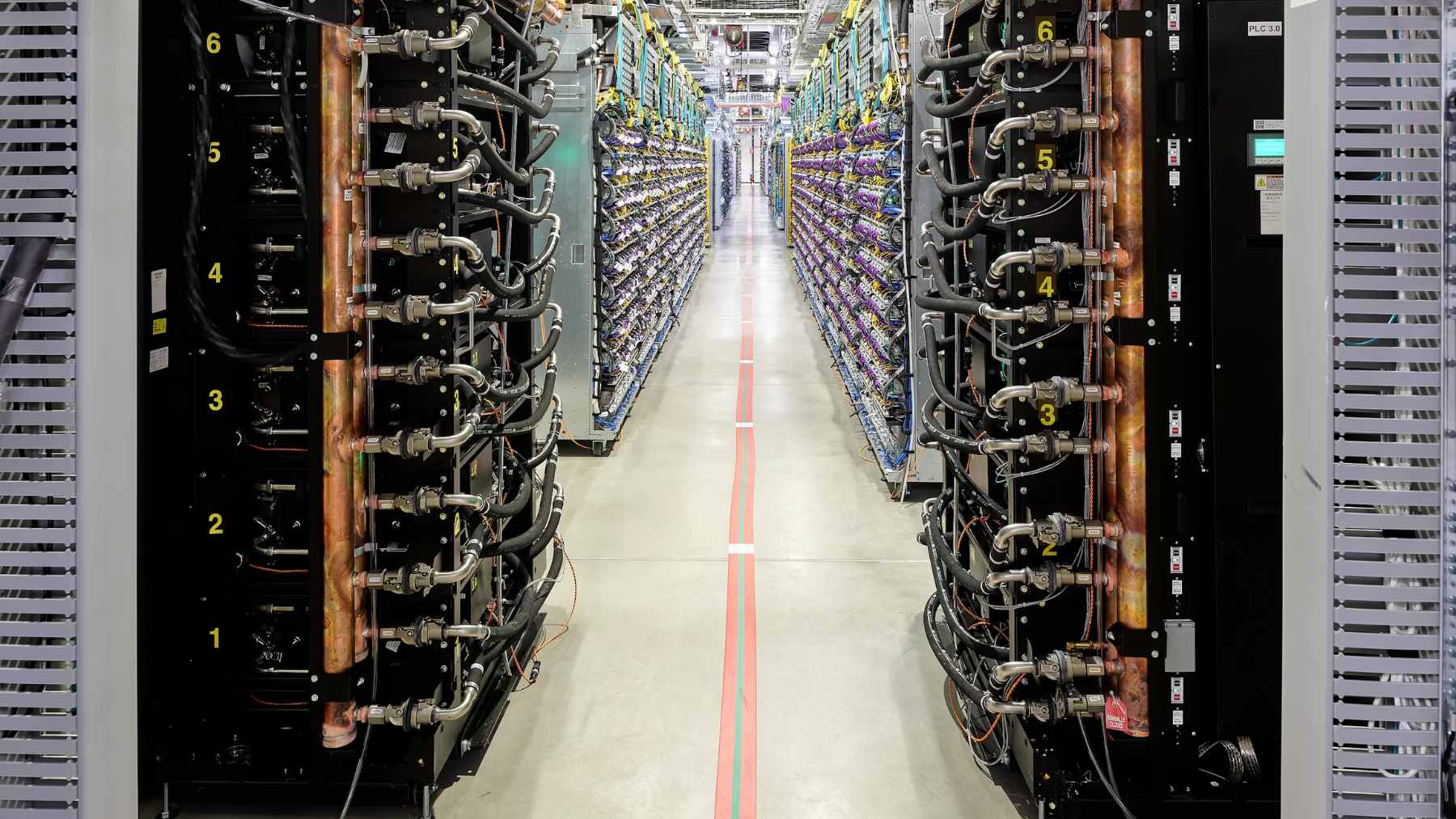
AI is pushing data centers from quiet infrastructure into major power customers. The International Energy Agency says global investment reached roughly $500 billion in 2024, and electricity use was about 415 terawatt hours in 2024 and could rise to about 945 terawatt hours by 2030 in its base case.
That demand is not spread evenly. The IEA notes that AI-focused data centers can draw as much electricity as power-intensive factories, and they often cluster in a handful of regions.
In practical terms, that can mean higher upgrade costs and the kind of power price volatility people notice when the electric bill jumps.
Where the servers land impacts emissions, too. The IEA estimates coal is still the largest source of electricity consumed by data centers globally, and in China it says the data center power supply is currently dominated by coal with a near 70% share, even as renewables grow.
Water and heat, not just watts
Electricity is only half the story, as most of it turns into heat, especially during that sticky summer heat we all know. A major U.S. study from Lawrence Berkeley National Laboratory estimates U.S. data centers consumed about 176 terawatt hours in 2023, and directly consumed about 66 billion liters of water that year for on site operations, roughly 17 billion gallons.
Then there is the water hidden upstream in power generation. The same Berkeley Lab report estimates the indirect water footprint from U.S. data center electricity use at nearly 800 billion liters (211 billion gallons) in 2023, and it pegs the national average at about 4.52 liters (1.2 gallons) of indirect water consumption per kilowatt hour.
Globally, the numbers can be startling. A UK government-hosted report cites IEA estimates that the data center sector consumes more than 560 billion liters (148 billion gallons) of water annually and warns the total could rise as high as 1,200 billion liters (317 billion gallons) by 2030, with a single 100-megawatt facility capable of consuming around 2.5 billion liters (660 million gallons) a year.
Business, defense, and a new kind of compliance
The policy driver is military risk, not climate, at least on paper. A 2022 Commerce Department rule published in the Federal Register said the controls were meant to restrict China’s access to advanced computing tied to military modernization, including uses like advanced intelligence analysis and surveillance.
Still, the business blowback is immediate. Reuters reported Super Micro shares fell sharply after the charges and that the drop could erase more than $5 billion from its market value, even though prosecutors did not name the company as a defendant and Super Micro says it has cooperated.
Super Micro has also named a new acting chief compliance officer focused on global trade and sanctions compliance.
This is also where environmental accountability sneaks into a very technical story. European regulators are moving toward more reporting on data center energy and water use, including a planned label for European facilities, and the same logic applies to supply chains.
If companies cannot reliably track where high demand servers end up, it gets harder to predict where the power lines, water pipes, and emissions will be under pressure next. For now, the case is a reminder that AI is not virtual, it runs on real infrastructure.
The official statement was published on U.S. Department of Justice.