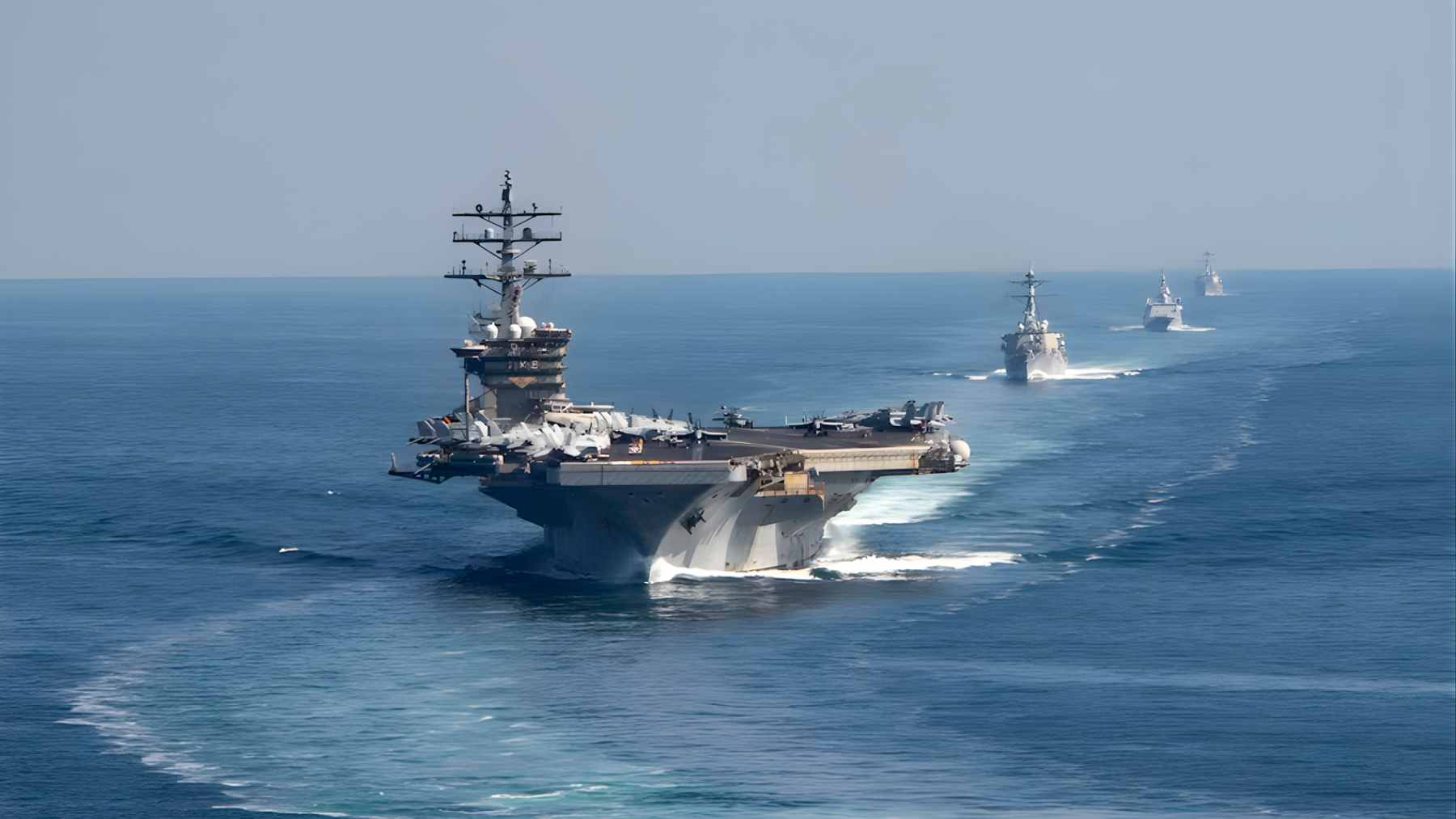
European leaders are signaling they will help protect commercial shipping through the Strait of Hormuz, but only when the fighting cools down. In a joint leaders’ statement dated March 19, 2026, they condemned attacks on merchant vessels and energy sites and said they are ready “to contribute to appropriate efforts” to ensure safe passage through the strait.
That might sound like classic geopolitics, but it is also an environmental story hiding in plain sight. When mines, drones, and missiles show up in one of the world’s busiest energy corridors, the risk is not just higher oil prices.
It is also the risk of a major marine pollution event, plus the extra emissions that come when ships detour or idle for days.
A ceasefire first approach from Europe
The joint statement is blunt about what triggered the alarm. It condemns Iran’s attacks on unarmed commercial vessels, strikes on oil and gas installations, and what it calls the “de facto closure” of the strait, while urging Iran to stop threats, mine laying, and drone and missile attacks.
But the key nuance came right after, especially from Rome. Italy’s defense minister Guido Crosetto publicly pushed back on what he called “incorrect interpretations,” saying “No war mission” and “No entry into Hormuz without a ceasefire and without a broad multilateral initiative.”
In practical terms, Europe is trying to keep two doors open at once. One door is maritime security planning with partners, and the other is a political exit ramp that starts with de escalation and a truce.
That balance matters for the environment, because the longer the shooting continues around energy infrastructure, the higher the odds that the sea becomes collateral damage.
Hormuz is an energy chokepoint with climate consequences
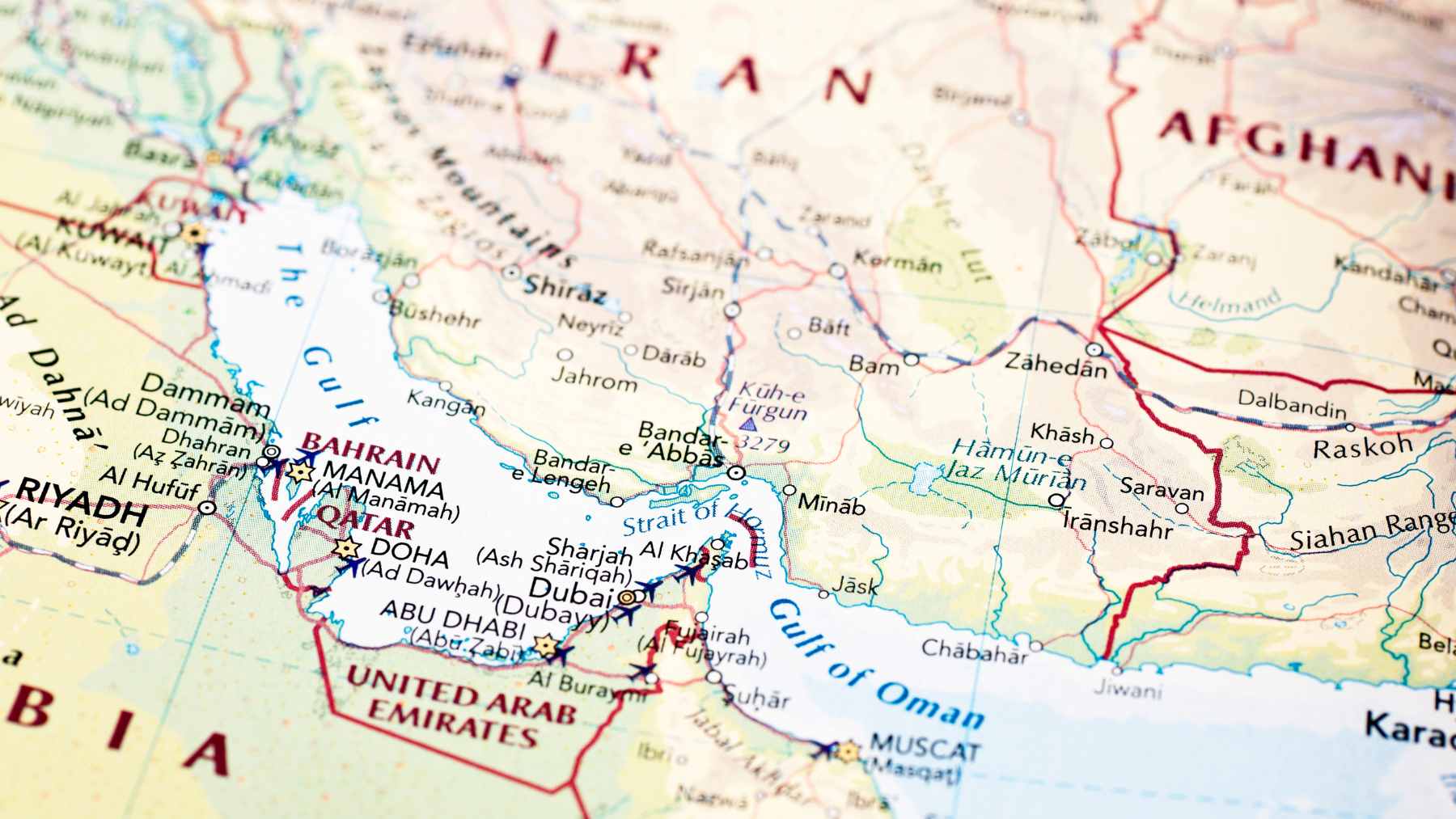
The Strait of Hormuz is not wide, and that is part of the problem. At its narrowest point it is about 21 miles wide, and the shipping lane in each direction is only about 2 miles wide with a buffer zone in between.
The volume moving through that narrow corridor is enormous. The U.S. Energy Information Administration estimates that in 2024, oil flows through Hormuz averaged about 20 million barrels per day, roughly 20 percent of global petroleum liquids consumption.
That is why even partial disruption ripples fast into business decisions and household budgets. You see it at the pump and in the electric bill, especially in countries that burn imported fuel for power. And once markets panic, the climate dimension kicks in too, because emergency responses often lean on whatever fuel can move first rather than whatever is cleanest.
The environmental risk is not theoretical
When a commercial tanker is hit, or when a mine goes off in a shipping lane, the immediate headline is security. The quieter risk is fuel and cargo entering the water, and in a semi enclosed sea that pollution can linger and spread along coasts.
History gives a rough sense of the stakes. NOAA’s incident record notes that during the 1991 Gulf War, an estimated 6 to 8 million barrels of oil were released into Gulf waters, which is about 252 to 336 million gallons.
Researchers have also described the Arabian Gulf as one of the most stressed marine environments in the world, facing overlapping pressures that include oil and gas activity and other forms of pollution. The point is not that 2026 will repeat 1991.
It is that a single accident or strike in the wrong place can turn a security crisis into an ecological one.
Longer routes mean higher emissions and higher prices
Even if ships are not hit, disruption changes behavior. Some vessels slow down, wait offshore, or reroute, and that translates into more fuel burned and more emissions for the same cargo delivered.
UN Trade and Development has been tracking this pattern across chokepoints, warning that longer routes increase costs for fuel, wages, and insurance while also boosting emissions.
It even notes that for a 20,000 to 24,000 TEU container ship on a major Asia to Europe route, CO2 costs alone can add about $400,000 under the European Union’s Emissions Trading System.
And shipping’s emissions baseline is already big. The International Maritime Organization estimates total shipping emitted 1,056 million metric tons of CO2 in 2018, which is about 1.16 billion U.S. tons, or about 2.89 percent of global human caused CO2 emissions.
So when trade routes get longer, the climate math gets uglier, even before you count the knock on effects in supply chains and consumer prices.
Military and tech choices can reduce or amplify the spill risk
There is also a live debate over how the world should respond. On March 23, 2026, Reuters reported that Bahrain pushed a draft U.N. Security Council resolution seeking authorization for “all necessary means” to protect Hormuz shipping, while France tabled a rival text with a more diplomatic tone focused on de escalation and a ceasefire.
That split is not just political theater. A heavy military posture might deter attacks, but it also increases the number of high value targets and the chances of a miscalculation in tight waters. On the other hand, doing nothing leaves civilian ships exposed in lanes that are only a couple miles wide.
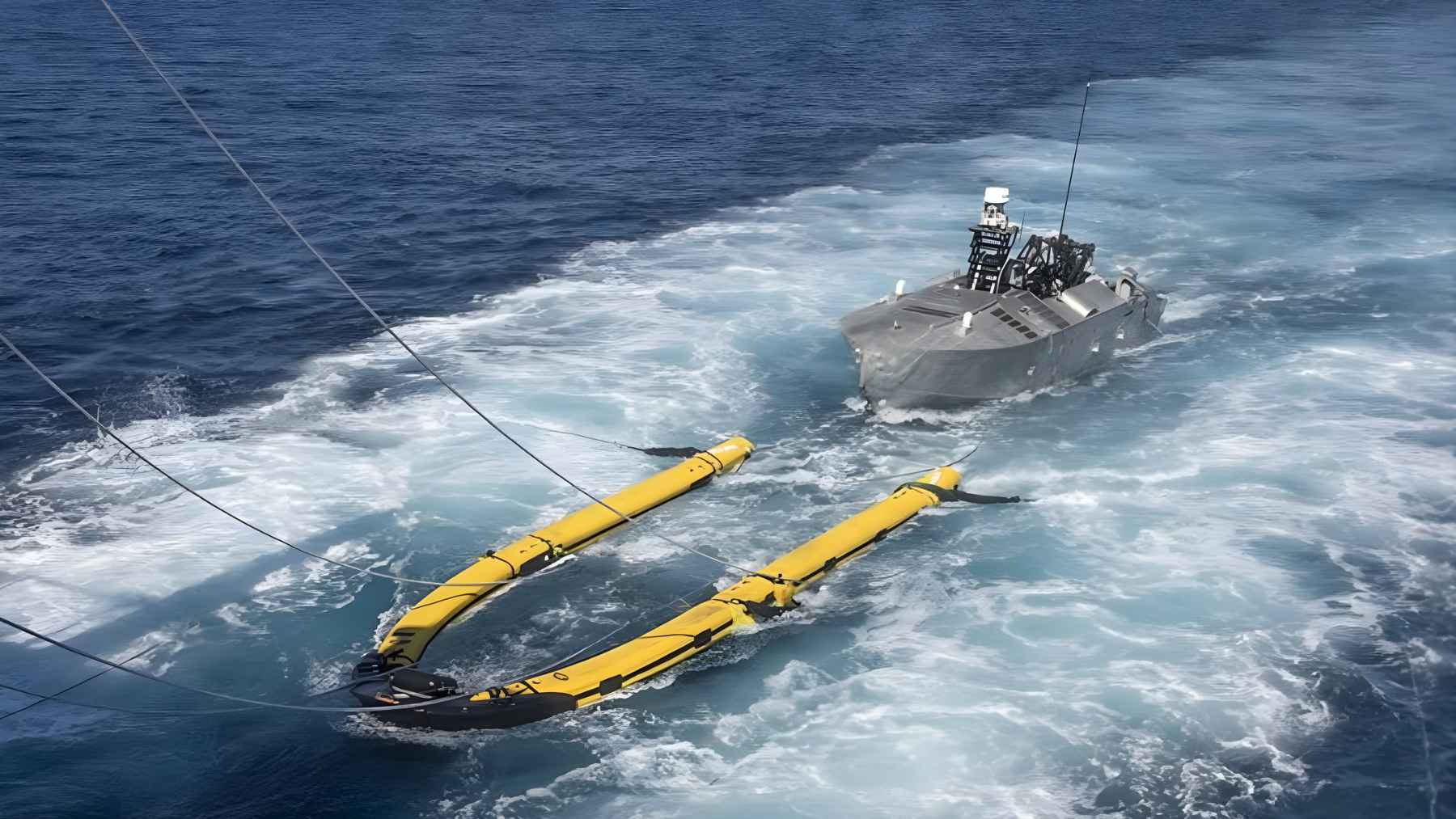
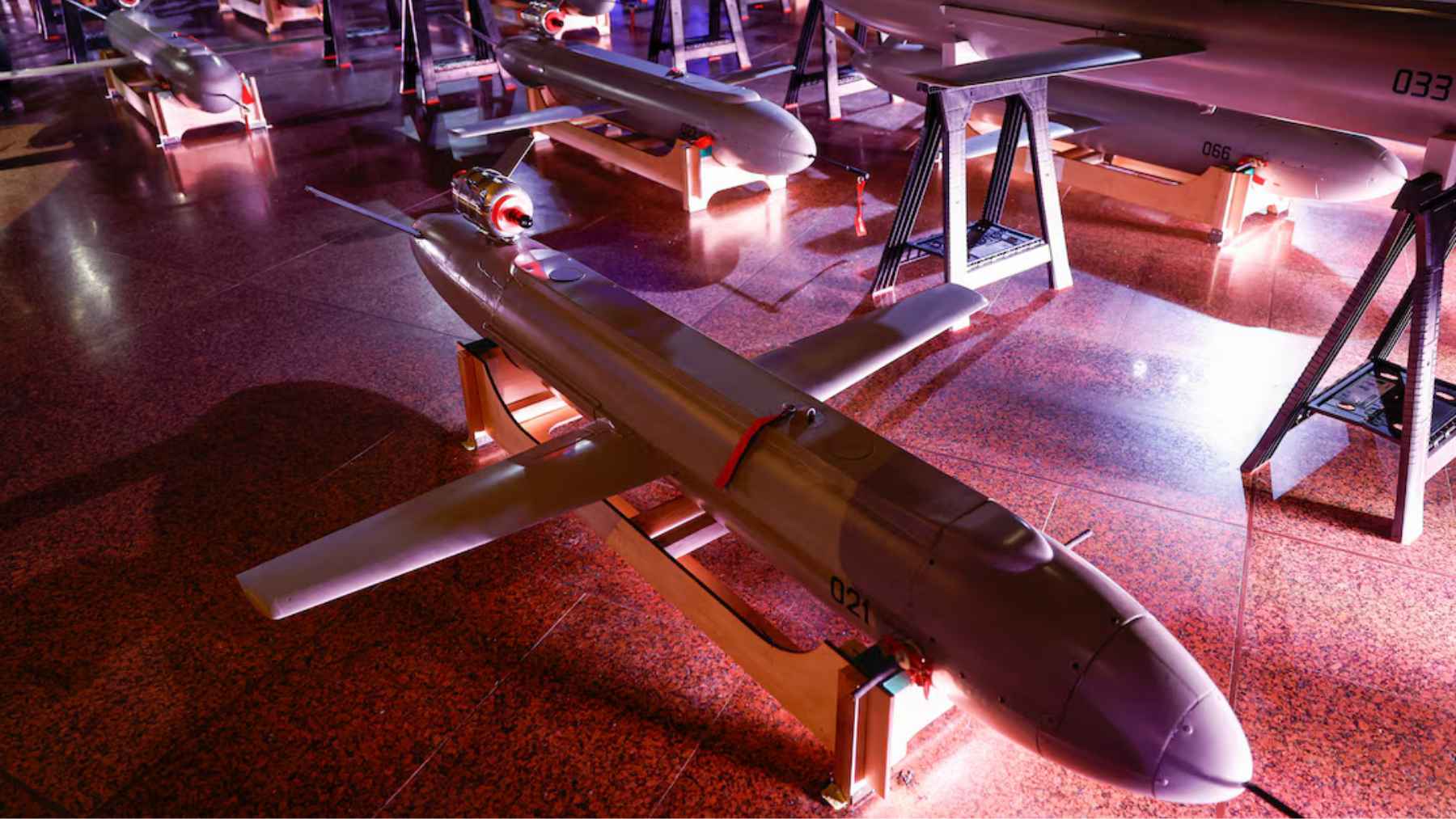
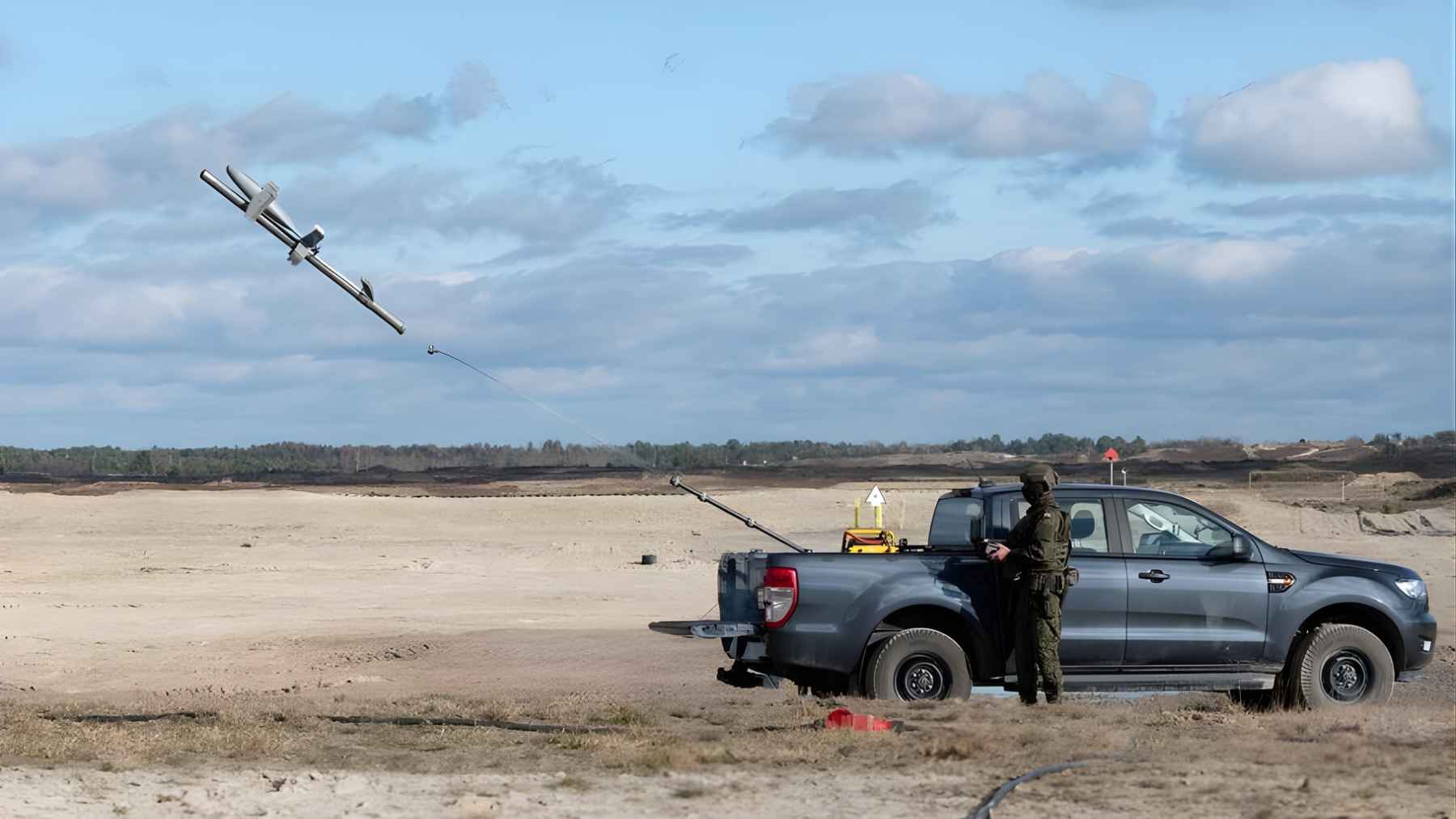
Technology sits in the middle of that trade off. Modern maritime security depends on surveillance, threat detection, and rapid response, including tracking commercial traffic and spotting hazards early. Used well, that can prevent sinkings and spills and shorten response time if an incident happens, which is the difference between a contained slick and a coastline disaster.
What to watch next for business and climate policy
The joint leaders’ statement also points to market tools, not just naval ones. It welcomes a coordinated release of strategic petroleum reserves and says countries will take steps to stabilize energy markets, including working with some producers to increase output.
Meanwhile, the broader war context is pushing governments into expensive decisions that can crowd out climate spending. In the United States, the Pentagon has sought an additional $200 billion for the Iran war, according to reporting by the Associated Press and Reuters, a figure that is already facing political scrutiny.
At the end of the day, the cleanest form of “Hormuz insurance” is reducing how much the global economy depends on oil that must pass through a single narrow corridor. That means more efficiency, more electrification, and more resilient supply chains, even if progress feels slow during a crisis.
The official statement was published on GOV.UK.