On Tuesday night, some Meta employees were told to work from home the next day. If you got that message in your inbox, would you assume it was about flexibility or something more ominous? Business Insider reported the note went to staff in Meta’s wearables and ads groups as leadership prepared to share “more information.”
By Wednesday, the story looked less like a perk and more like a signal. Meta is reshaping teams to fund an AI sprint, and that reshuffle is quietly moving the company’s footprint from office buildings to data centers.
Fewer commuters can mean less exhaust in traffic jams, but the servers training AI models show up somewhere else, usually on the power grid and, eventually, on the electric bill.
What happened inside Meta
Business Insider said employees in wearables and ads were instructed to work remotely on Wednesday after receiving a short HR email on Tuesday night.
The same report noted Meta’s wearables unit includes AI glasses and augmented reality work, and it is described as one of several “key investment areas” for 2026 in the company’s latest earnings materials.
Reuters then reported Meta was laying off “a few hundred” employees across multiple teams that Wednesday, with the company pointing to routine restructuring and role changes. Reuters also referenced earlier reporting about potentially sweeping cuts, and noted Meta had nearly 79,000 employees as of the end of 2025.
The AI buildout is the real story
Meta’s own guidance shows where the money is going. In its January 28, 2026 results press release, Meta forecast 2026 total expenses of $162 billion to $169 billion and said “the majority” of expense growth would come from infrastructure costs like cloud spending, depreciation, and operating expenses.
It also projected 2026 capital expenditures of $115 billion to $135 billion, driven by investment for “Meta Superintelligence Labs efforts” and the core business.
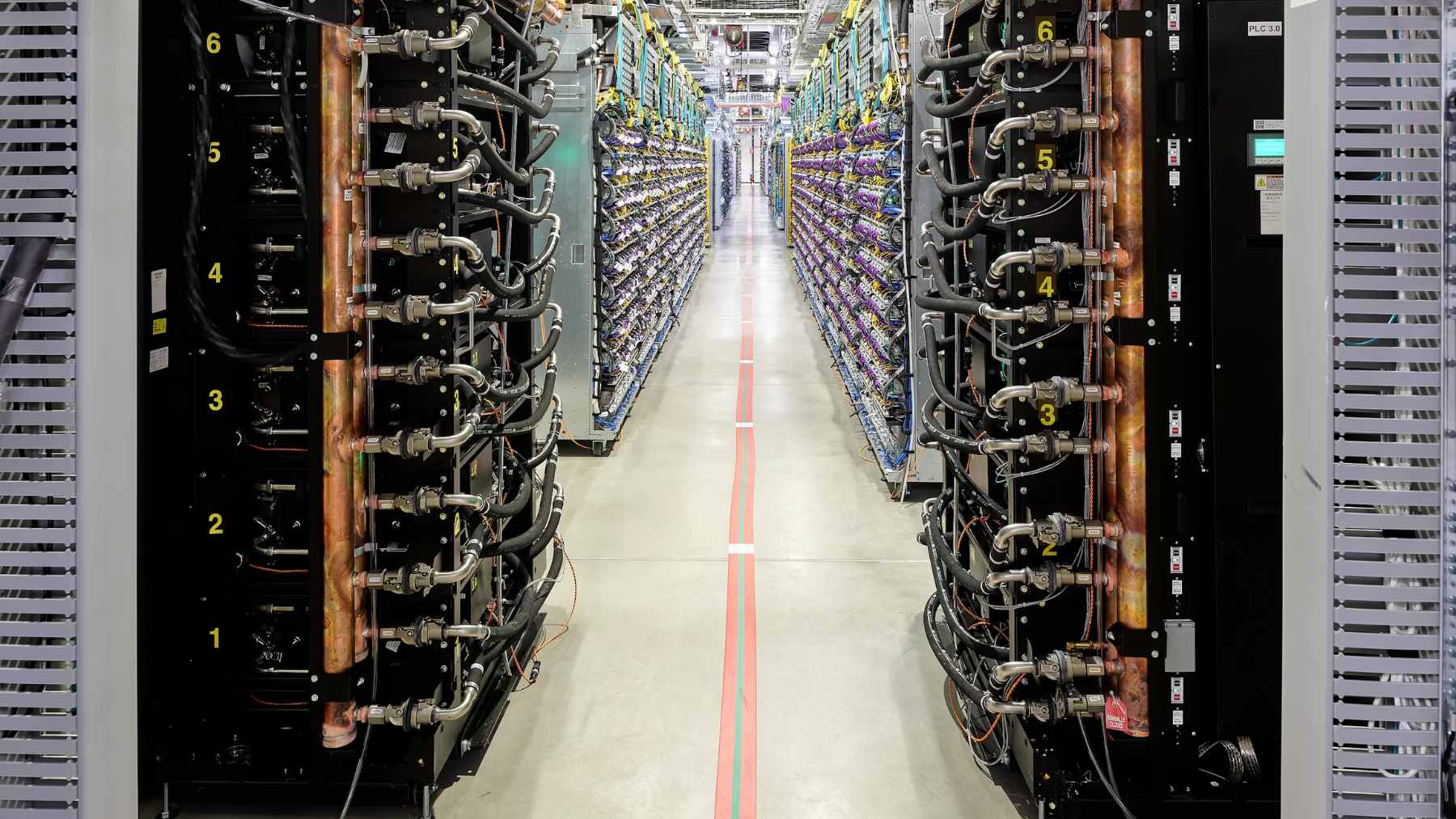
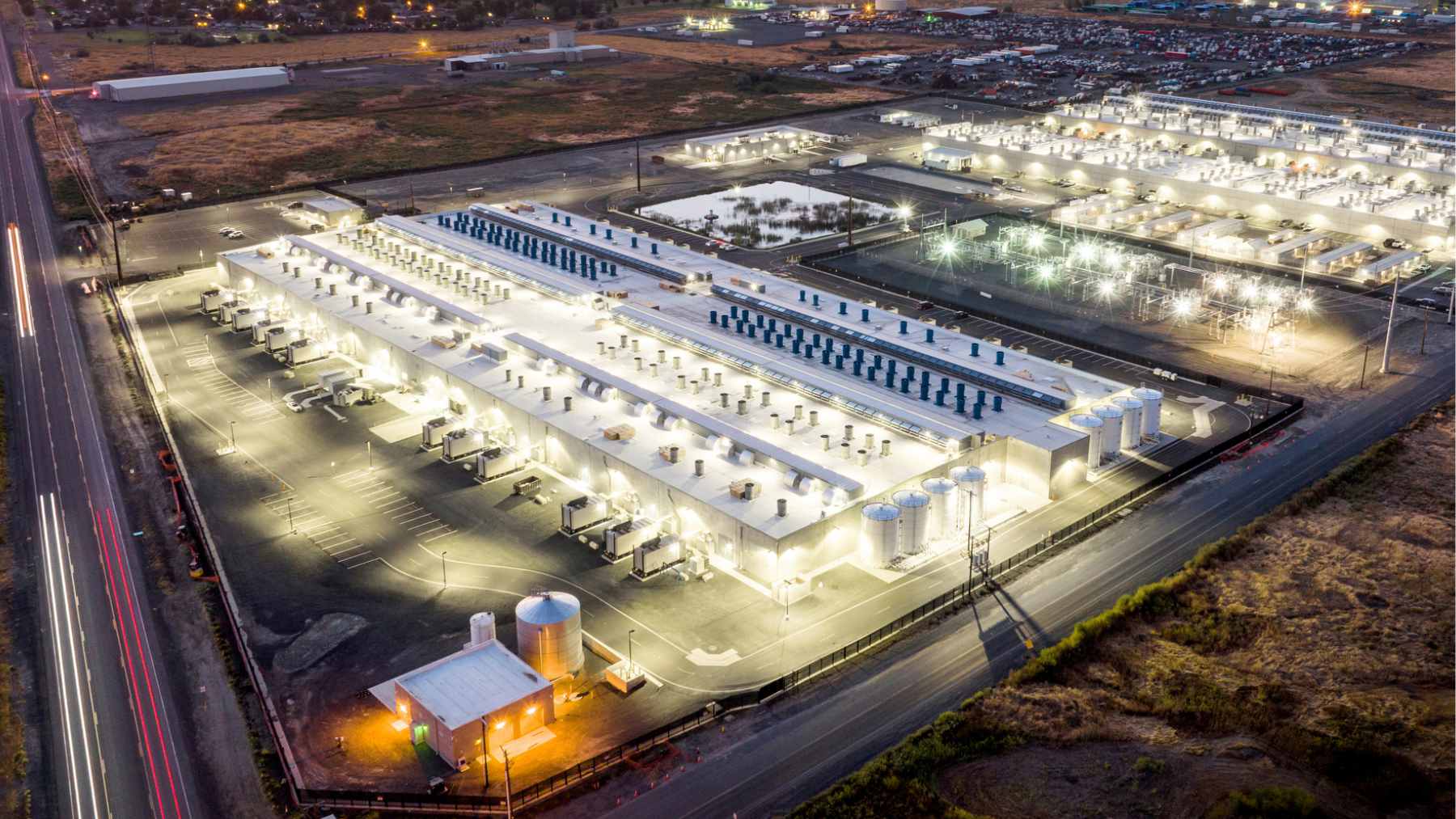
That scale matters for the environment because electricity is now a core input to the AI economy. The International Energy Agency says data centers used about 415 terawatt-hours in 2024, around 1.5% of global electricity, and projects data center electricity demand will more than double by 2030 to about 945 terawatt-hours, with AI as the biggest driver.
Think about that for a second…it is like adding another major country’s power demand into the mix.
In the United States, federal researchers are already warning about how fast this load is rising. A U.S. Department of Energy summary of a 2024 Lawrence Berkeley National Laboratory report says data centers consumed about 4.4% of U.S. electricity in 2023 and could reach roughly 6.7% to 12% by 2028.
Reuters adds that grid operators and regulators are pushing data centers toward “demand response,” basically trimming power use during peak hours to avoid blackouts and bigger bills.
A remote work day helps, but only at the margins
Working from home can reduce transportation emissions, at least in some contexts.
A 2025 study in Transportation Research Interdisciplinary Perspectives that analyzed 141 U.S. metro areas found a higher share of working from home in 2021 was linked to lower transportation emissions, and it estimated that a 1% increase in working from home corresponded to about a 1.8% reduction in daily average transportation emissions per capita. That is not nothing.
But it is also not a magic wand. Home energy use can rise when people stay in all day, and the biggest growth story for Big Tech emissions often sits in construction, hardware manufacturing, and round the clock computing.
A one day remote-work instruction barely dents that curve when a company is building out infrastructure on the scale Meta is signaling.
Wearables and the e-waste trap
Meta’s wearables push, including AI glasses and AR, adds another environmental pressure point that gets overlooked in layoff headlines. More devices sold usually means more devices retired, and the world is already struggling with electronic waste.
The World Health Organization says the planet generated an estimated 68 million tons of e-waste in 2022, and only 22.3% was documented as formally collected and recycled.
Meta’s sustainability messaging leans into cleaner energy and a longer-term “net zero” destination, but the hardware question remains very practical.
In its 2025 Sustainability Report, Meta says it aims to achieve net zero emissions across its value chain and become water positive in 2030, while continuing to match 100% of its electricity use with clean and renewable energy, and it highlights nearly 29 gigawatts of wind and solar projects it supports globally.
Those goals get harder, not easier, if the industry keeps shipping more gadgets that wind up in drawers, landfills, or informal recycling streams.
Defense planners have skin in this game too
This is not just a Silicon Valley problem, because energy and climate are now baked into security planning. NATO’s 2024 Climate Change and Security Impact Assessment warns that accelerating climate change has “a profound impact on Allied security,” and it looks at effects across domains including air, sea, and even the resilience of critical defense systems.
AI infrastructure is part of that ecosystem, especially as militaries rely more on cloud services, data analysis, and cyber capabilities.
On the U.S. side, resilience planning increasingly treats energy and water as mission issues, not background utilities.
A 2025 update to DoD Instruction 4715.28 emphasizes installation resilience planning that can include cyber-resilient microgrids, and it also calls out water and wastewater resilience with conservation, reuse, and varied sources in mind.
When data centers cluster in specific regions, the same logic applies, because grid fragility and water stress can turn into operational risk fast.
What to watch next
One near-term tell will be transparency. Reuters reported that the U.S. Energy Information Administration is launching pilot surveys in states including Virginia, Washington, and Texas to better gauge data center energy use, in part because the full scale of demand is still murky.
The more visibility regulators get, the harder it will be for everyone to pretend this is just “tech growth” without real-world costs.
Meta’s internal shakeup might fade from the news cycle, but the power question will not. In practical terms, the next phase of the AI race is going to be negotiated with utilities, communities, and governments, not just coders and executives.
The press release was published on Meta Investor Relations.