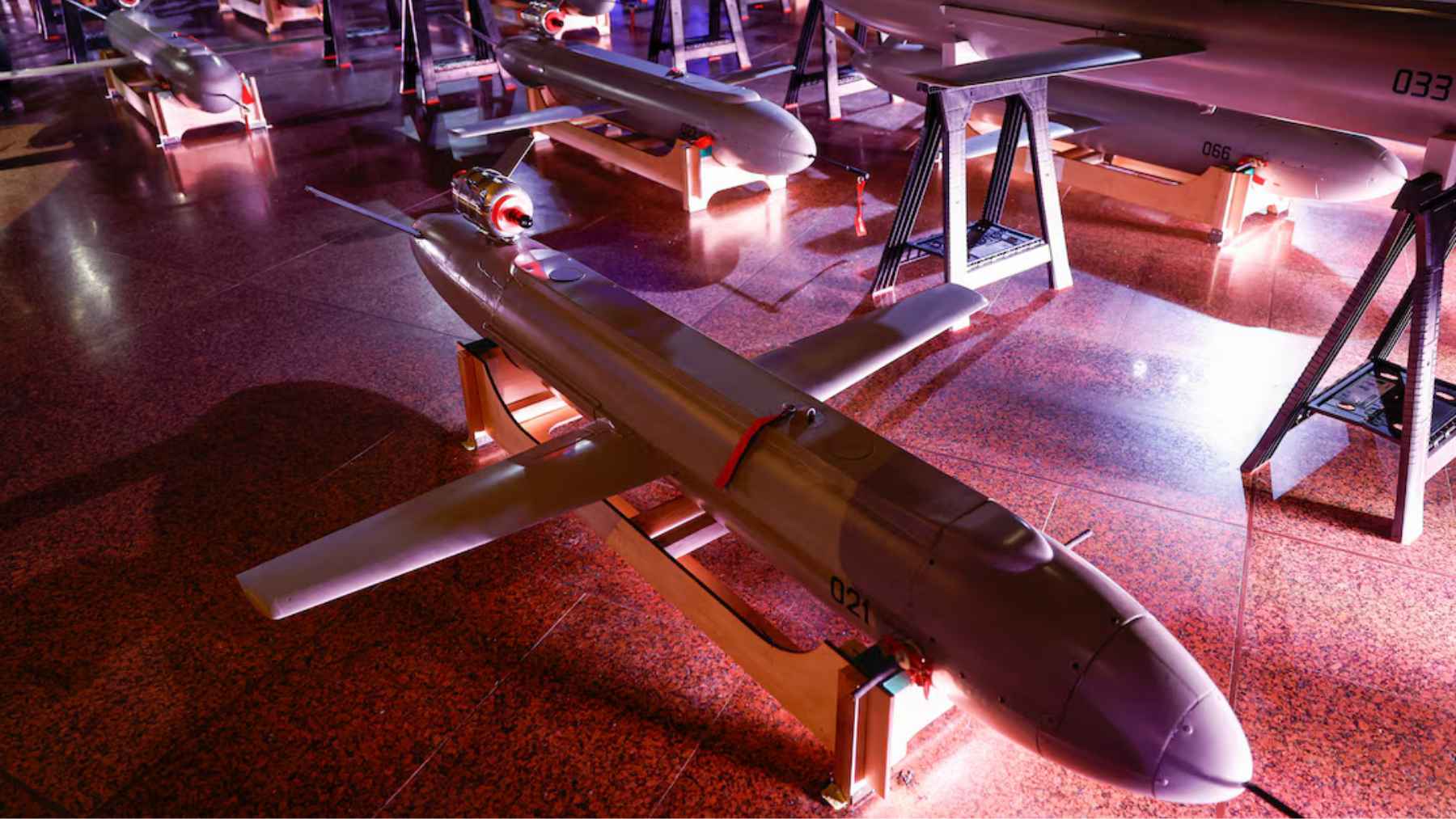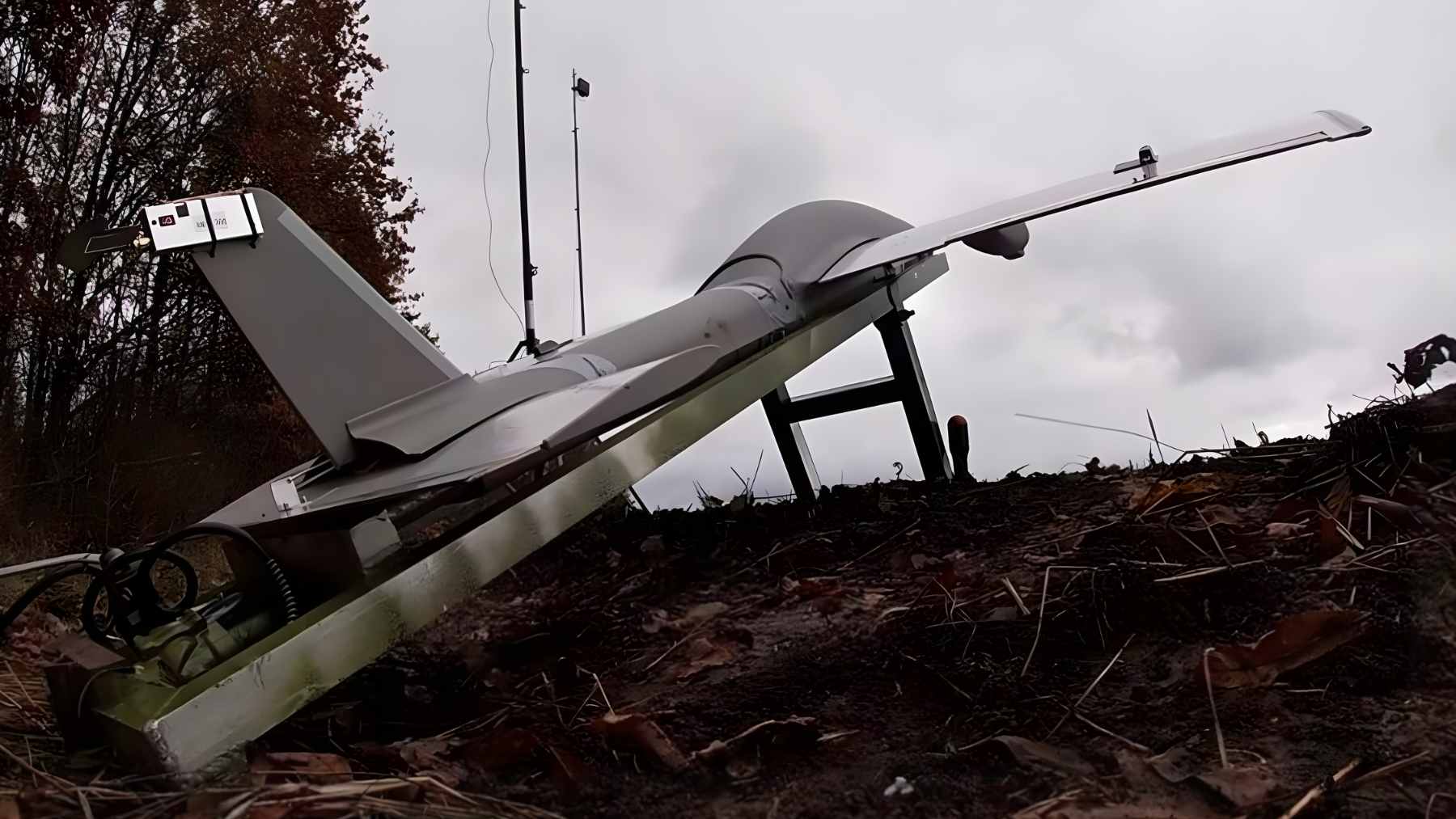
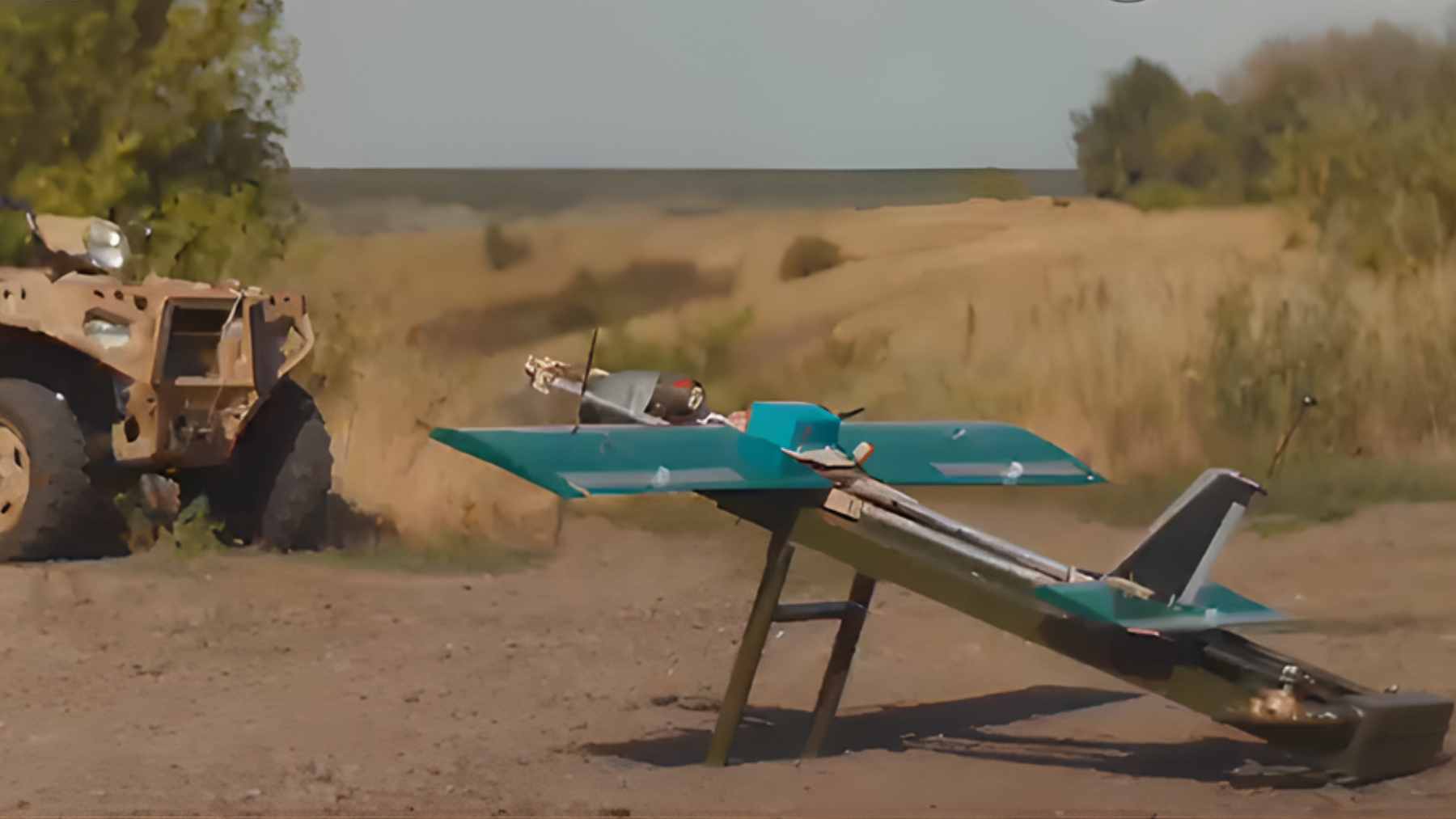
Russia is upgrading its low-cost Molniya strike drones with extra batteries and better cameras, and Ukrainian officials say some are now being used for reconnaissance as well as attacks. Ukrainian defense ministry adviser Serhii “Flash” Beskrestnov described the shift as a way to scout targets without leaning so heavily on pricier surveillance platforms.
It is easy to treat this as just another drone adaptation story. But “cheap and expendable” could also mean more broken electronics in farm fields and treelines.
A cheap drone gets smarter
Business Insider reports that some Molniyas now carry additional batteries, a high-definition camera, and a mesh modem to improve communications, and that an intelligence variant can drop the warhead and focus on surveillance. The report also describes a setup with onboard electronics like a microcomputer and a rotating camera with a 10-fold optical zoom.
Cost is the point. Business Insider notes that reconnaissance drones can run up to $100,000 each, while Molniyas use low-cost materials like plywood, foam, and aluminum, and Russia can field roughly 10 to 15 of them for the price of one higher-end platform.
The tech race favors expendable designs
Ukraine’s countermove has been volume, too. In another Business Insider report, President Volodymyr Zelenskiy said Ukraine can manufacture at least 2,000 interceptor drones per day, and some models cost as little as $1,200, while Russian drones are estimated at $10,000 to $100,000. (businessinsider.com)
Connectivity is changing just as fast. Business Insider says Russia has begun using fiber-optic cables on some Molniyas to resist jamming, with Beskrestnov saying the tethered version has appeared at least five times and can fly roughly 30 to 60 miles, depending on configuration.
When the drone falls, the pollution stays
Fiber-optic control solves a battlefield problem, but it leaves a physical trail. The Conflict and Environment Observatory says spools typically carry five to 20 kilometers of plastic cable, with reports of spools as long as 41 kilometers, and that the cable is rarely recovered during active fighting and is difficult to recycle.
CEOBS says the long-term impacts remain unclear, but it highlights risks like wildlife entanglement and microplastics as cable breaks down. It also raises concerns that some cable coatings are fluoropolymers in the PFAS family of highly persistent chemicals.
The debris does not stop with cable. The World Health Organization says the world generated an estimated 68 million tons of electronic waste in 2022 and that only 22.3% was formally collected and recycled. It is not so different from the old gadgets piling up in a drawer, just scattered outdoors.
Ukraine’s cleanup burden is already enormous
The land is already dealing with hazards that make environmental work slow and dangerous. UNDP says Ukraine initially estimated up to 30% of its territory could be contaminated by mines and explosive remnants of war, a figure it says has been reduced to 23% through surveying and clearing, with nearly 13,500 square miles returned to productive use.
Rubble is another barrier to rebuilding. UNDP said in February 2026 that it has supported the clearance of over one million tons of debris and enabled work at more than 1,600 heavily damaged sites, while using protocols to identify hazards like asbestos and sort materials for recycling.
The money involved is staggering. A February 2026 World Bank-led assessment put Ukraine’s reconstruction and recovery needs at nearly $588 billion over the next decade, and it estimated explosives hazard management and debris clearance at almost $28 billion.
Environmental recovery is now part of defense planning
Cleanup is starting to look like a sector of its own. UNEP says Japan is funding a US$4 million supplementary grant that includes work in Ukraine to build capacity for hazardous waste management, including sustainable approaches for war debris that contains asbestos.
Essentially, that means the “end of life” of military tech is less of a side issue than it used to be. It is becoming a business and policy question about tracking, collection, and recycling, much like the systems public health experts argue are needed for everyday electronics.
What to watch next
If cheaper reconnaissance becomes the default, the volume of scattered batteries, plastics, and cable could climb, even if each individual drone is small. Who cleans it up, and when, in a country where debris and explosive hazards are already slowing recovery.
There are early signposts for what “better” could look like. WHO argues for formal e-waste collection and environmentally sound recycling, and humanitarian law experts working with UNEP have stressed that conflict pollution needs coordinated, science-based responses so recovery is not postponed for decades.
The bottom line
Russia’s Molniya upgrades show how reconnaissance is being pushed toward “good enough” sensors on cheap airframes, scaled up fast when the opponent is shooting drones down.
The environmental twist is that the battlefield is starting to look like an electronics dump, on top of the mines, rubble, and damaged infrastructure Ukraine is already trying to clear. Ukraine’s recovery will depend on cleanup work that is as methodical as any military innovation.
The press release was published on the World Bank.