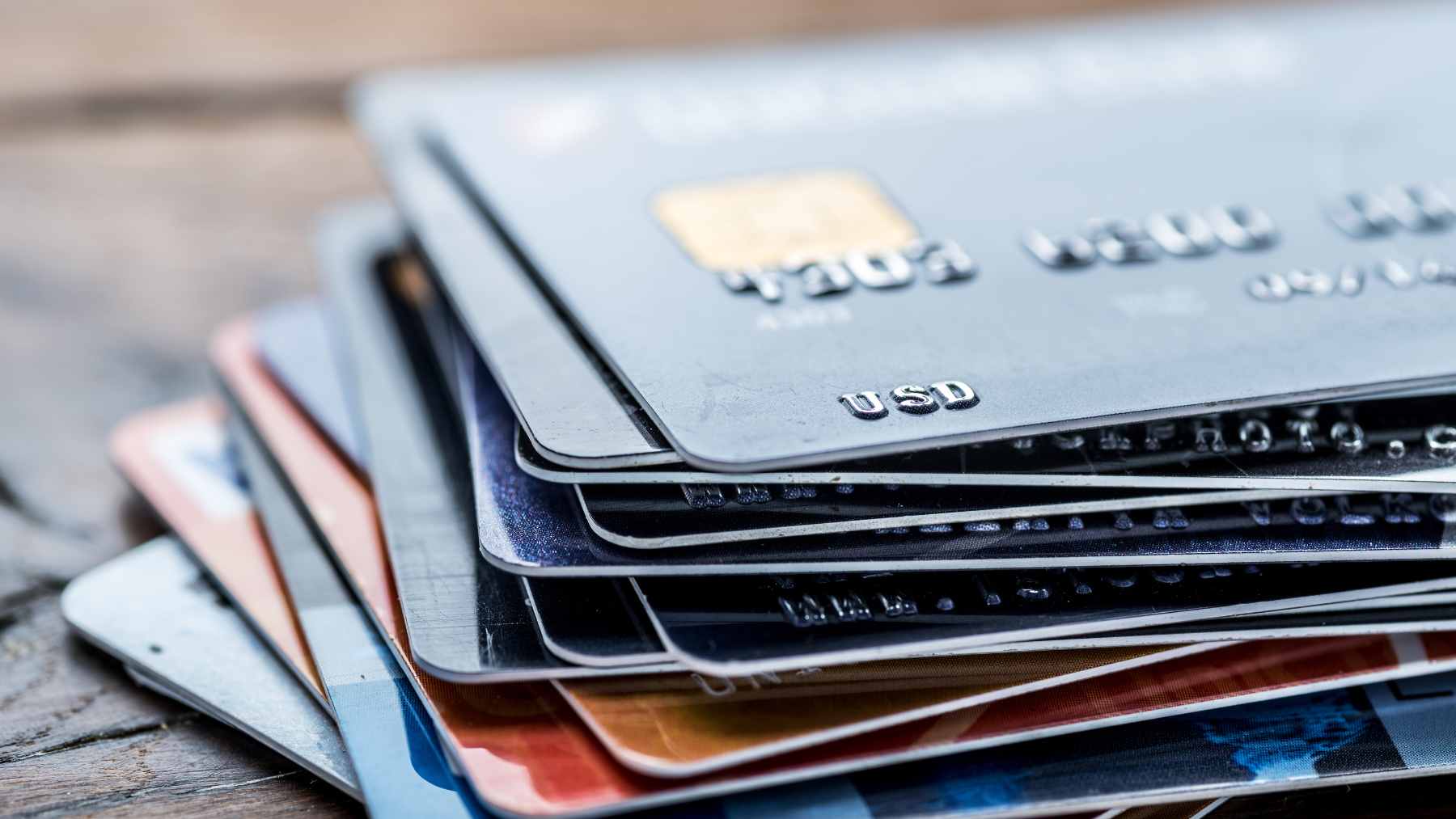
If you have ever squeezed onto a packed subway or waited in a long checkout line, you have probably felt that tiny modern worry: what if someone nearby is quietly “reading” my card? That fear is why a surprisingly old-school tip keeps going viral, wrapping credit and debit cards in aluminum foil.
Yes, the idea is grounded in real physics. But it is not a magic spell, and it comes with an overlooked twist that matters for the planet. Our payment habits already generate a mountain of plastic, and even small “security hacks” have an environmental footprint of their own.
Why foil can block contactless signals
Most tap-to-pay cards use contactless smart card technology based on the ISO and IEC 14443 standard, which operates at 13.56 MHz and is designed for very short distances. A compliant reader typically has an activation field of about 10 centimeters, or roughly 4 inches.
That short range is the key detail people miss. A scammer does not “pull” your card number from across the street in some movie-style heist, because the card has to be close enough to be powered by the reader’s electromagnetic field.
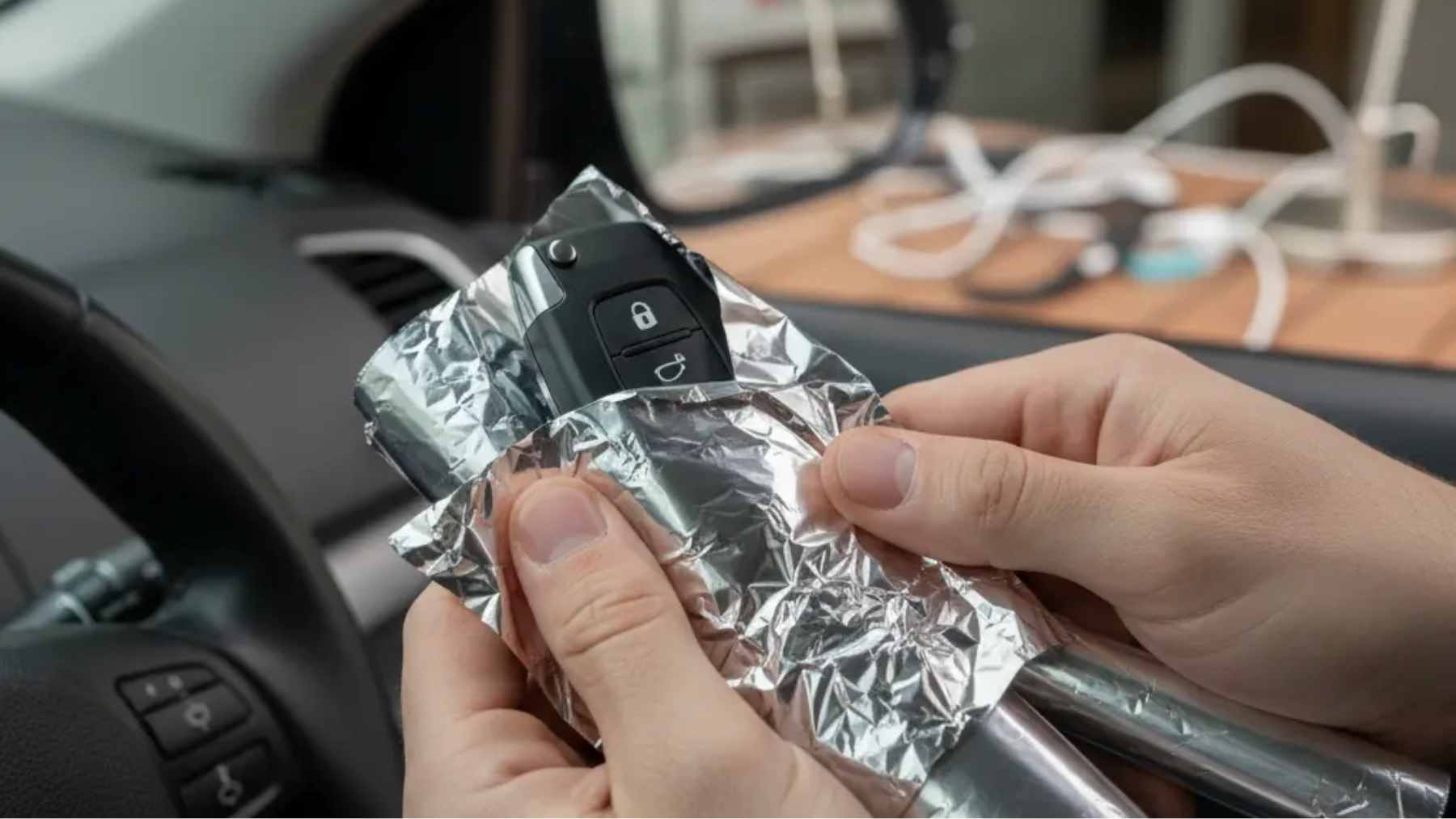
Foil works because it is conductive. When it fully surrounds a card, it can act like a rough “Faraday cage,” reducing how much radio energy reaches the chip and how much the chip can send back. But the wrap has to be complete and intact, which is why quick, loose wraps can disappoint in real life.
The threat is real but it is not the whole story
The bigger picture is that most payment fraud is not a stranger “pinging” your wallet on the sidewalk. In-person crime is still a problem, but it is often tied to physical tampering at ATMs and terminals, not contactless waves in the air.
In the US, more than 231,000 debit cards were compromised by skimming activity in 2024, according to figures cited by the American Bankers Association from FICO.
Contactless payments also have built-in security advantages compared with old magnetic stripes. One state government privacy guide notes that chip and tap-to-pay transactions rely on encryption and dynamic authentication, making transaction data much harder to reuse.
Still, “isolated cases” of fraud using NFC readers at close proximity have been reported, and that uncertainty is exactly why these foil and RFID-sleeve habits have staying power. The same guide points out that limits and authentication requirements help reduce exposure, but it does not claim the risk is zero.
Aluminum has a climate cost that people forget
Here is the environmental wrinkle. Aluminum feels like a harmless kitchen material, but producing primary aluminum is energy-intensive, especially because smelting depends heavily on electricity.
The International Aluminium Institute estimates that in 2019, global primary aluminum production used about 186 gigajoules per tonne from mine to cast house.
Recycling changes that math dramatically. The same source estimates recycled aluminum required about 8.3 gigajoules per tonne, an energy saving of roughly 95.5% compared with primary production.
So if someone starts tearing off fresh foil every morning “just in case,” they may be trading one kind of risk for another. It is not going to melt the planet by itself, of course, but it is a good reminder that materials have a backstory, even when they come in a cheap roll.
Plastic cards are a quiet waste problem
The payments industry’s own numbers show why this matters. Mastercard has said about six billion payment cards are produced each year, typically from PVC, and they are replaced on average every three to four years.
That means a steady stream of expired and reissued plastic, even before you count replacement cards driven by fraud and account takeovers.
That constant churn is starting to collide with sustainability goals. Mastercard’s public strategy is to accelerate the shift away from first-use PVC plastics toward more sustainable materials across its network, a move the company says it is pushing toward 2028.
Some banks and card programs are already experimenting with recycled plastics, bio-sourced materials, and even paper-based alternatives for certain prepaid formats. But for most people, the “eco” part still feels invisible because the card is small, and the impact is spread across billions of wallets.
The military and defense connection hiding in plain sight
It is easy to laugh at a DIY foil wrap until you realize the same principle sits inside serious defense planning. Faraday cages and shielded enclosures are a standard tool for reducing electromagnetic interference and protecting sensitive systems.
A defense technical briefing from DTIC’s Information Analysis Center notes that Faraday cages are “common” for electromagnetic shielding, even if they can be heavy and design-dependent.
US government guidance aimed at protecting mission critical equipment from electromagnetic pulse events also points to the same concept. It describes using a small, shielded cabinet or enclosure called a Faraday cage as one mitigation option for certain assets.
And this is not just theory. NIST researchers have published measurement methods for the shielding effectiveness of electrically small enclosures, including work tied to shielding electronics on spacecraft.
That is the professional version of the same “block the signal” instinct people are trying to copy with foil.
A smarter and greener way to protect yourself
In practical terms, foil is best seen as a temporary tool, not a lifestyle. If you use it, reuse the same piece, wrap fully, and replace it only when it is torn, because gaps matter when you are trying to block a field. And if you do toss it, check local rules first since foil recycling acceptance can depend on contamination and local sorting equipment.
There are also lower-waste ways to reduce real-world fraud. Turn on instant purchase alerts, check statements, and use mobile wallets from trusted platforms, since tokenization can add another layer between a transaction and your real account details.
It is the kind of small habit that saves you time later, and nobody misses the “call your bank and wait on hold” routine.
The more interesting takeaway is bigger than foil. Security, convenience, and sustainability are now tied together in the payment ecosystem, and changes in one area often push costs into another.
The official statement was published on U.S. Department of Homeland Security.