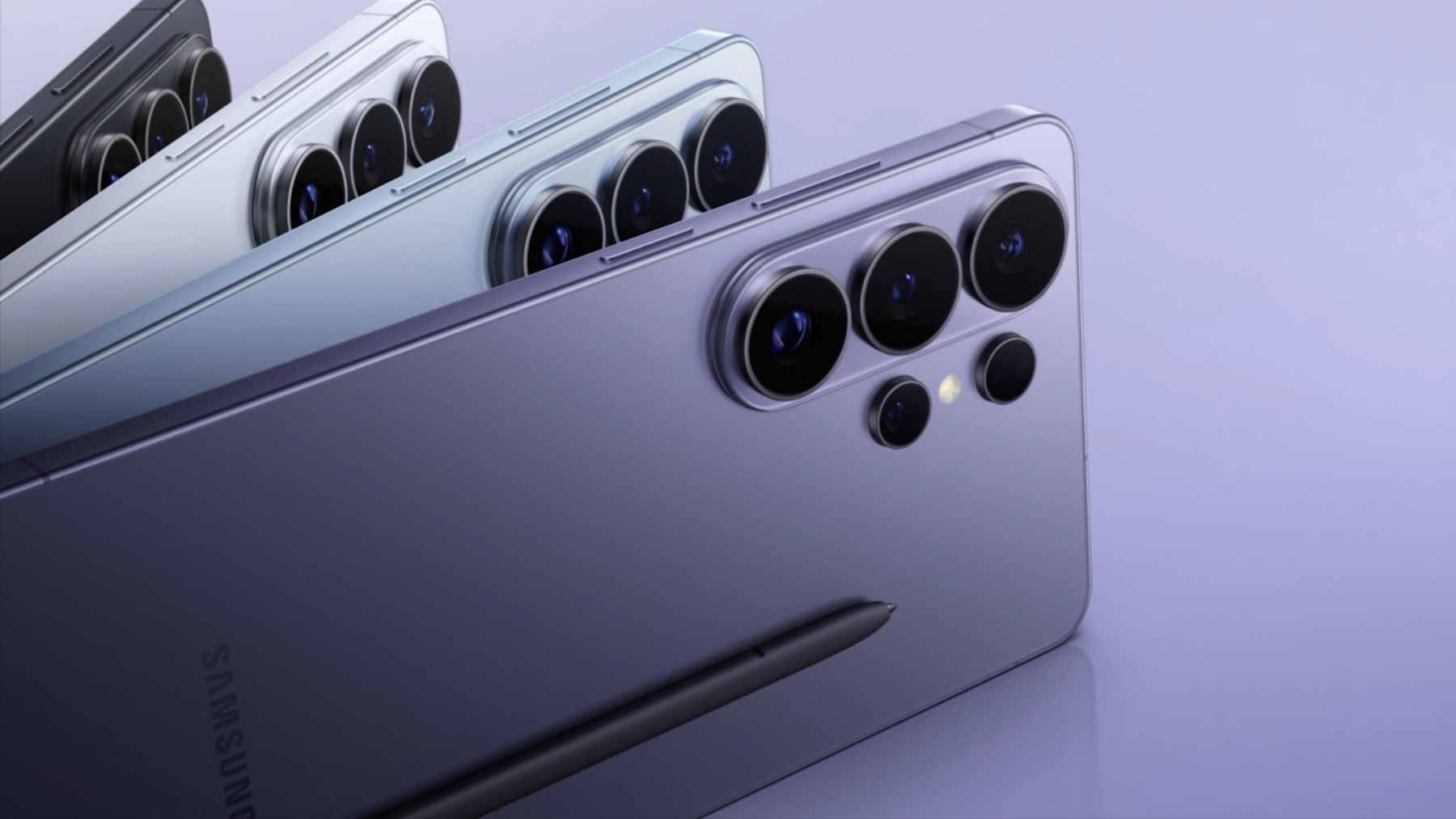
For years, the easiest way to share a full-quality photo across a table depended on one awkward question. “Do you have an iPhone?” Now Samsung says the Galaxy S26 lineup can send files directly to Apple devices using AirDrop through an upgraded version of Quick Share.
It sounds like a convenience update, but it also brushes up against a real environmental problem. The world generated about 68 million tons of e-waste in 2022, and only 22.3% was documented as formally collected and recycled.
A new bridge between iOS and Android
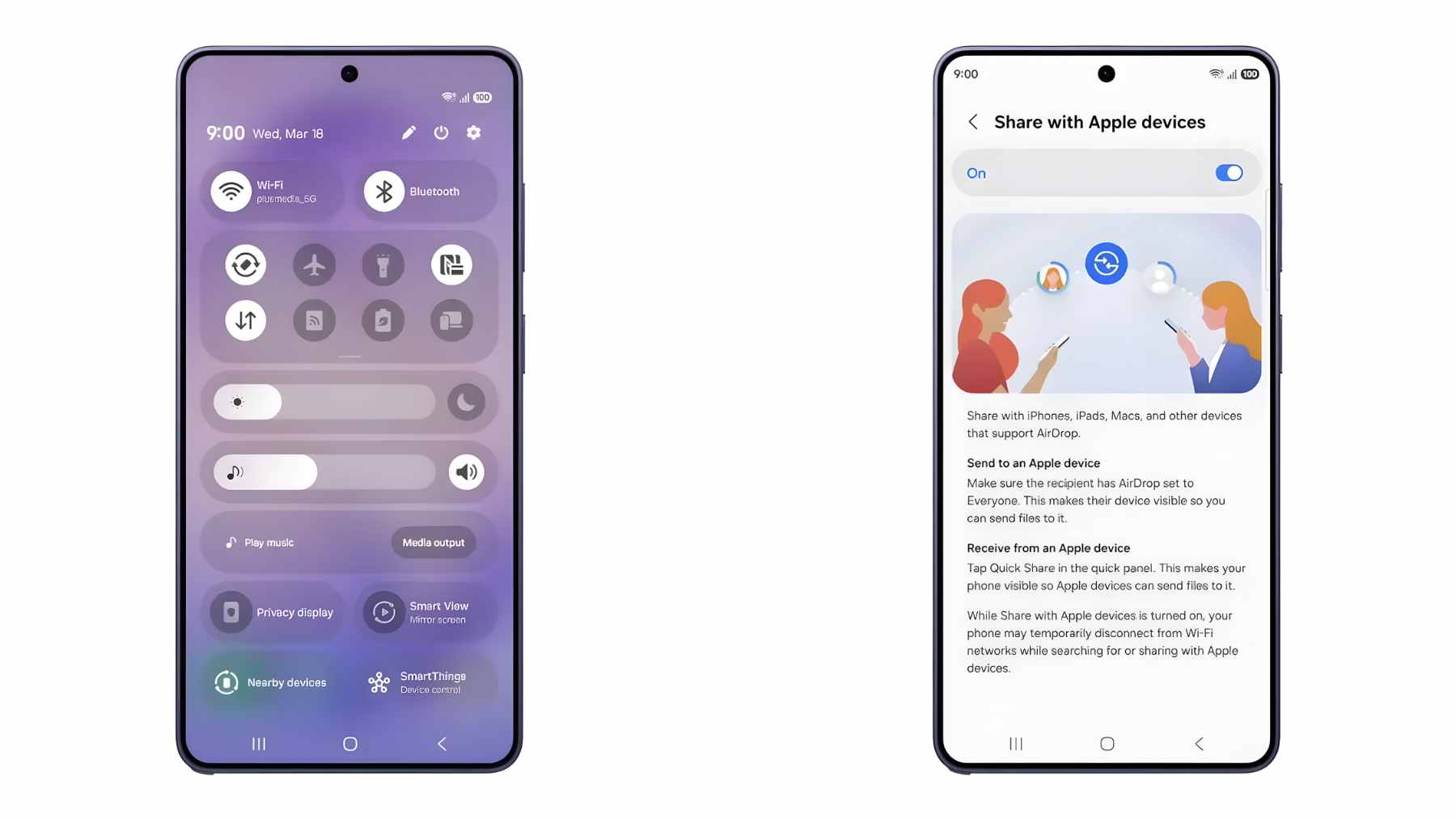
Samsung’s rollout adds a toggle called “Share with Apple devices” inside Quick Share on the Galaxy S26, S26 Plus, and S26 Ultra. Once on, nearby iPhones, iPads, and Macs can appear as targets for a direct transfer, without a third-party app in the middle.
There’s one important catch that matters in real life, especially in crowded places. Apple devices typically need AirDrop receiving set to “Everyone for 10 Minutes” for these cross-platform transfers, and Google’s own Quick Share help page tells users to use that setting when sending to iPhone, iPad, or macOS.
For now, this is mostly a Galaxy S26 story, with broader expansion still framed as “later.” That kind of staged rollout is typical, but it also means mixed households and workplaces may be waiting a bit longer if they are on older hardware.
Why this is an environmental story
Interoperability is not just about convenience, it changes buying behavior. When ecosystems stop acting like walled gardens, it gets easier to keep the phone you already own and still work smoothly with friends, family, and coworkers.
That matters because the biggest environmental hit often comes before a phone ever reaches your pocket.
A 2024 ITU and World Bank report estimated smartphone manufacturing (embedded) emissions at 57 million tCO2e in 2022, along with 119 TWh of electricity use. That is a reminder that the cleanest upgrade is often the one you do not rush into.
Zoom out, and the waste numbers are hard to ignore. Global e-waste is on track to rise to 90.2 million tons by 2030, while documented collection and recycling still sits below one quarter in the latest UN-backed monitoring.
Regulation and business are pushing the walls down
This move also lands in a political moment where “closed” ecosystems are under pressure, especially in Europe. The European Commission’s Digital Markets Act materials explain that, under Article 6(7), Apple must provide “free and effective interoperability” with hardware and software features controlled by iOS and iPadOS for developers and businesses.
Apple has argued that some DMA-style openings can increase risk, and it has publicly warned EU users about potential security and privacy tradeoffs from mandated changes like alternative app distribution. That push-and-pull is part of what makes the AirDrop story bigger than one feature toggle.
From a business angle, Samsung and Google both benefit when cross-platform sharing feels normal, not “a trick.” And once customers get used to frictionless sharing, it is harder to sell them on the idea that they must buy a second device just to make everything work together.
The security tradeoffs people forget
AirDrop is not magic, it is radio tech plus smart software. Apple’s own security documentation says AirDrop uses Bluetooth Low Energy and a peer-to-peer WiFi connection, and that the connection is encrypted with TLS.
Still, user settings matter, and “Everyone for 10 Minutes” exists for a reason. Apple’s support pages describe how that mode automatically changes after 10 minutes, which helps reduce unwanted requests in places like airports, malls, and conference halls where lots of devices are nearby.
For organizations, the caution is familiar. NIST’s guidance on Bluetooth security notes that wireless technologies bring real risks like eavesdropping and man-in-the-middle attacks if they are not managed correctly.
So the practical advice stays boring on purpose–keep receiving limited, accept transfers only when you expect them, and do not leave discoverability on all day.
Why defense and emergency teams will pay attention
“Military and defense” might feel far from photo sharing, but interoperability is a daily operational problem.
In disaster response, humanitarian missions, and field work, teams often have mixed device fleets, and the last thing anyone wants is a delay because two phones cannot talk to each other when a map, a drone image, or a damage report needs to move fast.
Procurement is also getting greener, even if it moves slower than consumer tech. EPEAT describes its criteria as targeting lifecycle impacts like climate, circularity, chemicals of concern, and supply chains, and US government guidance has pointed buyers toward EPEAT style requirements in electronics purchasing.
In plain terms, a world where devices cooperate more easily can support longer refresh cycles, fewer duplicate purchases, and smoother reuse programs.
That is not a silver bullet, but in a year when your electric bill is already doing enough to stress you out, “use what you have for longer” is one of the rare climate ideas that can also feel like common sense.
The press release was published on Samsung Newsroom.