Ida Huddleston has heard the pitch that is echoing across rural America. Sell a piece of land, take the life changing money, and let “the cloud” move in next door. She and her family in Mason County, Kentucky, turned that pitch down, even after an undisclosed company offered $26 million for roughly 900 acres of their 1,200-acre farm outside Maysville.
The bigger story is not the check, it is what communities are being asked to trade away for AI infrastructure, often with limited information and big promises. When a project depends on massive electricity and steady water in a world of hotter summers, tighter grids, and rising bills, who gets the final say?
A family farm becomes a frontline for the AI boom
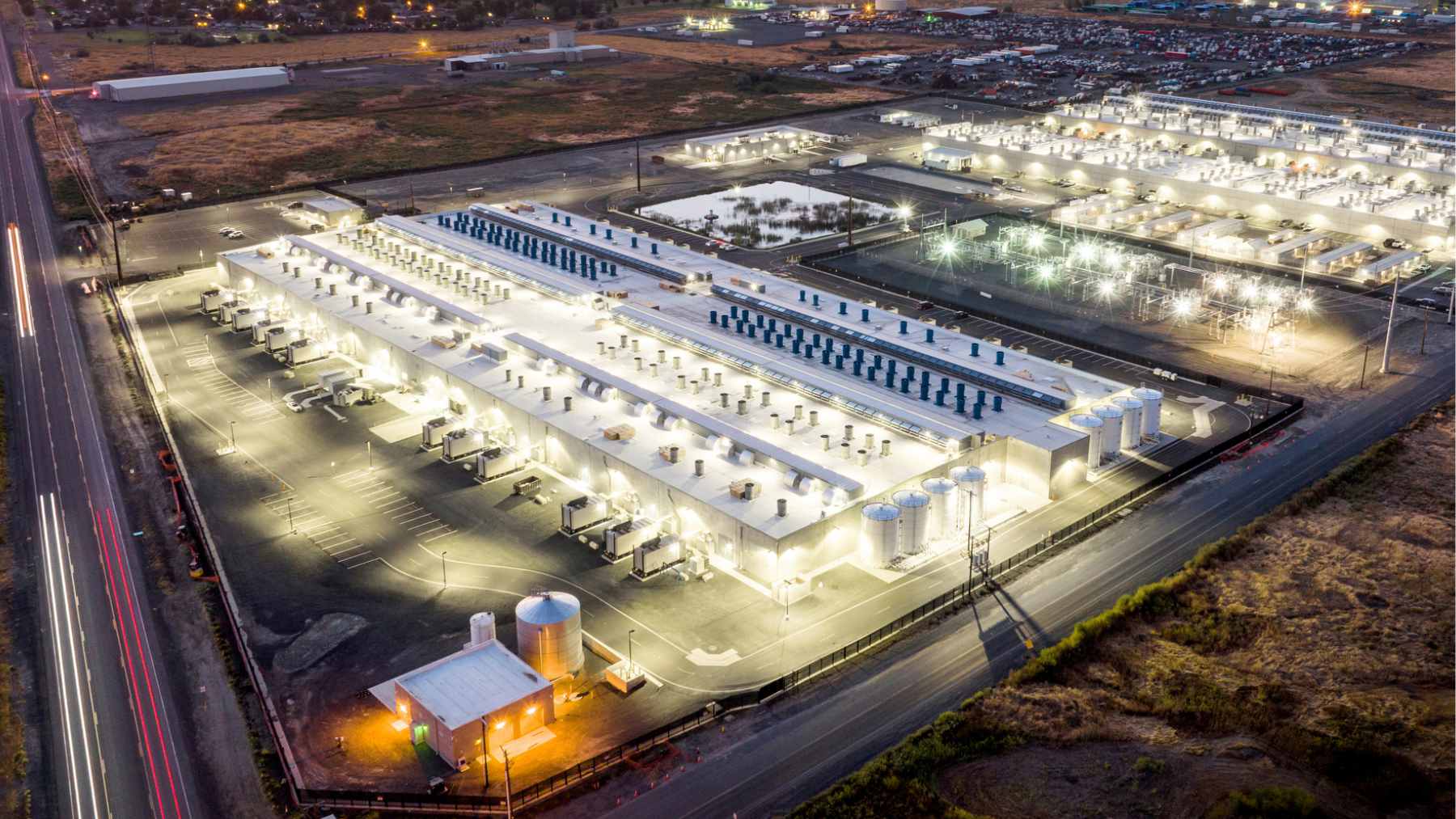
The rezoning proposal tied to the Mason County project would cover 28 properties and span about 2,080 acres, according to local reporting on the planning commission hearing.
The developer’s identity has been shared only with a small number of officials under non-disclosure agreements, while attorneys described the builder as a “Fortune 50 tech company.”
Huddleston’s daughter, Delsia Bare, told local media that the offer last April came from an undisclosed company that wanted to build a “massive data center campus” near the city limits. Huddleston’s answer was blunt and personal, saying “No, mine is priceless,” as she framed the land as something to pass down rather than cash out.
Supporters at hearings have pointed to jobs and long-term growth, and project representatives have cited up to 2,000 construction jobs and around 400 operational jobs once built. Opponents, including a grassroots group, say they are preparing legal action and want the developer itself to answer questions in public.
The hidden water footprint behind “the cloud”
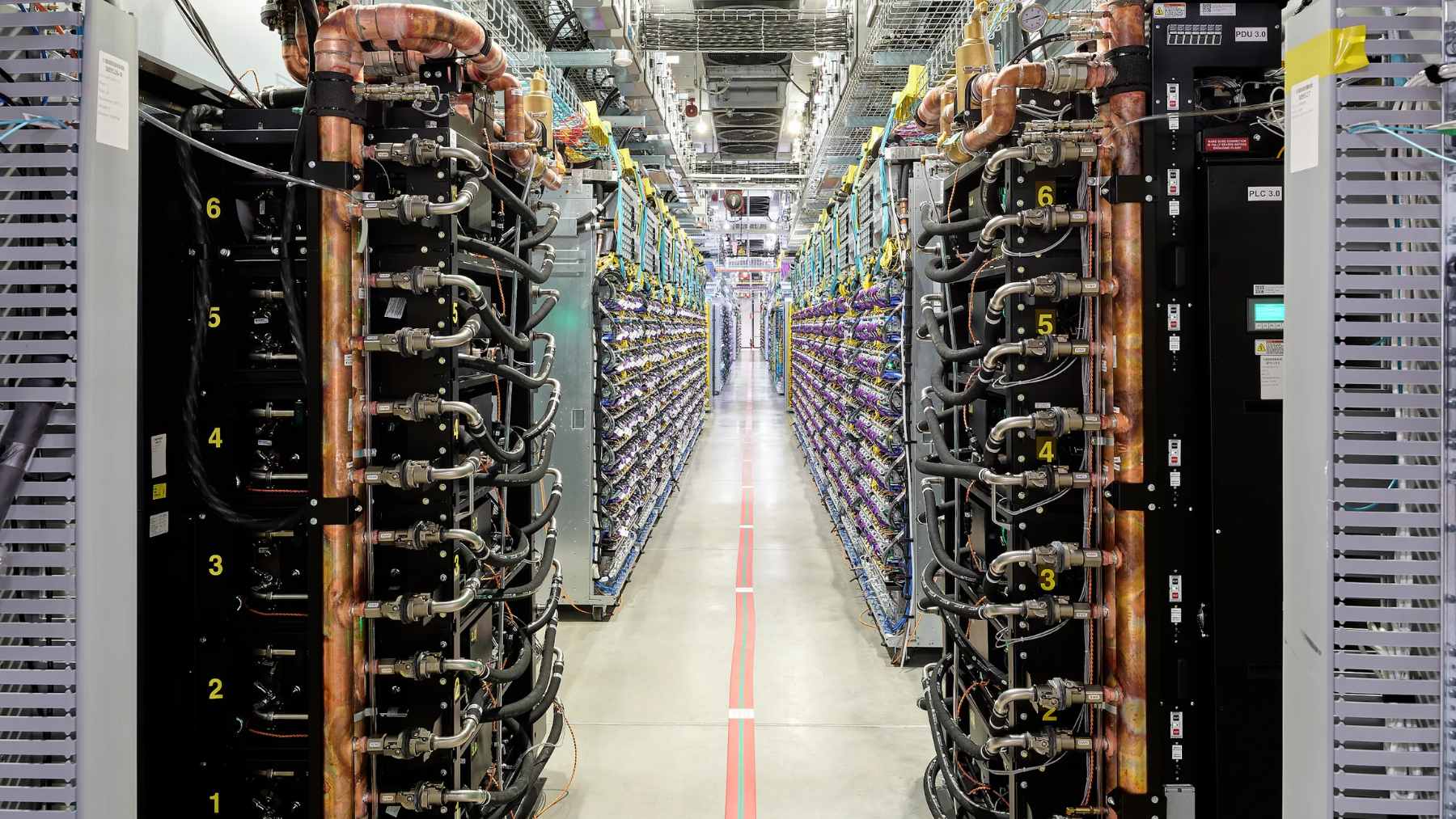
Data centers are not smokestacks, but they are not weightless, either. The servers that train and run AI models generate intense heat, and cooling that heat can mean large volumes of water, especially for systems that rely on evaporation.
By some estimates cited by the World Resources Institute, a mid-sized data center can use up to about 300,000 gallons of water per day, while a large facility can reach about 5 million gallons per day. That is the kind of number that changes how people think when the lawn goes brown in July and the county starts talking about conservation.
In Mason County, the Maysville city manager told local media the data center would use a closed-loop water system to reduce contamination risk. Even with that assurance, neighbors are still asking the basic questions, like where the water comes from during peak heat and how impacts are monitored over time.
Electricity demand meets the real world electric bill
Here is the uncomfortable math behind the AI boom: the International Energy Agency estimates global electricity consumption from data centers at around 415 terawatt-hours in 2024, and projects that it could roughly double to around 945 terawatt-hours by 2030 in its base case.
That growth does not land evenly across a map. The IEA notes that data centers tend to concentrate in specific locations, which can make local grid integration more challenging even if the global share seems modest.
At the local level, that means the same substation that serves homes, schools, and small factories may suddenly be asked to feed a power-hungry campus.

Kentucky officials have argued that the project’s power needs would not fall on everyday ratepayers, pointing to a state tariff that would require the company to fund major new power capacity. That kind of “pay your own way” promise is increasingly central to public acceptance, because nobody wants their electric bill climbing for someone else’s servers.
Defense and national security are part of the demand curve
It is easy to picture AI data centers as engines for chatbots, video tools, and targeted ads. But the military and intelligence side of AI also leans heavily on cloud infrastructure and large-scale computing, which ultimately lives in physical buildings that draw power and need cooling.
In late March, Reuters reported that the Pentagon is moving to make Palantir’s Maven AI system an official “program of record,” a step that signals long-term adoption and funding.
Reuters described Maven as a platform that analyzes battlefield data from sources like satellites and drones, which is exactly the kind of workload that pushes demand for reliable computing at scale.
At the same time, the Office of the Secretary of Defense has been publicly framing cloud migration as a “North Star” for moving mission-critical applications and data, emphasizing security and resilience.
That is a legitimate defense priority, but it also means local permitting fights can end up tangled with the broader national push for computing power, sometimes behind a curtain of NDAs.
What communities are starting to demand now
The Mason County fight shows where the conversation is heading. People are not only asking whether a data center brings jobs, they are asking for clear commitments on water sourcing, energy infrastructure costs, backup generation, and what happens if the operator leaves and the building sits.
Regulators are also scrambling to get better numbers. The U.S. Energy Information Administration has launched voluntary pilot field studies to evaluate energy consumption in data centers, covering topics like electricity use, energy sources, and cooling systems.
When the federal government is still building the measurement tools, it is no surprise that local residents feel they are being asked to sign off on a moving target.
And the industry is trying to adapt, at least in part, by talking more about efficiency and flexibility. But the basic tension remains simple and very human. Food and water are local, while most of the economic upside of AI can be national or global.
The study was published on International Energy Agency.