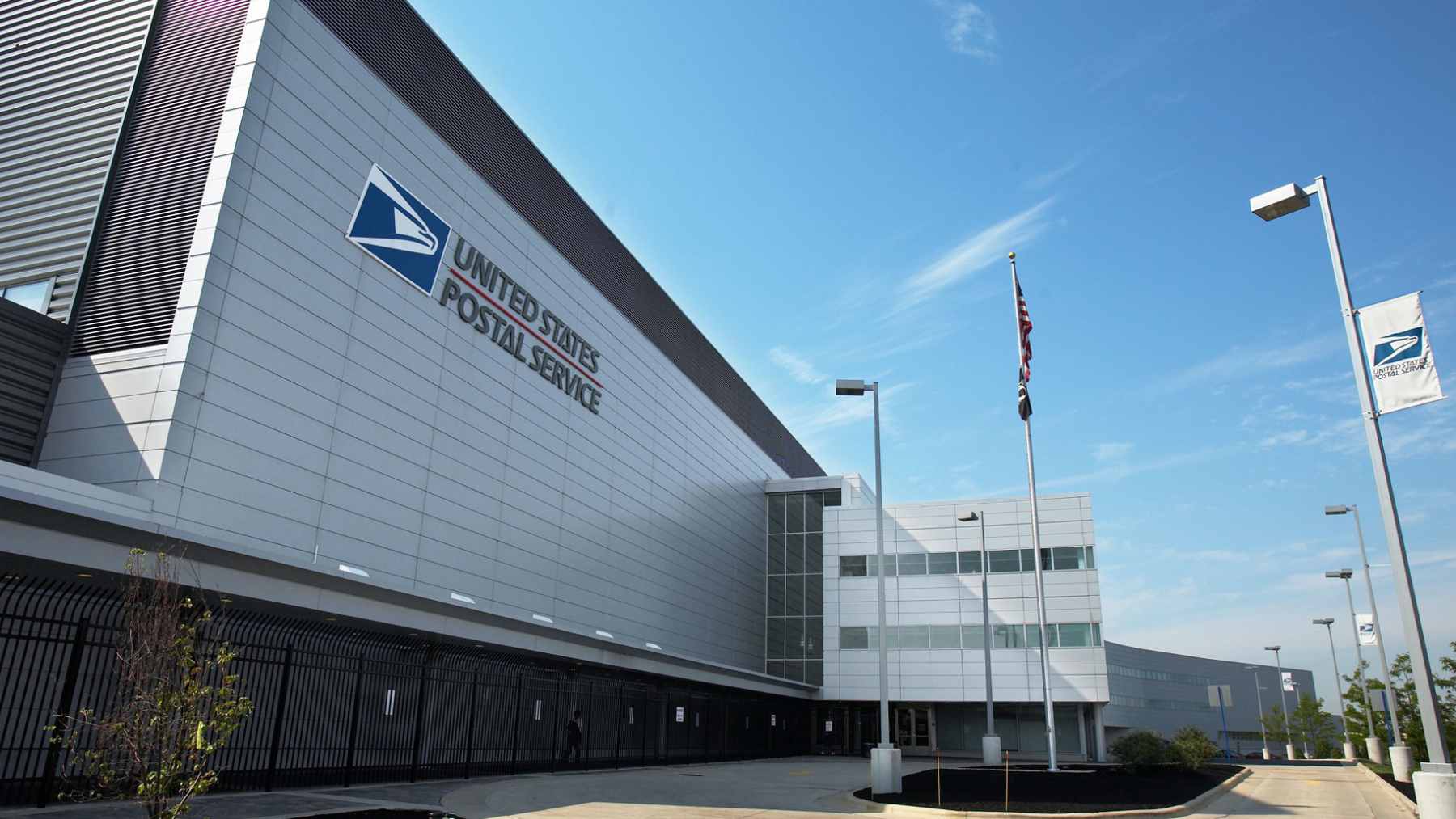
Ever wonder why a fight half a world away can change what it costs to mail a package in the U.S? The U.S. Postal Service has asked regulators to approve a temporary 8% increase on several package products starting April 26, with the change scheduled to run through Jan. 17, 2027.
USPS says the goal is to better match rising transportation costs, as fuel markets have been jolted by the war with Iran.
For shoppers, it may look like another checkout fee. For climate and energy watchers, it is a small but telling sign that the “last mile” still depends on fossil fuel, and that dependence is also a security risk. Transportation is the biggest source of U.S. greenhouse gas emissions, and USPS runs nearly 258,000 vehicles nationwide.
A time-limited hike on key package services
The planned 8% increase targets Priority Mail Express, Priority Mail, USPS Ground Advantage, and Parcel Select. USPS says other products would not be affected, including First-Class stamps, which still matter for bills, ballots, and everyday letters.
This change was approved by the Postal Service’s governors on March 24 and filed with the Postal Regulatory Commission for review. If the commission signs off, it would start at midnight Central Time on April 26 and stay in place until midnight Central Time on Jan. 17, 2027.
That list of affected services is not random. These are the products many small online sellers use when they are trying to keep delivery promises without paying premium private carrier rates, and package shipping is a major part of USPS revenue.
In 2024, USPS reported $32 billion in Shipping and Package Services revenue, which helps explain why transportation costs hit hard.
Fuel prices and geopolitics are squeezing logistics
The background here is bigger than the Postal Service. Reuters and other outlets have reported that the war with Iran has disrupted energy markets, with pressure around the Strait of Hormuz, a major chokepoint for seaborne oil and refined products. When that route tightens, shipping costs tend to ripple across the economy.
On the ground, higher diesel costs hit delivery networks fast. The St. Louis Fed’s weekly diesel series showed a U.S. diesel sales price of $5.375 per gallon for the week ending March 23, a jump that freight operators say flows straight into rates and surcharges.
USPS argues it has avoided fuel surcharges for years, even as competitors made them routine. In its filing, the agency said the new charge would be less than one-third of what competitors charge for fuel alone, while still positioning USPS as a low-cost option for shipping.
Why a postage change has an environmental footprint
It is easy to treat this as a pure business story, but the fuel line item is also the emissions line item. The EPA reports that transportation accounted for about 29% of total U.S. greenhouse gas emissions in 2022, making it the country’s largest emitting sector.
Delivery trucks sit in the middle of that picture. Medium and heavy-duty vehicles are a smaller share of vehicles on the road, yet they produce about 26% of transportation emissions, which is why regulators keep tightening standards and cities keep pushing cleaner fleet vehicles.
A fuel surcharge can do two things at once. It can protect a shipper’s balance sheet, and it can nudge the market toward fewer empty miles and smarter delivery choices, like bundling orders instead of sending two boxes across town. Not a silver bullet, but it is a signal.
Electric mail trucks and smarter routes are the longer play
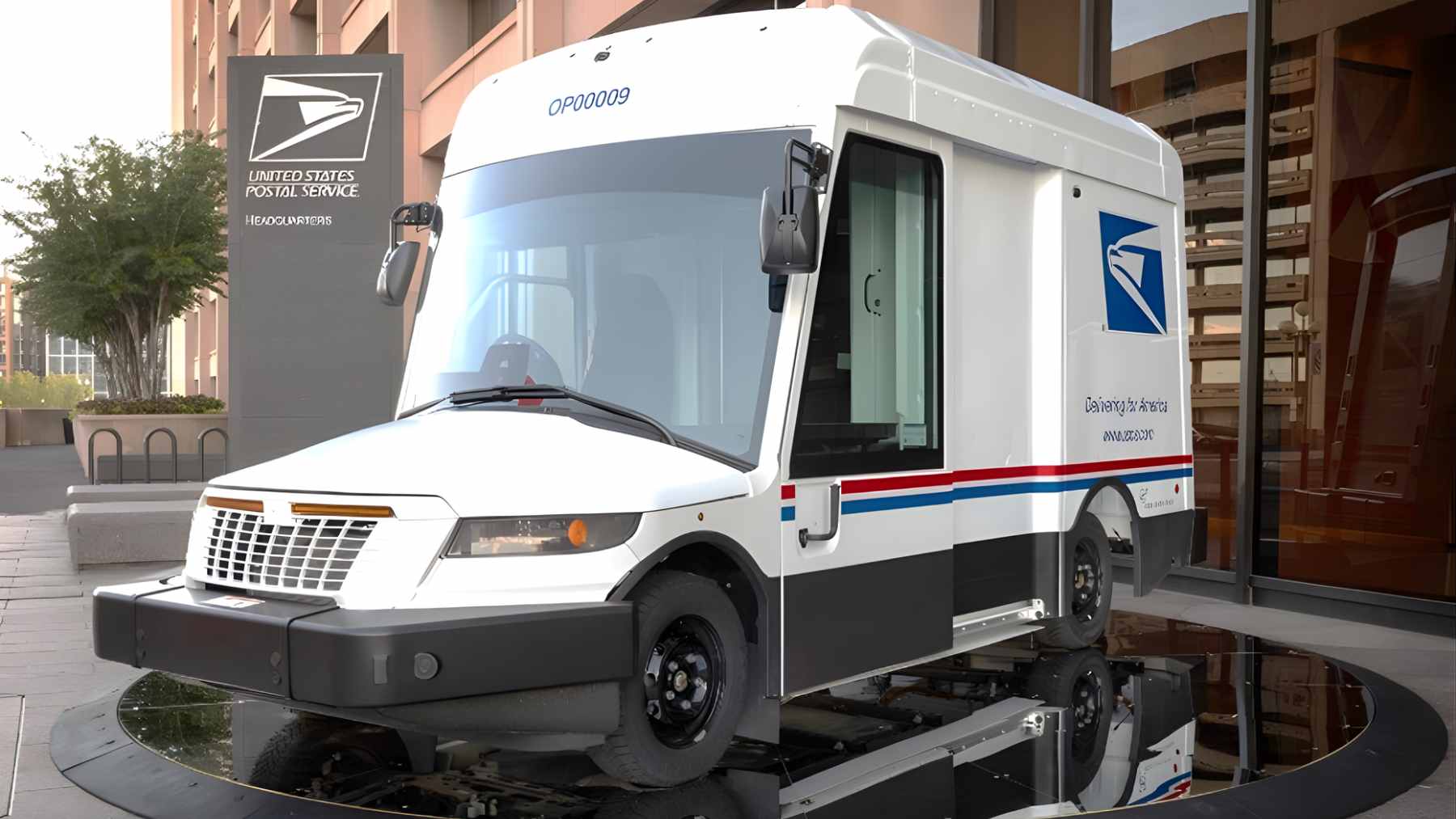
USPS has already been laying the groundwork for a future where oil shocks matter a little less. In its own updates, the agency says it plans to roll out about 106,000 new vehicles by 2028, including 45,000 battery-electric, next-generation delivery vehicles and 21,000 other battery-electric vehicles, paired with new charging infrastructure.
Those numbers sound abstract until you picture the daily reality. USPS says more than 35,000 new vehicles are already on the road and that more than 14,000 electric vehicles have been purchased, which means more routes where the “fuel” cost starts to look more like the electric bill than the gas pump. The shift is real, but it is still gradual.
Tech is the quiet enabler here. Route optimization software, vehicle telematics, and charger management can cut wasted miles and keep vehicles moving even when traffic jams and summer heat make delivery work harder than it looks.
And yes, basics like air conditioning and safer ergonomics in newer trucks can also change how routes are staffed and sustained.
What to keep an eye on next
The next immediate milestone is regulatory. USPS has said the Postal Regulatory Commission will review the proposal before the April 26 start date, and it pointed customers to public price filings and tables for the full details.
The more strategic question is what happens after early 2027. USPS calls this increase a “bridge” to a permanent way to reflect transportation market conditions in competitive product pricing, and that debate will shape both shipping costs and fleet investment decisions
For businesses and households, the best move is to read the fine print and plan ahead. If fuel stays volatile, the cheapest option may be the one that wastes the least energy, not just the one with the lowest sticker price.
The press release was published on About.USPS.com.