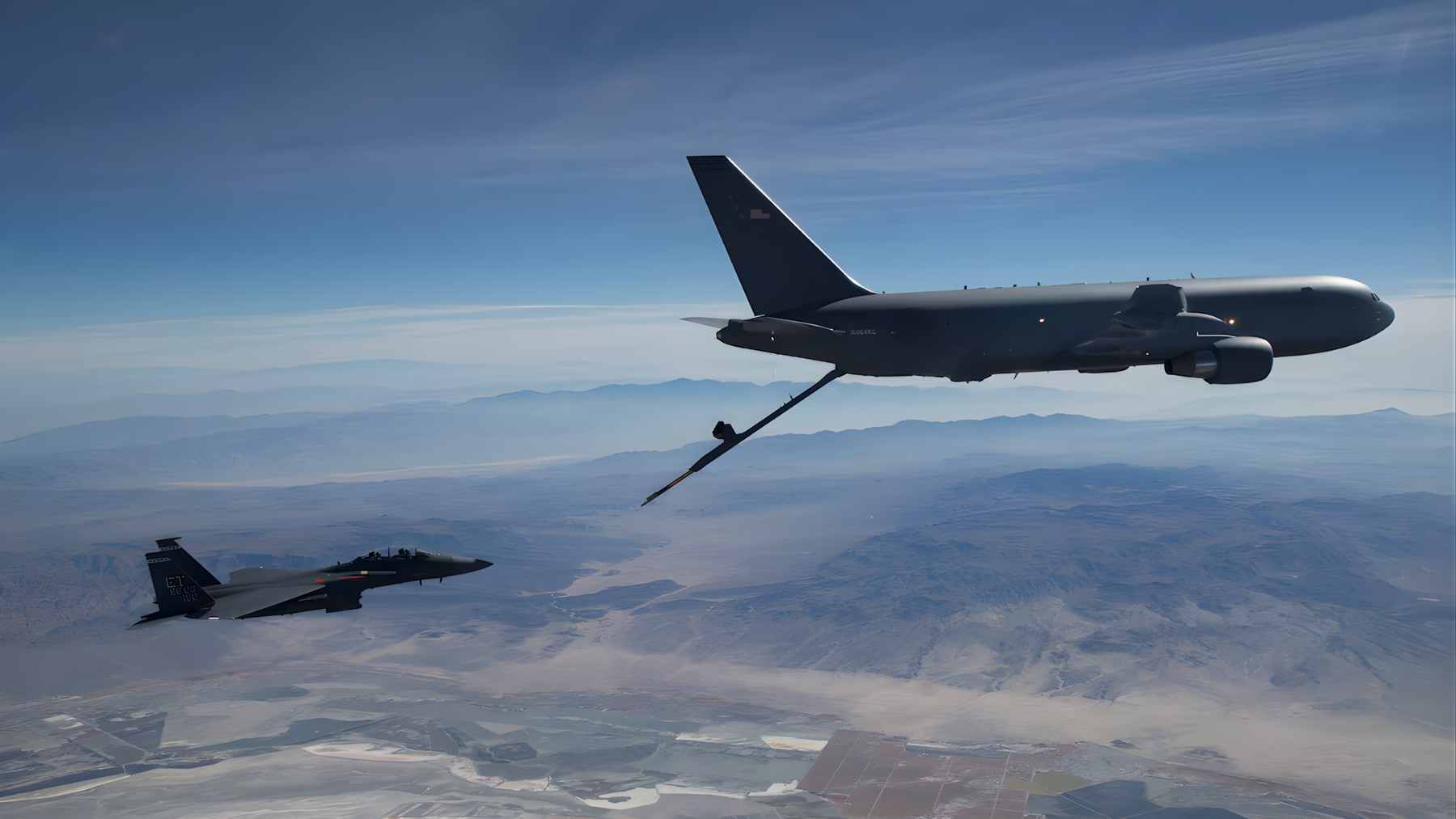
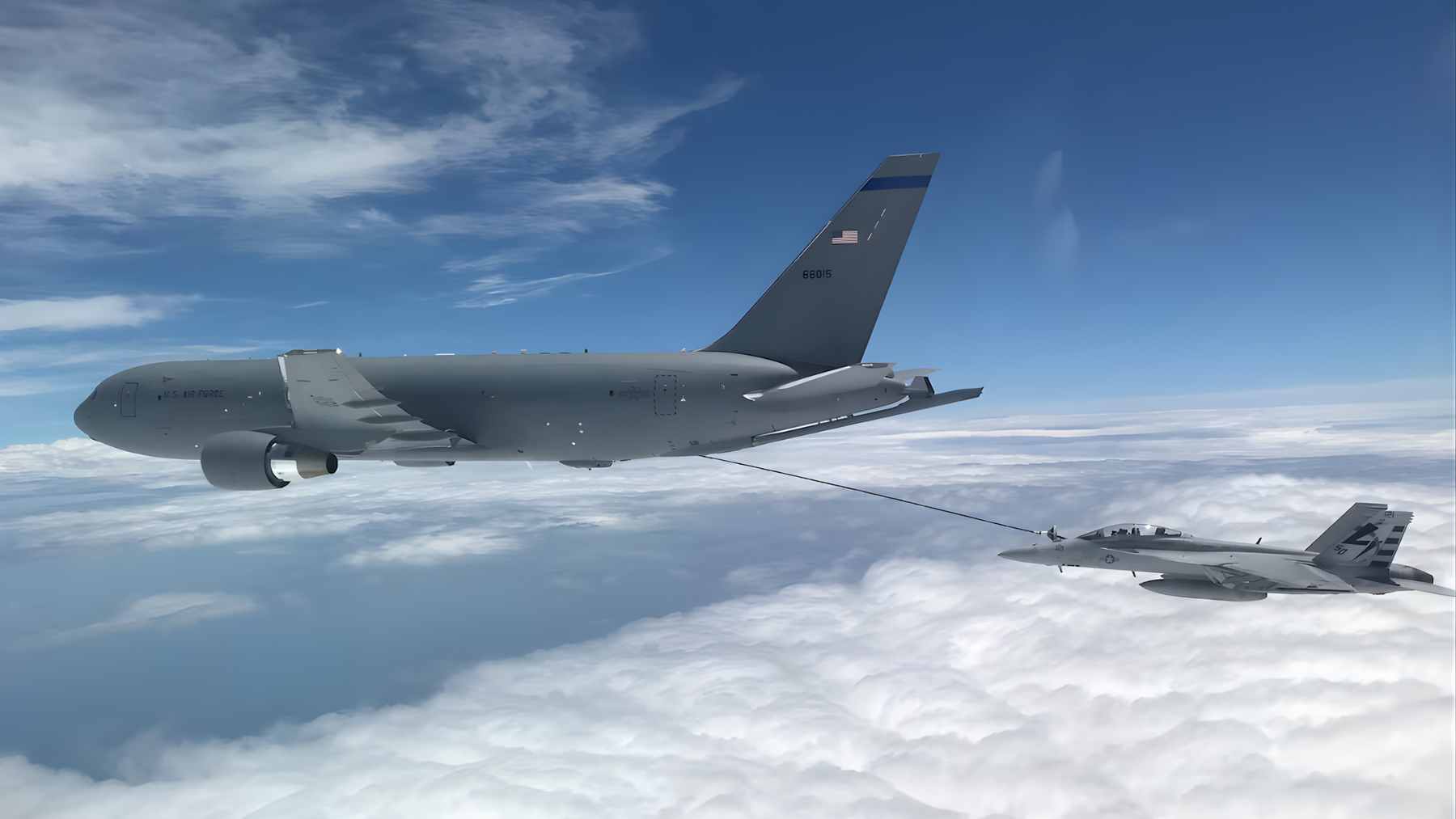
The U.S. Air Force’s KC-46A Pegasus is already flying missions, but a new Pentagon assessment says the aircraft still is not cleared for full operational use. Two core parts of its refueling system have not passed the tests needed to lift key restrictions, even as the jet starts replacing older tankers.
That affects more than just readiness. When a “flying gas station” operates with limits, the ripple effects can show up in budgets, flight schedules, and fuel burn, which is where defense planning meets environmental reality.
What the Pentagon report says
A Pentagon testing report says the KC-46A has not reached full operational standards, even though it can deploy today in restricted service. The report points to two problem areas, the “Remote Vision System” and the “Boom Telescope Actuator,” both central to safe boom refueling.
Unlike older tankers, the KC-46 boom operator does not look through a window. A tail mounted camera feeds video into software that helps judge depth on a 3D display, and the operator uses the boom actuator to extend and retract toward the receiver aircraft.
The report also says the KC-46 continues to miss “suitability” targets such as operational availability and mission-capable rates.
It can refuel 26 of 27 receiver aircraft variants, but the Pentagon cites restrictions under certain environmental conditions and aircraft configurations, and it does not name the one remaining type.
Why the environment is part of this story
What does a refueling camera have to do with climate math? More than you might think. When reliability issues force workarounds, extra time in the air can mean extra fuel burned, and the jet exhaust near any busy airfield is a reminder that emissions are still mostly about combustion.
The Department of Defense has also put numbers on the problem. In a DoD emissions report, the department said total emissions in FY 2019 were 60.5 million tons of CO2 equivalent, with 62% from operational sources, and jet fuel making up about 80% of operational emissions.
Federal policy is pushing agencies to track and cut emissions where they can. A GAO review notes that Executive Order 14057 calls for agencies to reduce scope 1 and scope 2 greenhouse gas emissions to meet a 65% government-wide reduction by 2030, alongside targets for scope 3 emissions.
A high tech tanker meets real world lighting and physics
The “Remote Vision System” has been the headline issue for years, and not just on paper. In certain lighting conditions, the boom operator may not see the receiver’s receptacle clearly, raising the risk of scraping and damage during contact.
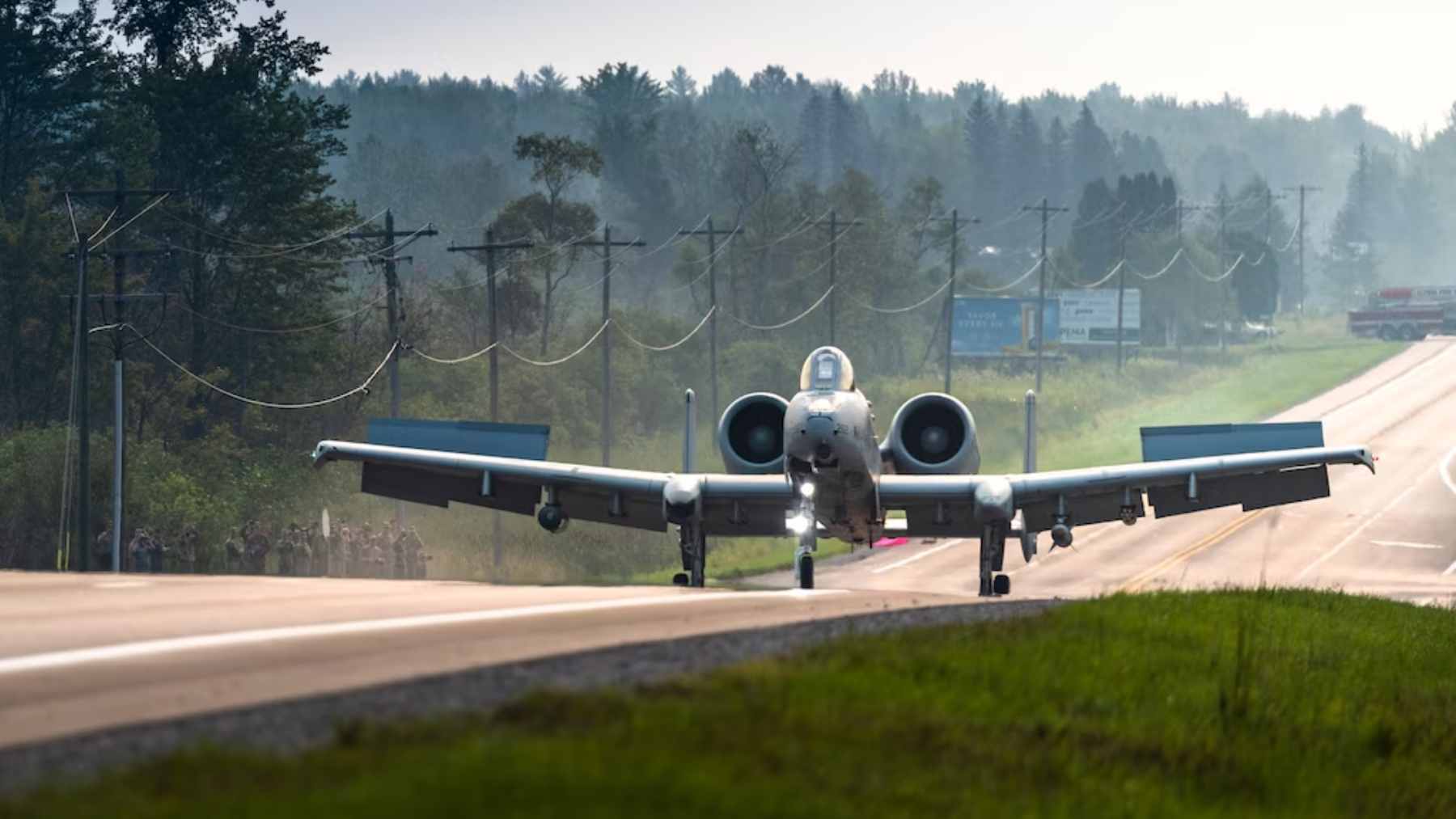
There is also a mechanical snag with big consequences. Reporting has described a boom actuator problem that can make the boom “stiff,” preventing refueling of some aircraft, including the A-10, which may not have enough thrust to keep the boom positioned correctly.
Fixes are underway, but they are not quick. The Air Force and Boeing have projected the upgraded “Remote Vision System 2.0” will be fielded by summer 2027, keeping the Pegasus in a middle ground between “usable” and “fully cleared.”
Boeing’s business headache and the cost of delays
The KC-46 is built on an extended range version of Boeing’s 767, and the contract has been expensive for the company. Boeing disclosed a $565 million quarterly loss tied to the KC-46 in early 2026, and executives said total losses on the fixed-price deal have climbed past $8 billion.
The Air Force still plans to lean on the jet for years. Air & Space Forces Magazine reported the service announced in July 2025 it intended to buy 75 additional KC-46s beyond the current program of record, but senior leaders have also said there will be no new contract until key deficiencies are addressed.
For Boeing and its suppliers, this is the hard part. Production has to keep moving while retrofits and testing continue, and the next contract will likely reflect how much work is still required to make the aircraft truly “unrestricted.”
Cleaner fuel and smarter logistics
This is also where climate and technology overlap in practical terms. The U.S. Department of Energy says “sustainable aviation fuel” is made from non-petroleum feedstocks and can be blended with conventional jet fuel, often between 10% and 50% depending on how it is produced.
DOE also notes the scale of aviation’s footprint, estimating aviation accounts for about 2% of global carbon dioxide emissions.
The same federal site highlights the “Sustainable Aviation Fuel Grand Challenge,” which targets 3 billion gallons in 2030 and 35 billion gallons in 2050 while aiming for at least a 50% reduction in lifecycle emissions.
For the military, none of that works unless the core systems work first. The next big signals to watch are whether the KC-46 clears its remaining operational tests, whether “RVS 2.0” arrives on schedule, and whether new buys move forward, because reliability can reduce wasted flights and wasted fuel even before cleaner fuels scale up.
The official report was published on DOT&E.