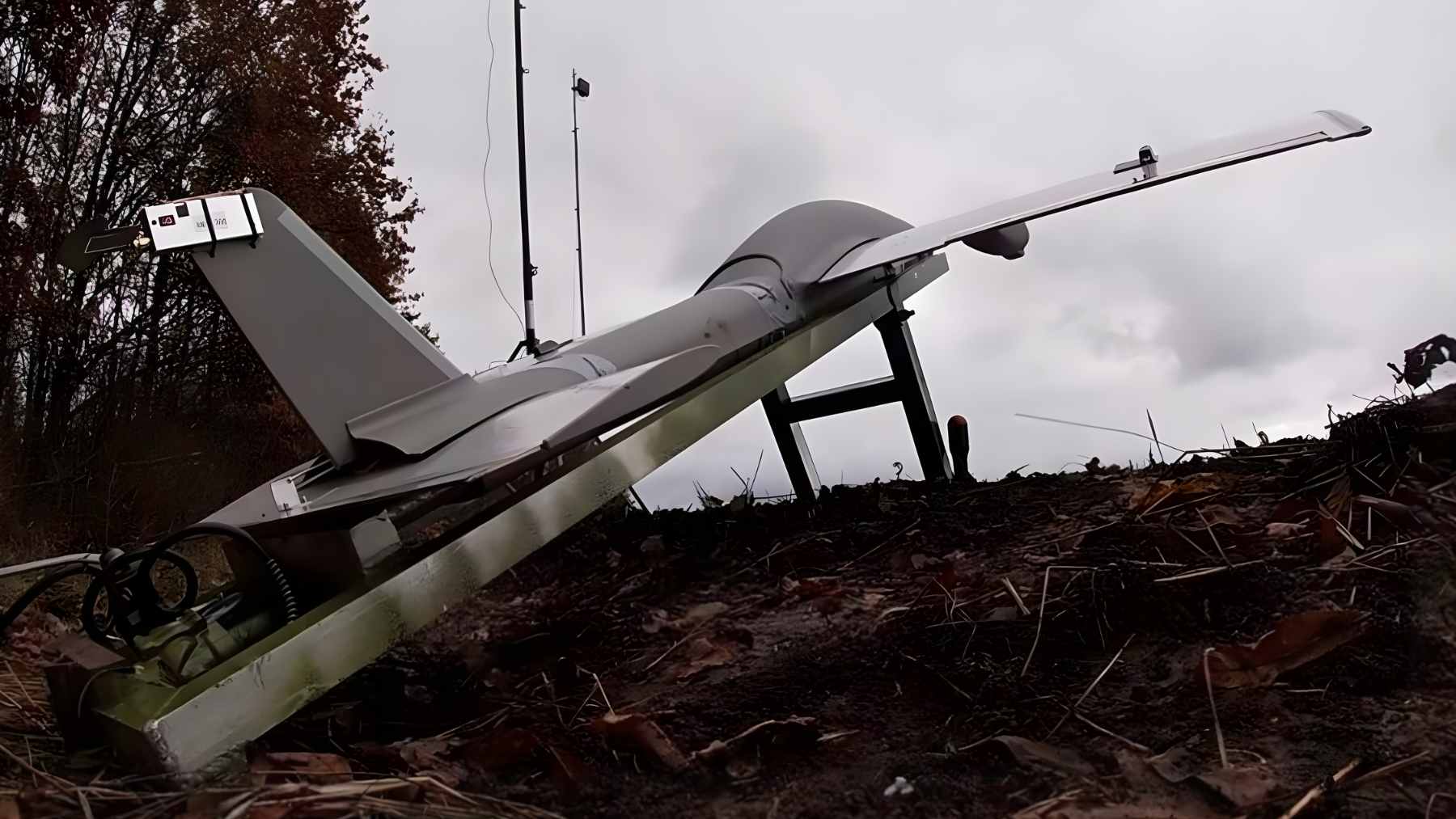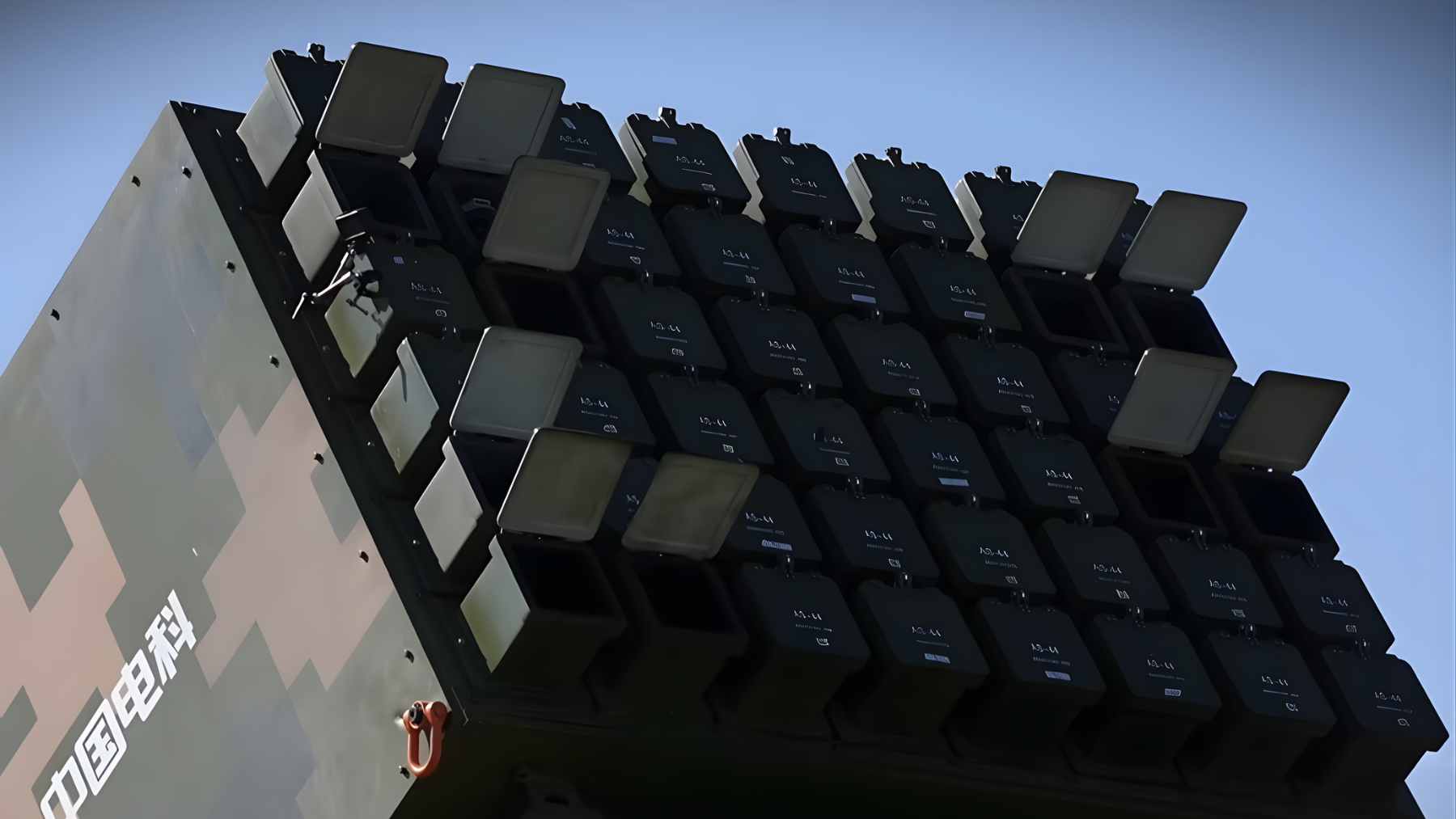
Picture a truck stopping in a dusty test range, its roof panels opening like a giant toolbox. Every three seconds, another small aircraft snaps into the sky, until nearly 100 drones are in the air, which is what China’s Atlas drone swarm operations system was shown doing in new state media footage.
The military message is obvious, but there is a quieter one that matters far from any frontline. Swarms shift part of warfare’s footprint away from jet fuel and toward batteries, chips, and electronics that can be treated as disposable, right when global e-waste is already hitting record levels.
What Atlas actually demonstrated
China’s CCTV military channel report, summarized by the Global Times, described a full sequence from reconnaissance to strike, with the system identifying an intended command vehicle among three similar targets and then hitting it after the drones locked on mid-flight.
The Swarm-2 vehicle used three-second launch intervals, releasing one drone every three seconds to keep safe spacing and flight paths.
Atlas pairs a Swarm-2 launcher, a command vehicle, and a support vehicle, with Swarm-2 carrying 48 fixed-wing drones and the command vehicle controlling up to 96 at once.
The report said drone types and launch order can be tailored, and analyst Wang Yunfei pointed to AI pre-training and embedded algorithms that let drones handle tasks like target recognition and route planning with limited human input.
Batteries are now part of the arsenal
Most small drones run on lithium-based batteries, so scaling swarms is not just a software story. It ties defense procurement to the same minerals that underpin electric cars and grid storage, including lithium, nickel, cobalt, graphite, and rare earth elements.
Is a battery-powered swarm automatically “clean” technology? The International Energy Agency says lithium demand rose by nearly 30% in 2024, and annual battery demand passed 1 terawatt-hour, so the supply chain is already under pressure before you add more military demand.
In practice, charging, replacing, and moving lots of batteries still takes energy, and that cost shows up somewhere, whether it is the field generator or your electric bill back home.
The e-waste angle is getting harder to ignore
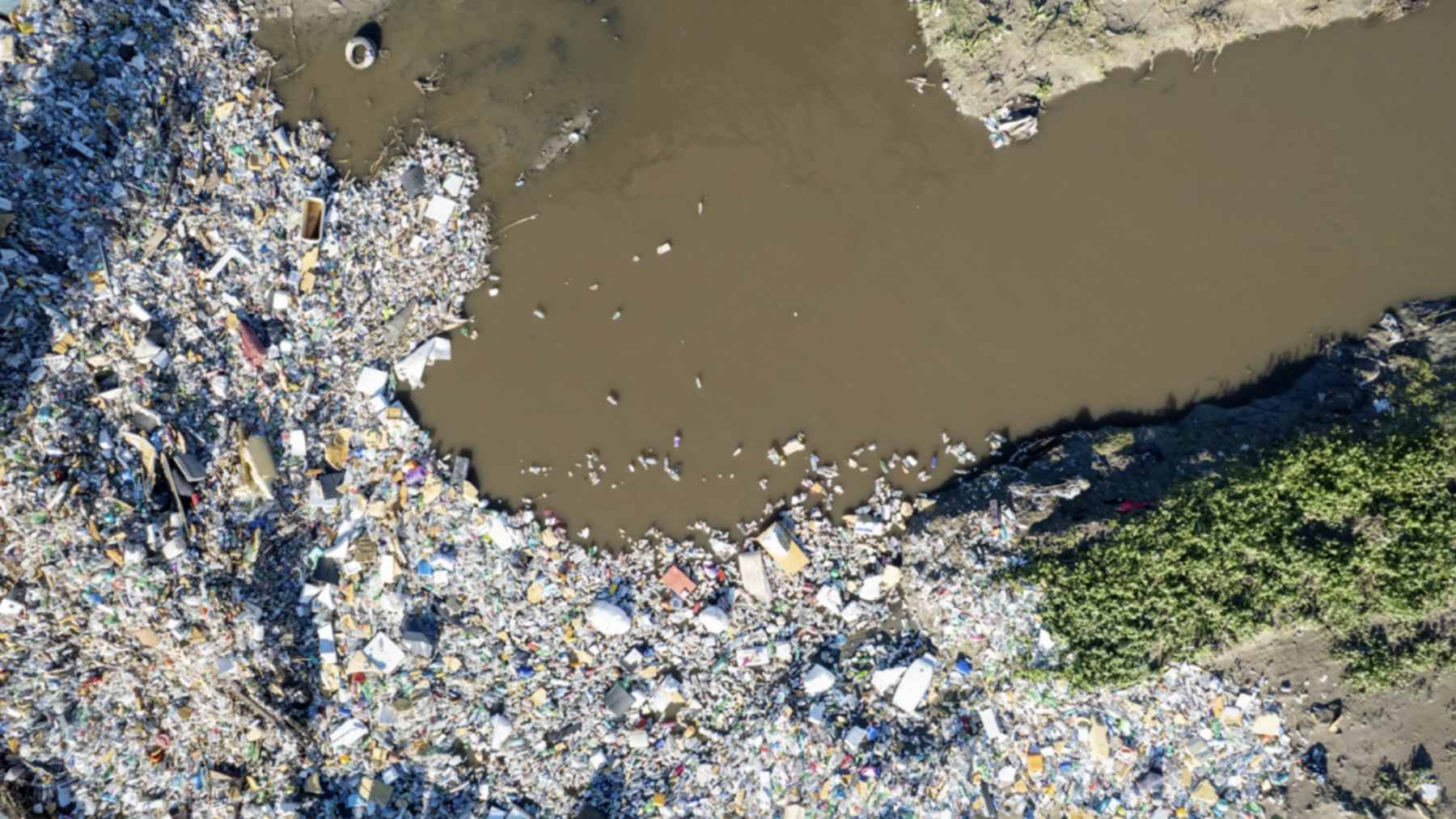
The world generated a record 148 billion lbs. of electronic waste in 2022, and only 22.3% was documented as formally collected and recycled. Drones are basically flying electronics, and in combat they often end up wrecked, abandoned, or deliberately expended.
That matters because batteries and circuit boards can leak chemicals, and informal recycling practices like open burning release toxins including lead, which the World Health Organization warns can contaminate communities and the environment.
Even when wreckage is recovered, sorting smashed lithium packs is not as simple as tossing a dead remote control in the trash.
UNITAR, which helps coordinate the Global E-waste Monitor, says just 1% of rare-earth element demand is met by e-waste recycling, meaning most of the value in discarded electronics is still being lost.
If swarms become a standard tool, planners may need to talk about take-back programs, standardized batteries, and recycling capacity in the same breath as launch rates and payloads.
Business pressure is moving from carbon promises to materials proof
Regulators are tightening the rules around batteries, partly because the supply chain has real environmental impacts from extraction to disposal.
In Europe, the European Commission has been rolling out new rules to calculate and verify recycling efficiency and material recovery for waste batteries, aiming to boost the recovery of critical raw materials.
Even if a military drone never touches a store shelf, its components often come from civilian suppliers that sell globally, so compliance expectations can spill over. The IEA has also warned that mineral supply chain concentration risks are becoming real, which is why recycling and material efficiency are starting to look like security issues, not just sustainability talking points.
The same swarm tech can also help ecosystems
Autonomy itself is neutral, and the same coordination algorithms can be pointed at smoke, not targets. NASA is funding work on AI-enabled drone swarms for wildfire detection, mapping, and modeling, with the idea that higher-altitude platforms can direct lower-altitude drones to collect data in real time.
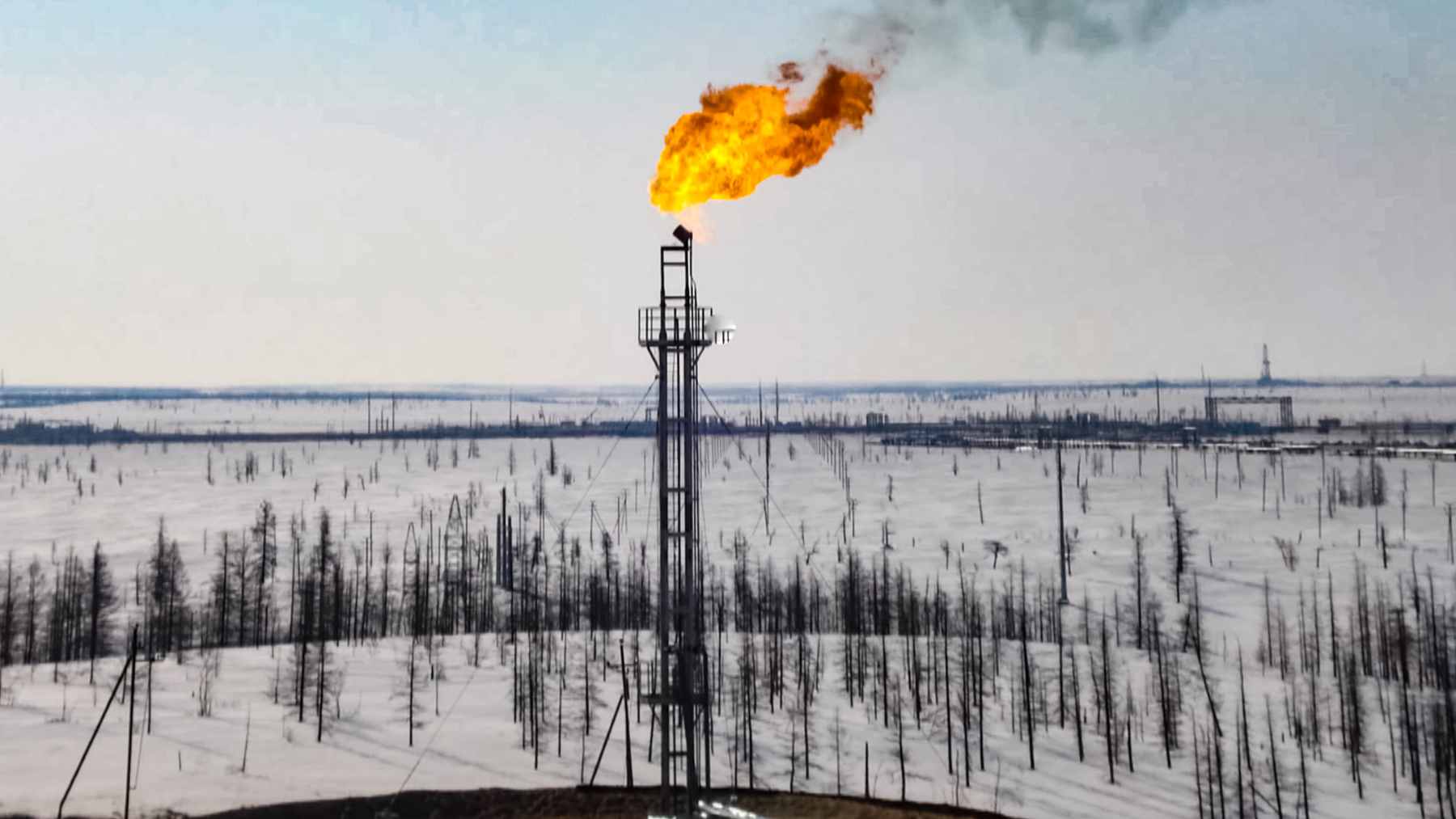
Researchers are also using drones to measure methane by mounting imaging systems and sensors on small aircraft that can fly close to leaks.
A 2025 paper in Scientific Reports described a drone-mounted methane gas imaging system capable of real-time detection at short distances, hinting at how UAS could make inspections quicker and more routine.
So when a new military swarm like Atlas grabs headlines, it is worth asking what comes next for the supply chain and for the scrap pile, not just for the tactics.
The official report was published on Global Times.