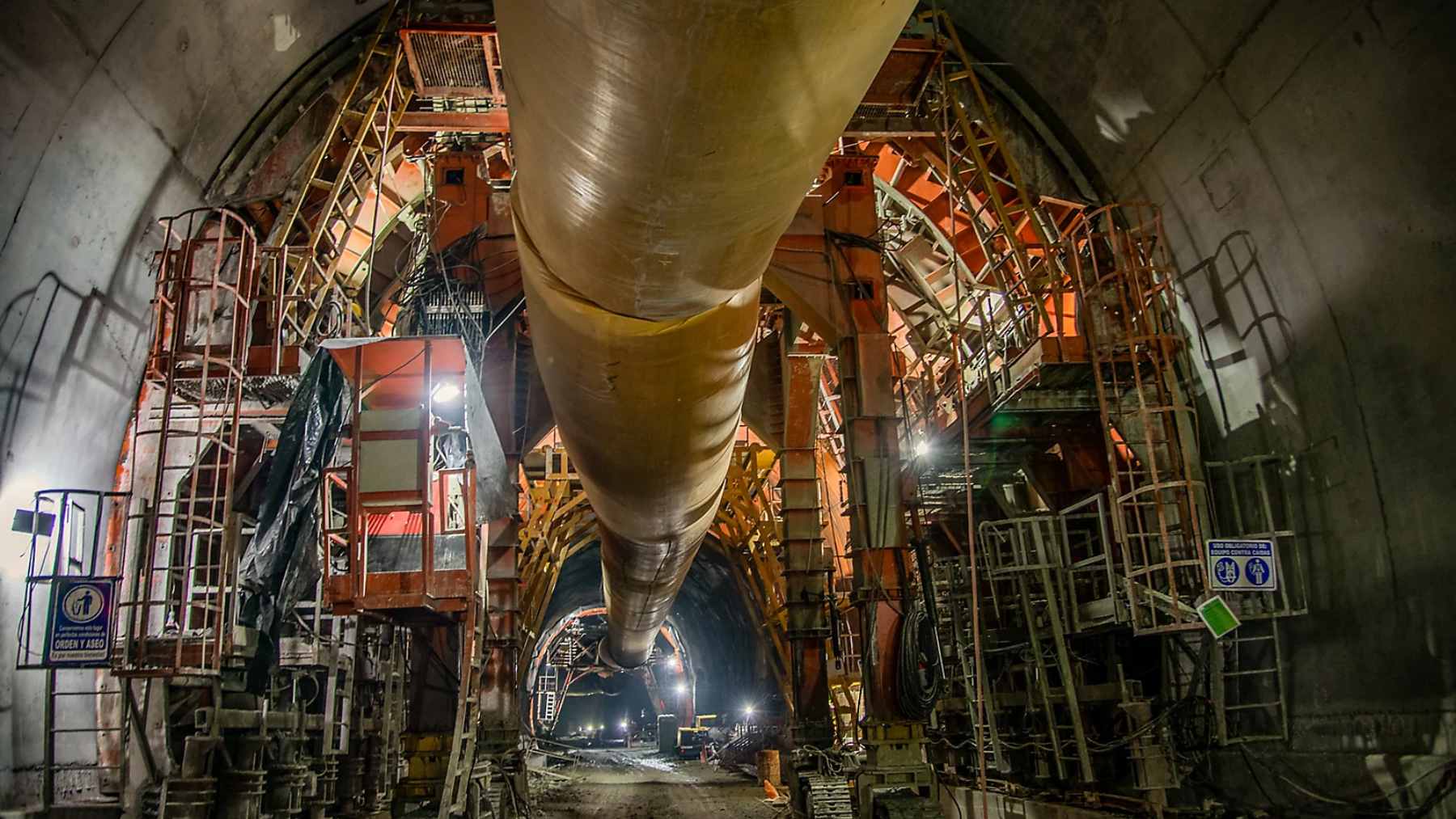
A nearly 6-mile road tunnel called the Toyo Tunnel is being built in Antioquia, and it is being pitched as a faster, safer route for drivers and freight trucks moving between Medellín and the Caribbean coast.
The big promise is simple: fewer hours on the road, better logistics, and a modern piece of infrastructure that can handle heavy traffic without turning every incident into a nightmare.
Supporters see a faster link from Medellín toward Urabá as a competitiveness upgrade for the region. But there’s a quieter question riding along with the concrete and sensors: will the project’s environmental footprint be managed as carefully as its future traffic flow?
A shortcut to Urabá with big business stakes
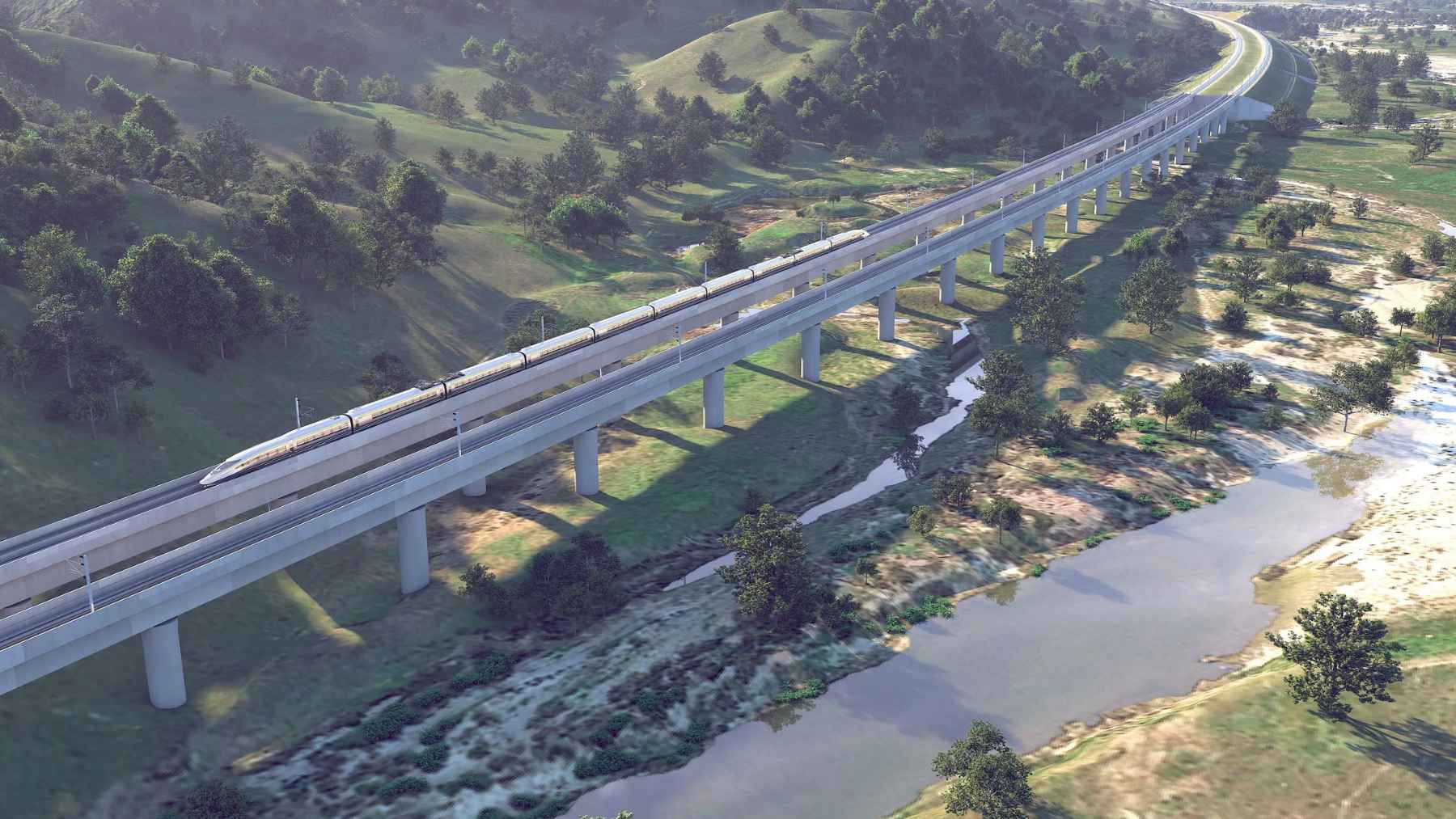
Project descriptions put the full corridor, including access roads, bridges, and other tunnels, at roughly 24 miles of new construction, with a planned top speed of 50 miles per hour.
That’s the kind of change that can turn a long, stressful mountain drive into a smoother run, which matters when your cargo is time-sensitive and the truck line is already building behind you.
The money story is just as blunt. A June 2025 announcement from Antioquia and Medellín put their combined resources for tramo 1 near 3 trillion pesos ($826 million), including 870 billion ($240,000) from Medellín, and it framed the work as essentially complete except for remaining complements and the systems managed by Invias.
In February 2026, Antioquia’s governor even floated a 120 billion peso ($33,000) bridge loan to keep the electromechanical phase moving, which tells you how quickly “almost done” can become “still paying.”
Smart systems that keep drivers alive
The “smart” label is less about a sci-fi robot brain and more about a network of hardware that watches, measures, and reacts. Antioquia’s regional government says the tunnel is ready for equipment such as ventilation fans, fire protection systems, cameras, and electronic signage, all tied back to an operations control center.
In public descriptions, the setup is described as partially automated, meaning it leans on sensors and control logic rather than an autonomous AI making its own calls.
Design details published in Colombian coverage add the safety geometry that most drivers never see.
The main tube is paired with a rescue gallery that runs almost the same length, with emergency connections spaced about every 656 ft., and pressurization features meant to keep smoke out of escape routes during a fire.
In practical terms, that’s the difference between a scary incident and a catastrophe.
Concrete, steel, and the carbon question
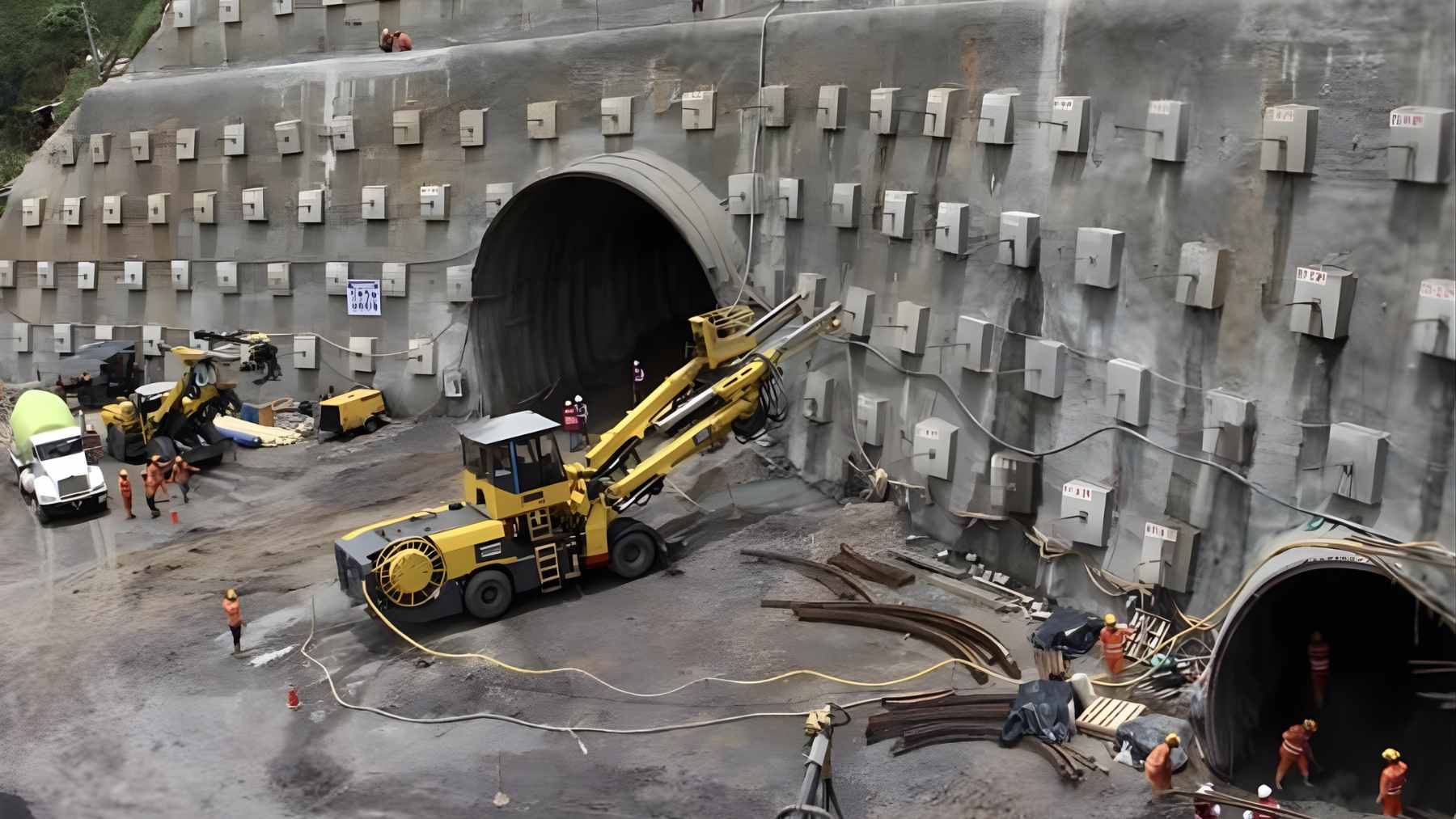
Getting through the mountain has never been a light-touch process. Local reporting says builders excavated about 60 million cubic ft. of rock, in places almost 3000 ft. below the summit, using tunnel boring machines with adaptive controls that adjust to the hardness of the geology.
Then came the materials, with a 2025 regional update citing more than 5.7 million cubic feet of concrete and over 12,000 tons of steel in the tunnel lining work.
That matters because cement, the key ingredient in most concrete, is one of the world’s largest industrial sources of carbon emissions. The International Energy Agency has estimated cement is responsible for about 7% of global CO2 emissions, which is why procurement choices like lower-carbon cement blends can be as important as flashy sensors.
And once the tunnel opens, the energy used for lighting and ventilation will show up, one way or another, in operating budgets and the electric bill.
Forests, water, and the permits behind the headlines
The environmental story is not an afterthought. A 2017 resolution from Colombia’s Ministry of Environment and Sustainable Development documents a permanent and temporary “subtraction” of an area from the Pacific Forest Reserve to enable the road infrastructure project “Túnel del Toyo y sus vías de acceso” in Antioquia.
Put simply, this corridor sits in a place where paperwork reflects real ecosystems, not just lines on a map.
On the science side, biodiversity reporting tied to the project’s environmental impact assessment includes an inventory of terrestrial vertebrates, aquatic life, and terrestrial flora in intervention areas for the tramo 2 section, with 608 published records.
It’s a reminder that “connecting regions” often means building through real habitat, and the mitigation work only counts if it’s tracked and enforced over time, especially around water management and spoil disposal.
Critical infrastructure in an era of climate shocks
Transport tunnels are also, for the most part, dual-use infrastructure. The same control room and camera feeds that help manage day-to-day traffic can support emergency response during landslides, fires, or flooding, when minutes matter and misinformation spreads fast.
That’s why officials are already talking about drainage performance and monitoring plans, not just ribbon cuttings.
There’s a defense and security layer too, even if it rarely makes the headline. Once ventilation, signaling, and surveillance systems are connected, they become part of a critical infrastructure cyber surface that needs hardening and clear operating protocols, because a tunnel is not like a normal stretch of highway where you can just pull over.
The official statement was published on antioquia.gov.co.