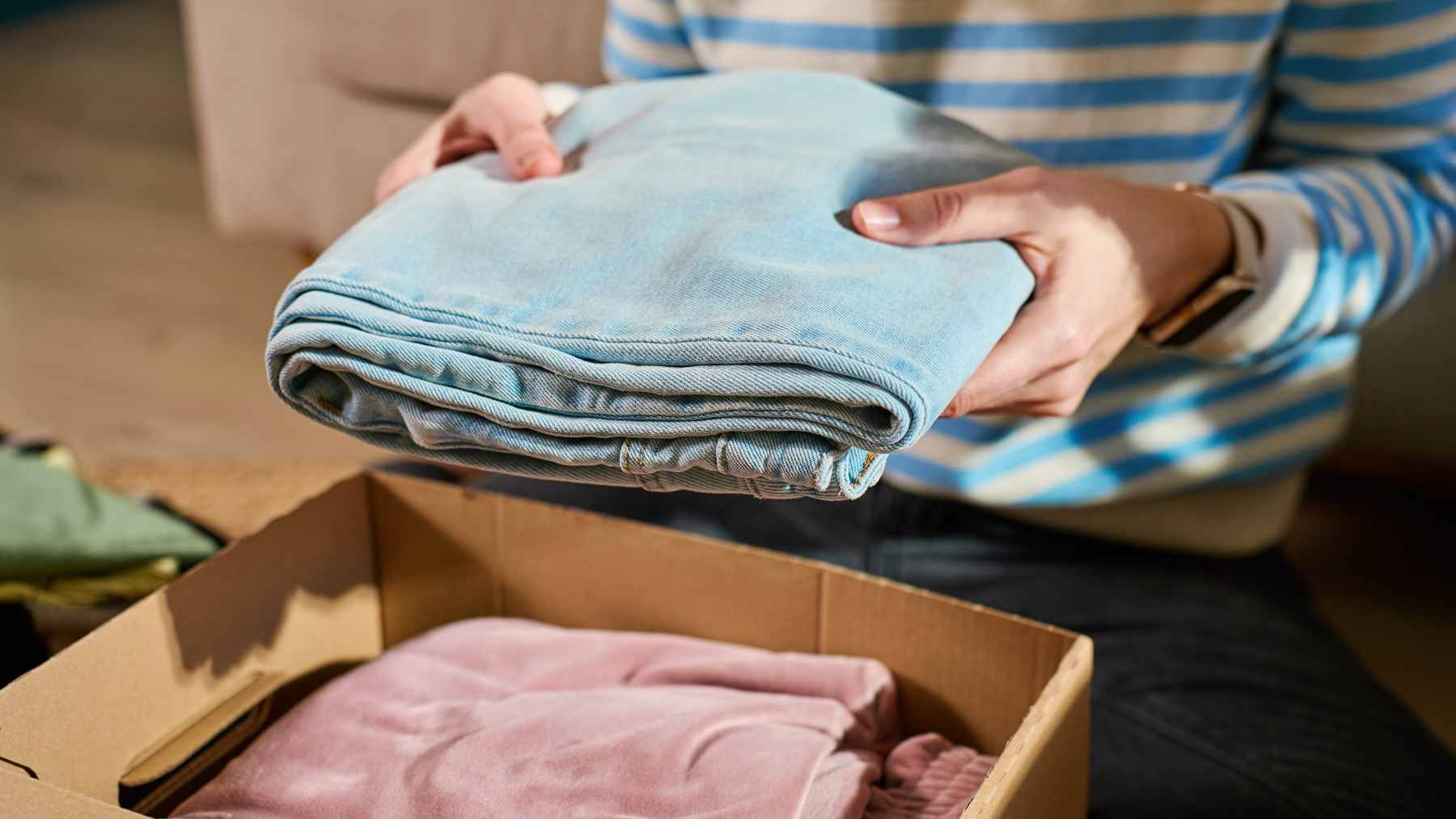
In 2026, Spain is set to trial a new kind of recycling program that turns the classic clothing donation drop into something closer to a return counter. The EU-funded TexMat project plans to place automated containers on public streets that can assess used garments, sort them, and reward people for taking part.
It sounds almost too everyday to matter, like cleaning out the closet on a quiet weekend. But TexMat is also a business and tech test with a bigger goal: building the infrastructure Europe will need as new rules push more textile waste into separate collection and into producer responsibility systems. Would a small reward change what you do with that bag of old shirts?
What TexMat is actually testing
TexMat is developing a deposit/return-style system for consumer textiles, using “smart collection containers” that can sort items at the point of drop off. In the project’s own framing, it aims to reward consumers for returning reusable or recyclable items and to notify producers when discarded textiles require formal waste management.
Elina Ilén, TexMat project leader at VTT, said the system has “great potential to transform the collection and resale of used but still valuable garments.”
Official EU project data lists a total cost of about €7.66 million (USD $8.84 million), with an EU contribution of about €6.76 million. The project runs from October 1, 2025 through March 31, 2029, is led by VTT in Finland, and brings together 14 partners from seven EU countries.
The tech inside the bin
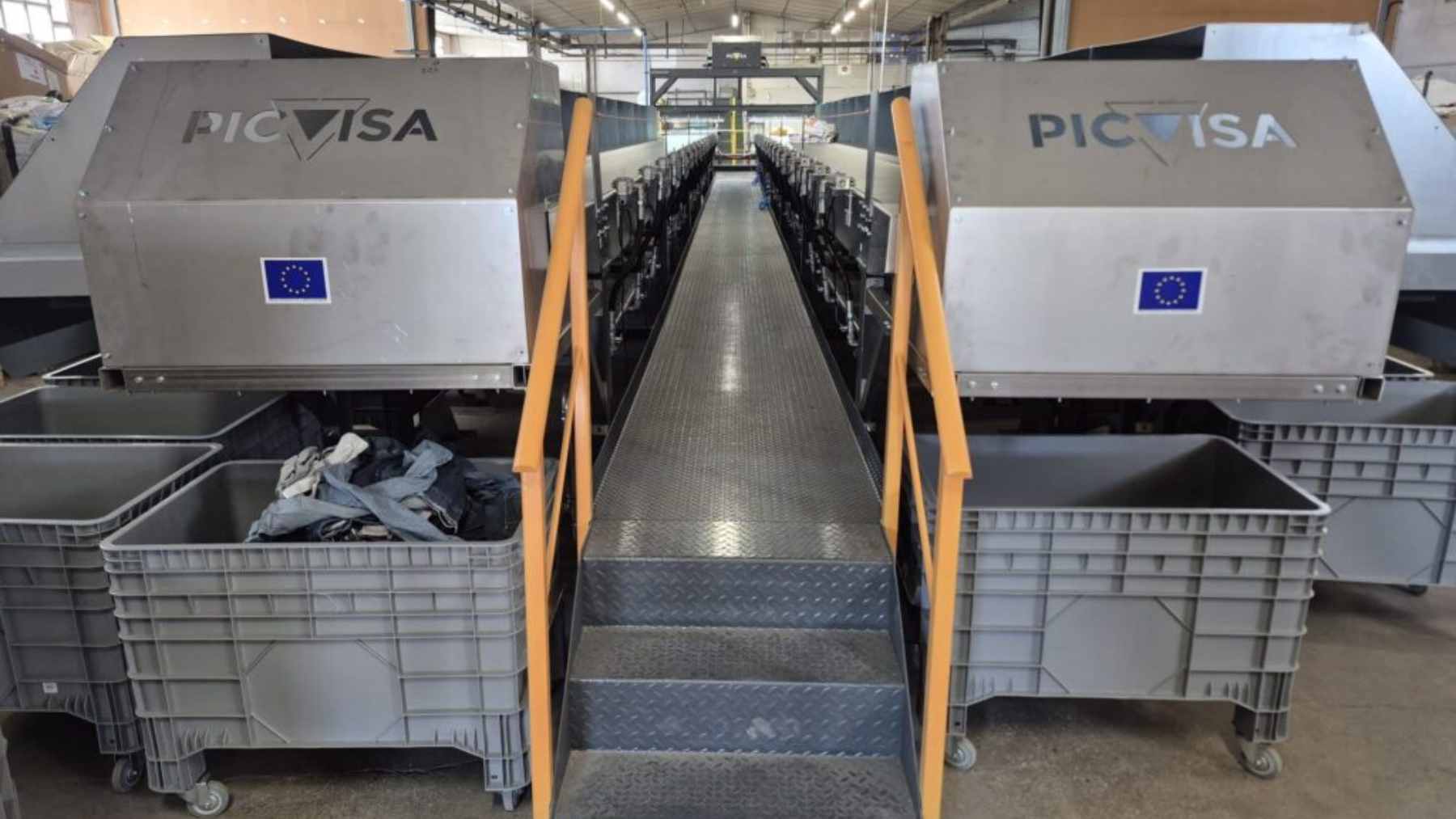
The containers are meant to do more than store a pile of clothes. They are designed to assess quality, record key material information through digital product passports, and route items into reuse, recycling, or waste streams with less manual sorting. CORDIS notes the EU is phasing in these passports starting in 2026 to 2027.
In Spain, the University of A Coruña and Humana are working alongside IRIS Technology Solutions and Rovimatica on the platform and container concept.
Humana says Rovimatica is building the TexMat app and the smart container, while IRIS contributes digital and software solutions for collection and sorting, and other reporting describes IRIS as a spectroscopy firm involved in the technical build.
Business stakes for brands and resale
This pilot lands right as the EU is rewriting the economics of textile waste. The European Commission says the 2025 targeted revision of the Waste Framework Directive focuses on food and textile waste and includes pushing each Member State to set up extended producer responsibility schemes for textiles and footwear.
At the end of the day, that means more companies will have to treat end-of-life management as a cost of doing business, not just a charity problem. TexMat’s promise is that better sorting and better data can support secondhand markets and recycling operators by separating reusable, quality garments from material that needs fiber recovery or disposal.
Environmental payoff and potential pitfalls
The climate and pollution stakes are real, even if the bin looks ordinary. The European Environment Agency estimates the EU generated about 6.95 million metric tons (7.8 tons) of textile waste in 2020, around 16 kilograms (35 lbs.) per person, and a large share still ended up in mixed household waste rather than separate collection.
Spain faces the same basic bottleneck of low separate collection. Spanish reporting and industry groups have repeatedly pointed to household textile waste at around or above one million metric tons (1.1 million tons) per year, while Reuters has noted that only about 12% of used clothing is collected separately.
A reward can nudge behavior, but it is not a win if collection rises faster than local sorting and recycling capacity and the least usable material gets pushed to incineration, landfill, or low-value export routes.
Why defense and security planners are watching textiles
Textiles are not just fashion, they are a supply chain input for public security. The European Defence Agency highlights circular procurement and controlled return flows for uniforms in the Netherlands as a practical example of how ministries can reduce waste while keeping sensitive gear under control.
That is why consumer style systems like TexMat can have a second life in defense thinking. In February 2026, Dutch reporting described a trial where discarded army and police uniforms, about 600 metric tons (660 tons) a year, were recycled into construction material instead of being incinerated, a reminder that uniforms can be both a security issue and a waste stream.
What happens next
Spanish media says the first pilot rollout is expected to start in 2026 with two automated containers, one in an urban setting and one in a less densely-populated area. The payout amounts have not been publicly set, and that uncertainty is part of what the pilot is meant to measure.
For households, the test is whether the system is as easy as dropping off a bag and moving on with your day.
For businesses and regulators, the harder question is whether it produces measurable reuse and recycling outcomes and whether the model can scale without creating new blind spots in the waste trade, which is the data everyone will be watching.
The official statement was published on CORDIS.