The UK’s first deep geothermal electricity plant has switched on in Cornwall, not Iceland. On February 26, 2026, Geothermal Engineering Ltd, also known as GEL, began delivering constant power from its United Downs site, with Octopus Energy agreeing to buy at least 3 megawatts, which GEL says can supply around 10,000 homes.
That is not a grid-scale revolution by itself, but it is a sharp signal about where clean energy is heading.
United Downs is designed to do two jobs at once, producing always-on renewable electricity and extracting lithium carbonate from the same mineral-rich water. What if one well can cut both carbon emissions and import risk?
A renewable that does not care about the weather
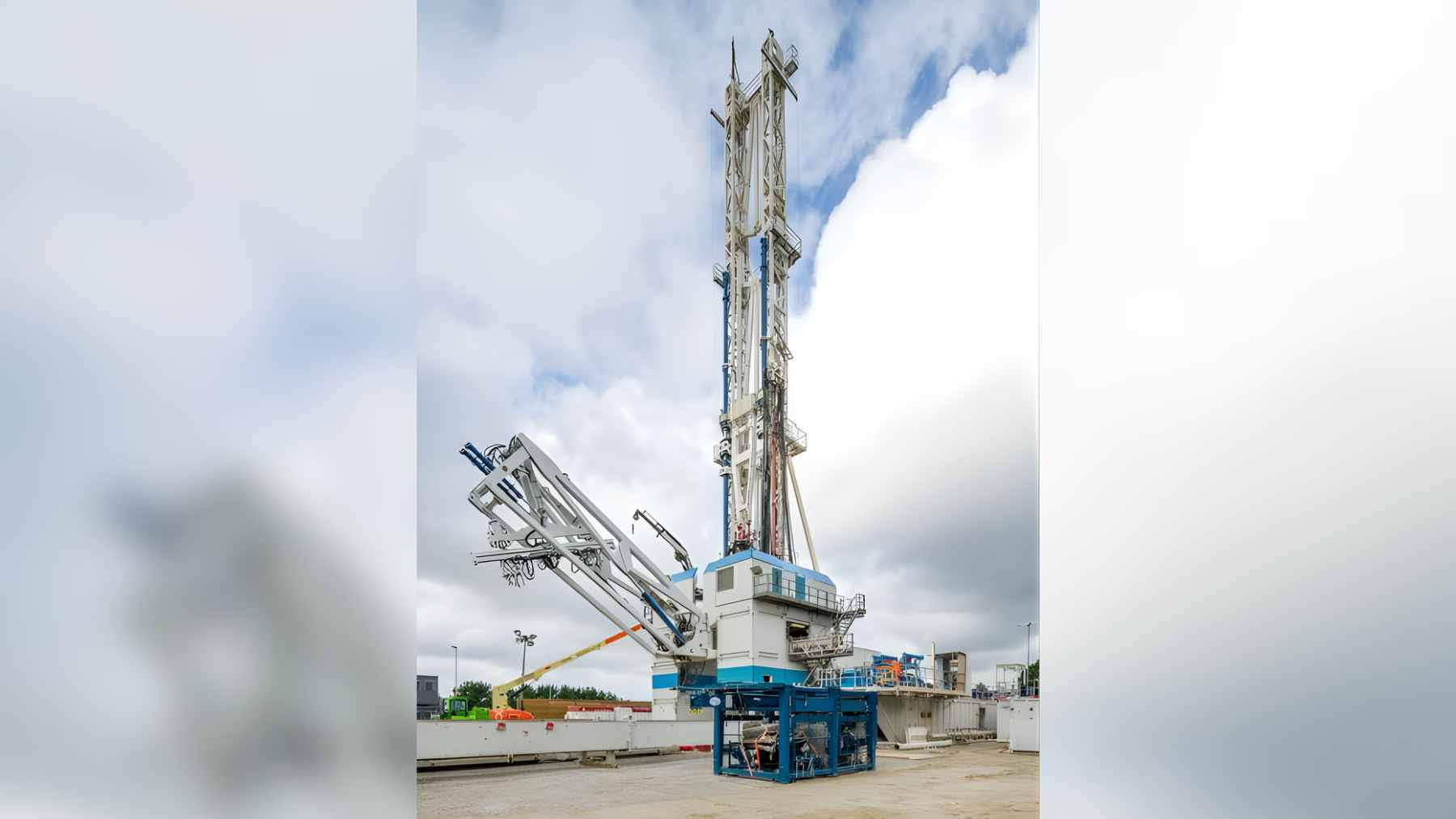
At United Downs, water comes up from more than 3 miles underground at temperatures above 190 degrees Celsius (374 degrees Fahrenheit), hot enough to drive electricity generation day and night.
GEL describes the system as a closed loop, with the fluid reinjected after power generation, which is meant to keep the underground reservoir stable and limit surface impacts.
The engineering matters because the UK does not have many places where deep rock is hot enough for power generation.
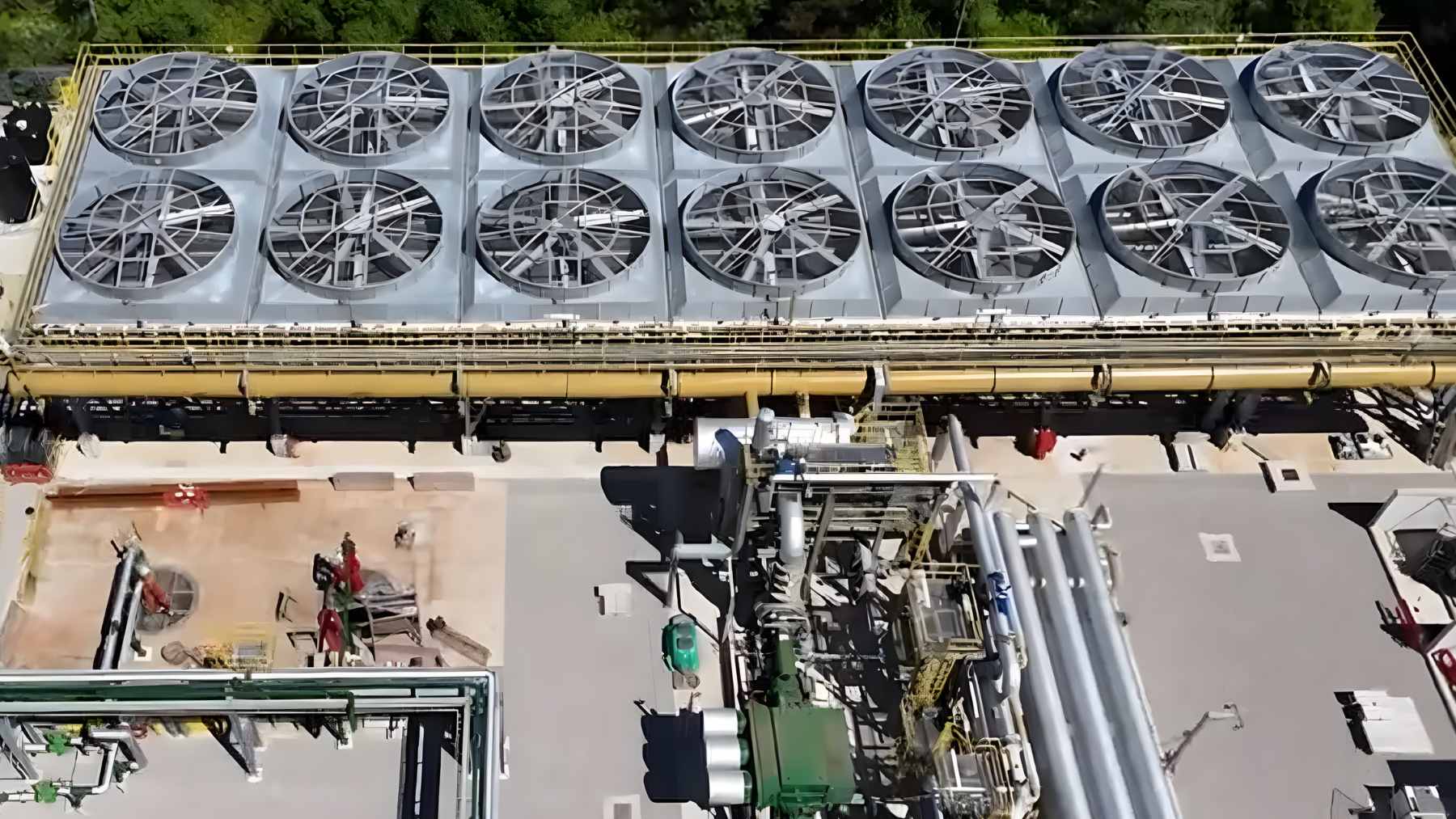
The plant uses a binary setup, supplied by Exergy International, where geothermal fluid heats a secondary working fluid and that vapor drives the turbine. But drilling this deep is expensive, and any long term rollout will live or die on cost, monitoring, and community trust.
The business deal behind 3 megawatts
This project is also a finance and policy story. Multiple reports peg United Downs at about £50 million ($66 million), and GEL says the development has blended private capital with public support, including backing tied to Cornwall and Thrive Renewables.
GEL also says it secured a Contract for Difference award in 2023, a policy tool intended to help projects lock in a more predictable electricity price.
Octopus Energy is effectively turning the plant into a product, buying steady output that does not swing with the weather. Octopus founder Greg Jackson put it simply, saying “Bills are still too high, and the answer is more homegrown…renewable energy.” For most readers, that lands in the same place as the electric bill that shows up every month.
Lithium from the same hot water
The other headline is lithium. GEL says the geothermal fluid contains more than 340 parts per million of “battery-grade lithium carbonate equivalent,” and it has started commercial scale production of lithium carbonate at the site, with capacity for about 100 tonnes (110 tons) per year from its February 2026 starting point.
Those numbers are small compared with global mining, and GEL’s longer-term scale-up targets will depend on permitting, processing performance, and market prices. Still, the concept is hard to ignore. GEL argues that pairing power and minerals lets one set of wells support two critical supply chains, which can help the economics of very deep drilling.
Energy security meets defense and data
Why does this matter beyond Cornwall? Because energy resilience is now treated as a national capability, not just a consumer issue. NATO says allies are committed to ensuring “secure, resilient and sustainable energy supplies” for their military forces, and the same logic applies to critical infrastructure that cannot afford blackouts.
Batteries sit in the middle of modern life, powering everything from phones to electric cars stuck in traffic, and they show up in ruggedized equipment as well.
The UK Ministry of Defence notes that replacing fossil fuels with alternative energy sources can lower emissions, even if not every platform can switch quickly. Domestic, low-carbon power and local critical minerals do not solve those challenges alone, but they reduce one obvious dependency.
What to watch next
Deep geothermal power will not be a copy and paste solution across Britain. The UK government has warned that the national heat gradient is relatively low compared with countries known for geothermal electricity, which is why many UK projects focus on heating rather than power generation.
Even so, the resource base is real. In 2023, the British Geological Survey said modeling suggests the potential to recover roughly 106 to 222 gigawatts of thermal heat from rocks at depth under parts of central and southern Britain, although turning that into affordable energy is the hard part.
For now, United Downs is a live test of whether deep drilling, clean power, and low-carbon lithium can finally pencil out at the same time.
The press release was published on GEL Energy.