An Ontario court has issued a lifetime hunting ban to a Larder Lake man after a moose hunt case that boiled down to two things hunters hear about constantly but don’t always take seriously: the tag and the license.
Donald Gosselin pleaded guilty to failing to properly affix an invalid moose tag and failing to produce a license when asked by a conservation officer.
He was fined C$730 (about US$532 using the Bank of Canada daily exchange rate from March 23, 2026) and barred for life from getting an Ontario hunting license or taking part in hunting activities in the province.
A lifetime ban over one missing tag
The official case record says conservation officers stopped a vehicle on Larder Station Road near Larder Lake on Nov. 11, 2024, and found Gosselin returning from a hunting camp with a rifle on the passenger seat. During the inspection, he denied hunting a moose.
Investigators later found the moose stored at a nearby residence without the required identification tag attached under Ontario’s Fish and Wildlife Conservation Act. Beyond the fine and lifetime prohibition, the court ordered the firearm forfeited to the Crown, and the moose was donated.
The case was heard remotely in the Ontario Court of Justice in Haileybury on Nov. 13, 2025, by Justice of the Peace Wade R. Cachagee. That remote detail matters more than it sounds, because it hints at how enforcement and prosecution are increasingly built on documentation and traceable steps.
Tags are not paperwork, they are population controls
It is easy to think of a tag as a piece of paper you keep dry in a pocket, right next to snacks and spare gloves, while in fact, the tag is one of the main tools wildlife managers use to control how many animals are taken, where, and under what conditions.
Ontario’s own hunting rules have long emphasized how immediate and specific tagging is supposed to be for moose, including securely attaching the game seal right after the kill at the kill site. It is meant to travel with the animal through transport and processing, so an officer can connect the animal to a valid authorization.
Courts also treat tag compliance as more than a minor technicality. Ontario’s set fine schedule lists C$500 as the set fine for “failure to properly attach invalidated tag” for moose, with additional set fines for related tag and transport offenses.
Data now drives the draw
If you have ever dealt with a printer that jams the one time you really need it, you already understand part of the modern compliance problem. Ontario’s online Fish and Wildlife Licensing Service lets hunters manage accounts, view active licenses, and print tags, but it also warns that tags cannot be saved or downloaded and that you only get one opportunity to print them.
That “one chance” design is not just a convenience feature, it is a fraud prevention choice. When tags are digital records tied to a single print event, the system is trying to reduce the odds of duplicates floating around in the field, the same way businesses try to lock down coupon codes or one-time QR passes.
Reporting is the other half of the data loop. Ontario’s hunter reporting guidance says anyone who buys or is issued a moose license must complete a mandatory hunter report even if they did not hunt or harvest, and failing to report can trigger a C$25 surcharge applied to a future draw application, license, or tag purchase. The document is blunt about why the information matters, since hunter reports help agencies understand wildlife populations and set harvest levels and tag allocations.
The climate stressors behind the enforcement
Why is the system so strict about traceability now? Part of the answer is environmental pressure, because moose management is not happening in a stable world.
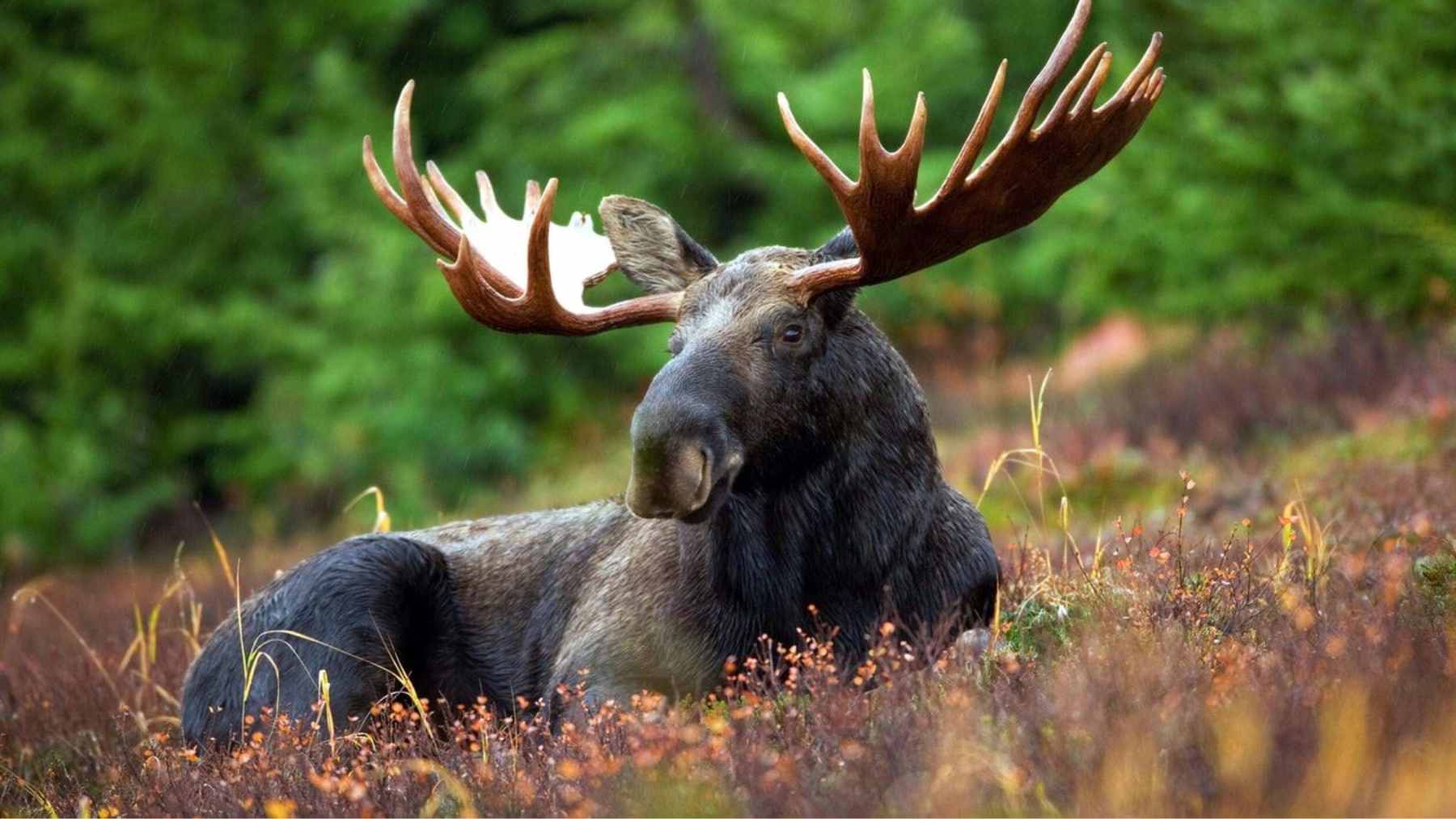
A 2025 open access study in the journal Ticks and Tick-borne Diseases notes that winter ticks have caused mass mortalities in North American moose populations, with host deaths linked to severe blood loss.
It also found winter tick eggs survived better at 86°F than at about 72°F in lab conditions, and larvae showed surprising tolerance to cold snaps, including short exposure at around -11°F and survival for months at around 9°F.
That kind of resilience is bad news for a species already juggling habitat change, heat stress, and shifting predator and disease dynamics. It also helps explain why regulators care so much about clean harvest data, because if environmental conditions swing, managers need reliable numbers fast, not stories that fall apart when the paperwork is checked.
Business and defense overlap in wildlife enforcement
Moose hunting is not just an outdoor tradition, it is an economic ecosystem. There are outfitters, lodges, gas stations, meat processors, gear shops, and a whole seasonal workforce that depends on predictable rules and a perception of fairness.
A Canadian federal tourism assessment described sport fishing and game hunting as a significant industry and highlighted how provinces have treated license sales and participation as economic drivers, particularly in rural regions. The report also points out that hunting and fishing sit at the crossroads of tourism, transportation, and retail spending, which is why enforcement stories travel beyond the hunting community.
Then there is the defense-adjacent reality that shows up every time firearms are part of the story. In this case, the rifle forfeiture is not a throwaway detail, it is the court using one of the strongest levers it has to prevent repeat behavior and reduce risk in the field.
When a conservation stop happens on a remote road, safety is not a given for officers or for hunters sharing the same space.
What hunters and communities should watch next
The simplest takeaway is also the most boring, and it is often the one that saves people the most trouble. Keep your license accessible, follow the tag instructions exactly, and treat the tag like it is part of the animal from the moment the hunt is over.
On the tech side, expect enforcement to lean harder on digital trails, printing controls, and reporting data, because that is where the system is heading anyway. If the tag is the receipt, then the hunter report is the inventory count, and modern wildlife management increasingly runs like a supply chain.
And for everyone else who never buys a hunting license, this is still a conservation story. A moose in the backcountry is part of the same environmental ledger as forests, parasites, and weather patterns, and that ledger only balances when rules can be verified.
The official bulletin was published on Ontario Newsroom.