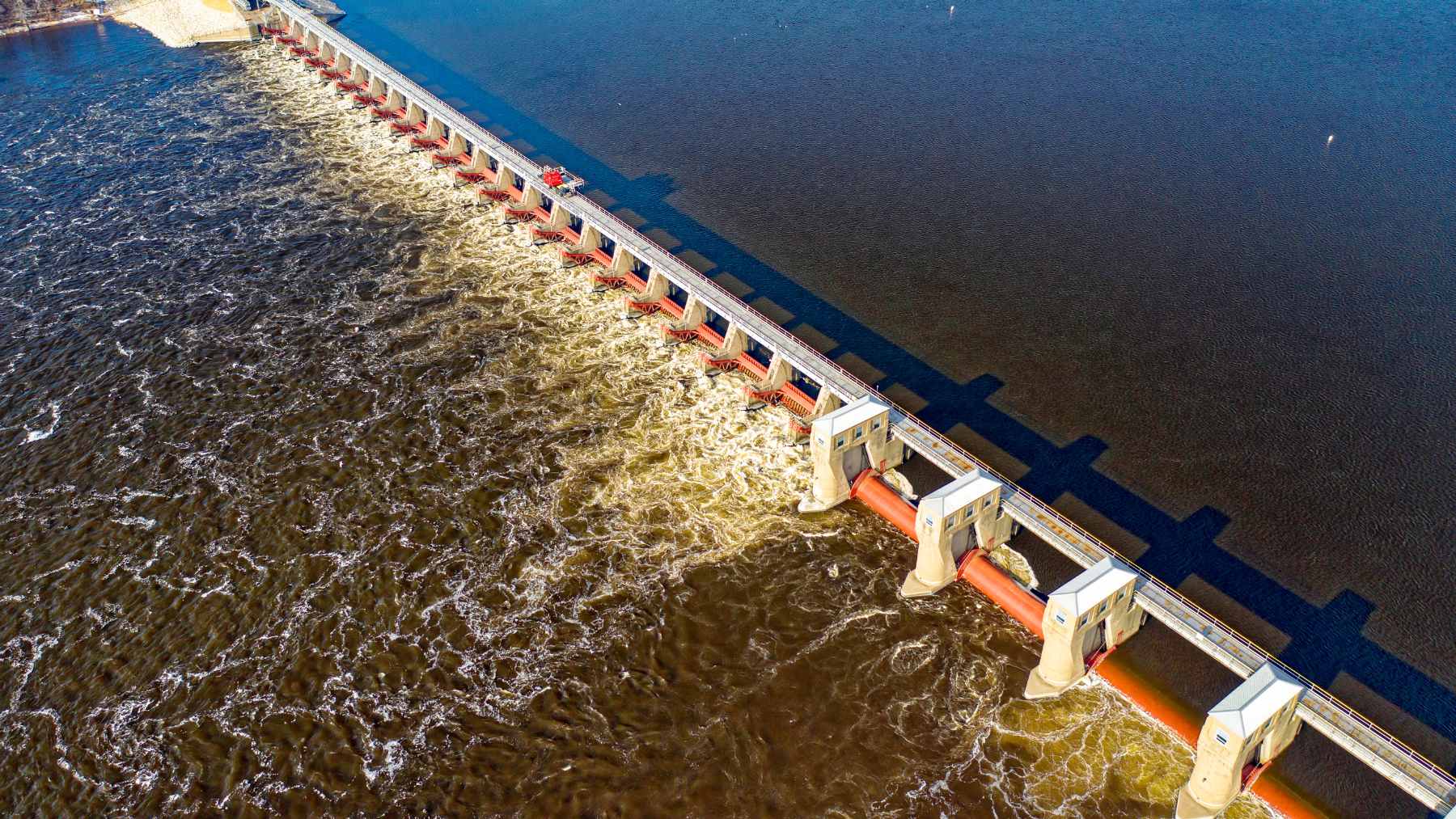
Michigan regulators are weighing a deal that sounds simple on paper. Consumers Energy wants to sell 13 aging river dams for $1 each, then sign a 30-year contract to buy the electricity back at a premium price.
But a key question is getting harder to ignore. If nobody knows how much sediment or contamination is sitting behind those dams, how confident can anyone be about the long-term cost, for customers and for the rivers?
The hearing that put the estimate on trial
At a March 23 and 24 hearing in the Michigan Public Service Commission case U-21985, a Consumers engineering witness acknowledged that the company’s dam removal estimates were built with limited site data and assumptions from a consultant, WSP.
He also said Consumers does not know how much sediment is impounded behind its dams or whether that material is contaminated.
That uncertainty matters because Consumers is pitching the sale to Confluence Hydro, a Hull Street Energy subsidiary, as the lowest-cost option compared with relicensing or demolition. In a filing to regulators, a senior Consumers executive wrote that the deal would “transfer substantial future operational and environmental liabilities and risk” to Confluence.
The mud behind the dams is the missing spreadsheet
Sediment is not just a muddy nuisance you see after a storm. Supporters of dam removal say these structures can warm rivers, harm fish habitat, and trap sediment upstream. What happens when you pull the plug on a century of buildup?
Fortunately, modern tools exist to reduce the guesswork. Sediment cores, sonar mapping, and targeted sampling can show what is buried, how much of it there is, and how likely it is to move downstream, which is why river advocates have argued that accurate decommissioning estimates require analysis of sediment quantity, quality, and mobility.
The 30-year power deal and your electric bill
The contract at the center of the case starts at $160 per megawatt-hour with a 2.5% annual increase. Consumers has said it provides electricity to about 1.9 million customers, while its hydropower business produces about 1% of its electricity and runs at a $152 million net annual loss.
A company spokesperson said the starting price is about twice what Consumers typically pays for hydropower on the open market.
Still, price signals like this tend to land in everyday places, including the electric bill and the monthly budget. Consumers and Confluence argue the buyback rate is what makes it possible to keep the dams operating and fund major work, while critics say the same structure could lock customers into above-market power for decades.
Consumers has also said the arrangement may be able to tap state incentives for utilities that buy renewable energy, a subsidy it cannot access when it generates the power itself.
Hardy Dam shows how climate risk becomes a line item
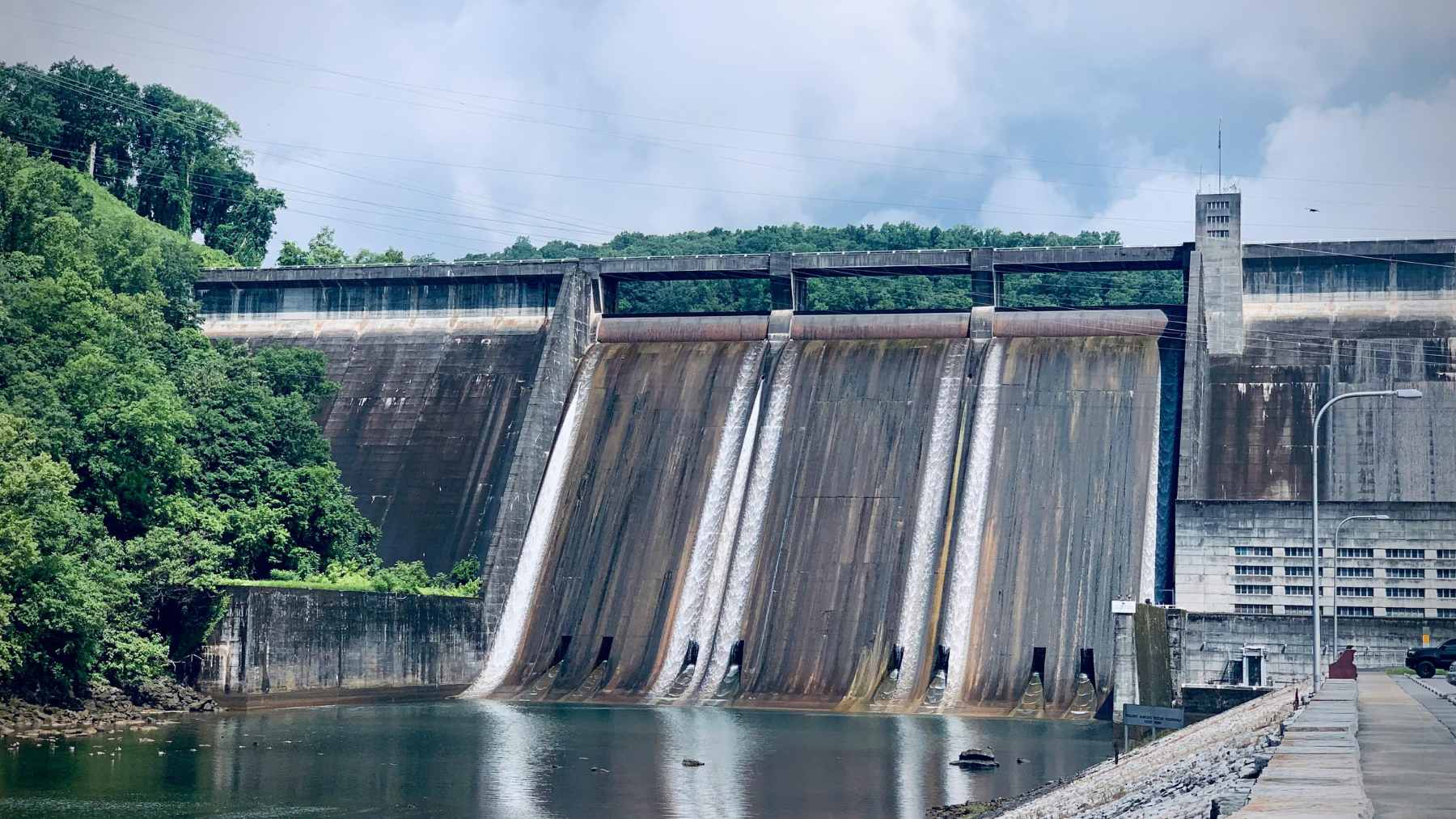
One reason the numbers are so tense is Hardy Dam on the Muskegon River. Consumers has estimated a $350 million spillway replacement to meet federal flood standards, and the company asked the Federal Energy Regulatory Commission in a March 16 filing to delay the project while it pursues the sale.
That is where climate, engineering, and politics collide. The spillway work is tied to a high-hazard standard known as the “probable maximum flood,” and the paperwork is full of the kinds of phrases that can turn into very real construction bills for whoever owns the dam when the work finally starts.
Dam safety is also a security issue
Opponents keep pointing to the lesson of Edenville and Sanford, where a privately-owned dam system failed in 2020 and triggered massive flooding.
In a separate enforcement case, Michigan’s attorney general highlighted a federal court judgment of $119,825,000 against the former Edenville owner, with state officials framing it as a warning that owners of critical infrastructure cannot put private interests ahead of public safety and the environment.
The ownership structure is part of the debate, not a footnote. In testimony cited in the current case, state fisheries staff warned that complicated LLC structures can limit liability and make it easier to abandon a single asset, and US Army Corps of Engineers inspection data cited in the dispute shows private dams are more likely to be in poor condition than utility-owned dams.
What to watch before regulators decide
An administrative law judge set a proposed decision target date of June 10, with intervenors that include the state attorney general, the Department of Natural Resources, and multiple conservation and angling groups.
State staff and the attorney general’s office have pushed for conditions like financial assurances and stronger liability backstops, while Consumers has signaled it wants the sale approved without major changes.
At the end of the day, the fight is not only about whether hydropower is “green.” It is about whether a multi-decade deal is being priced with enough hard data, especially the data sitting quietly on the river bottom.
The official filing was published on FERC eLibrary.