Chevron says it will buy about 20,000 barrels a day of crude from Sable Offshore’s platforms near Santa Barbara and process it at the company’s El Segundo refinery starting in April. The deal lands in the middle of a federal Defense Production Act order to restart the Las Flores pipeline system and a new lawsuit from California Attorney General Rob Bonta.
For drivers staring at the gas station sign, more local barrels can sound like quick relief. But the same network was shut down after the 2015 Refugio spill, when a pipeline rupture near Refugio State Beach sent more than 100,000 gallons of crude toward the Pacific. Can a push for energy security also deliver real environmental security?
What restarted off Santa Barbara
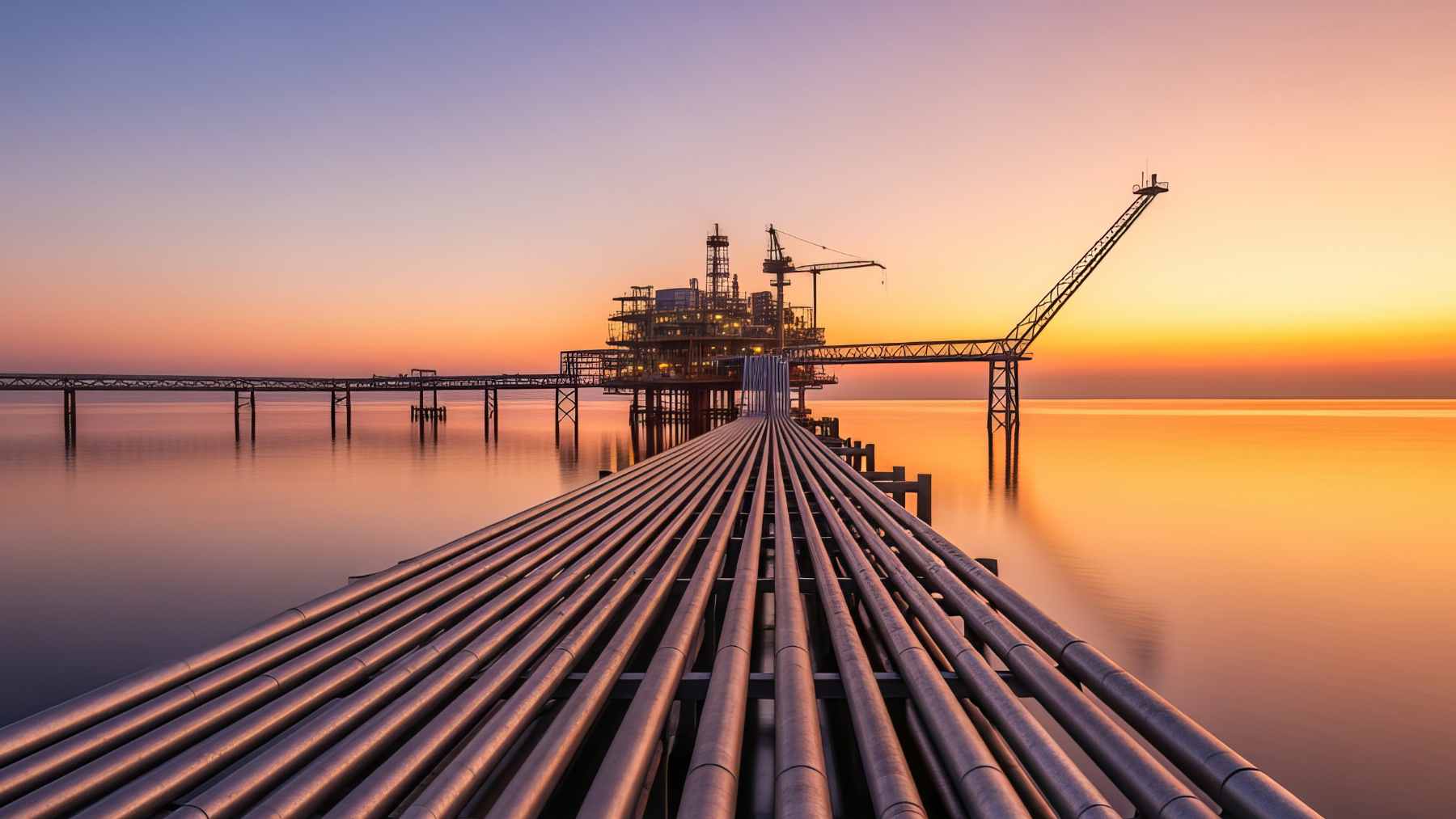
Sable says it began shipping hydrocarbons on March 14 and expects first sales by April 1 at an oil rate of about 50,000 barrels per day. The company also says it is producing from Platform Harmony now and plans to resume production at additional platforms in the coming months.
Those barrels move through two onshore lines known as CA 324 and CA 325, also called the Las Flores pipelines. California argues the lines remain subject to state regulation and oversight.
The coast has heard this story before. NOAA’s damage assessment program notes that the 2015 rupture spilled over 100,000 gallons of crude, much of it reaching the ocean through a storm drain and ravine under the freeway.
The Defense Production Act lands on the shoreline
The Department of Energy says Secretary Chris Wright directed Sable on March 13 to restore operations at the Santa Ynez Unit and pipeline system using authorities under the Defense Production Act. Reuters reported the order came as fuel prices surged globally amid the U.S.-Israeli war with Iran.
The federal case leans on defense language. Wright said the order would restore a pipeline system “vital to our national security and defense,” adding that West Coast military installations need reliable energy for readiness.
California is fighting back in court. Bonta’s office says the order unlawfully tries to supersede state law, state court orders, and a federal court-approved consent decree that governs how the pipeline can operate. Governor Gavin Newsom has called the emergency orders “desperate, reckless, and illegal,” according to Reuters.
Chevron’s refinery math and California’s import reality
Chevron’s El Segundo refinery has crude oil capacity listed at 269,000 barrels per day by the California Energy Commission. Running nearby crude through that plant is a straightforward business move when demand does not pause for politics.
California’s oil supply has also tilted outward over time. In 2024, the California Energy Commission reports that foreign sources made up about 63.3% of crude receipts to state refineries, compared with about 23.3% from in-state production and about 13.4% from Alaska.
Iraq, Brazil, Guyana, and Ecuador were among the largest foreign crude sources reported for the state that year.
The decline at home is steep. U.S. Energy Information Administration data show California field production at around 1.1 million barrels per day in 1986 and about 246,000 barrels per day in December 2025, and imports make up much of the difference.
Even so, Reuters notes that 50,000 barrels per day is only a small slice of California’s total refining capacity, so big price changes are far from guaranteed.
Environmental stakes that go beyond carbon
The most immediate environmental risk is a spill, not a spreadsheet. NOAA documents how the 2015 incident carried crude into the ocean, and Associated Press reporting on that disaster described widespread shoreline damage and harm to wildlife along the Southern California coast.
That history is why the restart is meeting resistance from environmental groups and local officials, even as federal agencies argue that higher fuel prices and supply concerns justify action.
Public radio reporting in California says multiple state agencies have not approved the restart of oil operations and disputes remain over permits and court-ordered restrictions.
Some concerns are about culture and land, not just water. Coastal Band Chumash leaders have spoken publicly about sacred areas and oversight, while Sable has said it completed repairs and considers the pipeline safe.
The technology question that will decide what happens next
This fight is also about infrastructure that has to work quietly every day. A federal pipeline safety report on the Refugio spill found that an alarm that should have flagged the rupture had been turned off, and it cited external corrosion as the direct cause of the failure.
Sable says it began shipping while observing federal safety regulations. Still, the details that matter most are technical and unglamorous, including inspection records, corrosion management, leak detection performance, and emergency response readiness.
In the end, courts will argue authority while engineers argue steel and sensors. Drivers might see a little more supply soon, but the coast will only feel safer if oversight keeps pace with production. One deal can move barrels. The bigger question is whether it can rebuild trust.
The press release was published on California Department of Justice.