A recent report about Sheikh Mohammed bin Rashid Al Maktoum and a Boeing 747 used to fly racehorses around the world reads like a story about wealth. But it is also a story about logistics, animal welfare, and a stubborn climate math problem that aviation has not solved yet.
In plain terms, this kind of specialized flying shows why the next phase of “green aviation” is getting more granular. It is no longer just about passenger jets and cheap tickets, but also about cargo, private fleets, government aircraft, and even the invisible warming from contrails.
A jumbo jet built around horse welfare
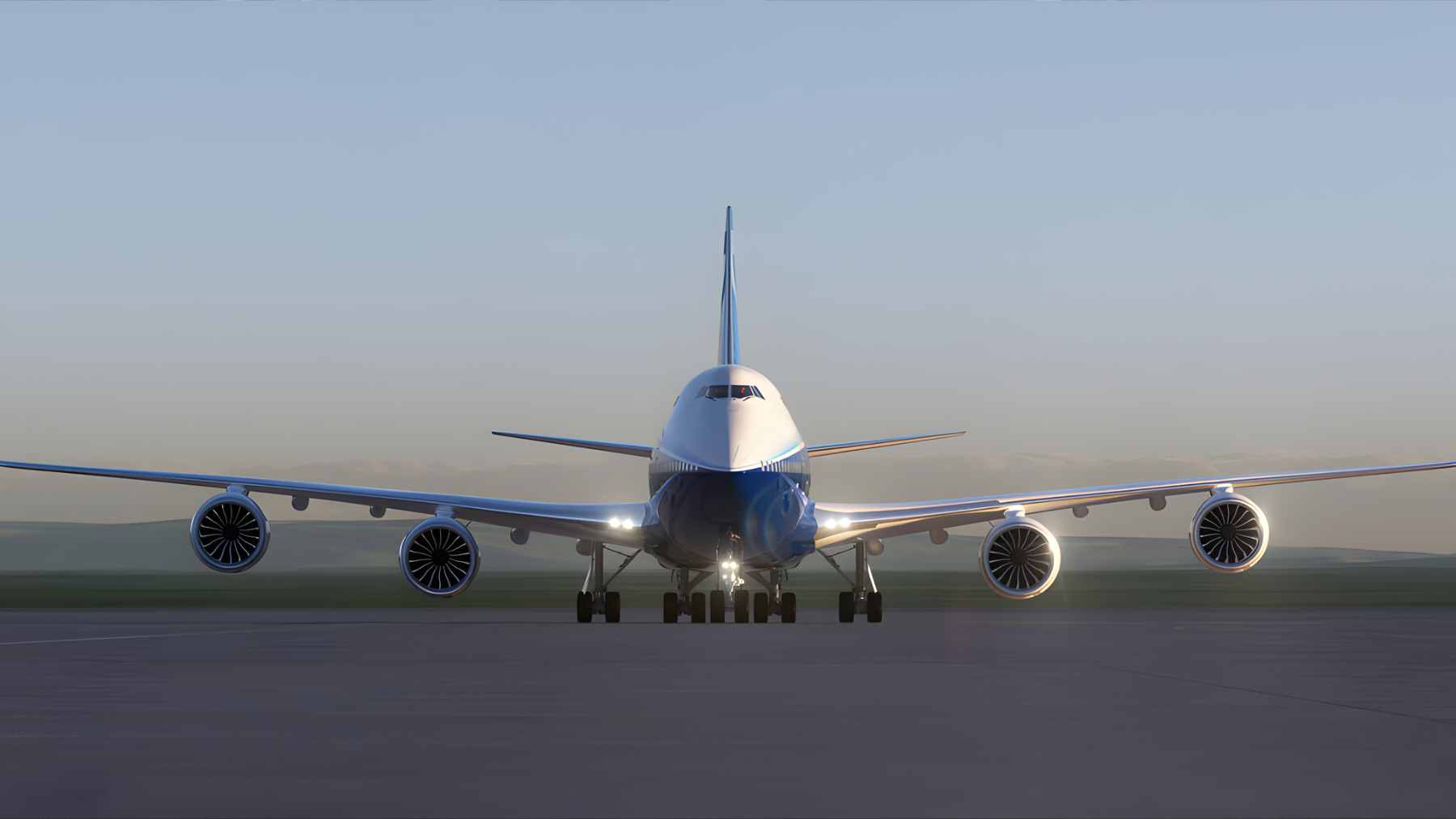
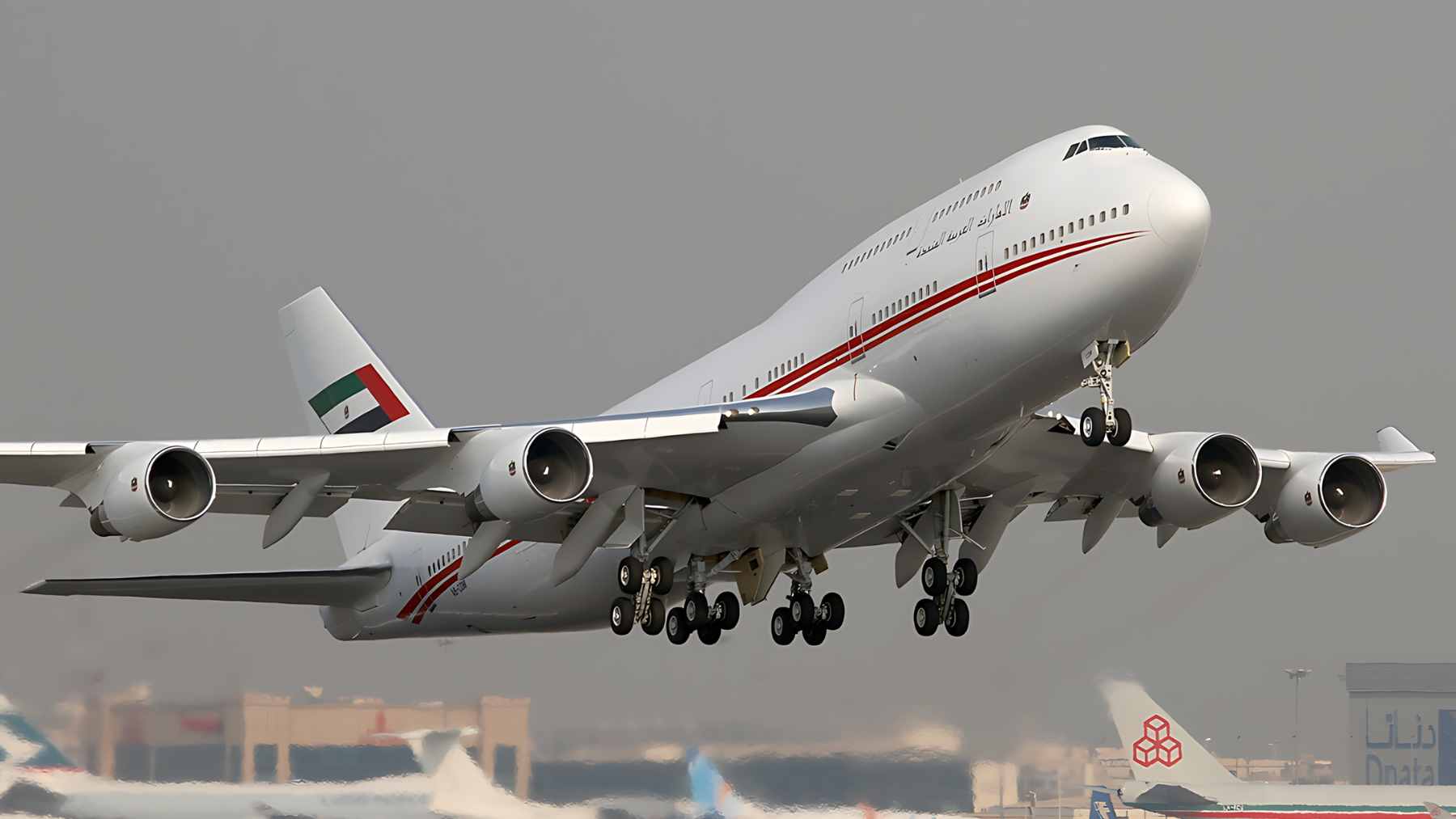
The aircraft tied to this attention is a Boeing 747 freighter operated by Dubai Air Wing, commonly identified in aircraft databases as registration A6‑GGP. Its documented operator history traces back to Singapore Airlines Cargo and Great Wall Airlines before moving to Dubai Air Wing in 2010.
It is not a “horse palace in the sky,” and the key change is not the airframe itself. The horse friendly part is the modular setup, using prefabricated “air stalls” that can be loaded and secured on the main deck, along with trained grooms and often veterinary oversight.
That approach lines up with what major standards bodies ask for when live animals fly. IATA’s guidance centers welfare and safe handling, while the World Organisation for Animal Health describes how horses should be carried in containers and separated based on size.
The business logic behind airborne stables
To understand why anyone would do this, it helps to look at Godolphin as a global business, not a hobby. Godolphin describes itself as an international thoroughbred breeding and racing operation founded by Sheikh Mohammed, spanning multiple continents including Dubai, Europe, Japan, Australia, and the United States. (godolphin.com)
Scale matters because horse racing is a calendar sport, and the animals are high value “mobile assets” with training cycles that do not wait for slow shipping. Godolphin’s own figures say the team has won more than 9,000 races worldwide, with detailed statistics showing total wins rising into the mid 9,000s through 2026.
This is where ecology quietly enters the conversation. When a supply chain is designed for speed and control, emissions can become just another operating cost, like an extra line item you do not see until it hits fuel bills, charter rates, and eventually prices across the system.
The emissions add up faster than you think
A Boeing 747 freighter is a workhorse, but it is not a light sipper. An industry fuel burn analysis of 747‑400 operations reports cruise consumption around 3,350 to 3,400 gallons of jet fuel per hour, with total fuel burns for 10 to 11 hour long haul sectors in the tens of thousands of gallons.
When you translate that fuel into carbon dioxide, the numbers get concrete in a hurry. Commonly used factors put jet fuel at about 3.16 units of carbon dioxide for every unit of fuel burned, and a conversion set used in aviation analyses links gallons to fuel mass and then to emissions.
Using the same long haul fuel burn range shown for a 747‑400F in that analysis, you are looking at roughly 380 to 430 tons of carbon dioxide for a single 10 to 11 hour flight, just from combustion. One flight will not move the global needle, but repeat operations across a season make the footprint real.
Clean fuel mandates meet a messy supply chain
Aviation’s bigger climate context is already harsh. The International Energy Agency reports that aviation produced almost 950 million metric tons of energy related carbon dioxide in 2023, which converts to roughly 1.05 billion tons, and accounted for about 2.5 percent of global energy related carbon dioxide emissions that year.
That is why regulators keep pushing on sustainable aviation fuel, even as airlines push back on cost and supply. In Europe, ReFuelEU Aviation sets minimum blending requirements that start at 2 percent in 2025 and rise toward 70 percent by 2050, with additional targets for synthetic fuels later on.
The awkward part is that clean fuel is still scarce and expensive. A 2026 Reuters report captured the tension, with airlines arguing that synthetic fuel mandates should be delayed until supply is more realistic, and U.S. industry analysis has noted SAF can cost roughly two to four times more than conventional jet fuel.
Defense and security are part of the jet fuel conversation
It is easy to treat this as a “luxury problem,” but government aviation is part of the same climate equation. Dubai Air Wing is a state linked operation, and globally, many military and government fleets burn huge volumes of fuel while also facing growing pressure to cut emissions.
Security planners are also looking at cleaner fuels through a different lens, which is resilience. NATO linked work has discussed synthetic and “power to liquid” approaches partly because fuel supply lines are strategic vulnerabilities, and military focused analyses note that synthetic jet components face blending limits and sustainability criteria.
Tech is starting to tackle the invisible part of aviation
Carbon dioxide is only part of aviation warming, and that is where the conversation is getting more technical. A major 2024 analysis in Atmospheric Chemistry and Physics found that only a small fraction of flights produced most of the annual warming effect from contrails, which hints that smarter routing could deliver outsized benefits.
That idea is moving from theory to tools. In a 2025 trial cited by the Associated Press, American Airlines and Google used AI based forecasts to avoid contrail prone regions on some transatlantic flights, reporting large reductions in contrail formation without a meaningful fuel penalty in that test.
Regulators are building the plumbing for this too. The European Commission and EUROCONTROL launched an IT system called NEATS to track non carbon dioxide aviation effects, and EU guidance now describes reporting these effects in carbon dioxide equivalent terms for flights under the EU ETS framework.
What to watch next
So what should readers keep in mind when they see a “horse plane” story go viral? It is a vivid example of how high value global logistics can clash with climate goals, especially as fuel rules tighten and emissions reporting starts to capture more of what flying does to the atmosphere.
The next question is whether niche operations like elite sports transport will adapt through cleaner fuels, smarter routing, or better accounting, or whether they simply absorb higher costs and keep flying.
The official guidance was published on EU Climate Action.