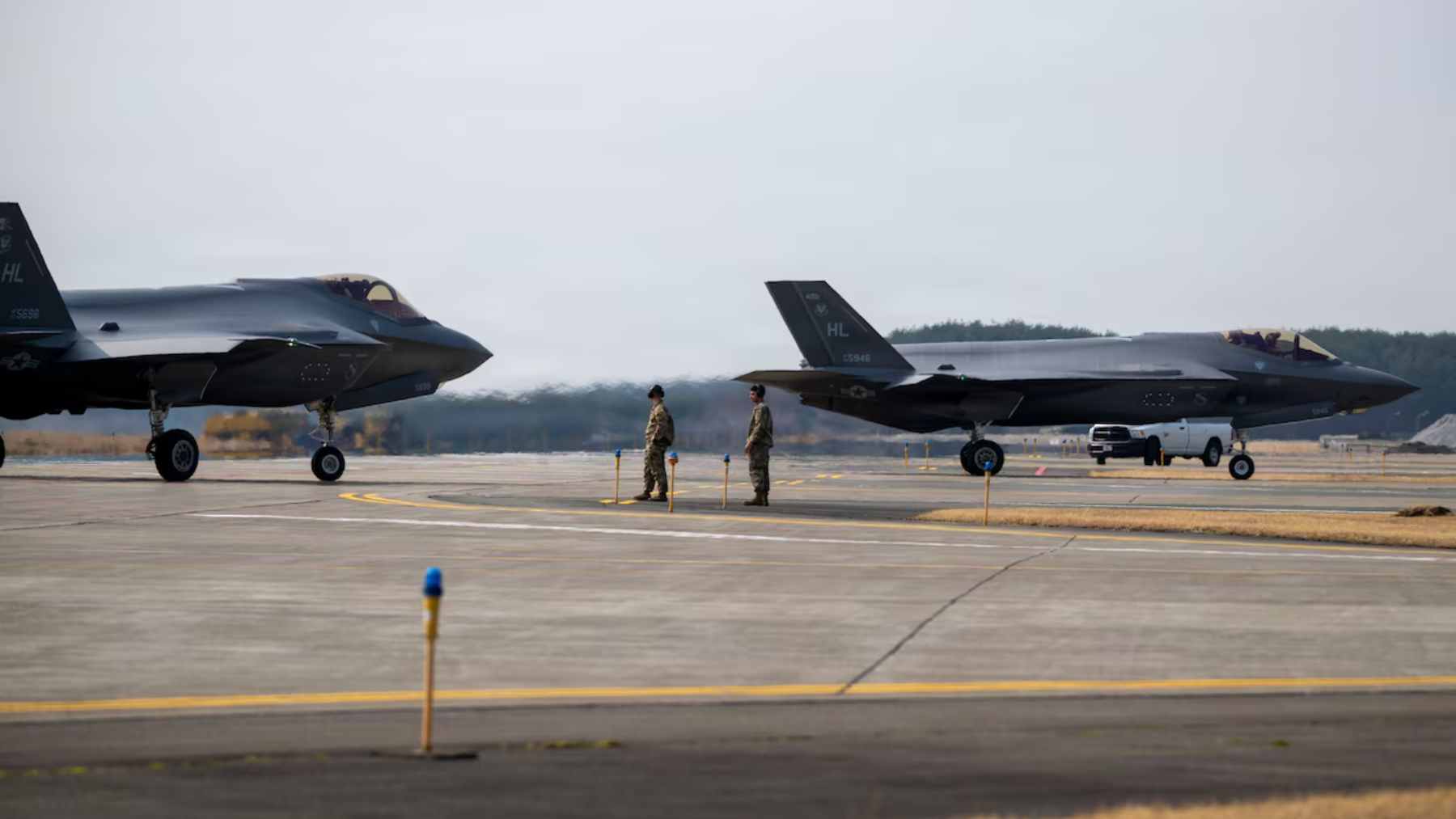
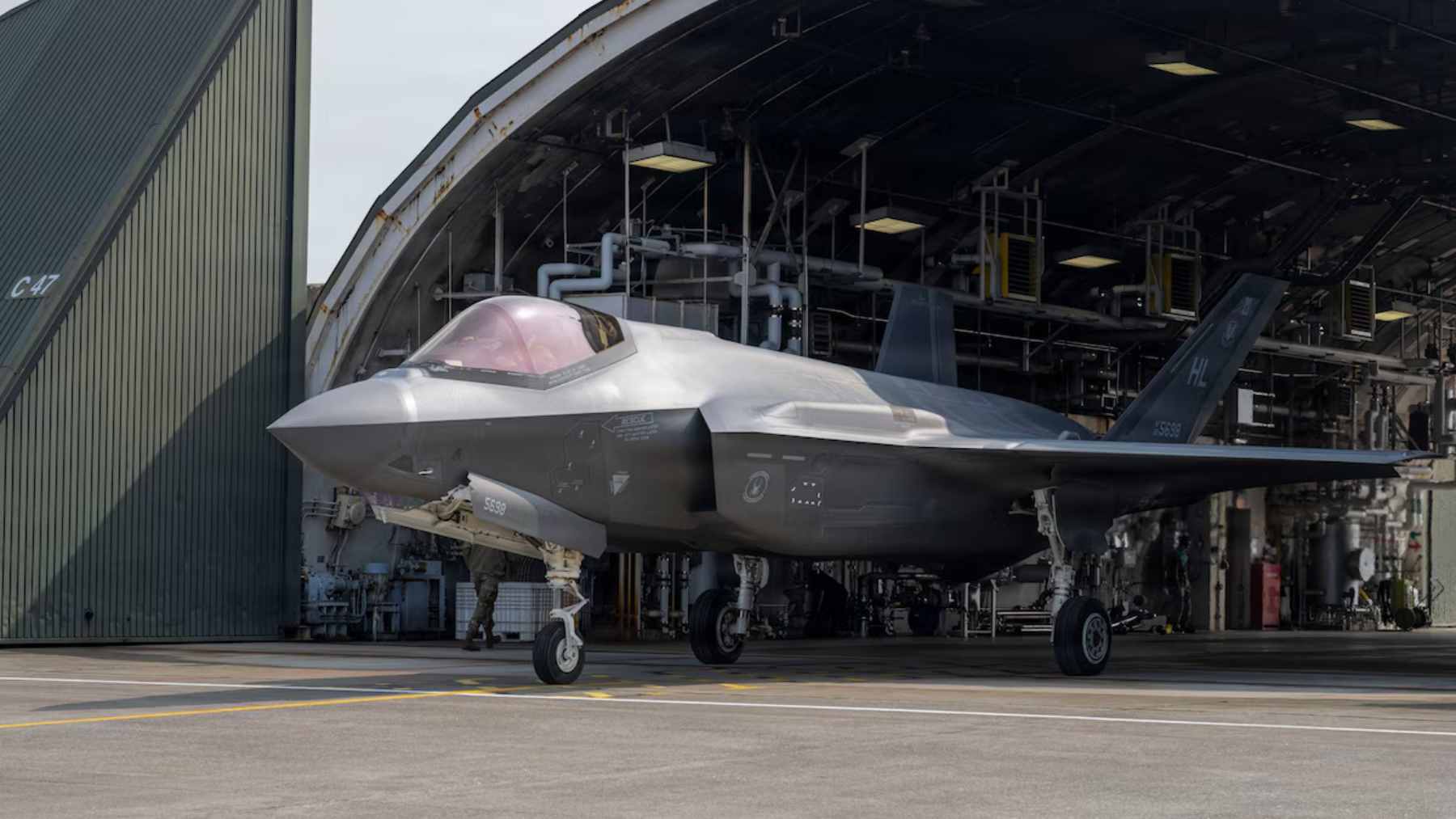
The first U.S. Air Force F-35A fighters have now arrived at Misawa Air Base in northern Japan, marking the start of a major shift in the American air combat footprint across the Indo-Pacific.
The aircraft landed on March 28 and were assigned to the 13th Fighter Squadron, beginning Misawa’s move from fourth-generation F-16s to fifth-generation stealth fighters.
That may sound like a routine basing update, but it is much bigger than that. In practical terms, this is one of the clearest signs yet that Washington and Tokyo are accelerating a long-term modernization plan meant to strengthen deterrence, tighten alliance integration, and keep pace with a tougher regional security picture.
Why Misawa matters
Misawa is not just another overseas air base. It sits at the northern end of Honshu and supports a mission set that includes suppression of enemy air defenses, a role that becomes even more consequential when the aircraft on the ramp are stealth-capable F-35As.
The official Air Force announcement said the arrival marks the beginning of the squadron’s transition to fifth-generation airpower and the permanent stationing of the Joint Force’s most advanced tactical aircraft in northern Japan.
That is the headline here, and it carries weight far beyond the flight line.
A bigger US-Japan overhaul
This move is part of a broader force realignment that the Pentagon laid out in July 2024 with the Japanese government. Under that plan, Misawa is set to grow from 36 F-16s to 48 F-35As, while Kadena will receive 36 F-15EX aircraft and Marine Corps Air Station Iwakuni will transition from Navy F/A-18 Super Hornets to F-35Cs.
The Defense Department said the package represents more than $10 billion in capability upgrades tied to the U.S.-Japan alliance. At the end of the day, what it is trying to do is pretty simple: put more advanced aircraft closer to the places where speed, range, and interoperability matter most.
What the F-35 changes
The F-35A is the conventional takeoff and landing version of the Lightning II family, and it is built to do more than one job. It can handle air superiority, strike missions, air defense, close support, and electronic warfare, while also sharing large amounts of data across the battlefield.
That networked role is a big part of the aircraft’s appeal. Think of it less as a standalone fighter and more as a flying sensor and communications hub that helps connect aircraft, ships, and ground forces in fast-moving situations. For military planners, that kind of awareness is gold.
The alliance piece is hard to miss
There is also an important political signal here. The Japan Air Self-Defense Force has operated its own fleet of F-35As at Misawa since 2018, so the arrival of U.S. F-35As at the same base sharpens the shared operational picture between both countries.
The Pentagon put it bluntly in its 2024 statement, saying the plan shows an “ironclad” U.S. commitment to Japan’s defense and to a “free and open Indo-Pacific.” That language is familiar by now, but hardware still matters, and new aircraft on the tarmac tend to speak louder than strategy papers.
Not a simple victory lap
Still, there is a catch. The F-35 program has long faced readiness and sustainment problems, and those issues have not magically disappeared just because the aircraft have reached Misawa.
A 2024 GAO report said sustainment costs were continuing to rise while planned use and availability had decreased. Another GAO review found the program still dealing with late deliveries and unresolved technical risks, even after full-rate production was approved in March 2024.
What happens next
Misawa has clearly been preparing for this moment for a while. In June 2025, the 35th Munitions Squadron activated the 35th Fighter Wing, a step the base described as part of building the support structure needed for the incoming aircraft and mission demands.
So yes, the arrival of the first jets is a milestone, but it is really the first chapter.
The bigger test will be whether the Air Force can turn this modernization push into reliable day-to-day readiness, with enough spare parts, trained personnel, and support equipment to keep those aircraft flying when they are needed most. That is where strategy meets real life.
The official statement was published on Misawa Air Base.