When states go shopping for the next big clean-tech factory, the headline usually focuses on the subsidy package. Oklahoma joined that race for an electric vehicle battery “megaproject” and lost out to Kansas. Yet fresh IRS migration data suggests Oklahoma’s income base still expanded in a quieter way, by attracting more tax filers and families than it lost.
That matters for the environment because battery plants sit at the center of the electrification push. They are also part of a bigger national security story tied to critical minerals and supply chains. In practical terms, the Oklahoma and Kansas contrast is a reminder that “green industry” depends on more than ribbon cuttings.
The clean tech subsidy race
Demand for EV batteries keeps climbing, and the numbers are hard to ignore. The International Energy Agency estimates global demand for EV batteries topped 750 gigawatt hours in 2023, up 40% from 2022. That kind of growth is why states keep pitching massive incentive deals to lure factories.
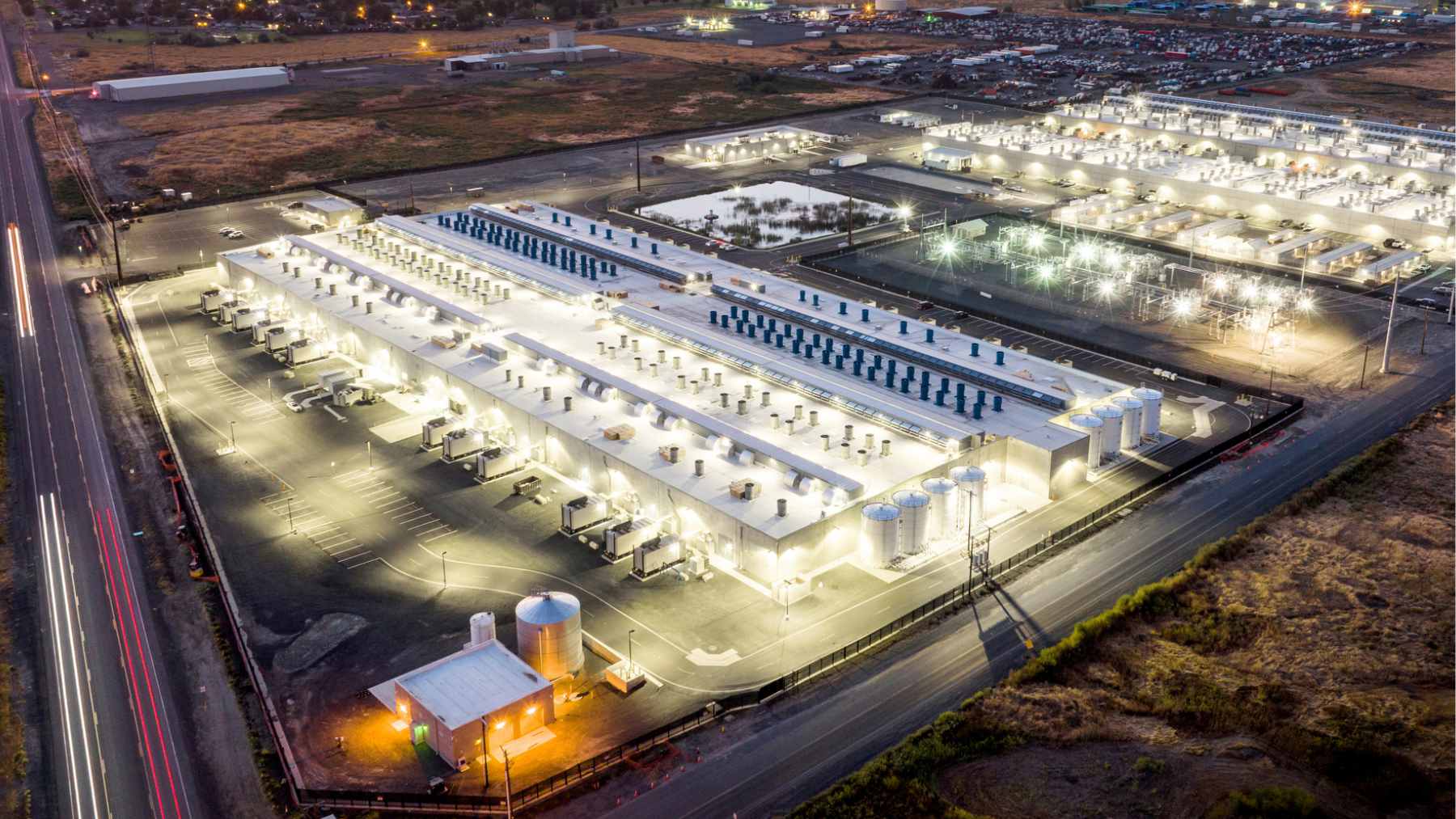
Kansas won the Panasonic project in De Soto, a roughly $4 billion plant tied to the EV supply chain. State documents around the Kansas APEX program described an estimated $829 million in state incentives, while local agreements layered on infrastructure support such as roads and water projects.
For taxpayers, these deals can feel distant until the local utility starts planning for new loads and neighbors start asking what the new industrial footprint means.
Oklahoma’s growth shows up in tax returns
On March 19, 2026, the IRS released its latest state and county migration data for 2022-2023. The dataset is built from year-to-year address changes on individual income tax returns, and it tracks both “returns” and “exemptions,” a rough stand-in for people on those returns.
It is not a full census, but it is one of the most consistent nationwide snapshots of domestic movement.
In that release, Oklahoma recorded 85,394 inbound exemptions from other states bringing $2.69 billion in adjusted gross income. The state also saw 72,805 outbound exemptions taking $2.43 billion in adjusted gross income with them. Netting it out, domestic migration added about $261 million in adjusted gross income in a single year.
A quarter billion dollars is not pocket change, even in state-level economics. It also comes without the single point of failure that comes with betting on one factory landing on time and hiring on schedule.
Mitchell calls it the difference between an “engineer” picking winners and a “gardener” setting conditions, and even a moving company dataset from HireAHelper ranked Oklahoma ninth for net moves in 2025.
Panasonic’s Kansas plant is ramping, slowly
None of this means the battery factory is irrelevant. In early February 2026, Panasonic executives told Kansas lawmakers and local media the De Soto plant was “at about 1,400 employees” and working toward roughly half of its production capacity in the coming months.
That is real payroll, plus a steady stream of suppliers, contractors, and new infrastructure demands.
But the projections that justified big incentives are still projections. A Wichita State University economic impact study assumed 4,000 direct jobs and estimated a total employment impact of 8,051 jobs with more than $505 million in annual labor income. Whether and when the project reaches those targets will shape how residents judge the bargain.
Batteries tie climate goals to defense needs
From an ecology standpoint, batteries are a double-edged story. The IEA estimates a battery electric car sold in 2023 will emit about half as much as a comparable gasoline car over its lifetime, and that advantage grows as grids get cleaner.
Still, the upstream footprint of mining, processing, and manufacturing does not disappear, it just moves earlier in the chain.
That is also where military and defense concerns enter the chat. A U.S. government review of the advanced batteries sector notes that advanced batteries are critical for defense applications including unmanned vehicles, communications systems, sensors, and electronic warfare.
The Department of Defense has separately called for a defense specific lithium battery strategy, a sign that the same cells powering cleaner commutes can also be mission-critical hardware.
The bigger lesson for green industry
So what should readers keep in mind the next time a state announces a “historic” clean-tech deal? Watch the boring indicators, like who is moving in, how much income is coming with them, and whether the electric grid can handle new demand without making the electric bill sting.
Also, watch for the less flashy pieces, like recycling capacity, since EPA guidance says safe lithium-ion battery recycling conserves critical minerals and is more sustainable than disposal.
In the end, the clean economy is built by people as much as by projects. If a state is gaining workers and income, it may have a better shot at sustaining climate tech growth even when a single factory misses a milestone.
The data release was published on IRS SOI Tax Stats.