A pile of Renaissance-era musket balls is not where you expect a clean energy supply chain story to start.
But researchers affiliated with the Helmholtz Institute Erlangen-Nuremberg at Forschungszentrum Jülich, working with collaborators at Friedrich-Alexander University Erlangen-Nuremberg, say they have “upcycled” heavily contaminated lead bullets into high-purity lead iodide, a key ingredient for high-performing perovskite solar cells.
Their proof-of-concept panels reached 21% power conversion efficiency, which is competitive even if it trails the best lab-grade perovskites that now push beyond 27%.
The bigger point is what the process tries to solve: perovskites need very pure lead iodide at scale, yet mining and refining lead is resource-intensive and toxic, and huge volumes of “legacy lead” already sit in waste streams.
Why this matters for the clean-energy economy
Perovskite solar cells are one of the most promising ways to make lightweight, flexible, and potentially cheaper solar modules, but their material inputs still have a footprint. If the industry grows fast, demand for lead iodide could rise right alongside it, and that is where secondary supply can either reduce harm or create new problems.
This is also a business story about resilience. Turning discarded lead into a solar precursor could reduce exposure to volatile commodity markets and shorten supply chains, especially if producers can qualify recycled material to commercial standards without driving up costs.
The bullet-to-solar “recipe,” explained
So what did the team actually do, in plain English? They deliberately started with exceptionally dirty lead, including centuries-old musket-ball fragments bought online, to show their method can handle worst-case contamination.
Step one used electrochemistry. The researchers reshaped the lead into electrodes, submerged them in an acetonitrile bath containing dissolved iodine, and ran an electrical current to convert the metal into lead iodide with very high purity, while limiting chemical use and cutting lead-laced wastewater.
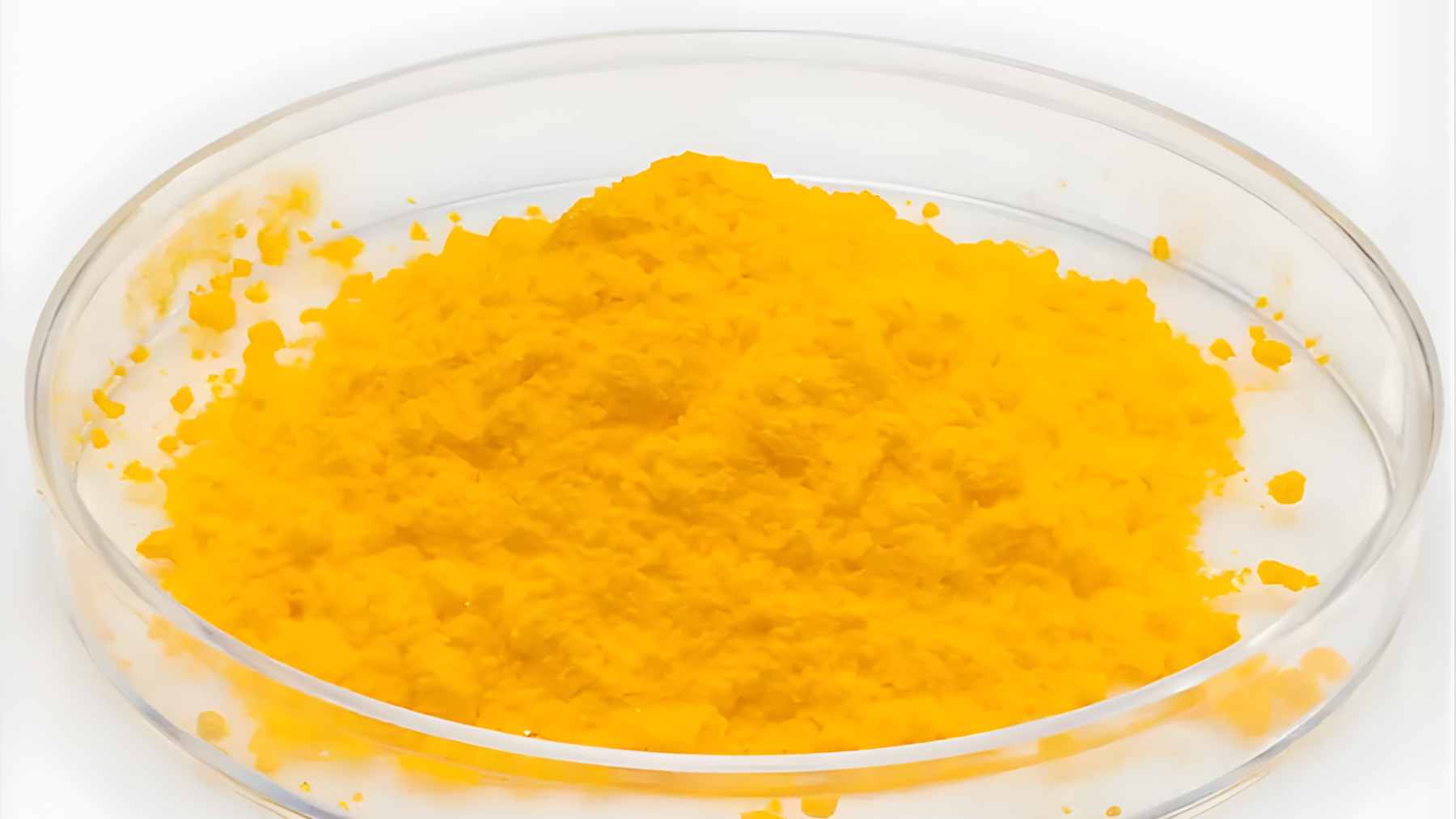
Step two turned that mustard-yellow lead iodide into perovskite crystals using inverse temperature crystallization, a heat-driven method that helps the right crystal structures form.
They reported that devices made from this recycled precursor were statistically indistinguishable from cells built using “5N” commercial lead iodide, reaching 99.999% purity.
Closing the loop is the hard part
The study is not arguing that perovskites must rely on lead forever. Researchers have explored lead-free options, but lead-halide perovskites still tend to deliver the strongest electronic performance, which is why they dominate current record charts.
If perovskites are going to scale, there has to be a reliable way to source and handle lead without expanding mining and refining.
The team frames its goal around capturing an estimated 30% to 40% of lead waste that effectively gets abandoned at the end of industrial life, which is exactly the kind of “leak” that turns a useful metal into a pollution liability.
Essentially, that means creating a recycling pipeline that looks more like the mature lead-acid battery system, not a one-off lab trick. The U.S. Environmental Protection Agency notes that lead-acid batteries are one of the most recycled consumer products, with recycled content often above 80%.
Military and defense has a quiet lead problem
There is an uncomfortable defense-adjacent reality here. Lead bullets and lead dust do not just exist in museums and antique collections, they accumulate at military and law-enforcement training ranges, and cleaning them up can be expensive and politically messy.
Lead management is already a regulated concern. The U.S. Environmental Protection Agency has even published best management practices for outdoor shooting ranges, which is a clue that “spent ammunition” is not just a harmless pile of metal.
Health risks from firing-range lead have been documented in the scientific literature, including elevated blood lead levels in frequent shooters and workers. In other words, this is not only an energy transition problem, it is also a public health and workplace safety issue that tends to show up after the fact.
The climate win depends on keeping lead locked down
Recycling lead into solar materials sounds like a win, but it only works if the full life cycle is controlled. Perovskite modules need robust encapsulation and end-of-life recovery plans, otherwise the same toxic metal we “rescued” could end up leaking later.
This is where the tech meets regulation. If perovskite products scale before recycling and disposal rules are in place, the industry risks repeating the e-waste pattern, where valuable materials end up scattered across landfills and informal recycling markets.
MIT has noted that durability and long-term stability remain major hurdles for perovskites, even as efficiencies climb. That matters for the planet and for your wallet, because a panel that fails early is not “green” no matter how high its lab score looked.
What to watch next
The immediate takeaway is simple: a clever recycling method can help clean energy, but only if it is paired with a system that tracks lead from waste to device to disposal.
Watch for three signals as this work moves from lab to market: whether the process scales beyond boutique batches, whether manufacturers accept recycled lead iodide as a standard input, and whether governments build take-back rules before perovskite panels hit rooftops in big numbers.
At the end of the day, the electric bill won’t care if a panel was made from Renaissance bullets or freshly-mined ore. But the environment will care a lot about whether the lead stays contained, and whether we finally get serious about closing the loop.
The study was published in Cell Reports Physical Science.