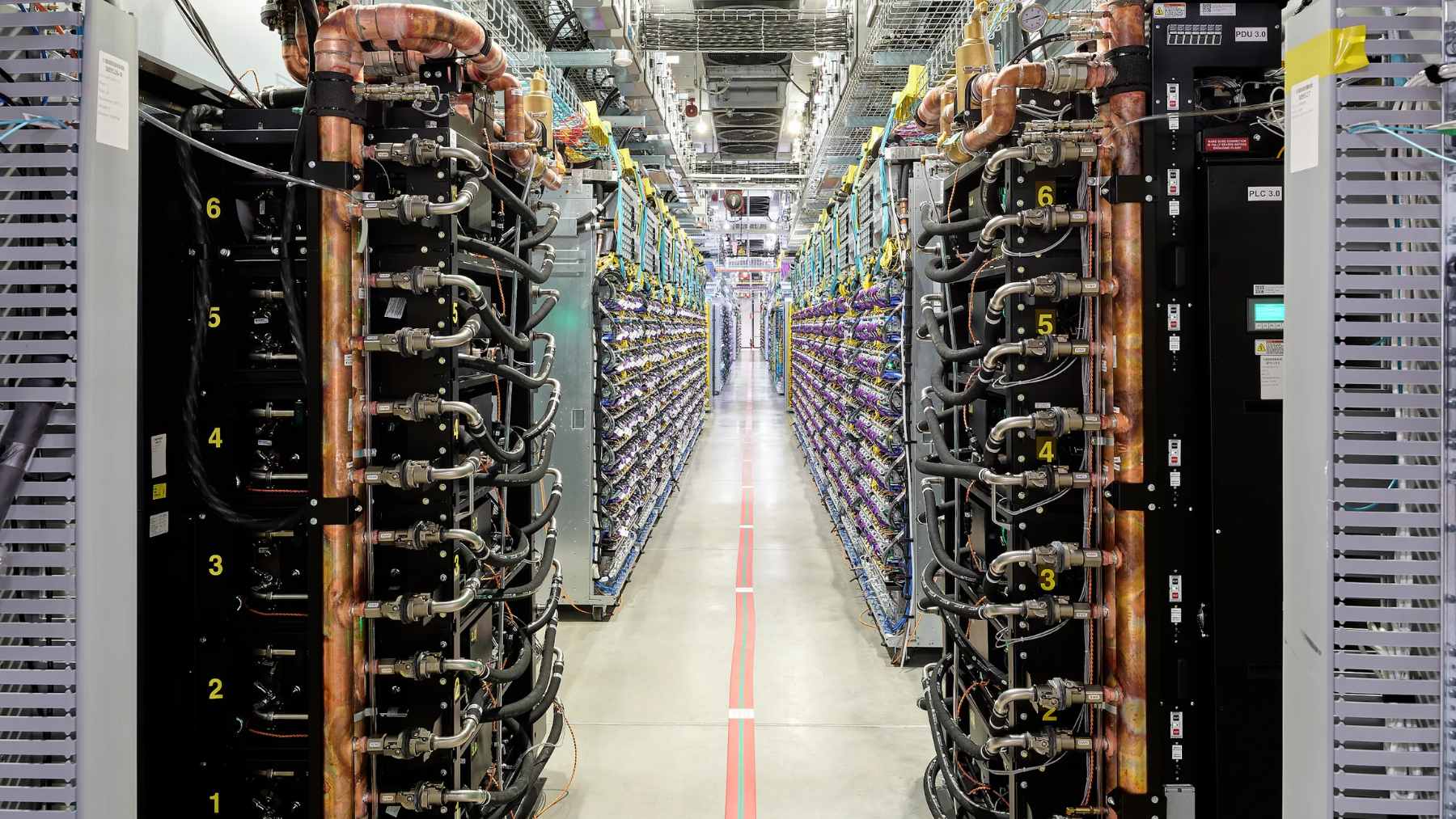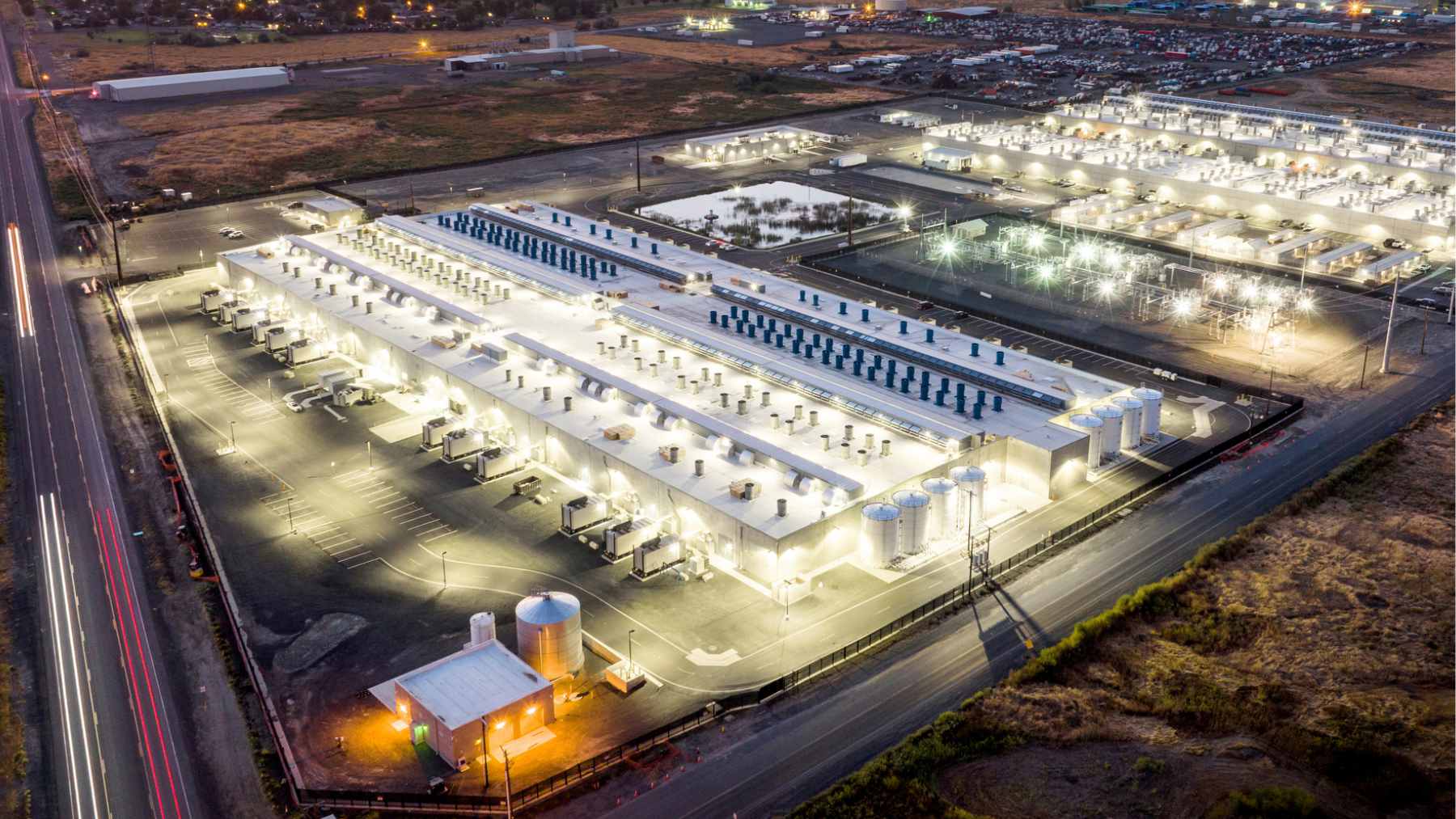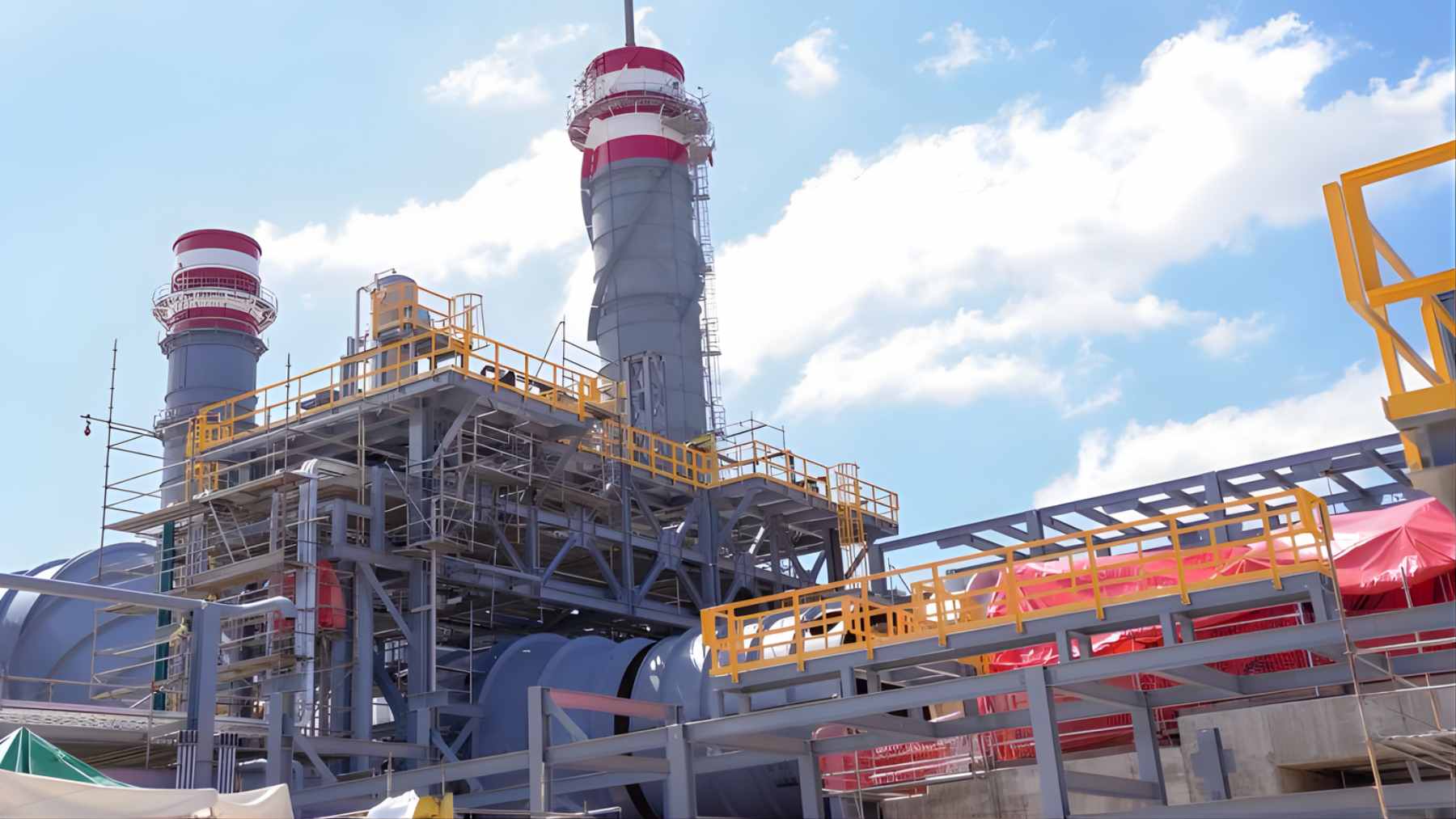
If you have ever lived through a power cut in sticky summer heat, you know electricity is not an abstract policy debate. On March 27, 2026, the Dominican Republic inaugurated the Manzanillo Power Land plant in Montecristi, a combined cycle natural gas facility expected to add 414 net megawatts to the national interconnected grid (SENI).
The government says the project is designed to reduce blackouts and stabilize supply in a system that has struggled for decades.
For everyday consumers and businesses, the immediate promise is simple: fewer outages and a more predictable electric bill. But the environmental conclusion is more complicated.
Natural gas can cut carbon dioxide compared with coal or fuel oil, yet it carries a climate wildcard in methane leaks, and those leaks are hardest to see when the spotlight is on megawatts and ribbon cuttings.
A big boost for the grid, with fewer blackouts promised
President Luis Abinader inaugurated the plant in the municipality of Pepillo Salcedo, and the administration says the 414 MW addition could cover about 15% of national demand at peak moments. The official framing is that this is a concrete response to a historic electricity deficit and that it should stabilize the SENI.
That scale matters because reliability is not just comfort. It shapes whether factories run smoothly, whether hospitals can reduce generator use, and whether small shops lose inventory when refrigeration fails. You can almost hear the sigh of relief from anyone who has lost a day of work to an outage.
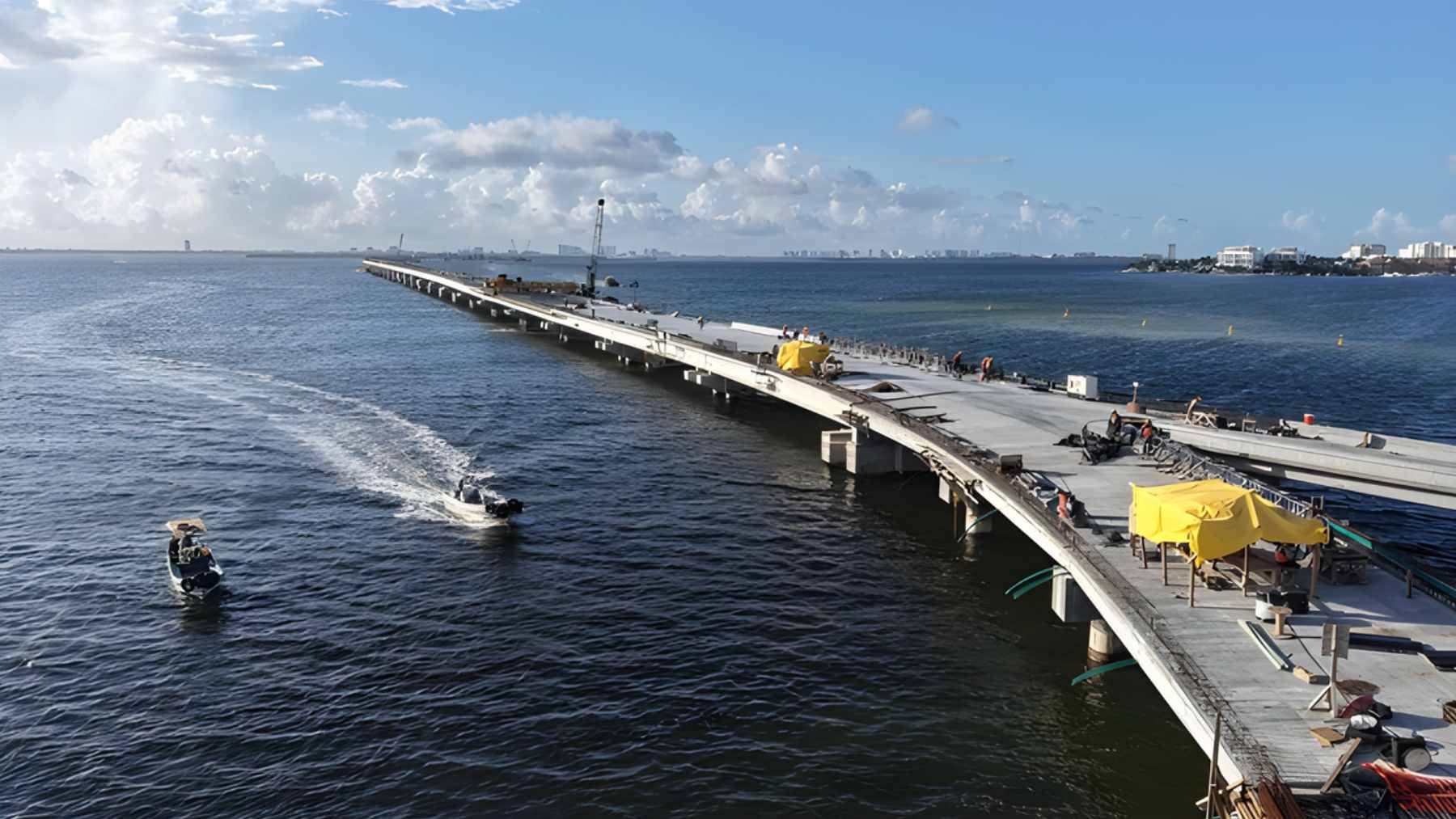
The plant is part of a broader Manzanillo energy hub that includes new port infrastructure and a floating LNG unit to secure fuel supply. The developer, Energía 2000, previously highlighted the arrival of the Energos Freeze, a floating storage and regasification unit designed to reduce supply interruptions that can trigger blackouts.
Business momentum and a new energy corridor
Beyond the grid math, Manzanillo Power Land is also a business story. The project comes with public expectations for jobs, port activity, and new logistics in the northwest, a region the government says it wants to turn into an energy and shipping corridor. It is an economic bet as much as an engineering one.
Financing is part of that bet. Dominican media reported that the plant and associated infrastructure were backed by a mix of local banks and international institutions, a reminder that power projects live or die by long-term credit, not just turbines. That also means consumers can feel the cost in tariffs if expectations do not match reality.
So, what should readers keep in mind? A major new plant can stabilize the grid, but it can also lock in fuel import exposure. If global gas markets tighten, a country can end up paying more for electrons even if the lights stay on.
Natural gas can lower CO2, but methane decides the climate impact
From a climate standpoint, natural gas often looks like a step down from coal. The U.S. Energy Information Administration lists carbon dioxide emission coefficients that show natural gas emits less CO2 per unit of energy than coal when burned, which is one reason many countries use gas as a transition fuel.
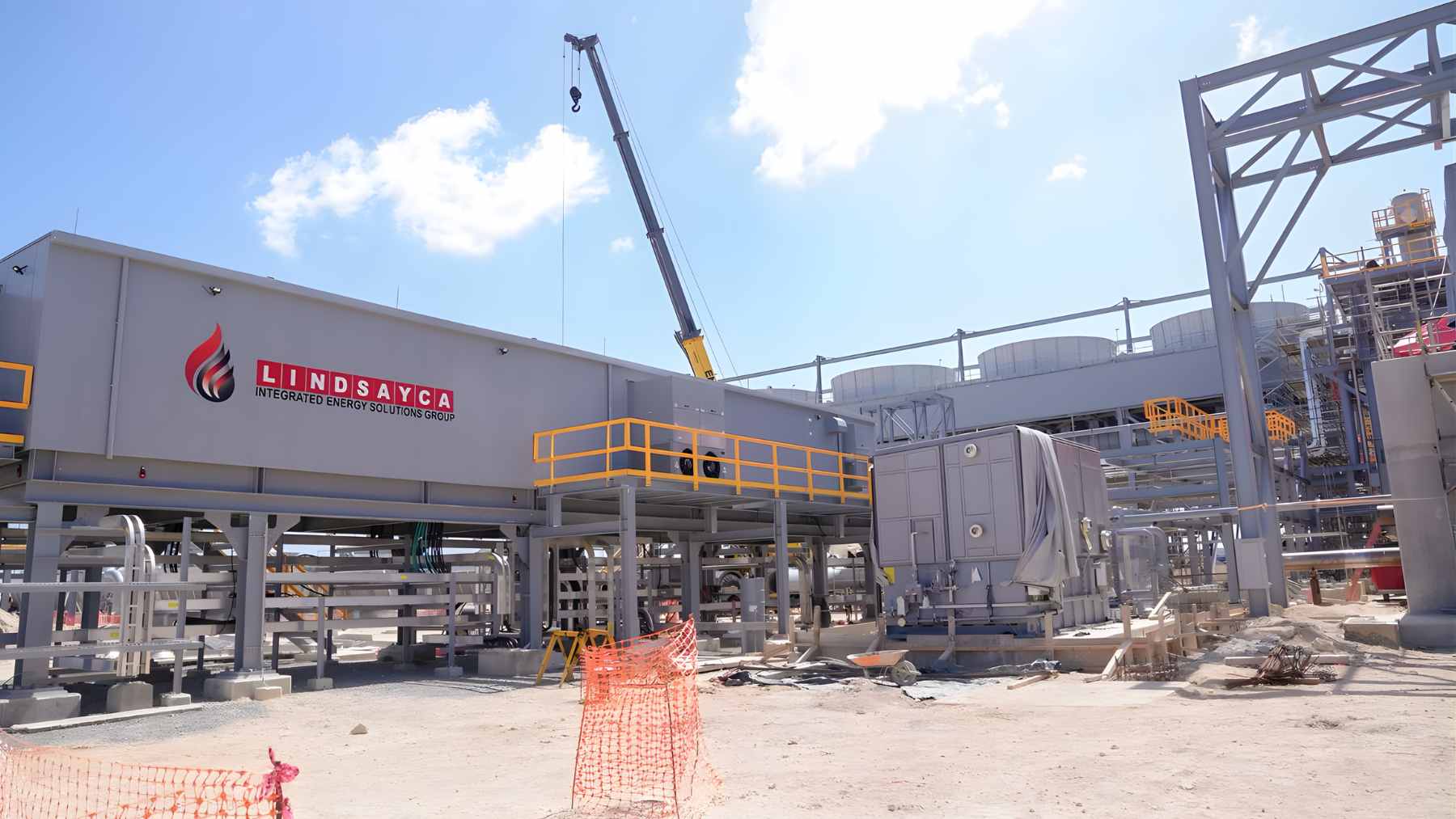
The trouble is methane. The UN Environment Programme notes that methane has a much higher warming effect than carbon dioxide over the first 20 years after it is released, and natural gas systems can leak methane at wells, pipelines, compressors, and ships. Even small leak rates can erase some of gas’s climate advantage.
That is where this Dominican project becomes more than a local story. If Manzanillo’s LNG supply chain is tight and well monitored, the plant could reduce the dirtiest generation on the island. If leaks are ignored, the climate math starts to look far less friendly.
Tech and defense angles that do not fit in the press photos
Energy infrastructure is now a technology story, too. When you add a floating LNG unit, port systems, and a national grid that must dispatch power in real time, you are also building a bigger digital attack surface. Caribbean grids have to live with hurricanes, price swings, and the modern reality of cyber risk.
There is also a quieter defense angle. Ports and energy terminals are critical infrastructure, and in many regions they have become strategic targets in times of conflict. That does not mean the Dominican Republic is facing an imminent threat, but it is why governments increasingly treat energy security as part of security planning.
In practical terms, planners need redundancy and environmental safeguards. A fuel spill, a hurricane, or a cyber incident can turn an energy win into an ecological problem fast. The question is whether investments in resilience keep pace with the speed of new construction.
What readers should watch next
The big numbers are easy to repeat: 414 MW, about 15% of demand, and a claim of fewer blackouts. The harder part is tracking performance over time. Will the plant run efficiently, will LNG deliveries stay steady, and will electricity actually feel more reliable for households and businesses?
Environmental accountability is the second test. Methane monitoring, port safety, and transparent reporting will matter as much as the megawatts, especially as renewables keep scaling and gas plants start to compete with cheaper wind and solar. This is where the debate moves from slogans to measurement.
The official statement was published on Presidencia de la República Dominicana.