The Boring Company closed its “Tunnel Vision Challenge” in late March 2026 by naming three U.S. winners, not including Panama City’s proposal for a pedestrian and cyclist tunnel beneath the Panama Canal. That might sound like the end of the story, but it is more like the first chapter.
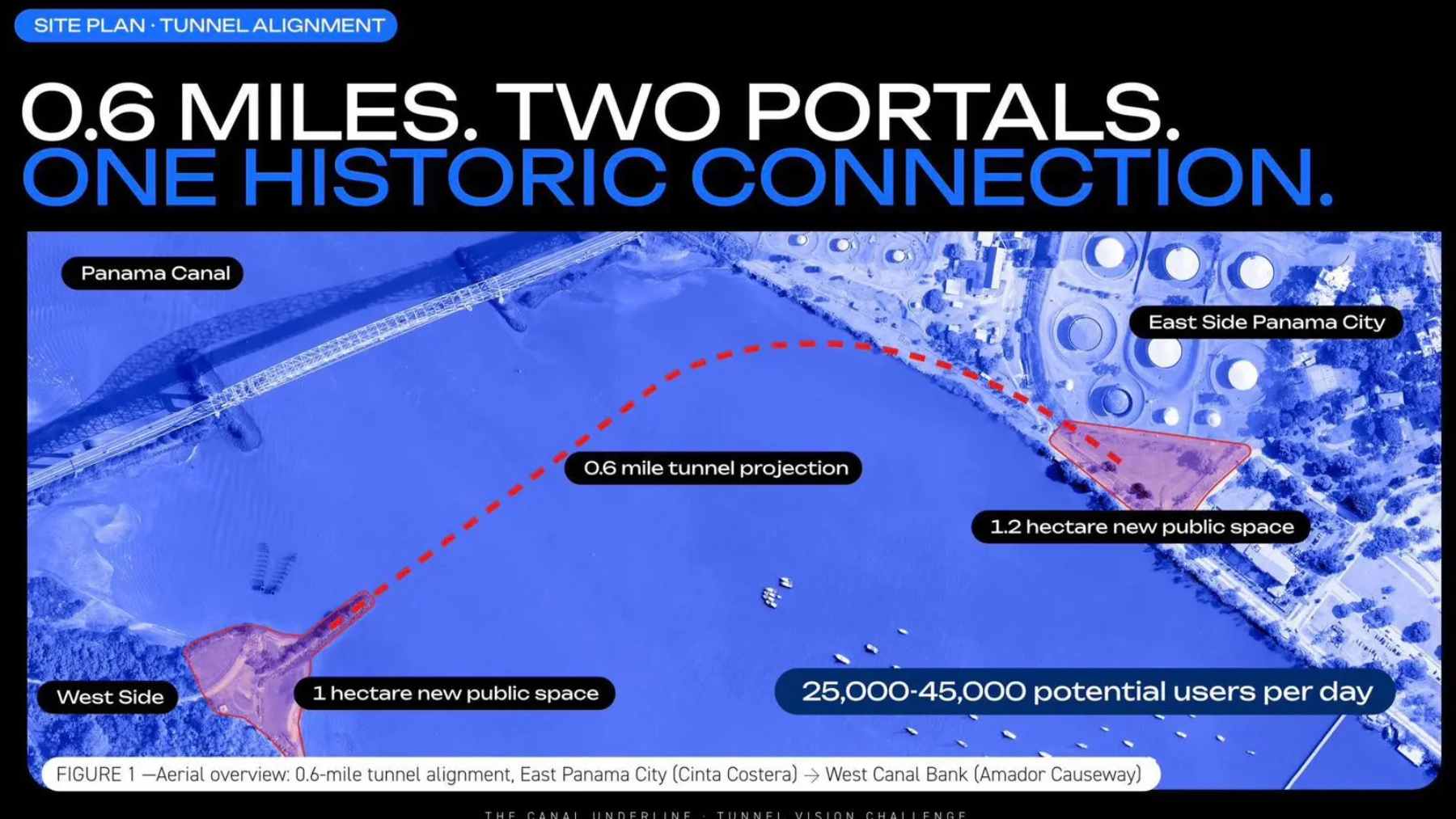
The project, dubbed “The Canal Underline,” sits at an unusual crossroads where urban mobility, climate stress, and strategic infrastructure overlap. If the canal’s biggest constraint is increasing fresh water, not ship traffic, then every new piece of infrastructure around it gets judged through an environmental lens.
A tunnel built for feet and bicycles
Panama City’s mayor’s office proposed a dedicated under-canal crossing for walking and biking, designed to connect Panama City with the fast growing communities to the west. The pitch is intentionally low carbon, because it is built around people, not vehicles.
The plan also talks about parks and public spaces at both ends, plus interpretive routes that explain the canal’s history. It is easy to picture tourists using it, but the day-to-day value would come from giving locals a safe option that is not another car lane.
What Elon Musk’s tunneling contest actually offered
The Tunnel Vision Challenge was a global call for tunnel concepts up to one mile long with a 12-foot inner diameter, with The Boring Company saying it would build a winner “free of charge.” The company also marketed its “Prufrock” tunnel boring machine as a way to build faster than traditional projects.
The Boring Company said it received 487 entries and cut them down to 16 finalists, then announced three winners, the NOLA Loop in New Orleans, the Ravens Loop in Baltimore, and the University Hills Loop in Dallas. Panama City did not make that final cut, even after local officials highlighted its finalist status.
“Free” tunnels still have real-world strings attached, including permits, safety requirements, utility mapping, and long-term maintenance. That is where the business case lives or dies, no matter who pays the excavation bill.
The canal’s environmental pressure point is fresh water
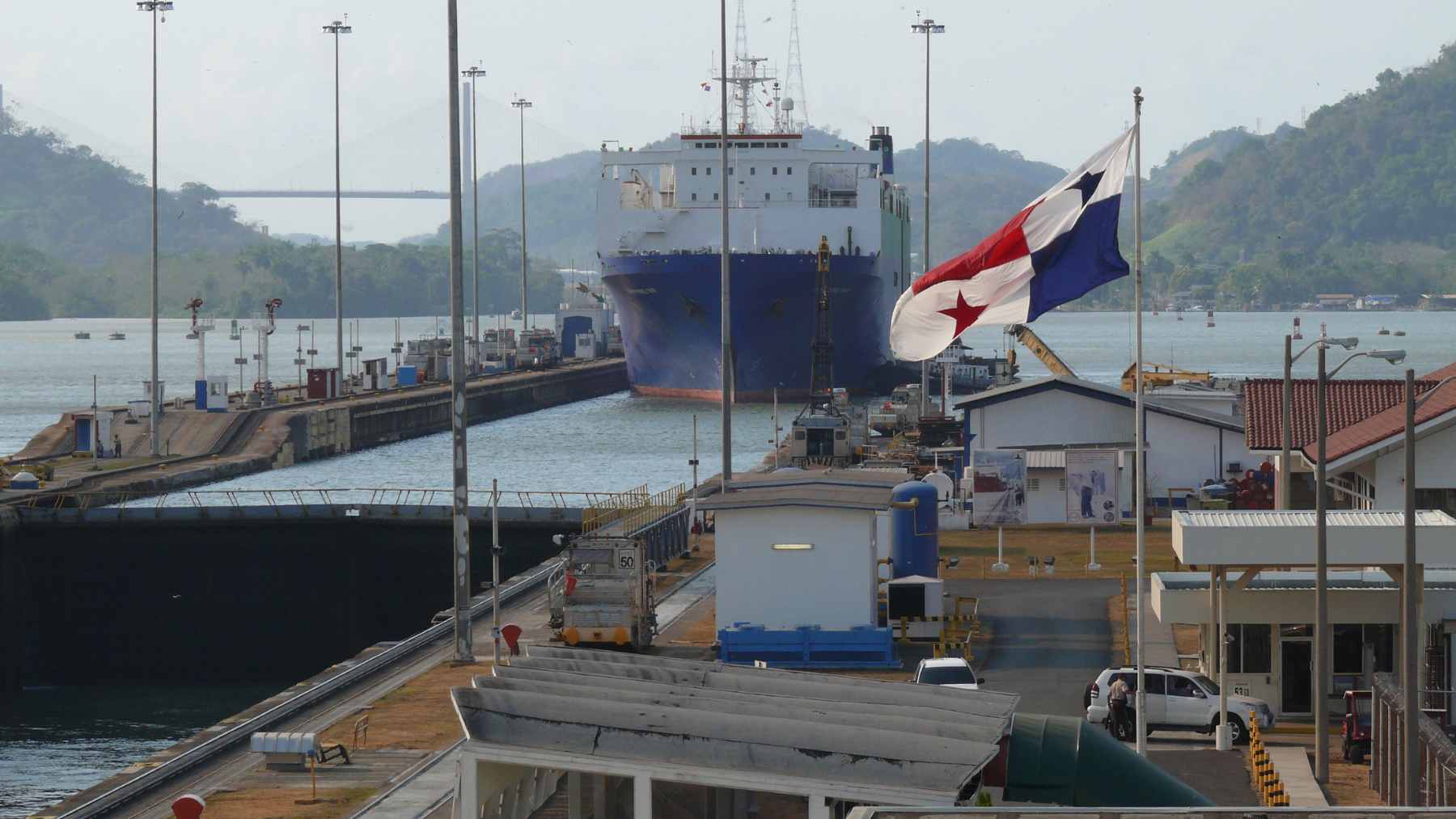
The Panama Canal Authority has long pointed out a blunt reality: each vessel transit through the locks uses about 52 million gallons of fresh water. In normal years, that is a manageable engineering trade, but in drought years it becomes a political and ecological one.
Gatún Lake is the key reservoir behind that system, and it also supplies drinking water to roughly half of Panama’s population. When rainfall falls short, the canal, nearby cities, and ecosystems are all pulling on the same limited supply.
A 2025 study in Geophysical Research Letters found that a drought in 2023 cut canal transits by about 30%, and the canal authority told Shipping in October 2023 that daily capacity had been reduced to around 32 vessels.
The Council on Foreign Relations notes that roughly 13,000 to 14,000 ships use the canal each year, moving about 6% of global trade, so drought limits can quickly turn into price and delay shocks. That is a climate signal that supply chain managers can feel in their spreadsheets, and ordinary Panamanians can feel at the tap.
Panama is already tunneling under the canal
If “The Canal Underline” sounded like science fiction, Panama’s metro project is the reality check. Metro de Panamá’s Line 3 includes a tunnel about 4.5 kilometers (2.7 miles) long and 13.5 meters (44 ft.) in diameter, reaching around 65 meters deep (213 ft.) under the canal’s navigation channel.
In February 2026, the metro authority said its tunnel boring machine completed the under-canal crossing and reached Balboa. For commuters who know the stop-and-go bridge traffic and the exhaust haze, a reliable transit alternative can be an environmental win even before you start counting emissions.
This also hints at the hidden costs of “green” infrastructure. Tunneling means spoil removal, groundwater management, and a lot of concrete, so the climate payoff depends on how many car trips it actually replaces over time.
Why defense planners notice mobility projects here
The canal is a trade artery, but it is also treated as strategic terrain in national security planning. The U.S. Department of Defense’s 2026 National Defense Strategy explicitly lists the Panama Canal among key locations tied to U.S. military and commercial access.
That context raises the bar for any new crossing, including a pedestrian tunnel. Access control, emergency exits, and coordination with canal operations are not add-ons, they are core design requirements when the infrastructure sits on top of a global chokepoint.
The big question for “The Canal Underline”
Would people actually bike or walk under one of the world’s busiest canals? They might, but only if the entrances connect to safe sidewalks, protected lanes, and public transit, not just a pretty plaza for weekend photos.
If Panama City keeps pursuing the idea, the most important documents will not be the renderings. They will be the environmental reviews, the safety plan, and the long-term operating budget, because that is where good climate intentions either hold up or fall apart.
For now, the contest result is clear.