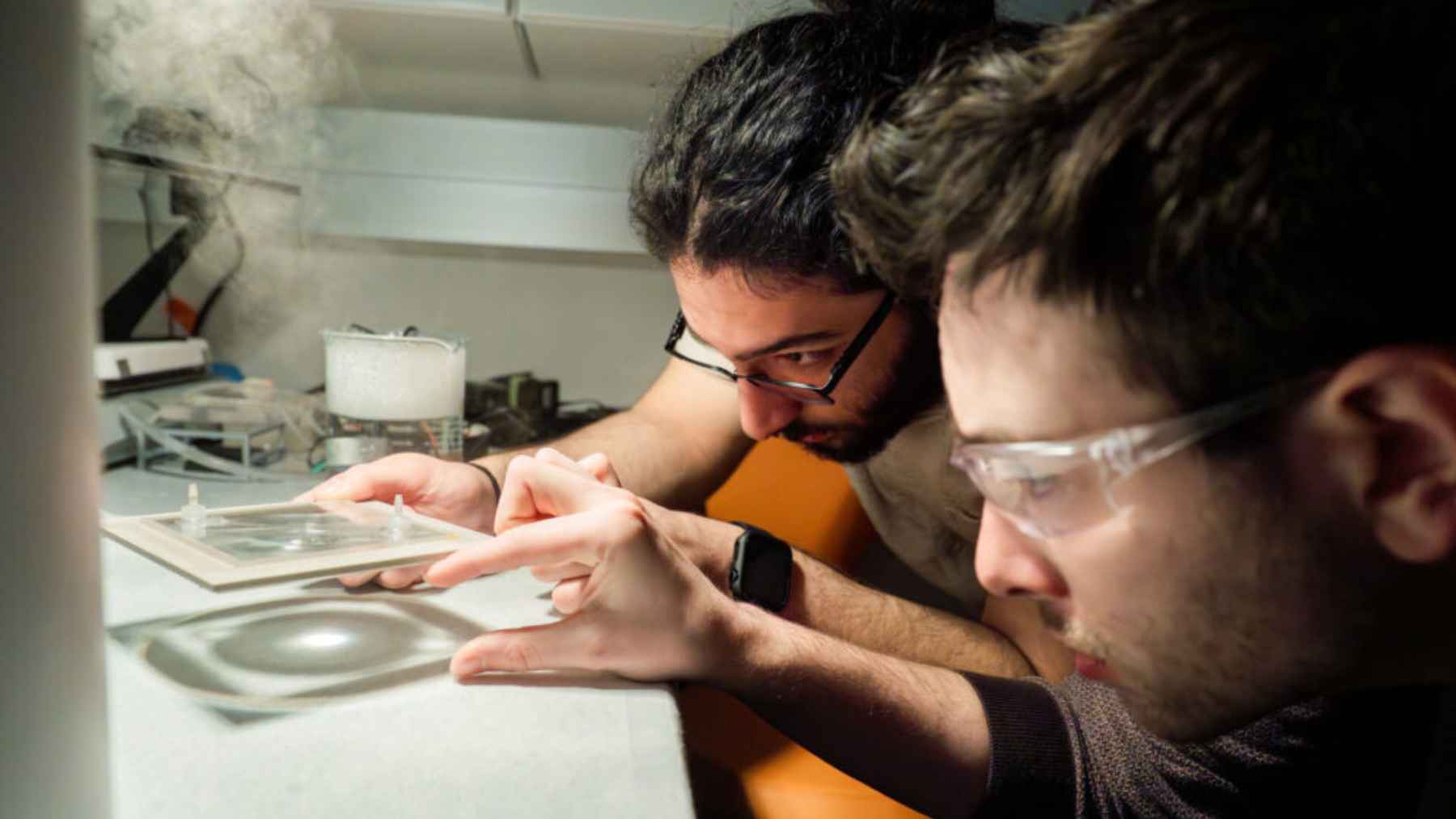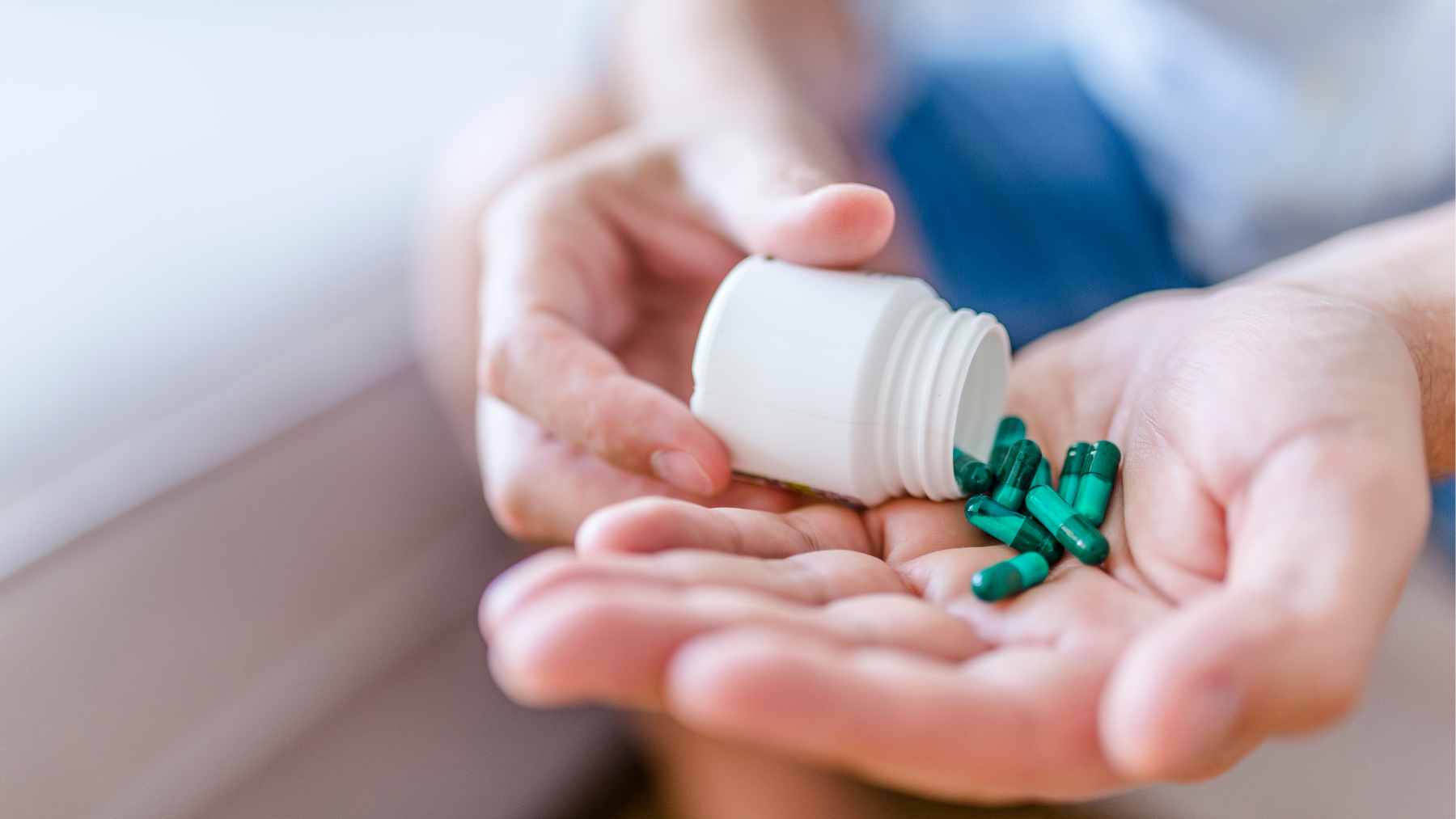
For more than a century, “oral insulin” has been one of medicine’s white whales. A team at Kumamoto University in Japan now reports a peptide-based delivery platform that helped insulin taken by mouth lower blood sugar in diabetic mice.
This matters for patients, but it also matters for the planet. Could a diabetes pill ever be a climate story? Diabetes care depends on needles, plastic devices, and cold-chain logistics, and health care as a whole is already a meaningful contributor to global emissions, so a better way to deliver insulin could eventually show up not just in clinics, but in waste bins and supply chains, too.
A step toward swallowable insulin
Kumamoto University says the core idea is a small intestine-permeable cyclic peptide called the “DNP peptide,” designed to help large molecules cross the intestinal wall.
In animal experiments, the platform enabled oral insulin to reduce blood glucose in multiple diabetes models, including chemically-induced and genetic mouse models.
The team tested two approaches. One was a mixing method that combined a modified peptide called “D-DNP-V” with zinc-stabilized insulin hexamers, while the other used click chemistry to directly attach the peptide to insulin, creating a “DNP insulin conjugate.” Both approaches produced comparable glucose-lowering effects in mice.
The efficiency number is what makes researchers pause. The study, published in Molecular Pharmaceutics on November 24, 2025, reported pharmacological bioavailability of about 33% to 41% versus subcutaneous injection, and it noted that older oral attempts often required doses more than ten times higher than injections.
Ito said, “Insulin injections remain a daily burden for many patients,” and the team plans translational work in large animal models and human intestinal systems.
Why the gut usually wins
Insulin is a protein, and the digestive tract is built to break down proteins. Enzymes can degrade insulin before it ever has a chance to work, and the intestinal lining is also a checkpoint that keeps most large molecules out of the bloodstream. That’s why oral insulin has stayed out of reach for so long.
The DNP strategy is different because it tries to add a “ticket” instead of forcing the door open with massive doses. By pairing insulin with a peptide that can pass through the small intestine, the platform aims to create a repeatable transport route, either through mixing and interaction or through direct attachment.
Kumamoto University also suggests the concept could be adapted to other injectable biologic medicines.
Less needles could mean less waste
Start with scale. The International Diabetes Federation estimates about 589 million adults worldwide were living with diabetes in 2024, and it puts diabetes-related health spending at at least USD 1 trillion for that year.
Even if only a share of patients use insulin, the demand for daily delivery is enormous.
Now think about the physical leftovers, including pen needles and the sharps container tucked under a sink. The World Health Organization estimates around 16 billion injections are administered every year worldwide, and it warns that unsafe disposal of needles and syringes can lead to injury and infection risks.
A shift from injections to oral dosing would not erase the problem, but it could reduce one steady source of sharps waste.
Climate is part of this story too, even if it rarely shows up on the pharmacy label. Health Care Without Harm and Arup estimate health care’s climate footprint at about 4.4% of global net emissions, and research summaries highlight how much of that footprint comes from the supply chain.
Fewer devices and less temperature-controlled transport would not solve health care’s emissions, but they are levers that add up across millions of patients.
The business and security angles
If oral insulin ever becomes practical, the business shift could be sharp. It would challenge a market built around pens, needles, pumps, and the services that support them, while opening opportunities for drug makers that can manufacture peptide-enabled formulations at scale.
But payers will demand human data and long-term safety before they treat it as anything more than a promising prototype.
There is also a sustainability lens that keeps getting stronger. Large pharma companies increasingly publish environmental assessments for products and devices, and health systems are starting to track waste and emissions more closely.
For an oral insulin candidate, the most credible path will be pairing clinical results with transparent life-cycle data early.
Defense and disaster planners have their own reasons to watch. The US Food and Drug Administration notes that insulin labels typically recommend refrigerated storage around 36°F to 46°F, and that disasters can cut people off from refrigeration.
Fewer injections could also mean fewer needle-stick hazards and less sharps handling in field clinics.
What happens next
The near-term reality check is simple. This platform was tested on animals, and Kumamoto University says the next step is translational evaluation, including larger animal models and human intestinal systems.
The key questions are basic but tough, including safety and whether absorption can be controlled in real-world conditions like meals.
The environmental story is also conditional. A pill can still carry packaging and manufacturing impacts, so “greener” only counts if the overall footprint truly drops.
The official press release was published on Kumamoto University.