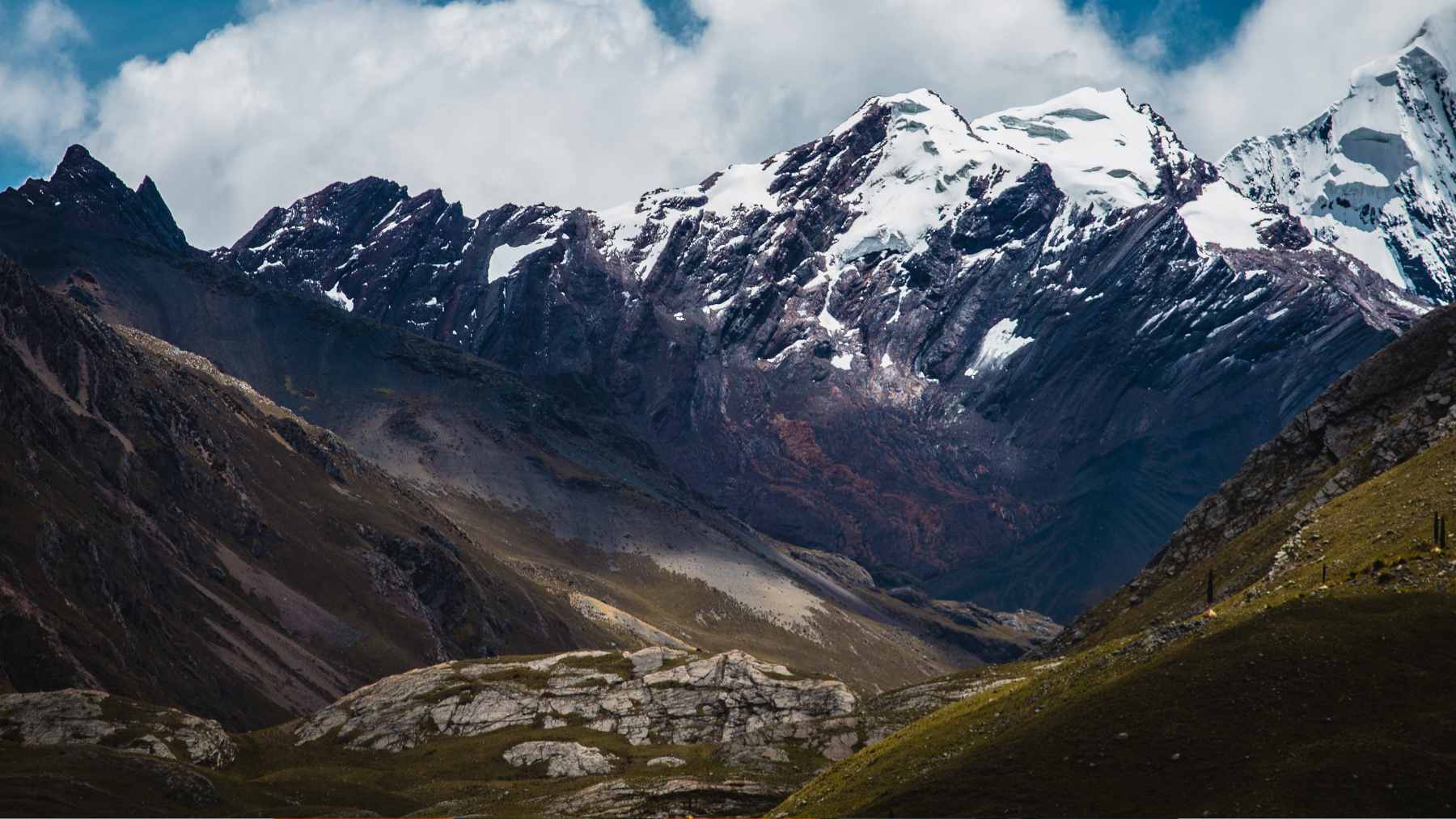
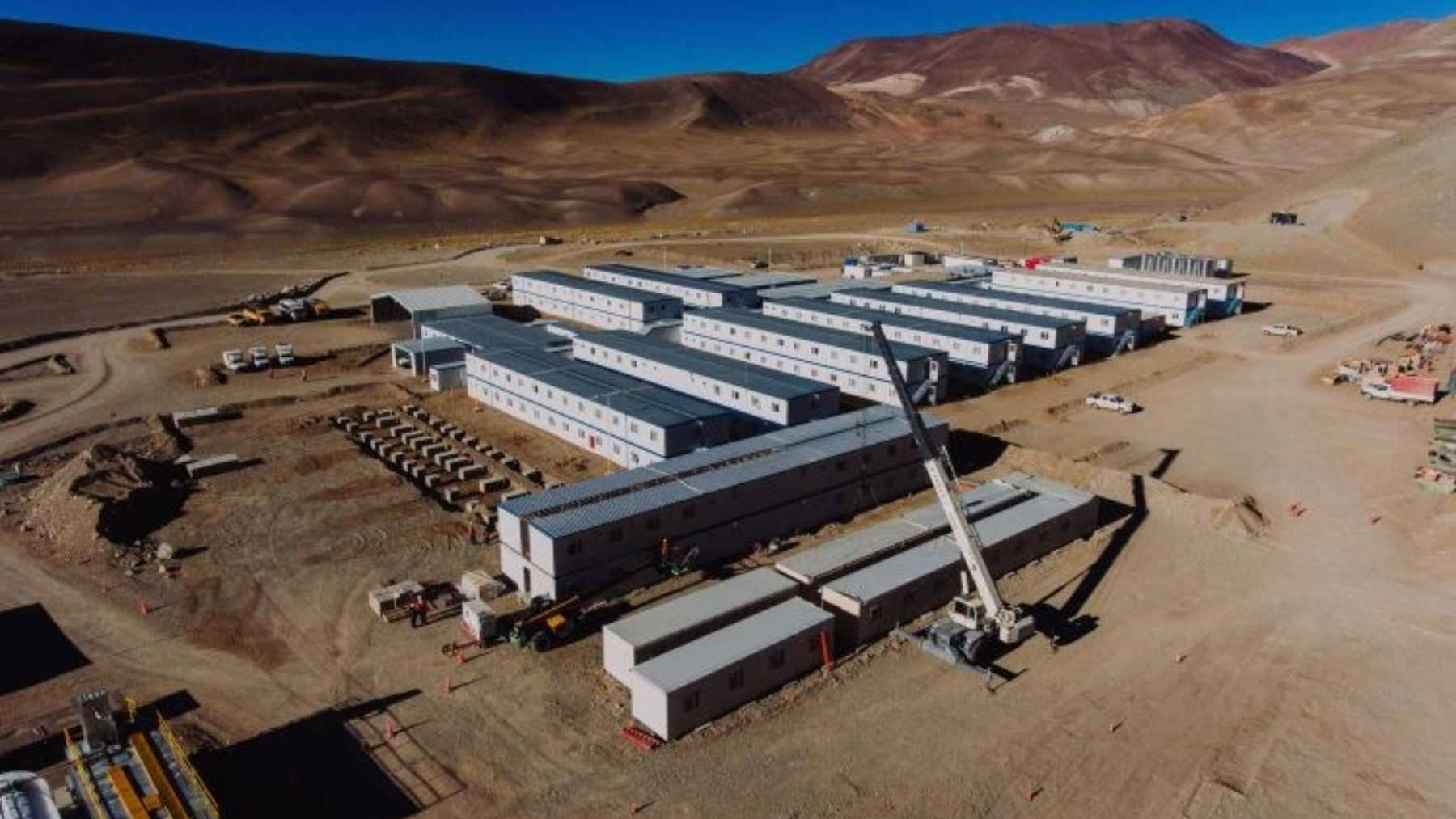
BHP and Lundin Mining say the Vicuña district on the Argentina-Chile border now ranks among the world’s largest undeveloped copper, gold, and silver resources. Their February 2026 technical study paints a multi-decade project that could turn a remote stretch of the high Andes into a centerpiece of the global metals race.
The catch is simple and it is not on any spreadsheet: this is also where mountain water is stored, so can the rush for copper respect that limit?
Copper sits inside everyday life, in the wiring behind your wall and the grid upgrades that shape the electric bill you see each month.
The International Energy Agency projects copper demand growth through 2040, and the U.S. has added copper to its 2025 critical minerals list, pointing to economic and national security exposure if supplies are disrupted. So this discovery is not just a mining story, it is a climate and security story that runs straight into environmental law.
A deposit big enough to change the math
In a 2025 news release, Lundin Mining reported an initial resource estimate that includes 14.3 million tons of copper measured and indicated and 27.5 million tons inferred across Filo del Sol and Josemaría.
The same release lists 32 million ounces of gold measured and indicated and 659 million ounces of silver measured and indicated, with additional inferred metal beyond that. It is the kind of inventory that can pull in big money fast, especially when copper is treated as a bottleneck for electrification.
A newer integrated technical study released in February 2026 lays out a staged development plan that starts with a sulphide mill at Josemaría, then adds leaching and later expansion tied to Filo del Sol.
Lundin says the concept targets about 435,000 tons of copper a year on average over the first 25 full years and a mine life above 70 years, with later stage infrastructure that includes a desalination plant and pipeline. The company also stresses that this is a preliminary economic assessment, so it is a direction of travel rather than a finished business case.
Copper is now tied to energy and defense
Copper is not flashy, but it is essential for power, communications, and industrial production, which is why it keeps showing up in government supply chain talk.
In November 2025, the USGS said copper was added to the final 2025 U.S. critical minerals list, alongside silver and other materials, after an updated analysis of supply risk and impacts on the economy and national security.
When a metal gets that label, projects like Vicuña start to look like strategic infrastructure, not just a new line on a commodities chart.
Defense adds another layer because modern systems are electronics-heavy and metals-intensive, from vehicles to sensors to secure communications. NATO has separately published a list of defense critical raw materials, which shows how allies are trying to map vulnerabilities before a crisis hits.
That does not guarantee fast permits or smooth politics, but it does explain why governments and investors are watching the Andes so closely.
Glaciers, groundwater, and the hard limits of place
Argentina’s Glacier Law, Law 26,639, sets minimum environmental protection standards for glaciers and the periglacial environment, areas that can regulate water in mountain basins.
In March 2026, the NGO FARN said international specialists warned lawmakers that weakening the law could put access to drinking water at risk for more than 7 million people. When critics talk about “killing the patient to cure the disease,” this is what they mean, a clean energy supply chain that strains the water system it depends on.
Mining water use is where abstract debates get concrete, because processing and dust control need steady supply even when companies recycle. Dialogue Earth reported that La Alumbrera consumed more than 6.6 billion gallons liters of water per year, which FARN compared to 34% of the water used by all inhabitants of Catamarca province.
Industry groups argue mining is a small slice of national water use and that most processed water is recirculated, but local rivers and aquifers do not get to average out the stress.
The tech path forward and the questions that remain
On the technology side, cleaner power is the easier win, at least on paper. In 2024, Central Puerto and the International Finance Corporation launched feasibility work on a transmission project designed to bring renewable electricity to mining in northwest Argentina.
If that sort of infrastructure connects, it can reduce diesel dependence and local air pollution, which impacts when you are operating for decades.
Water solutions exist, but they come with tradeoffs and price tags. Chilean mines have increasingly turned to desalinated seawater and long pipelines to reduce pressure on scarce freshwater, and modeling work suggests filtered tailings and pre-concentration could cut mine water demand sharply in some cases.
Vicuña’s own technical study includes a desalination plant and pipeline in later stages, a sign that water sourcing will be central to the permitting fight.
Proof will matter. Watch for detailed baseline hydrology, independent monitoring, and clear mapping of pits and tailings against protected glacier and periglacial zones, plus the political fate of Argentina’s glacier rules.
The official statement was published on Lundin Mining.