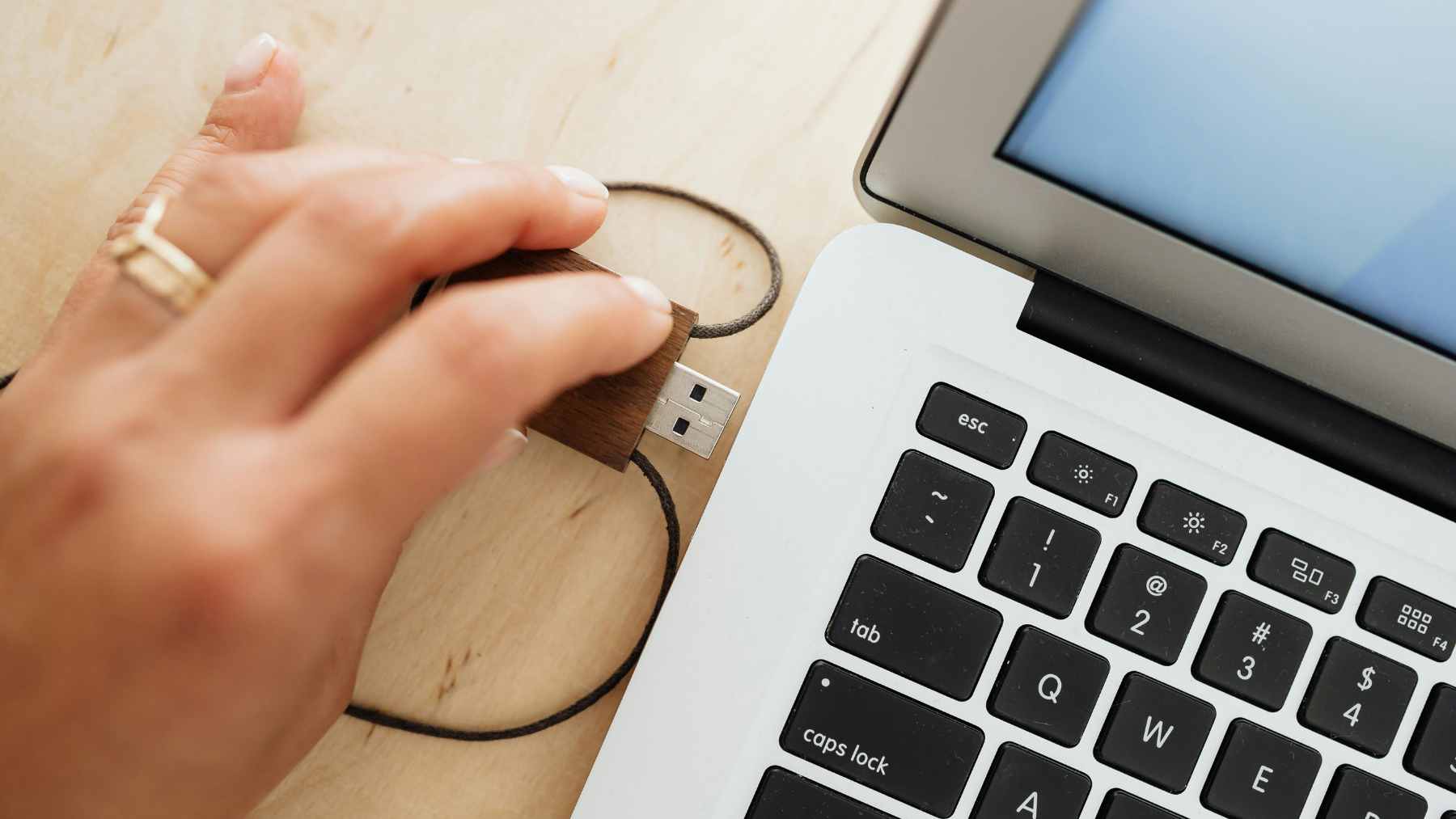
For years, the USB flash drive was the quick fix sitting in a pocket, backpack, or desk drawer. Need to move a presentation, save family photos, or print homework at the last minute? Plug it in and go. But in 2026, the bigger story is not the death of USB itself.
It is the quiet fall of the classic thumb drive from everyday use. Cloud platforms now sync files automatically, external SSDs handle heavier jobs at much higher speeds, and USB-C has become the standard port on more devices.
USB-C is expanding, not disappearing
That distinction matters. USB is still spreading, not shrinking. The USB Implementers Forum says USB4 can deliver up to 80 Gbps over certified USB-C cables and remains backward compatible with older USB versions.
At the policy level, the European Commission says all new laptops sold in the EU must support USB-C starting April 28, 2026, after similar rules already took effect for phones, tablets, and other portable electronics on December 28, 2024.
So the connector is staying. What is fading is the old habit of carrying files around on a tiny plastic stick.
Cloud storage and external SSDs are replacing thumb drives
In practical terms, people now expect files to follow them from phone to laptop to office computer without much thought. Microsoft says OneDrive Files On-Demand lets users access cloud files without storing them locally, while Google says most Drive for desktop users choose streaming, with files primarily stored in the cloud.
For school documents, team folders, and daily office work, that is often easier than hunting for the right thumb drive or wondering which copy is the newest. It feels a lot closer to how people actually work.
For bigger files, external SSDs are increasingly the better fit. Apple says recent iPhone Pro models can record ProRes video directly to USB-C external storage, but the drive must support at least 220 MB per second for 4K60 recording and 440 MB per second for 4K120.
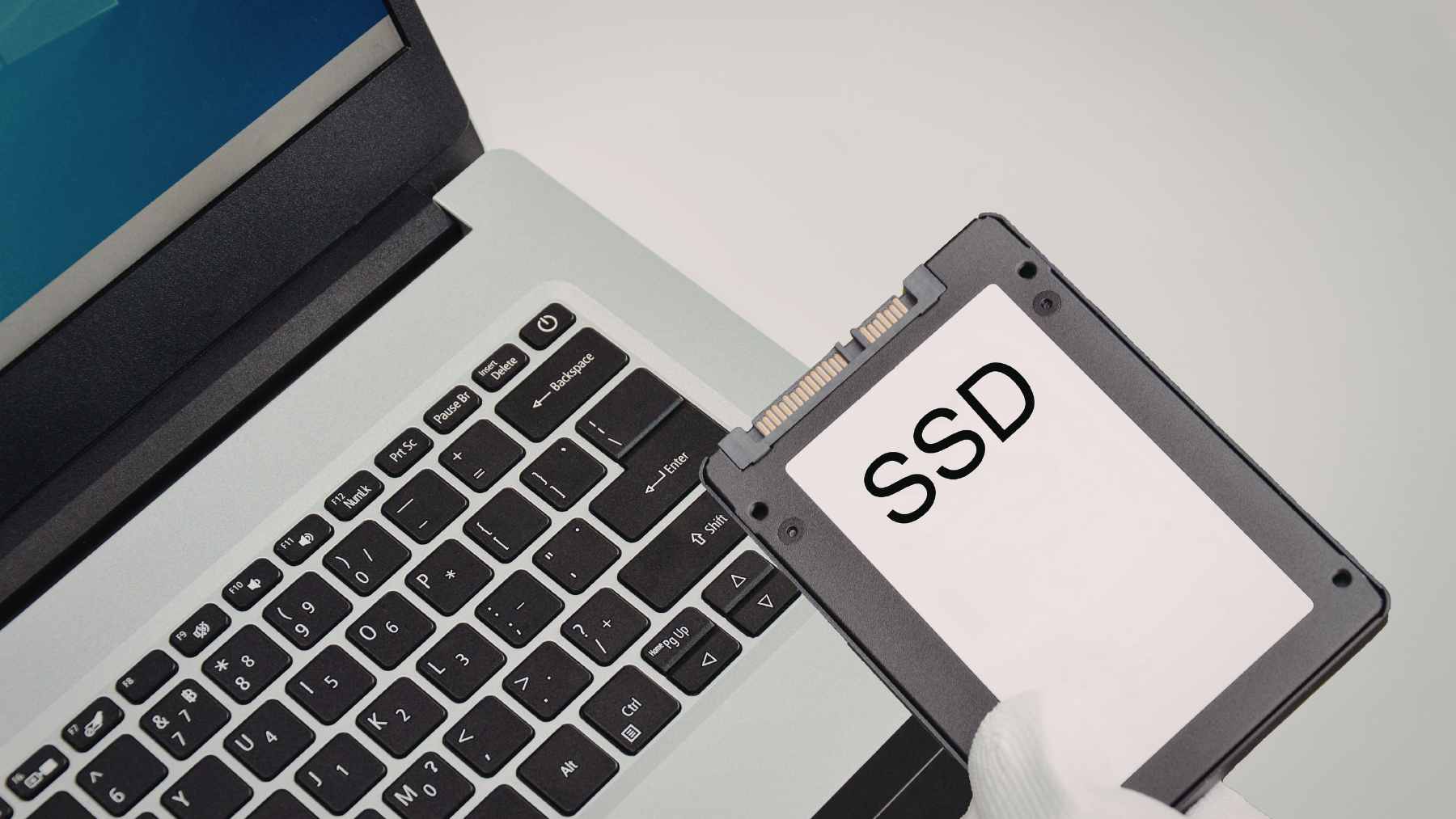
That tells you where modern workflows are heading. Creators, engineers, and mobile professionals are not just looking for portability anymore. They need speed, sustained performance, and reliability.
USB flash drives still have a role in offline backup and file transfers
The USB flash drive is unlikely to disappear completely. It still makes sense for offline backups, secure handoffs, and places where internet access is weak or cloud sharing is restricted.
But for the most part, the pendrive now looks less like the center of digital life and more like the spare key at home. Useful. Easy to keep around. Just not the first thing most people reach for anymore.
The official statement was published on the European Commission website.