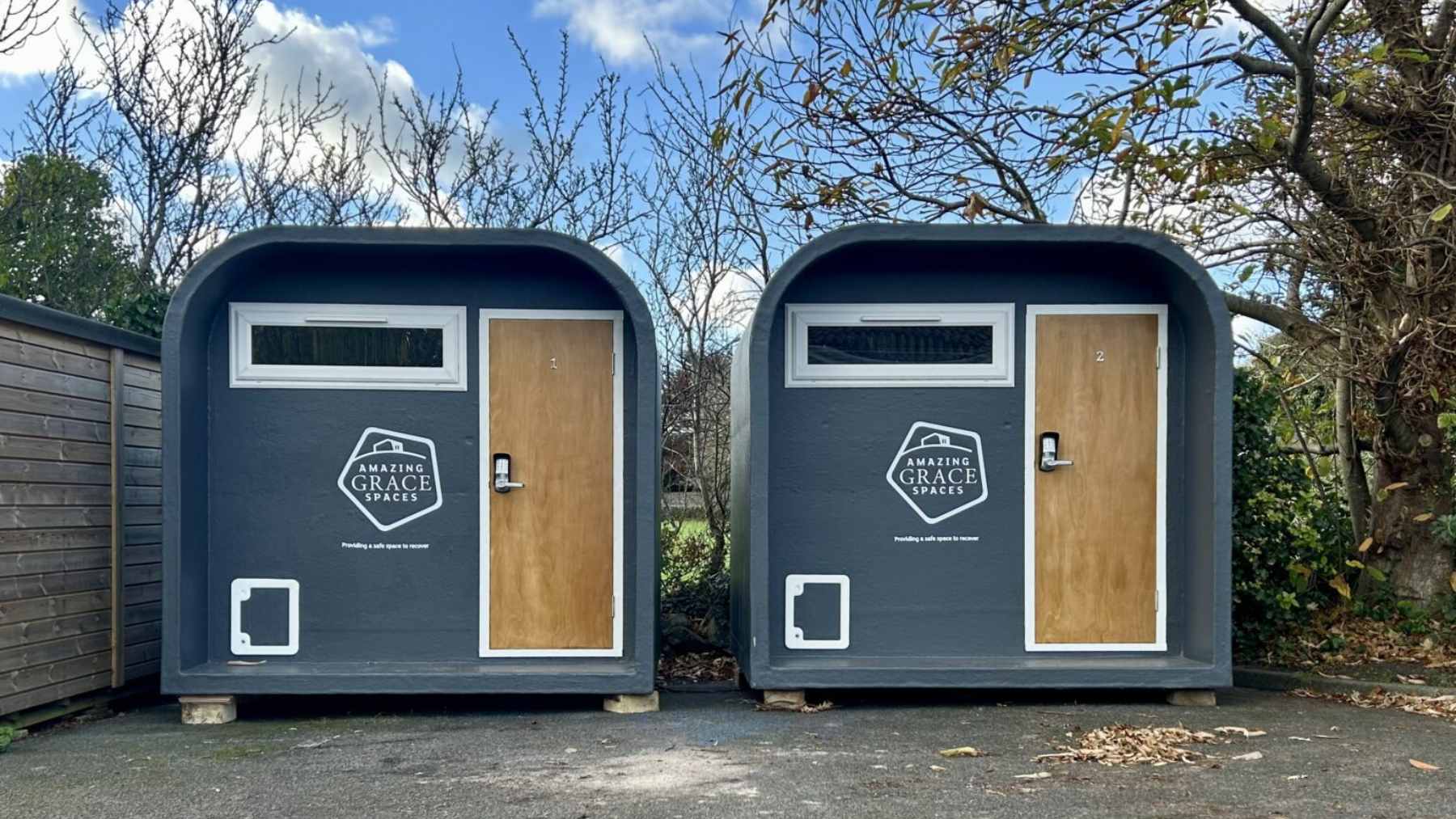
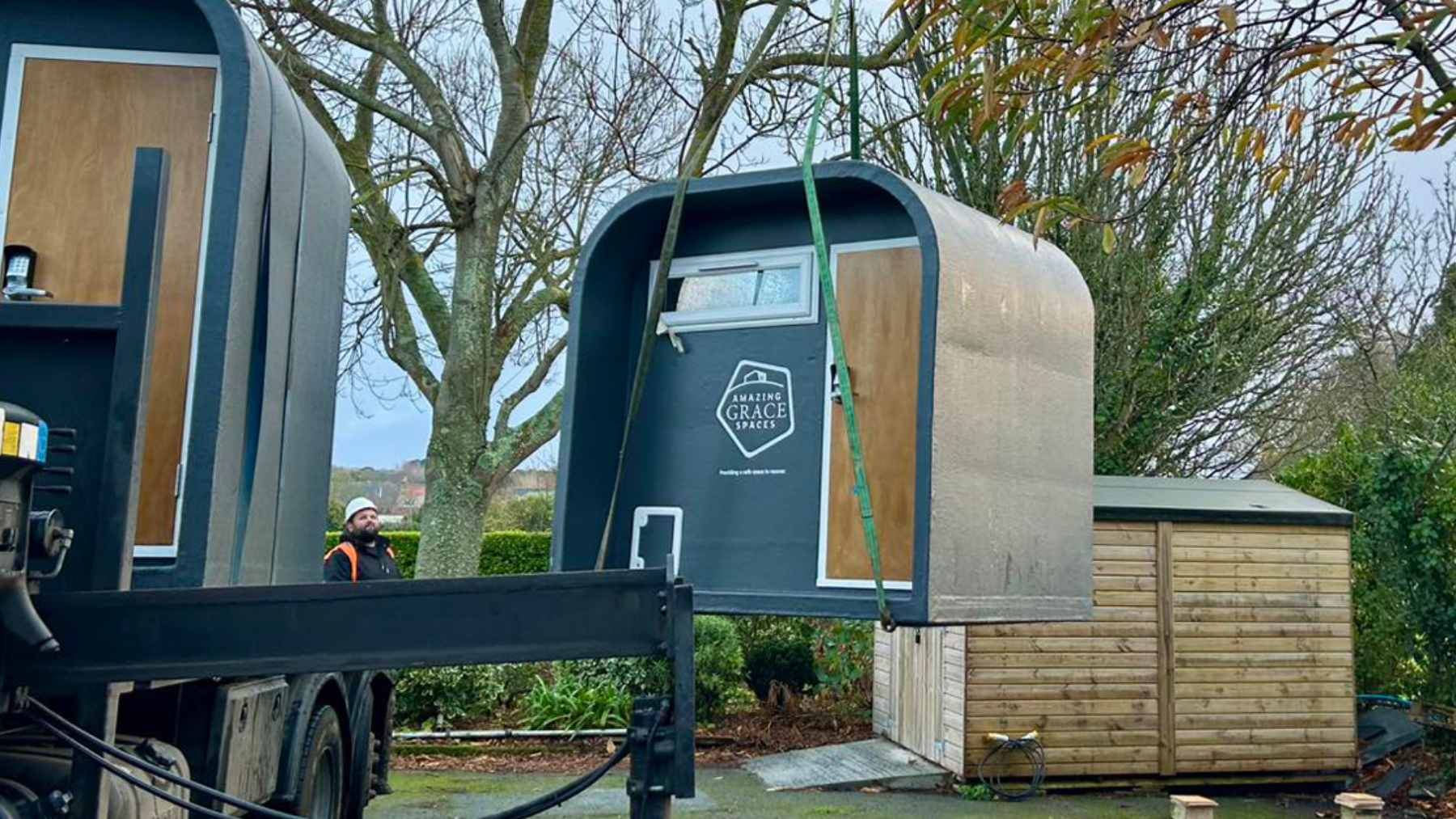
Two solar-powered sleeping pods tucked into a car park in Guernsey have already been used for 71 nights since they opened in mid-December 2025, according to the homelessness charity Caritas.
People who have stayed in them include residents who were sofa surfing, sleeping in cars, leaving prison with nowhere to go, or dealing with job-linked housing problems. For an island with a tight housing market, the occupancy rate is a blunt signal that the safety net is being stretched.
At first glance, this looks like a simple local story about emergency accommodation. But it also sits at the intersection of environment, technology, and policy, because the pods are off-grid units powered by solar energy and designed to work without a mains connection.
The bigger takeaway is that clean energy is quietly becoming part of how communities respond to homelessness and severe weather, one practical decision at a time.
A short stay that buys time
Caritas is clear that these pods are not a long-term answer to homelessness, and the rules around them reflect that reality. In Guernsey, people using the pods are limited to seven consecutive nights under the planning permission for the site. That tight limit can sound harsh, but it is also what keeps the pods focused on urgent, short-term need.
The charity’s own snapshots of who used the pods show how fast housing insecurity can hit. Caritas chair Graham Merfield summed it up with a line that sticks, saying, “Behind every night these pods are used is a person going through a difficult and uncertain time.”
In other words, each night logged is a human problem that cannot wait for a perfect policy solution.
Now the next pressure point is approaching, and it is not a mystery to anyone who has lived in a seasonal rental market. Caritas has warned that demand could rise as winter lets end and some seasonal arrangements shift or become more expensive.
In a constrained housing market, even small changes in availability can leave people with very limited options, and that is the part worth watching.
Off-grid power is doing real work
These pods are not high-tech in the flashy sense, but the design choices are extremely modern. Reporting on the project describes a bed, a chemical toilet, lighting, and USB charging, with hand sanitation also mentioned in coverage.
If you have ever tried to keep a phone alive when everything else is falling apart, you already understand why power matters here.
The environmental angle is also straightforward, even if the story is not being marketed as a climate headline. The pods use solar energy for basic services, which is a very different model from emergency setups that lean on portable fossil-fuel generators.
For context, the U.S. Energy Information Administration estimates diesel fuel emits about 22.45 pounds of CO2 per gallon when burned, so generator-heavy solutions can pile up emissions fast.
That does not mean Guernsey’s pods have a measured emissions number attached to them, and no one should pretend they do. Still, studies of hybrid systems show why solar plus storage is so attractive for resilience, because it can reduce generator runtime and fuel use.
One National Renewable Energy Laboratory analysis found hybrid generator, solar, and battery setups reduced diesel consumption by about 9% to 36% across evaluated sites, depending on the location and load.
When storms hit, resilience gets personal
One detail from Caritas’s early months should make any reader pause for a second. Bailiwick Express reported the pods were in use during Storm Goretti in January, when Guernsey Police issued a “stay at home” warning. That is the kind of moment when sleeping rough shifts from hardship to real danger.
It is tempting to talk about resilience like it is a concept for white papers, not real life. But in practical terms, a secure place with light and basic sanitation can be the difference between someone getting through a rough week and spiraling into something worse.
It is not glamorous, yet it is exactly the kind of infrastructure that helps a community absorb shocks.
The numbers behind the need are still being pinned down, and that matters for policymaking. ITV News Channel cited the 2024 Guernsey Annual Better Life Indicators Report as saying more than 1,000 islanders were living without secure housing, while also noting the States backed a survey to get a clearer picture of homelessness itself.
If the data is incomplete, the risk is that planning stays reactive, even when the demand is clearly visible.
The business math behind a modest box
Emergency shelter is often discussed like it has to be either very cheap or very permanent, with nothing in between. Here, reported costs for the pods vary by source, with one local government update citing about $24,100 per pod (about £18,000) and ITV reporting an estimate of about $26,800 (about £20,000), using a rough rate of $1.34 per £1 on March 24, 2026.
That is not pocket change, but it is also a scale of spending that local partners and donors can realistically influence.
The hidden business issue is not only the upfront purchase, it is the operations. The pods need cleaning, coordination, and rules that keep them safe and usable, and Caritas emphasizes eligibility and short stays designed to connect people to wider support.
This is where local government, charities, and private-sector sponsors tend to collide, because the hardware is simple and the staffing is not.
There is also a broader technology trend that makes projects like this more plausible than they were a decade ago. The International Renewable Energy Agency has reported that the global weighted-average cost of electricity from newly commissioned utility-scale solar PV fell from $0.445 per kilowatt-hour in 2010 to $0.049 per kilowatt-hour in 2022, an 89% drop.
Costs and use cases are not the same thing, but falling solar costs are part of why off-grid designs have moved from niche to realistic.
Why defense planners care about the same technology
If this all sounds a little like a field solution, it is because the core problem is shared. In defense and disaster response, power is both a lifeline and a vulnerability, and diesel dependence creates logistical and security burdens that everyone would rather reduce.
One NREL brief on a tactical system called the “Resilient CUBE” frames the point directly, describing a system designed to minimize diesel fuel use and reduce reliance on diesel generators for forward operations.
Civilian emergency shelters do not need to look like a military product to benefit from the same engineering logic. Keep loads small, keep power local, and make the system deployable when the grid is not available or cannot be reached quickly.
In a crisis, that can mean keeping communications running, keeping lights on, and maintaining basic dignity, which is a word Caritas returns to again and again.
Guernsey’s pods are still a stopgap, and the island’s bigger housing pressures will not be solved by two units in a parking lot. But the pods do show something important about the direction of travel, because climate-friendly tech is starting to show up in social infrastructure, not just power plants and electric cars.
The official statement was published on Caritas Guernsey.