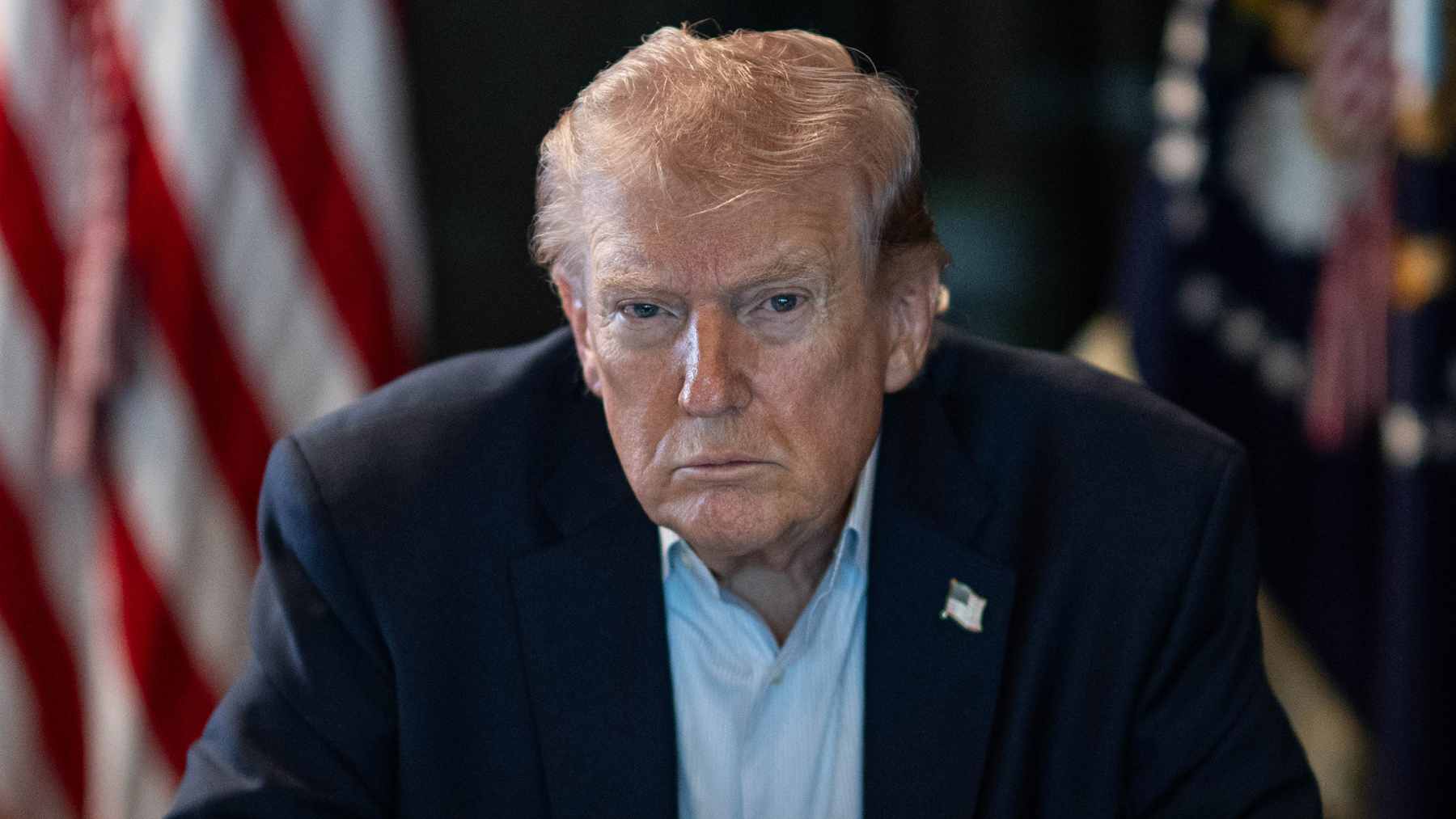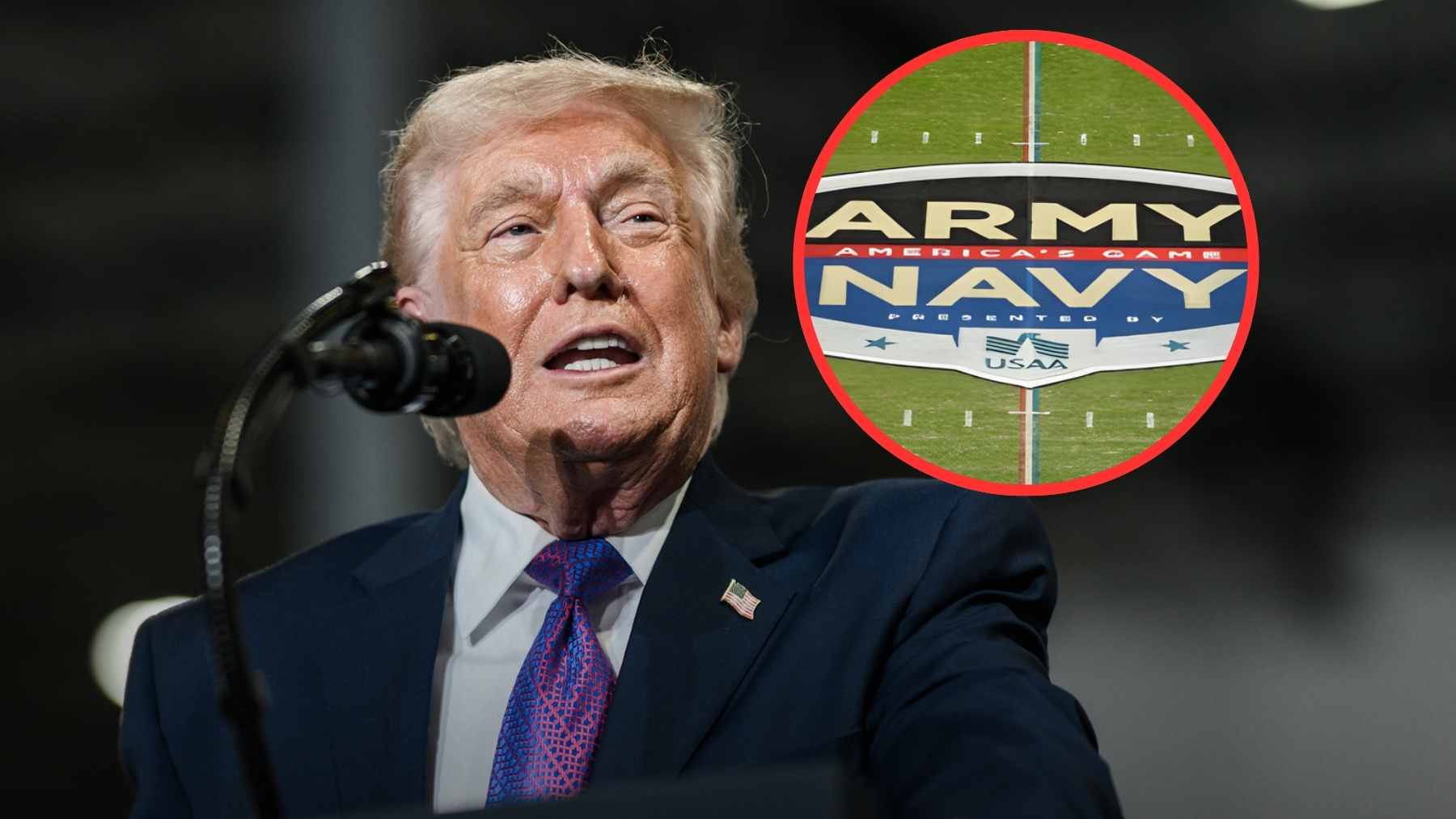
On March 20, President Donald Trump signed an executive order directing the Commerce Department and the Federal Communications Commission to help preserve an exclusive broadcast window for the Army-Navy Game, the annual matchup between the U.S. Military Academy and the U.S. Naval Academy.
The order says no College Football Playoff (CFP) or other postseason college football game should be broadcast in a way that “directly conflicts” with the second Saturday in December, which Trump called a “sacred” four-hour slot.
The move is unusual because it uses federal leverage not to set a safety standard or a spending program, but to try to shape a TV schedule.
It also lands in the middle of a business fight over playoff expansion and broadcasting rights, with the CFP’s management committee extending its current 12-team format through the 2026-27 season while continuing talks on what comes next.
What the order says
The executive order tells the Commerce secretary and the FCC chair to coordinate with the CFP committee, the National Collegiate Athletic Association, and other stakeholders to “establish an exclusive window” for Army-Navy, during which no other college football game is broadcast.
It also says the FCC should consider reviewing the “public interest obligations” of broadcast licensees to determine whether those duties would require Army-Navy to remain a national service event.
In practical terms, that language does not create a new sports law, but it does hint at old federal levers. When an agency talks about license obligations, companies in the broadcast business tend to listen, even if the details are fuzzy at first.
Why Washington stepped in now
The backdrop is the CFP calendar squeeze, which has gotten tighter as the playoff expands and networks pay more for more inventory. The CFP’s management committee confirmed in January that the 12-team format will remain in place through the 2026 and 2027 seasons, buying time for bigger format talks later.
That matters because the more games you add, the more you crowd the weekends people already treat like fixed holidays. If you have ever tried to plan a family trip around football Saturdays, you know how quickly a “small change” becomes a headache.
Why the TV window matters
Army-Navy has long been treated as a stand-alone broadcast event, partly because it is a military showcase and partly because it has a built-in national audience. With no competing major college games in the same slot, the telecast gets a cleaner runway than almost any other regular-season matchup.
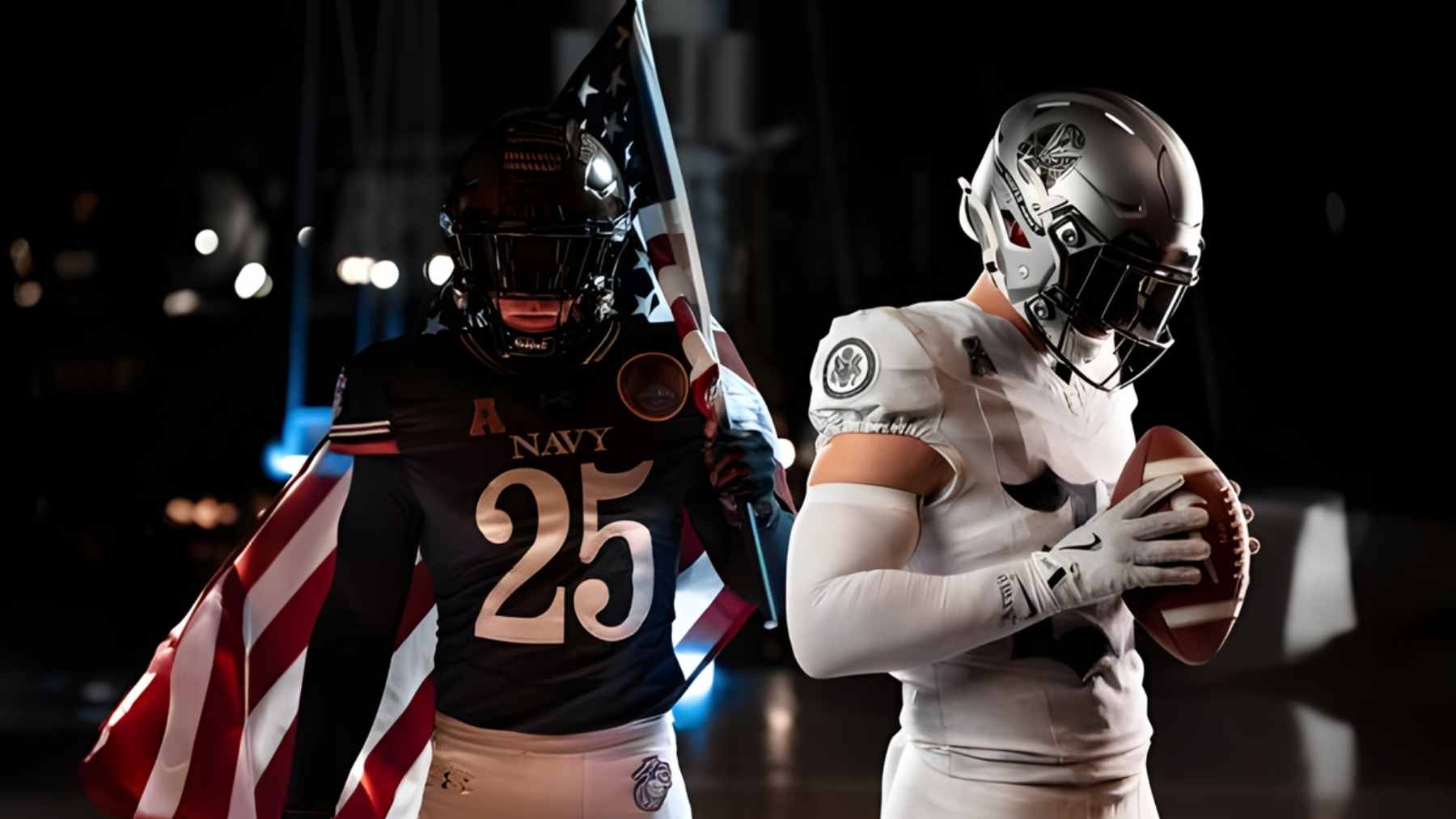
There is also a real media contract story underneath all the tradition. The official Army-Navy Game site says CBS has carried the game every year since 1996 and signed a rights extension through 2038, including streaming rights and additional programming.
How strong the order really is
Executive orders are directives to federal agencies, not binding rules on private leagues, so the NCAA and the CFP are not automatically compelled to comply. Still, the order pushes agencies to use their existing authority and that can create pressure points, especially in industries that depend on federal licensing and regulatory review.
Legal experts have also flagged the First Amendment and agency-authority questions that come with the government trying to influence programming choices.
That is the part to watch, because even a well-intended tradition can turn into a court fight if the enforcement theory is too aggressive.
What to watch next
The most likely near-term outcome is not a dramatic crackdown, but a quiet scheduling compromise. Networks can shift kickoff times, move secondary games to cable, or steer certain postseason matchups to streaming in a way that avoids a direct head-to-head conflict.
For fans, the calendar reality is already visible. The 2026 Army-Navy Game is scheduled for Saturday, Dec. 12 at MetLife Stadium, and any expanded postseason format that tries to bite into that slot will have to answer a simple question. Is the extra game worth the backlash.
The official statement was published on The White House.