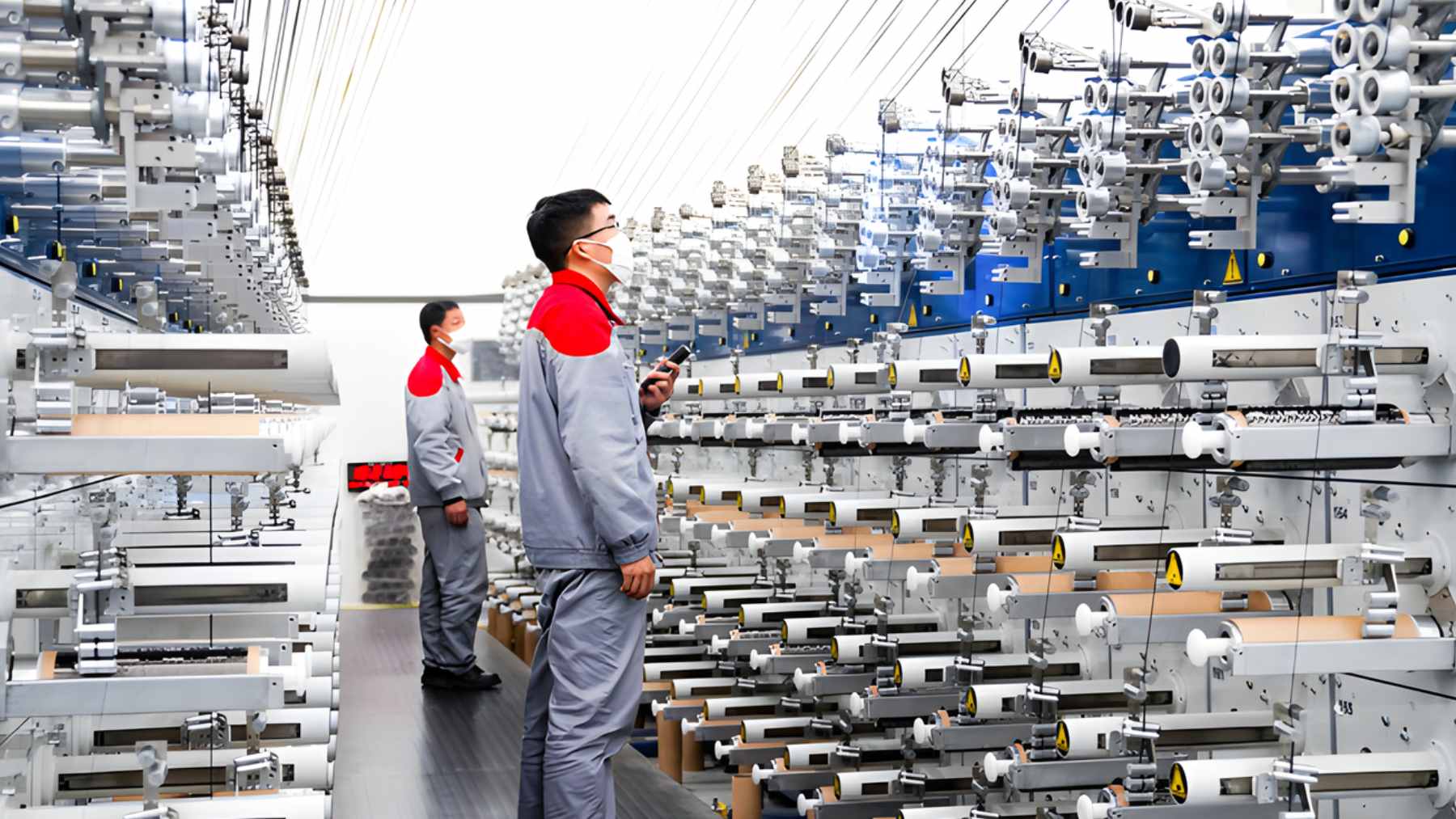
A thread thinner than a human hair is suddenly at the center of a much bigger story about emissions, industry, and national security. In March 2026, China’s state-owned building materials giant CNBM, through its carbon fiber unit Zhongfu Shenying, announced it had reached stable industrial production of a T1200 grade, ultra-high-strength carbon fiber called SYT80.
That matters for the environment because weight is one of the quiet drivers of energy use. Lighter aircraft structures, lighter pressure vessels, and longer-lasting infrastructure can reduce fuel burn and material waste over time, but only if the manufacturing footprint and end-of-life problem are handled with equal seriousness.
What China says it achieved
Zhongfu Shenying’s disclosure describes SYT80 as a T1200 grade carbon fiber with reported performance figures that include about 8,000 MPa tensile strength, about 324 GPa tensile modulus, and density around 1.79 g/cm³.
In practical terms, that is an extreme strength-to-weight combination, and it is the kind of material engineers want when every kilogram saved changes range, payload, or safety margins.
The other headline is scale. Chinese media and business reporting around the launch described SYT80 as reaching “100-ton level” mass production, which is crucial because ultra-strong fibers often stall at the lab stage when quality control gets hard.
Why strength-to-weight shows up in real world emissions
Here’s the basic climate logic: If you can cut structural weight without sacrificing strength, vehicles and aircraft typically need less energy to do the same job, so they burn less fuel or use less electricity.
NASA research on fuel burn reduction technologies explicitly treats composites as a route to meaningful airframe weight reductions in wings, tails, and fuselages, which then feeds into lower fuel consumption.
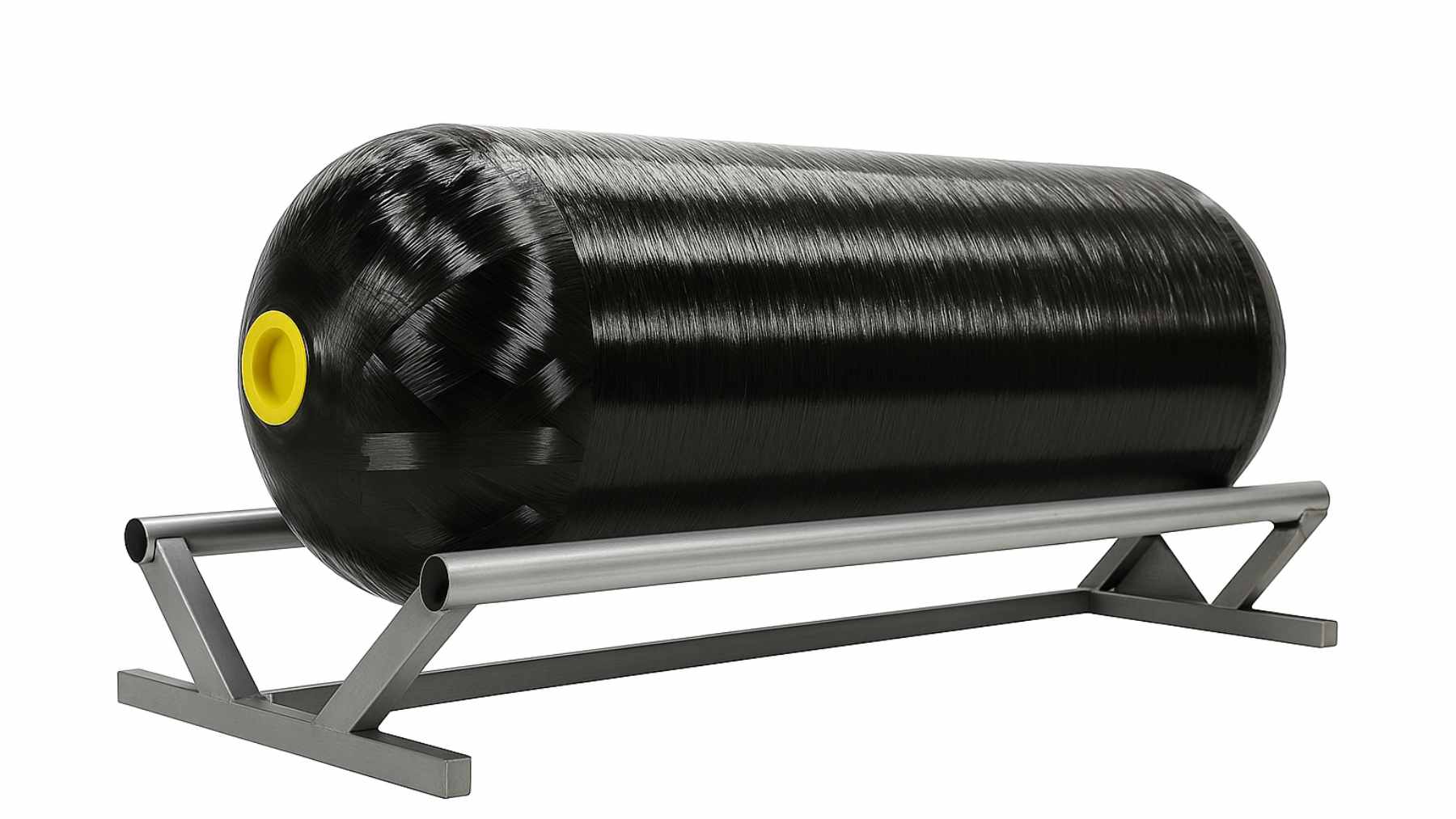
It is not just about airplanes, either. The same class of fibers shows up in pressure vessels and other equipment where high strength and low weight matter, including hydrogen storage hardware that needs to withstand high internal pressures, a use case Zhongfu Shenying itself highlighted at launch.
And yes, this is where everyday life sneaks in. If materials like this help make energy storage and transport cheaper and more reliable, that can ripple outward into grid upgrades that reduce outages on hot summer days, even if the timeline is measured in years, not weeks.
The carbon cost of carbon fiber
The uncomfortable part is that carbon fiber is not “green” just because it is light. The Japan Carbon Fiber Manufacturers Association reports lifecycle inventory data showing total primary energy consumption around 350.2 MJ per kilogram of carbon fiber and CO2 emissions around 19.849 kg per kilogram of fiber for PAN-based carbon fiber production as calculated in its model.
So the climate payoff depends on the math over the full lifetime. If a composite part saves enough fuel during use, it can offset that upfront manufacturing burden, but if it ends up in an application with low utilization or short life, the break-even case gets shaky.
Waste is the other problem people forget until it becomes a landfill question.
Research summaries in a University of Surrey LCA report note manufacturing waste in composite processes can reach up to about 50% of total production volume, and it also flags the growing wave of end-of-life composite structures, including thousands of commercial aircraft with CFRP airframes expected to retire by 2030.
Defense demand and export controls complicate the clean tech story
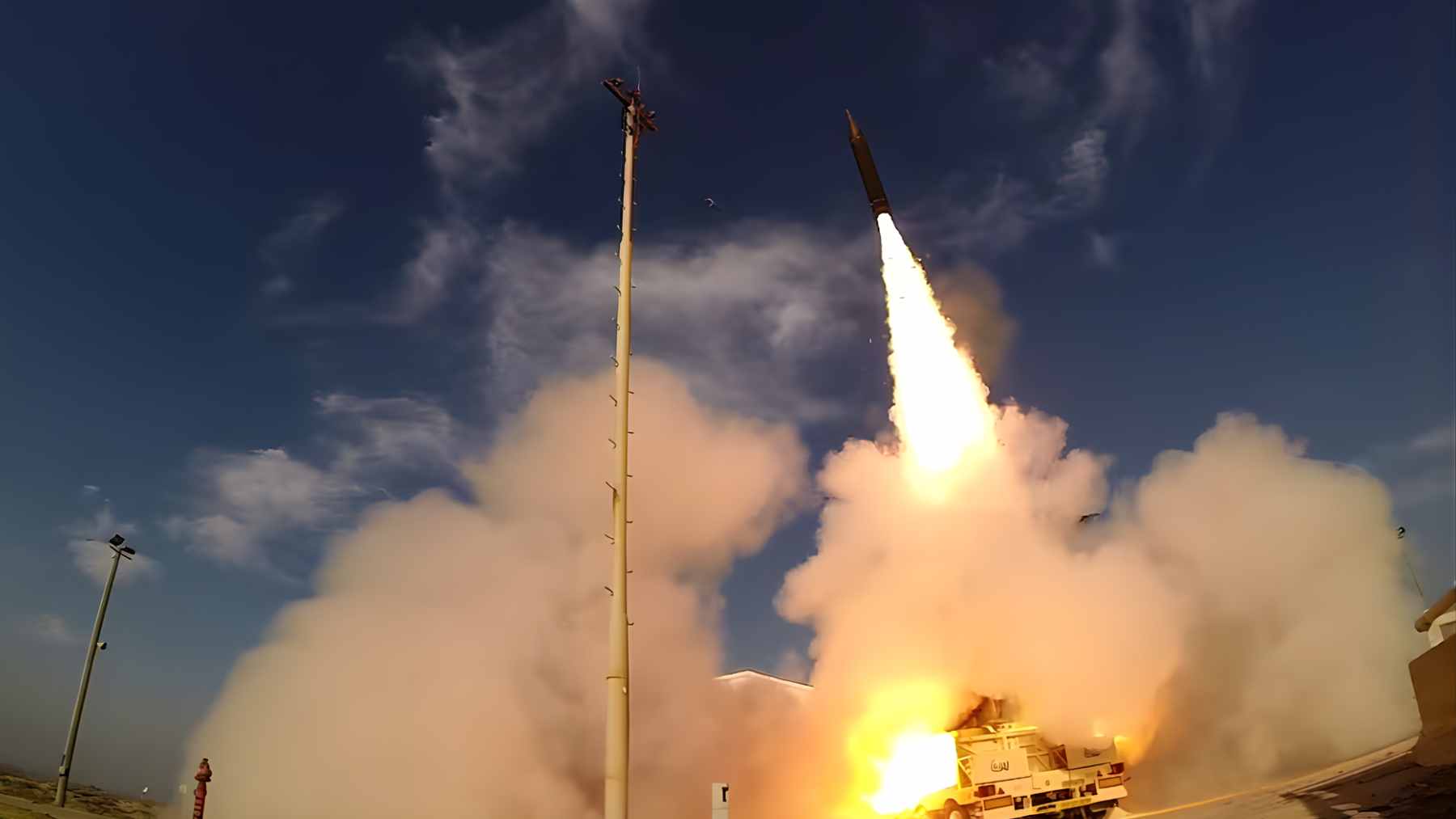
Carbon fiber sits right on the border of climate infrastructure and military capability. In the United States, the Bureau of Industry and Security has detailed how certain high-performance carbon fibers can fall under export controls, with thresholds tied to specific modulus and specific tensile strength under ECCN 1C010.b.
Industry behavior shows the same overlap. In 2022, Toray Composite Materials America announced a $15 million investment to double production capacity for its TORAYCA T1100 carbon fiber at its Decatur, Alabama plant, explicitly tying the move to rising demand for defense applications and noting the material is used in U.S. Department of Defense weapon systems.
That is why China’s move into T1200 class production is not just a business story about competing with established suppliers. It is also about supply chain leverage in sectors where “clean tech” and “defense tech” increasingly share the same bill of materials.
What to watch next
First, look past the launch headlines and watch qualification. Aerospace and pressure vessel applications typically require long certification cycles, and consistent defect control at higher volumes is often the real challenge, not the first batch off the line.
Second, follow the emissions side with the same intensity as the strength numbers. Groups like JCMA are already pushing the idea that recycling and low-carbon energy supply are central to cutting manufacturing emissions, and JCMA has also stated that recycled carbon fiber LCI data can be a fraction of virgin fiber in its modeling.
Finally, expect more policy friction. When a material is both a decarbonization enabler and a controlled dual-use item, governments tend to pull it into industrial policy, procurement rules, and trade restrictions–sometimes all at once. That is where the next real impacts will show up.
The official disclosure was published on Sina Finance.