What if brain tissue could be stored in extreme cold and still work again later? That question has hovered over cryopreservation for years, somewhere between serious neuroscience and science fiction. Now, researchers in Germany say they have taken a real, if limited, step forward.
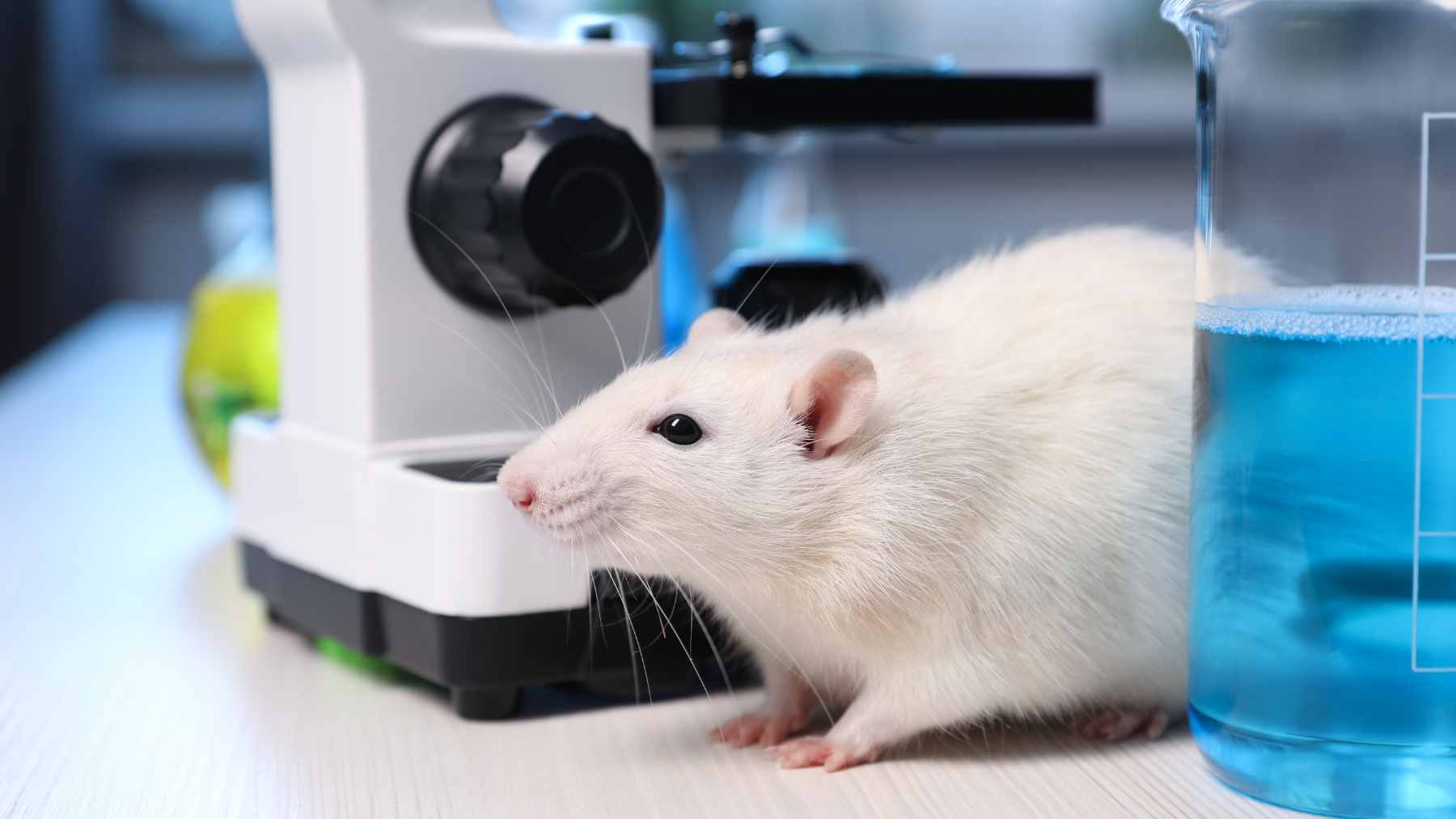
A team at Friedrich-Alexander University Erlangen-Nuremberg reported that adult mouse hippocampal tissue regained functional activity after vitrification at minus 196 degrees Celsius.
In practical terms, that means brain tissue linked to memory and learning was cooled to an ultralow temperature, stored, thawed, and then shown to preserve structure, metabolism, and key electrical signaling between neurons.
That is the headline. But there is an important catch. This was not a revived animal, and it was not proof that whole brains can be frozen and brought back intact. For the most part, what the researchers showed was short-term recovery in tissue under tightly controlled lab conditions.
Mouse brain tissue regains activity after vitrification
The hippocampus matters because it plays a central role in memory formation and learning. According to the study, the tissue kept its cellular architecture, including dendrites, synapses, and mitochondria. The team also found that mitochondrial activity remained present, although somewhat lower than in fresh tissue.
Then came the critical test. Could the neurons still communicate?
The answer appears to be yes. The researchers recorded synaptic transmission, short-term plasticity, and even long-term potentiation, a process widely seen as a cellular basis for learning and memory. That is why this result stands out.
A preserved structure is one thing. A preserved signal is something else entirely.
Some neurons handled the process better than others. CA1 pyramidal cells became less excitable, while granule cells in the dentate gyrus remained more resilient. The inhibitory network also appeared to stay intact, which matters because the brain depends on a careful balance between excitation and inhibition.
Cryopreservation limits and what this means for neuroscience
The team also tried something more ambitious by vitrifying whole brains inside the skull through vascular perfusion. That is where the work became much harder.
Only about one in three attempts produced viable tissue, and even then the recovery window was short.
So, is cryopreservation suddenly around the corner? Not really. The biggest limitation is time. The researchers observed the thawed tissue for only a few hours, because brain slices naturally deteriorate after 10 to 15 hours in the lab.
Still, this is a meaningful result. It suggests that under the right conditions, brain tissue can be preserved without the ice damage that usually shreds delicate neural connections.
For neuroscience, that could open doors in research, tissue storage, and experimental medicine. Small step, big question.
The study was published on Proceedings of the National Academy of Sciences (PNAS).