Iran is not just trying to break through U.S. missile defenses in the Gulf. It is trying to blind them first.
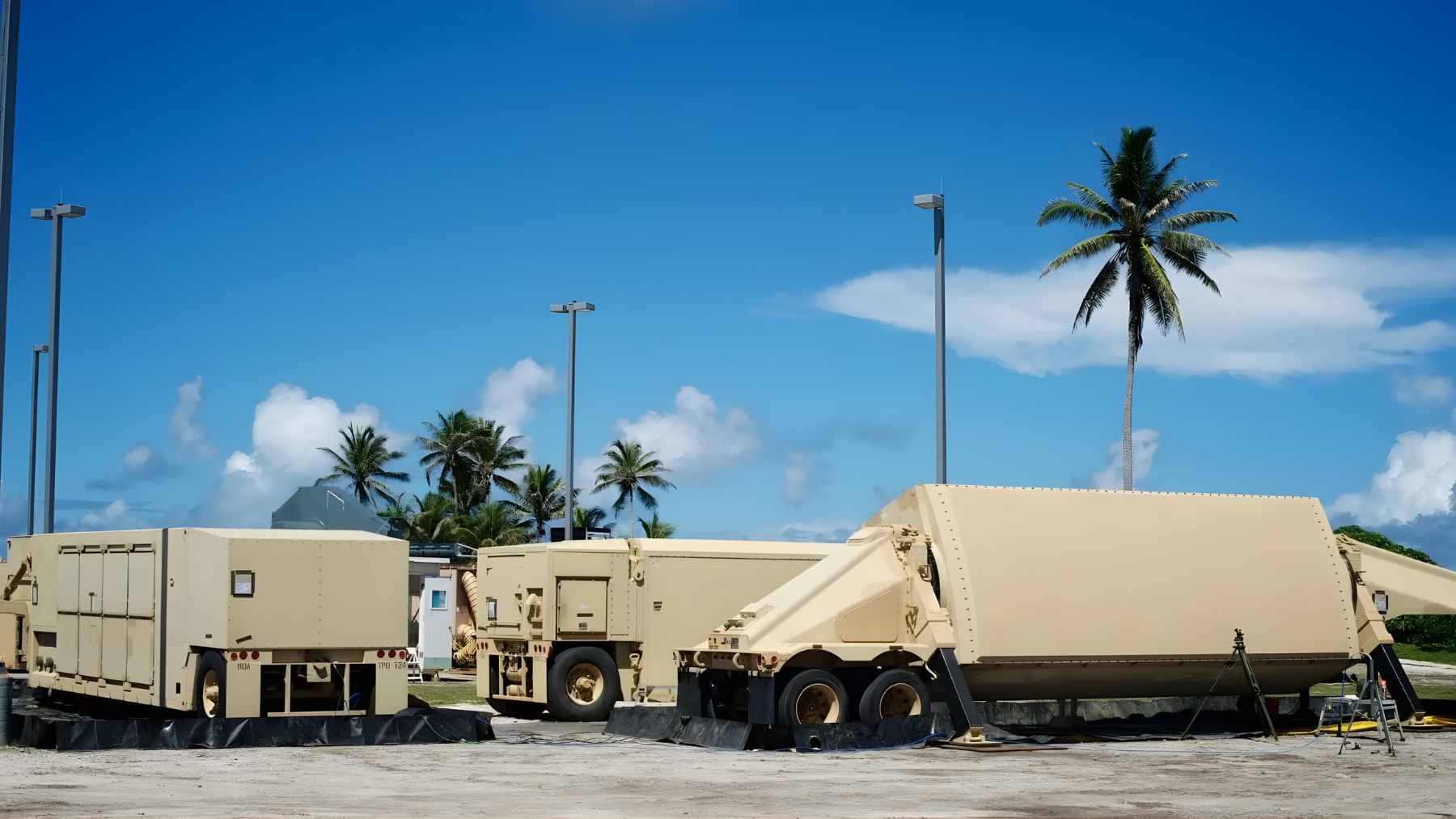
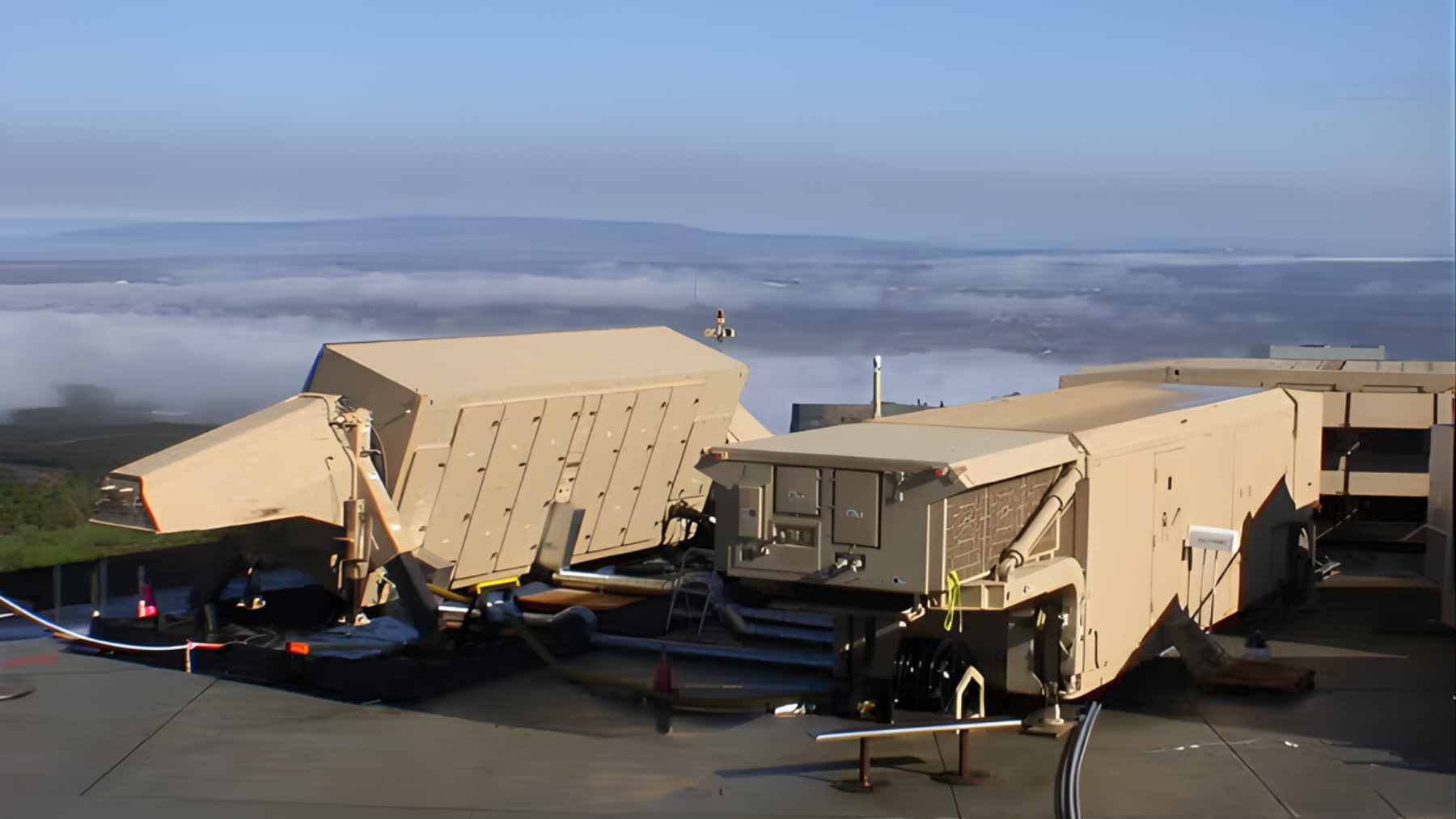
That is the real story emerging from the latest strikes, with satellite imagery and official reporting pointing to damage at major radar nodes tied to America’s regional shield, including the Al Udeid complex in Qatar and a THAAD-linked AN/TPY-2 radar in Jordan.
When the sensors take a hit, the interceptors behind them suddenly matter a lot less.
Qatar’s Foreign Ministry said Iranian attacks on March 10 and March 11 involved ballistic missiles and drones, with most intercepted and one missile falling in an uninhabited area.
Reuters has reported that Al Udeid, the largest U.S. base in the Middle East, was attacked during the war that began on February 28. Open-source satellite analysis has also indicated damage to Qatar’s AN/FPS-132 early warning radar, one of the most valuable sensors in the region.
Why THAAD and early warning radars matter
This matters because these radars are not easy to replace. RTX says the AN/TPY-2 is the “eyes” of the THAAD system and is used to detect, track, and identify ballistic missiles. A 2013 U.S. Defense Security Cooperation Agency notice valued Qatar’s AN/FPS-132 Block 5 early warning radar package at about $1.1 billion.
And the Missile Defense Agency’s FY 2026 budget documents say the Army’s THAAD force structure is set at eight batteries. In practical terms, that means even one knocked-out radar can ripple across a very small but very expensive fleet.
Cheap drones are changing missile defense economics
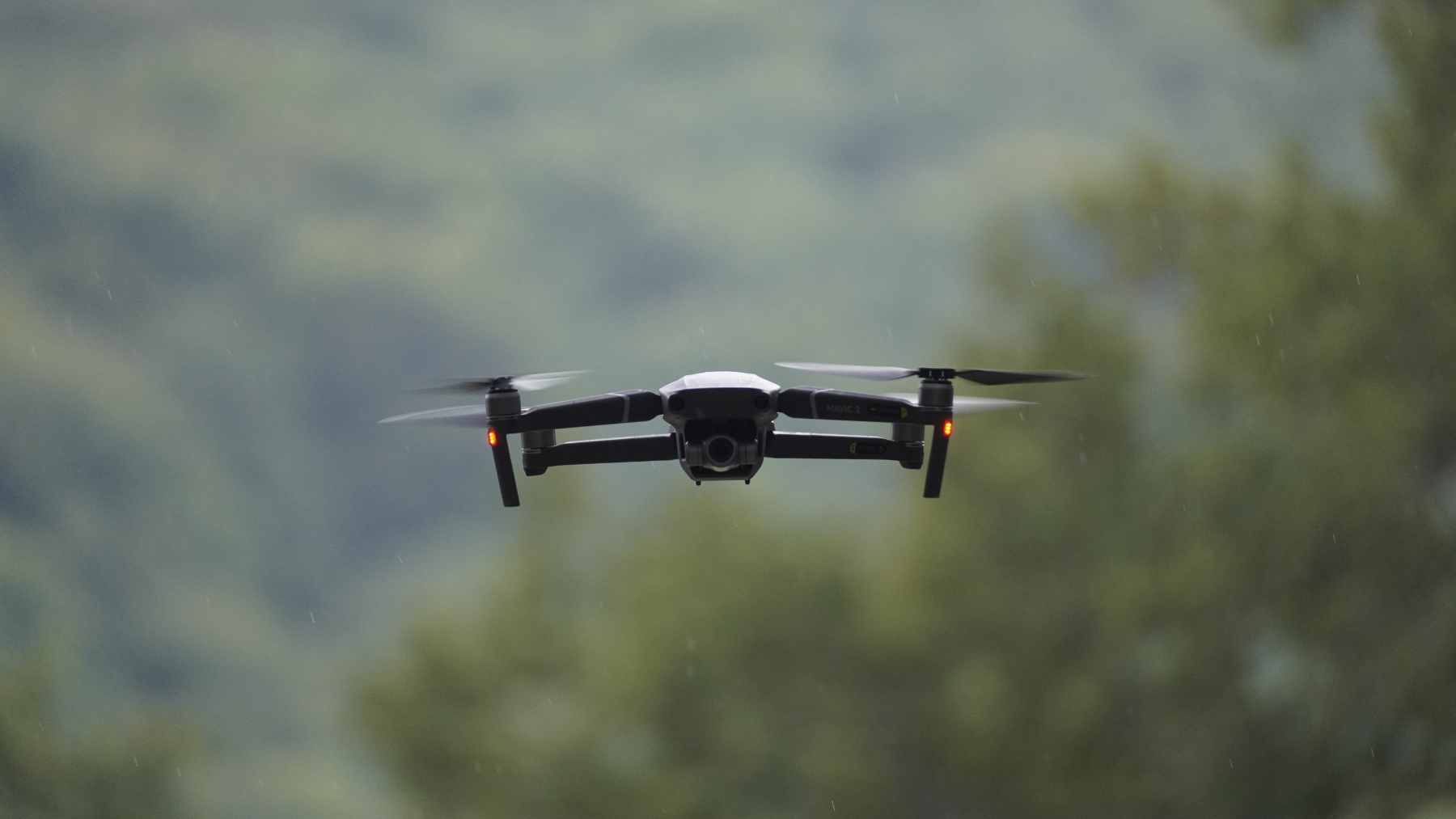
Now comes the uncomfortable part: Reuters reports that the drones Iran has used in this conflict are relatively low-cost, can be launched in numbers, and are hard to defend against without the right mix of systems.
That cost mismatch is starting to shape battlefield decisions, with the U.S. and Qatar already discussing cheaper Ukrainian interceptor drones as an alternative response to Shahed attacks.
Why spend millions to fire back if a swarm can first knock the radar offline? That is where this war is pushing military planners.
Satellite intelligence and the risk of a wider conflict
There is another signal here, too. Planet Labs has extended delays on Middle East imagery from four days to 14 days, saying it wants to limit adversaries’ access.
In other words, this is now a fight over who gets to see first. And if the radar picture keeps thinning, the next round of this war could get much riskier, very fast.
The official statement was published on Qatar’s Ministry of Foreign Affairs.