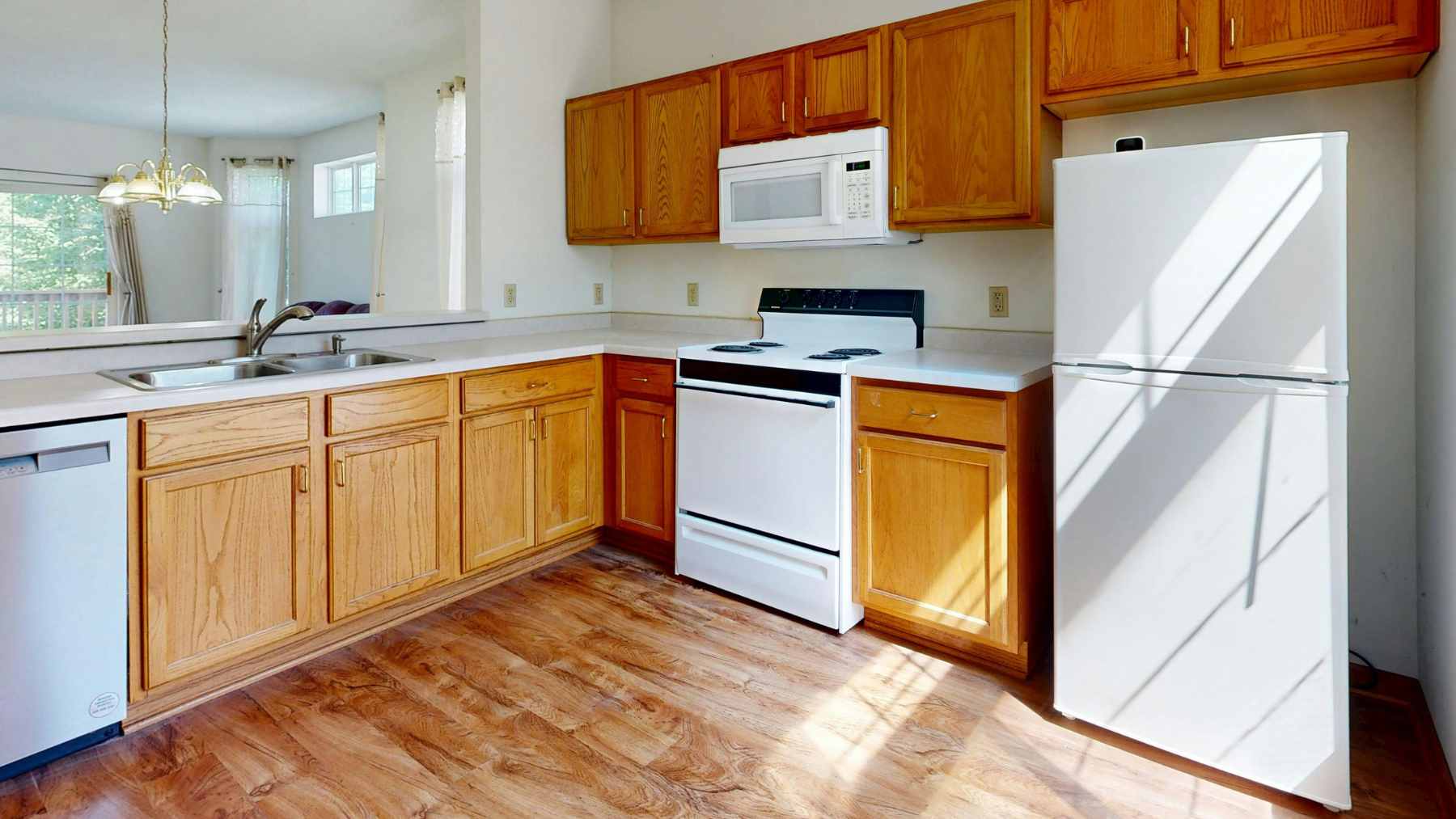
If your electric bill has felt a little jumpy lately, you might be blaming the usual suspects like air conditioning, heating, or that always-on entertainment setup. But there’s a quieter culprit that shows up right when many of us are hungry.
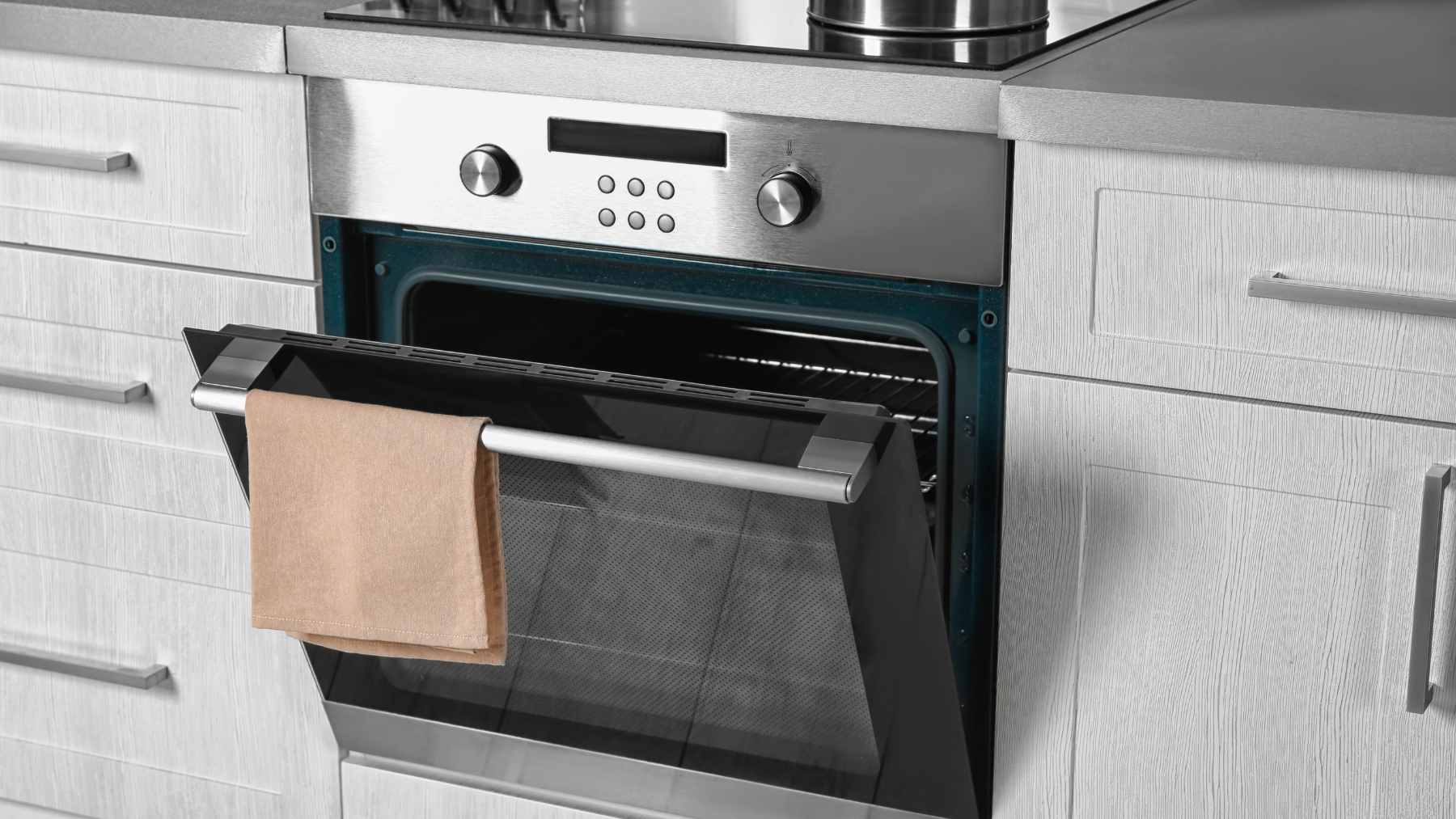
A typical electric oven can pull roughly 2,000 to 5,000 watts while it’s heating up and holding temperature, which is a big, sudden hit compared with most everyday appliances.
Here’s the twist that matters for the environment and the wider economy. Ovens are not usually the biggest source of electricity used over a full year, but they are a “peak” appliance, and peaks are where costs and emissions can climb fast.
When millions of households cook around the same time, those dinner-time spikes become a business problem for utilities, a technology challenge for a smarter grid, and even a resilience concern for military installations that plan for power disruptions.
Why your oven feels like an energy monster
The physics is simple even if the bill is not. An oven is basically a controlled heat engine in your kitchen, and making heat quickly takes a lot of electricity. EnergySage puts electric ovens in the 2,000 to 5,000 watt range, and that’s before you factor in the “all at once” behavior when preheating kicks in.
Now compare that with a refrigerator, which cycles on and off to maintain cold in an insulated box.
EnergySage estimates most fridges draw about 300 to 800 watts when running, so a 5,000 watt oven can look like several to more than a dozen fridges operating at the same moment, depending on what fridge number you pick. It’s not that your oven runs all day, it’s that it hits hard when it runs.
The annual numbers are smaller than the spike
On a yearly basis, cooking is typically not the main event in home electricity use. California’s Residential Appliance Saturation Study shows that in 2019, “dishwasher and cooking” together accounted for 6 percent of average household electricity consumption in the state, far below categories like refrigeration and “miscellaneous” loads.
That same California dataset helps explain the difference between “high power” and “high energy.”
For households with electric cooking equipment, the estimated annual electricity use for a range or oven lands around the low hundreds of kilowatt-hours depending on the utility territory, roughly 328 to 433 kWh per year in the report’s table. That is meaningful money, but it’s not usually the biggest line item.
So why does the oven get such a bad reputation? Timing. The oven’s electricity use often happens in short bursts and often in the evening, which is exactly when rates can be higher under time-of-use pricing and when grids in many regions are stretched.
Dinner time meets the grid’s tightest hour
Most people do not cook at random times. EIA data suggests 79% of U.S. households prepare at least one hot meal daily, with cooktops used about eight times per week and ovens about three times per week, which means a lot of cooking is clustered into similar hours.
You can feel that pattern in real life when traffic is heavy and kitchens are busy at the same time.
A recent U.S. household analysis in the journal Applied Energy found a mean of 15-minute maximum demand of 9.7 kW across nearly 12,000 homes, and it notes that peak demand is mainly driven by high-capacity loads.
That does not mean “the oven causes the whole peak” in every home, but it does confirm the larger point that short, intense loads shape the peak curve utilities must serve.
And when researchers zoom into evening peaks, ovens show up prominently. One study of Irish homes looking at the 4 p.m. to 7 p.m. peak window found cooking loads could account for a large share of demand in that period, with ovens taking the biggest slice of cooking electricity demand in their data.
The grid mix and habits differ by country, but the dinner-time synchronization problem is familiar everywhere.
Business is responding with standards and new product math
When peaks get expensive, companies and regulators tend to follow. In January 2024, the U.S. Department of Energy said it finalized updated efficiency standards for residential cooking products that are projected to save Americans about $1.6 billion on utility bills over 30 years, with compliance required for newly manufactured models starting in 2028.
DOE also projected emissions reductions of nearly 4.4 million tons of carbon dioxide over 30 years.
At the same time, efficiency labeling is expanding into cooking in a more visible way. ENERGY STAR says certified electric cooking products are 18% more efficient on average than standard models, and it suggests households can save about $385 over a product’s lifetime by choosing efficient kitchen appliances. Those numbers will vary by how you cook, but the direction is clear.
Induction also matters in this conversation because it changes where the heat goes. ENERGY STAR points to induction transferring about 85% of heating energy to what’s in the cookware, compared with about one-third for gas cooking products in the cited comparison.
In practical terms, that can mean less wasted heat in the kitchen during summer heatwaves, and a smaller energy bite to get dinner on the table.
Smart tech is turning cooking into a grid resource
You can already see the tech shift in the broader “smart home” push, but energy is increasingly the real reason. A National Renewable Energy Laboratory report describes “response enabled” appliances as a way to move some household energy use out of peak hours, which is basically demand response brought into everyday devices.
Not every cooking task is flexible, but even small shifts and smarter control can matter at scale.
This is where the idea of a “smart oven” stops being a gadget and starts being infrastructure. If utilities can nudge preheating a little earlier, or coordinate electric cooking around localized feeder constraints, they can sometimes avoid expensive upgrades.
That is also why manufacturers are increasingly marketing better insulation, convection performance, and sensor-driven cooking modes as more than convenience features.
For consumers, the business angle often shows up as rate design. EIA’s electricity data shows residential average revenue of 17.24 cents per kWh in December 2025, up 6.0% from a year earlier, and rising prices tend to make peak shaving feel less abstract. Your oven might not dominate your annual usage, but it can still dominate a high-priced hour.
Why the military is paying attention to energy spikes
If you want a sign that this is bigger than kitchen advice, look at defense policy language. DoD Instruction 4715.28, titled “Military Installation Resilience,” says the Department’s resilience planning includes energy, water, and extreme weather resilience.
That is a wide umbrella, and it is meant to keep missions running when outside systems fail.
The planning is not theoretical. A DoD performance document on climate impacts to installations describes goals like expanding the DoD Climate Assessment Tool and conducting “Black Start” exercises at priority mission assurance installations, which is essentially practicing how to restore power and operate through disruptions.
Food service and housing loads are not the whole story on a base, but when you are islanded on backup power, every noncritical kilowatt matters.
That same mindset shows up in Army-focused resilience guidance. A 2025 Pacific Northwest National Laboratory “Microgrid Handbook for Army Resilience” notes that as of 2022 there were nearly 700 microgrid installations across the U.S. with 4.357 GW of combined capacity, and it emphasizes load management and the ability to shed noncritical loads.
In a crisis, you still have to feed people, but you may not need every building running at full comfort settings.
Small habits that cut real energy without changing the menu
The good news is you do not need a new kitchen to make a difference. Start by treating preheating like a cost event, not a background step. If you can batch cook so multiple dishes go in during one heat-up, you cut the number of full-power warm-ups, which are often the most intense part of oven use.
Then get disciplined about heat loss. Avoid opening the oven door repeatedly, since every open drops temperature and triggers more heating, and consider shutting the oven off 5 to 10 minutes early so residual heat finishes the job. It sounds small, but small is how most household energy savings actually happen.